Disc Plough Price: Key Factors for Buyers

application/disc-plough-price, application/disc-plough-price, 
Inquiry
Inquiry

disc plough price

Disc ploughs are essential agricultural tools that help prepare soil for planting by turning over and aerating it. The price of disc ploughs can vary significantly based on factors such as materials, manufacturing processes, and supplier options. For B2B buyers, understanding these factors is crucial for making informed purchasing decisions. This article will explore how to find the best suppliers, the key specifications that influence pricing and quality, cost considerations for bulk orders, the advantages of high-quality materials, and how disc ploughs are applied in various farming scenarios.

Key Specifications of Disc Ploughs That Impact Pricing and Quality

Key Specifications of Disc Ploughs That Impact Pricing and Quality

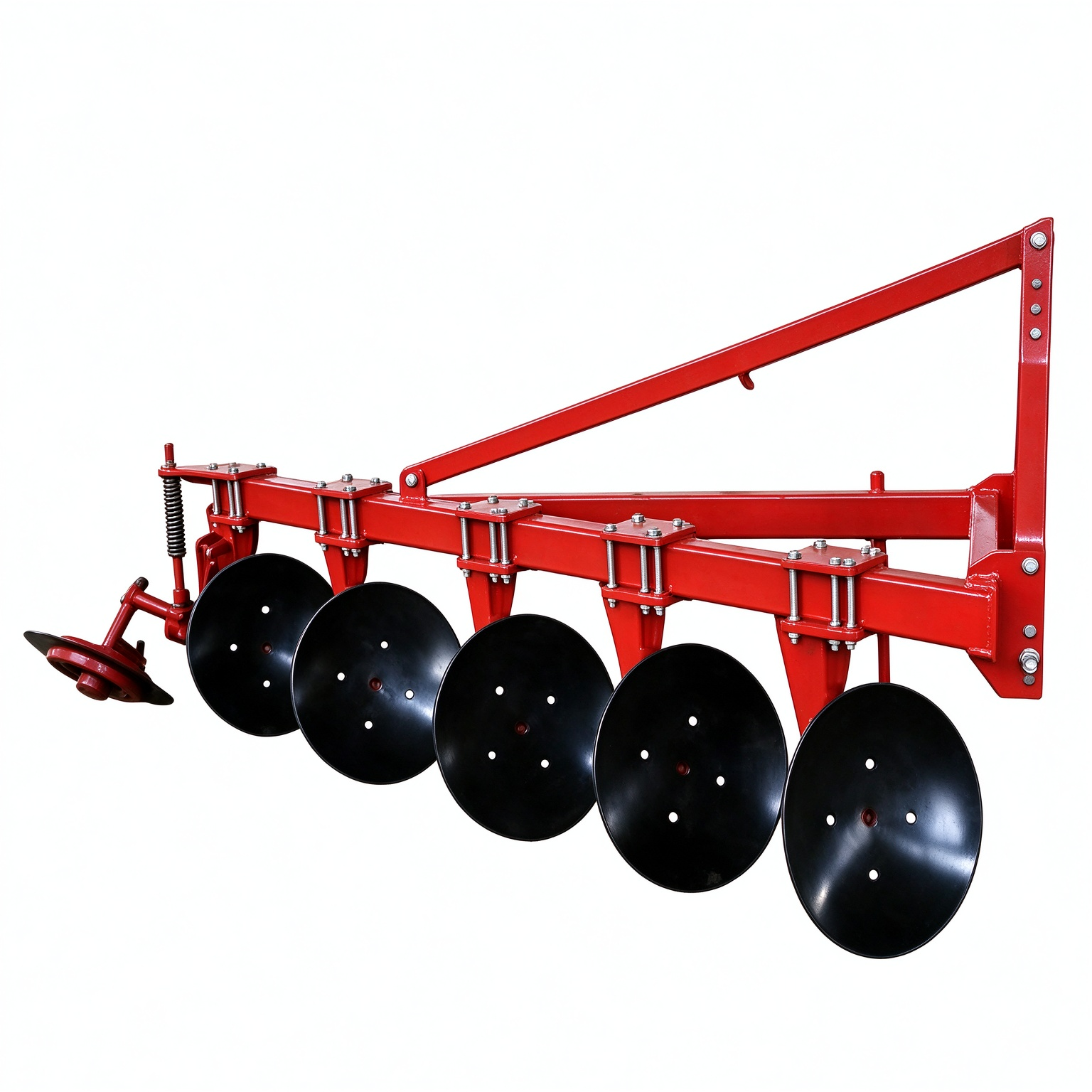
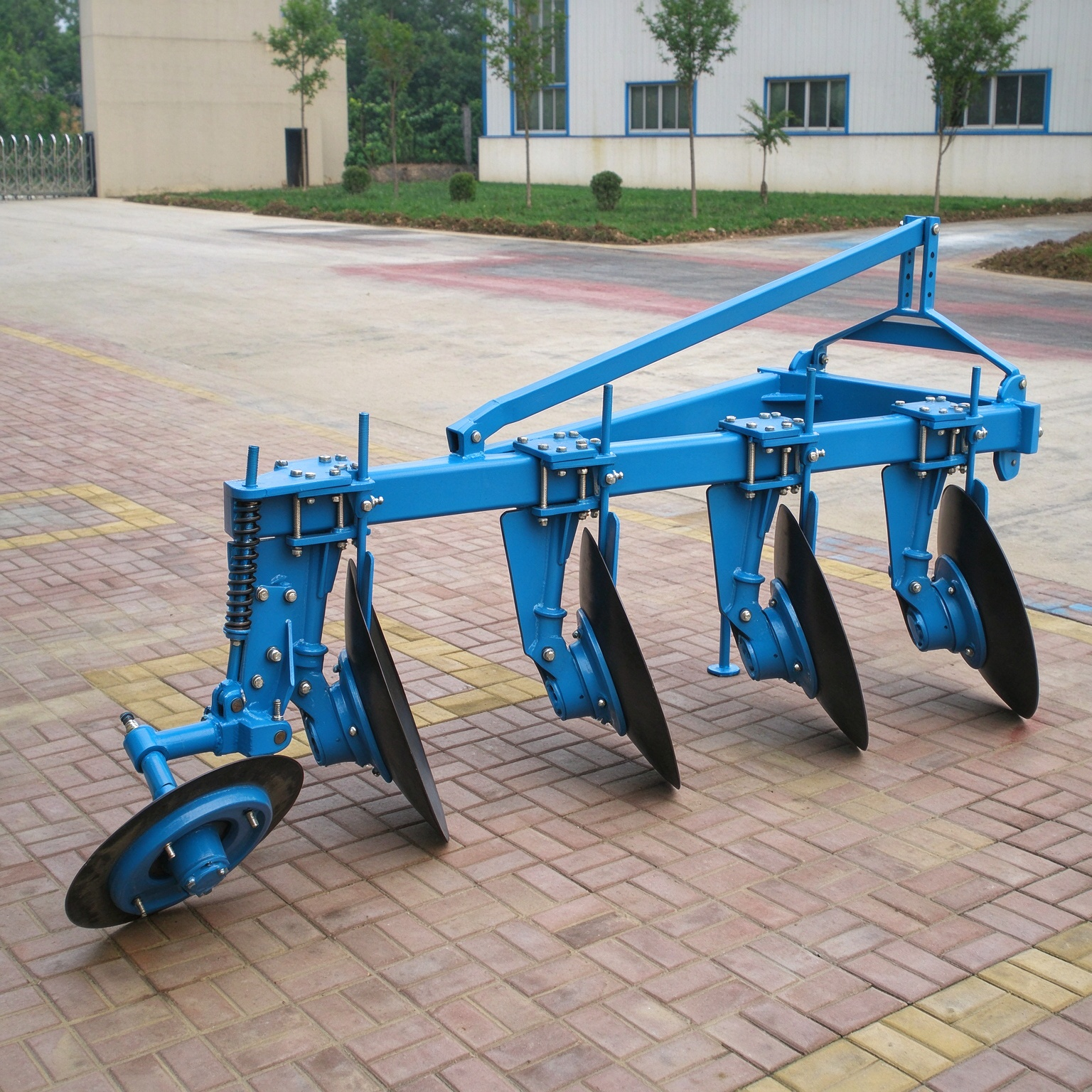
The specifications of disc ploughs significantly influence both their pricing and overall quality. Key specifications include the number of discs, disc size, material composition, and the framework design.

Number of Discs: The number of discs on a plough affects its tilling capability. More discs can handle larger areas but may increase the overall cost.

Disc Size and Thickness: Larger and thicker discs are often more durable and effective at penetrating hard soil. However, these attributes typically come with a higher price tag. A buyer should consider the specific soil conditions of their operation when evaluating these factors.

Material Composition: High-quality steel or alloy materials can enhance the lifespan and performance of disc ploughs. Investing in better materials may raise initial costs but can lead to lower maintenance and replacement expenses over time. For instance, high-quality materials provide greater resistance to wear and tear.

Framework Design: A well-designed framework that distributes weight evenly can improve the plough's efficiency and reduce wear and tear. Buyers should examine the design to ensure it meets their specific farming requirements.

Understanding these specifications allows buyers to better assess the value of the disc ploughs and their suitability for their agricultural operations.

Understanding Cost Factors for Bulk Orders of Disc Ploughs

Understanding Cost Factors for Bulk Orders of Disc Ploughs

When purchasing disc ploughs in bulk, several cost factors come into play that can affect the overall pricing. Buyers should be mindful of the following considerations:

Minimum Order Quantity (MOQ): Suppliers often set a minimum order quantity, which can influence pricing. Higher order quantities may yield volume discounts, making it essential for buyers to determine their needs accurately before placing orders.

Shipping and Logistics: The cost of transporting agricultural machinery can vary based on distance, weight, and shipping methods. Buyers should factor in logistics costs when evaluating total expenses.

Customization Costs: If specific modifications are needed for the disc ploughs, such as adjusting specifications or adding unique features, these customizations may increase the price. It’s crucial to clarify these costs upfront with suppliers.

Payment Terms: Different suppliers may offer various payment terms, including upfront payments, payment upon receipt, or financing options. Understanding these terms can influence cash flow management and overall purchasing strategy.

By considering these cost factors, buyers can make more informed choices about their bulk orders, ensuring they receive the best value for their investment.

Advantages of High-Quality Materials in Disc Plough Manufacturing

Advantages of High-Quality Materials in Disc Plough Manufacturing

Investing in disc ploughs made from high-quality materials offers several advantages that can enhance their effectiveness and longevity. Here are some key benefits:

Durability: High-quality materials, such as hardened steel, provide greater resistance to wear and tear, leading to longer lifespans. This means fewer replacements and lower long-term costs.

Performance: High-quality materials are often engineered to withstand harsh agricultural conditions. This can improve the plough's performance in various soil types and conditions, resulting in better crop yields.

Maintenance: Equipment manufactured from superior materials typically requires less maintenance. This can save farmers time and money in the long run, as they will spend less on repairs and downtime.

Safety: Quality materials contribute to the overall safety of the machinery. A robust construction minimizes the risk of breakage during operation, which can be hazardous in agricultural settings.

By prioritizing high-quality materials, buyers can enhance their operational efficiency and reduce the total cost of ownership for disc ploughs.

Evaluating Disc Plough Applications for Different Farming Scenarios

Disc ploughs are versatile tools suited for various farming scenarios, and selecting the right type depends on the specific agricultural needs. Here are some common applications:

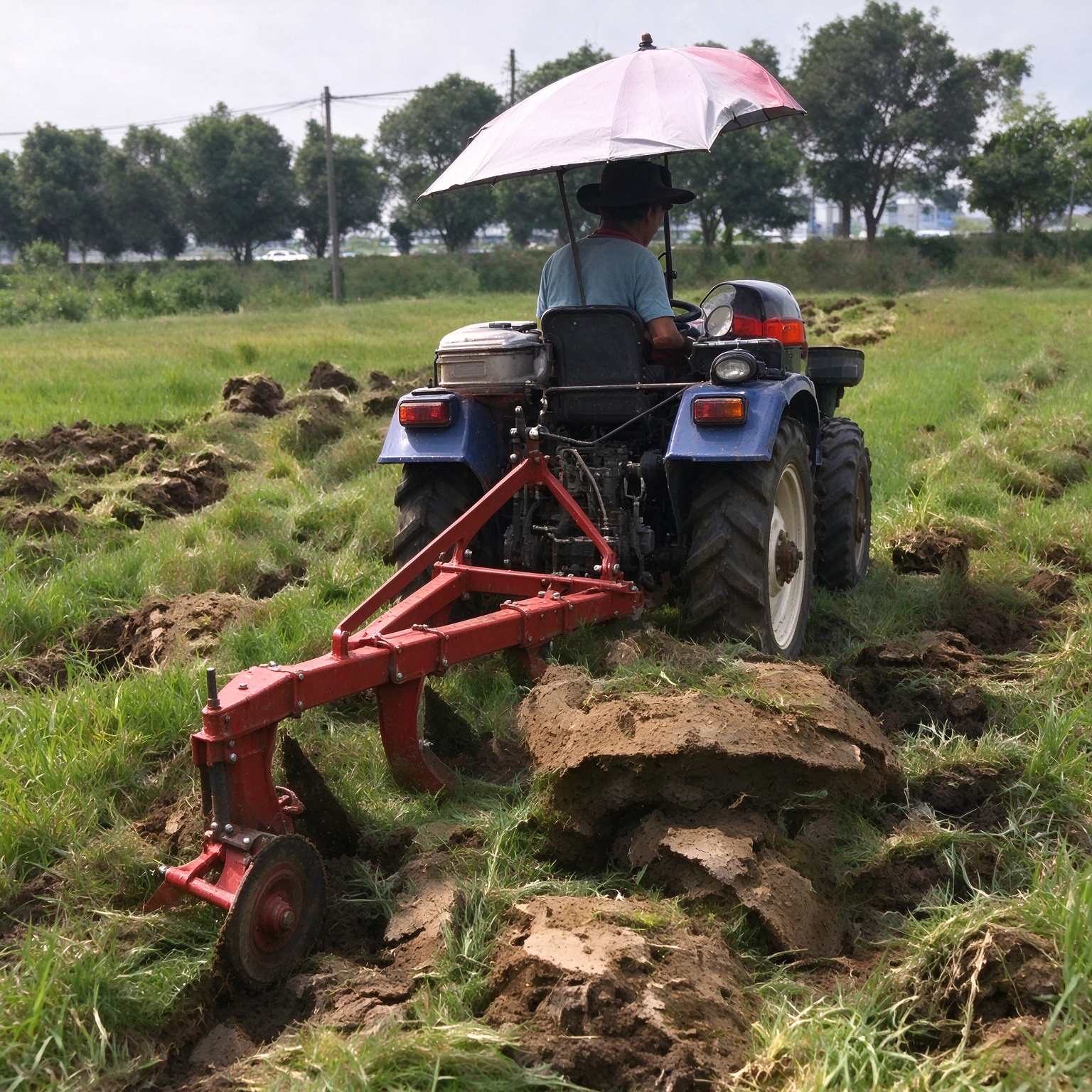
Tillage Preparation: Disc ploughs are primarily used for soil tillage, breaking up hard soil to prepare it for planting. They are effective in both conventional and minimum tillage systems.

Weed Control: By turning over the soil, disc ploughs can help in managing weeds, providing effective competition against unwanted plant growth before the crop is sown.

Crop Rotation: In systems where crop rotation is practiced, disc ploughs facilitate the quick turnover of fields between crops, ensuring soil health and fertility.

Heavy Soil Conditions: In regions with heavy clay or compact soil, disc ploughs can penetrate deeply, enabling better aeration and preparation for planting. Additionally, adopting the right tools can also significantly enhance soil preparation.

Understanding the specific applications of disc ploughs can guide buyers in selecting the right equipment tailored to their farming conditions, ultimately improving productivity and efficiency on their farms.

Finding the Best Supplier Options

When seeking out suppliers for disc ploughs, buyers should consider several critical factors to ensure they are making informed decisions. Start by evaluating the supplier's experience and reputation in the industry. A supplier with a robust track record of delivering quality agricultural machinery, such as Agripros, which has been active in 40 countries, can be a reliable choice.

Next, assess the supplier’s manufacturing capabilities. Look for companies that have CE/ISO 9001 certifications, which indicate adherence to international quality management standards. This documentation assures buyers of consistent product quality and safety. Additionally, explore customization options that suppliers offer to cater to specific agricultural needs, as tailoring equipment can enhance operational efficiency.

Lastly, it’s advisable to request references or testimonials from other clients. This feedback can provide insights into the supplier's reliability, customer service, and after-sales support, which are vital for long-term partnerships.

Get a Free Quote

Our representative will contact you soon.
0/1000