Understanding Two Wheel Tractor Prices and Suppliers

application/two-wheel-tractor-price, application/two-wheel-tractor-price, 
Inquiry
Inquiry

two wheel tractor price

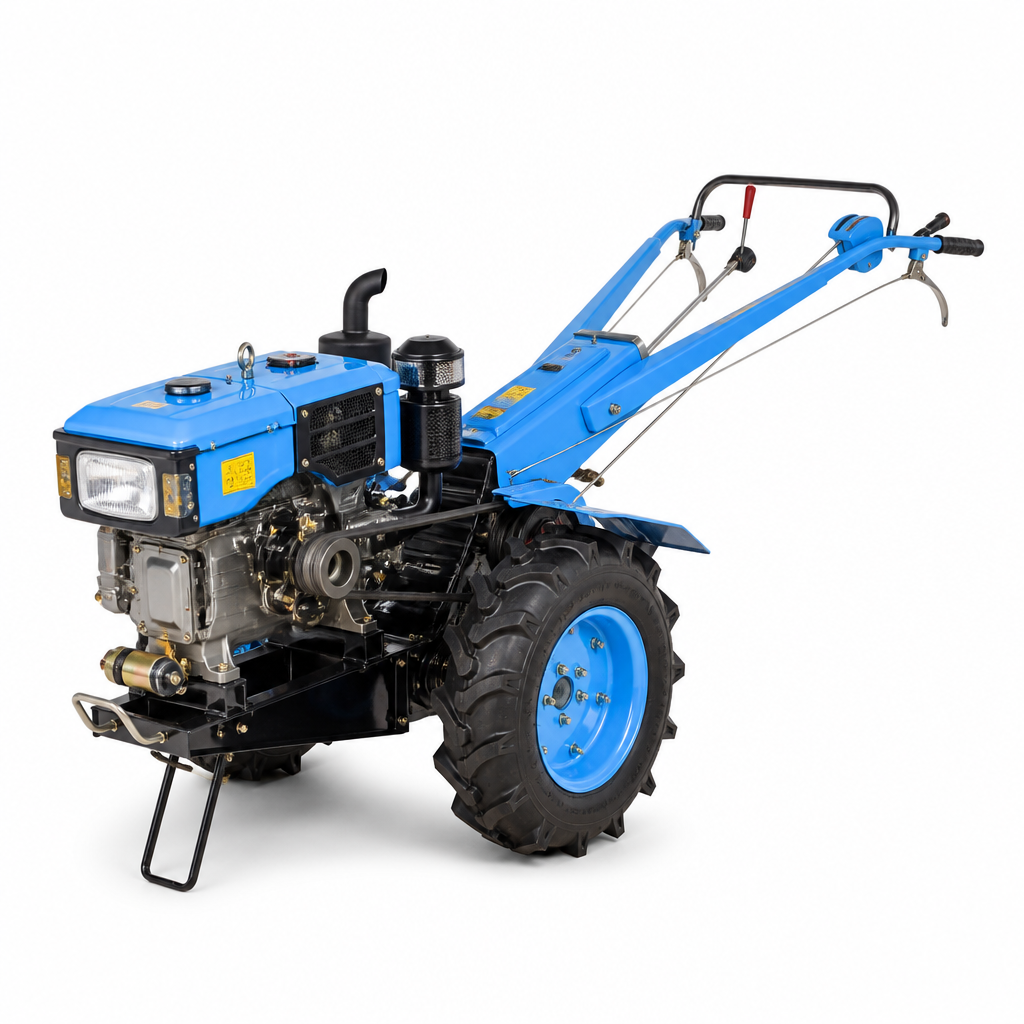
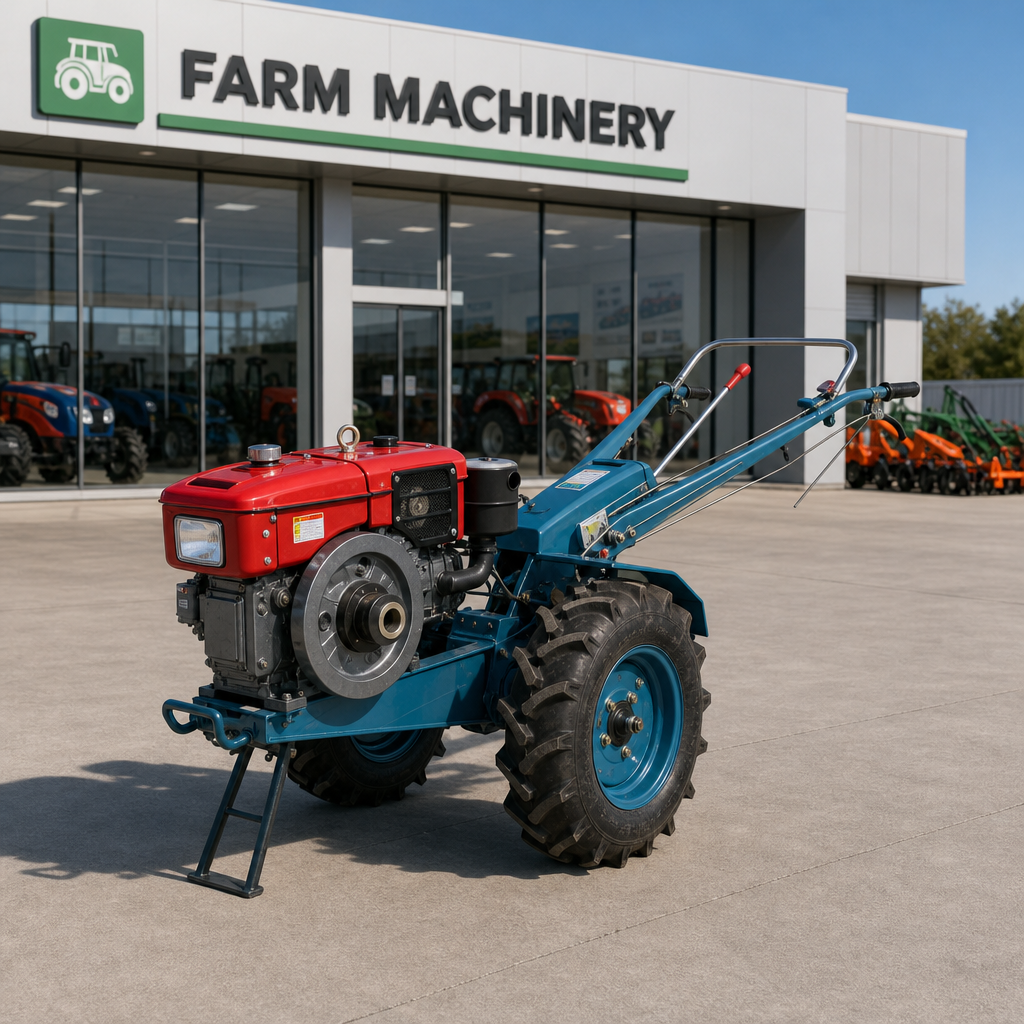
Two wheel tractors are versatile agricultural machines designed for various farming tasks, including tillage, seeding, and irrigation. As a B2B buyer, understanding the price and specifications of two wheel tractors is essential for making informed purchasing decisions. This article aims to provide insights into the key specifications, quality evaluations, installation challenges, best applications, and tips for selecting a reliable supplier—all critical factors for purchasing managers and agricultural businesses.

Where to Find Reliable Suppliers for Two Wheel Tractors

Where to Find Reliable Suppliers for Two Wheel Tractors

Quality evaluation is essential when purchasing two wheel tractors, as it directly impacts performance and longevity. Buyers should focus on several critical aspects:

Material Quality: The materials used in constructing the tractor significantly affect durability. High-grade steel and robust components withstand wear and tear better than lower-quality alternatives.

Manufacturing Standards: Look for tractors manufactured under rigorous quality control processes, ideally with certifications such as ISO 9001. These certifications ensure that the production adheres to international quality standards.

Track Record and Reviews: Investigating the manufacturer's reputation and existing customer feedback provides insights into the performance and reliability of their products.

Warranty and Support: A comprehensive warranty indicates the manufacturer's confidence in their product. Additionally, reliable after-sales support is crucial for addressing any issues that may arise post-purchase.

By addressing these quality factors, buyers can avoid common pitfalls that lead to operational inefficiencies and additional costs.

Cost Factors Impacting Two Wheel Tractor Pricing

Cost Factors Impacting Two Wheel Tractor Pricing

Installing two wheel tractors can present challenges that affect their performance. Recognizing these potential issues and their solutions can aid in smooth setup and effective operation:

Footing and Stability: Ensuring stable footing during installation is critical. If the ground is soft or uneven, adding weight or using stabilizers can help maintain balance.

Attachment Compatibility: Sometimes, attachments may not fit perfectly with the tractor. Buyers should confirm compatibility before installation. Adjustments or additional fittings may be necessary.

Hydraulic System Setup: Many two wheel tractors utilize hydraulic systems for attachments. Properly configuring these systems is vital to avoid leaks and ensure efficient operation. Consulting the manufacturer's guidelines can help streamline this process.

Electrical Connections: Ensuring that all electrical connections are secure and correctly configured is essential for the tractor's functionality, especially if it includes electronic components.

Understanding these installation challenges allows buyers to prepare adequately and avoid delays in using their new machinery.

What to Expec

What to Expec

Two wheel tractors are versatile tools in both agricultural and industrial applications. Their adaptability makes them suitable for various tasks, including:

Tillage and Soil Preparation: Their compact size allows them to maneuver in smaller fields, making them ideal for plowing, harrowing, and preparing soil for planting.

Seeding and Fertilizing: With the right attachments, two wheel tractors can efficiently seed crops and apply fertilizers, ensuring optimal growth conditions.

Irrigation: Many models can be equipped with irrigation systems, facilitating water distribution in fields, especially in areas with limited water resources.

Transportation and Hauling: Two wheel tractors can transport goods and materials around the farm or industrial site, enhancing overall operational efficiency.

Recognizing these applications helps buyers choose the right tractor model for their specific operational needs.

Application Scenarios for Two Wheel Tractors in Agriculture

Selecting a supplier for two wheel tractors is a critical decision that can impact the purchasing process and ultimate satisfaction with the product. Consider these expert tips when evaluating potential suppliers:

Industry Experience: Look for suppliers with a proven track record in agricultural machinery. Suppliers with extensive experience are more likely to provide valuable insights and reliable products.

Customization Options: The ability to customize tractors according to specific needs can be a significant advantage. Ensure the supplier offers this flexibility to accommodate unique agricultural tasks.

Post-Purchase Support: Evaluate the supplier's after-sales service, including maintenance, parts availability, and technical support. A supplier that stands behind their product can save buyers time and money in the long run.

Transparent Pricing: Suppliers should provide clear and detailed pricing, including any potential additional costs for accessories or attachments. This transparency is essential for budgeting and planning.

By following these tips, buyers can forge relationships with suppliers that foster successful purchasing experiences and ongoing support.

In summary, understanding the specifications, quality, installation challenges, applications, and supplier selection processes for two wheel tractors is crucial for making informed purchasing decisions. Buyers are encouraged to consider these factors as they evaluate their options, ensuring they choose the right machinery for their agricultural needs.

Key Factors

When evaluating two wheel tractors, several specifications are vital for ensuring they meet operational needs. Key specifications include engine power, weight, dimensions, and type of attachments.

Engine Power: Typically measured in horsepower (HP), engine power determines the tractor's capability to perform various tasks. For instance, tractors with higher HP can handle heavier implements and cover larger areas efficiently. For example, the 8-25HP Diesel Walk Behind Tractor Water-Cooled Hand Start Farm Tractor is designed for various demanding tasks.

Weight: The weight of the tractor affects stability and traction. Heavier tractors can be beneficial for tilling and plowing, especially in challenging soil conditions.

Dimensions: The overall dimensions, including width and length, influence maneuverability in tight spaces. This is particularly important for smaller farms or fields with obstacles.

Attachments Compatibility: Two wheel tractors often come with a range of attachments such as plows, seeders, and cultivators. Ensuring compatibility with these implements is crucial for maximizing the tractor's utility. For instance, a Grain Crusher 3 kW Electric Mill for Poultry Feed Milling could be a useful addition for enhancing productivity.

Wholesale buyers should consider these specifications to match the tractor's capabilities with the specific agricultural tasks at hand, ensuring efficient operations and productivity.

Frequently Asked Questions

What is the price range for a two wheel tractor?

Two wheel tractor prices vary by model and attachments; typically ranges depend on engine power and configuration. Contact us with requirements for an exact quote and tailored options.
Standard pricing may exclude implements. We offer bundled quotes including tillage, seeding, irrigation, or harvesting attachments upon request.
Yes, volume discounts are available for bulk orders and long-term partnerships. Provide order quantity and specifications for a customized offer.
Our two wheel tractors carry CE and ISO 9001-backed quality assurance; warranty terms vary by model. We supply lifecycle support and service details with each quote.
We provide export pricing including shipping and customs based on destination. Share delivery location and order details to receive a complete landed cost estimate.

Get a Free Quote

Our representative will contact you soon.
0/1000