Choosing the Right Two Wheel Tractor Plough

application/two-wheel-tractor-plough, application/two-wheel-tractor-plough, 
Inquiry
Inquiry

two wheel tractor plough

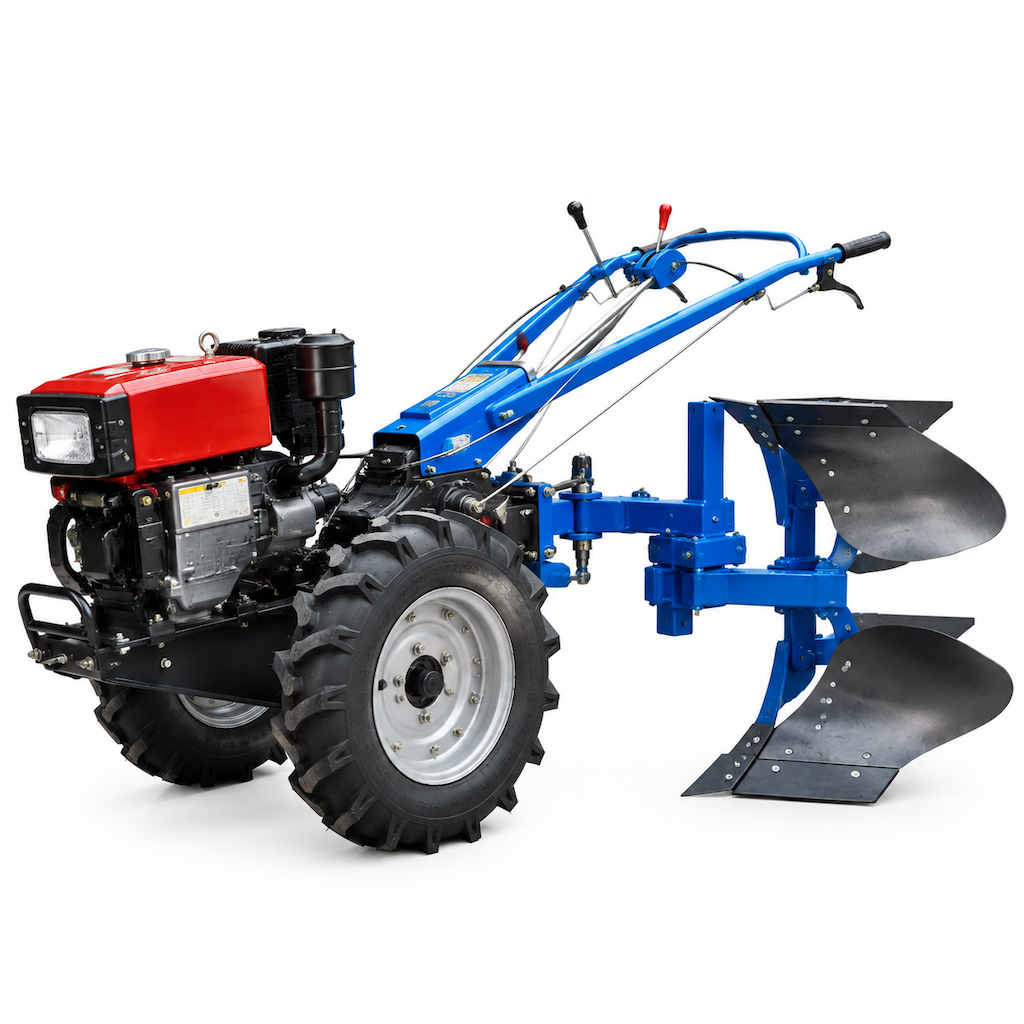
Choosing the right two wheel tractor plough can significantly impact the efficiency and productivity of your farming operations. Whether you're managing a small plot or a larger agricultural enterprise, understanding the key specifications, applications, and potential issues of these implements is vital. This article aims to equip purchasing managers, distributors, and engineers with the insights needed to make informed decisions about two wheel tractor ploughs, focusing on their features, common problems, and applications in modern agriculture.

Key Specifications of Two Wheel Tractor Ploughs for Wholesale Buyers

Key Specifications of Two Wheel Tractor Ploughs for Wholesale Buyers

Wholesale buyers should pay attention to several key specifications when evaluating two wheel tractor ploughs. The first is the working width, typically ranging from 20 to 60 cm, which determines how much area can be tilled in one pass. A wider plough may be more efficient for larger fields but requires a more powerful tractor.

Next, the weight of the plough is crucial. Heavier ploughs generally provide better penetration and stability, particularly in tough soil conditions. However, they also require a tractor capable of handling the extra load.

The material of the plough's body and blades is another important factor. Steel is commonly used for its strength and durability, while hardened materials can offer increased resistance to wear and tear. Additionally, look for features such as adjustable skimmers and moldboards, which can enhance the plough's adaptability to different farming practices. Some farmers opt for a Grain Crusher to complement their ploughing tasks.

Finally, consider the manufacturer's certifications, such as ISO 9001 and CE, which indicate adherence to quality standards and safety regulations. These certifications can provide assurance of the product's reliability and performance.

A Step-by-Step Approach

A Step-by-Step Approach

To ensure you select the right two wheel tractor plough, follow this step-by-step approach:

Assess Your Needs: Evaluate your farm size, soil type, and intended usage to determine the necessary specifications.Research Options: Investigate different models and manufacturers. Look for reviews and testimonials to gauge performance and customer satisfaction.Request Samples: If possible, request a sample or demonstration to test the plough's performance in real conditions.Evaluate Pricing: Compare prices from different suppliers while considering the total cost of ownership, including maintenance and replacement parts.Check Compatibility: Confirm that the chosen plough is compatible with your existing equipment, particularly your two wheel tractor.Review Warranty and Support: Ensure the manufacturer provides a solid warranty and customer support for any issues that may arise after purchase.
Common Problems with Two Wheel Tractor Ploughs and Their Solutions

Common Problems with Two Wheel Tractor Ploughs and Their Solutions

Even with careful selection, two wheel tractor ploughs can encounter issues during operation. Some common problems include:

Soil Compaction: If the plough is too heavy or used improperly, it can compact the soil, negatively affecting crop growth. To mitigate this, ensure the plough is appropriate for your soil type and adjust the operating depth accordingly.

Worn Blades: The blades of the plough can wear down over time, leading to inefficient tilling. Regular inspection and timely replacement of blades can prevent this issue. Ensure you have access to replacement parts from your supplier.

Hydraulic Failures: If the plough has hydraulic components, ensure regular maintenance checks are performed to avoid leaks or failures. Familiarize yourself with the hydraulic system and keep it well-lubricated.

Incompatibility with Tractor: Sometimes, buyers may find that their chosen plough does not operate efficiently with their tractor. Always verify compatibility before purchase and consult with the manufacturer if unsure.

Applications of Two Wheel Tractor Ploughs in Modern Agriculture

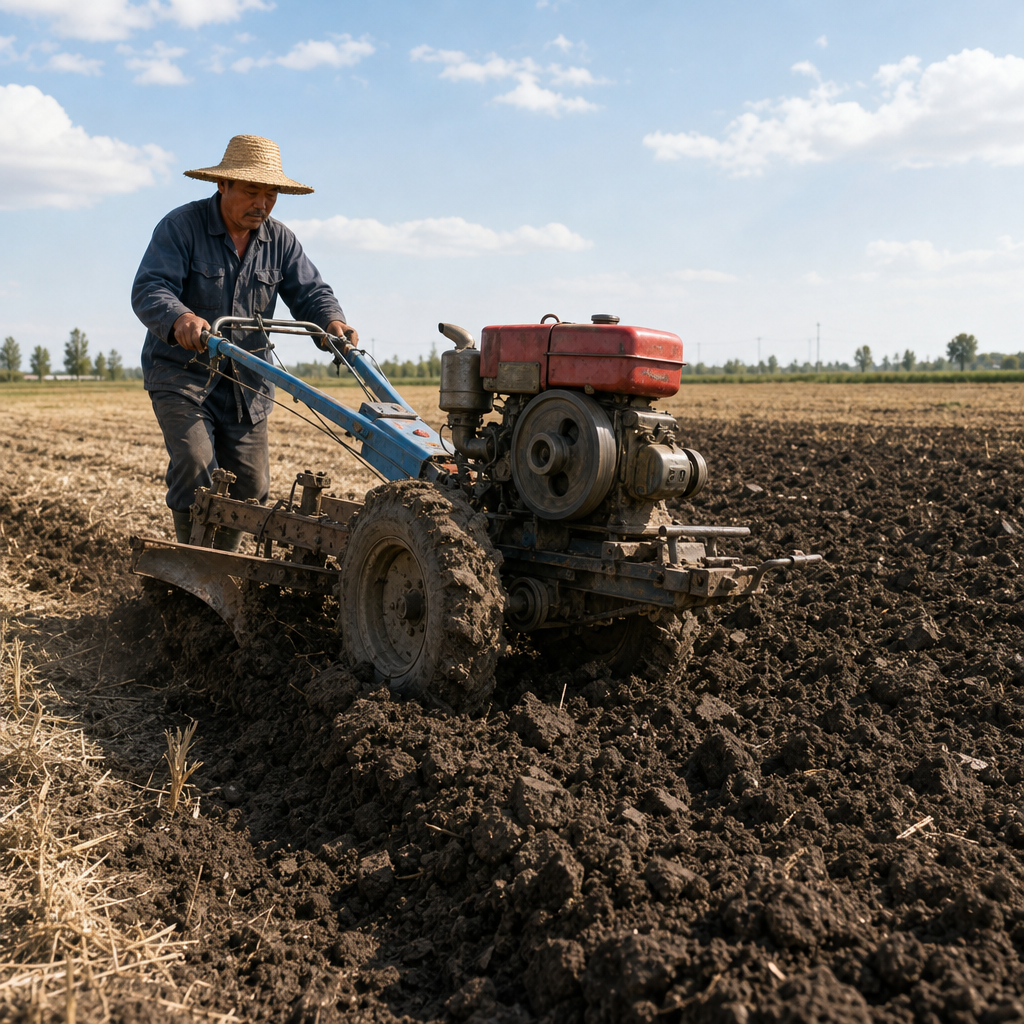
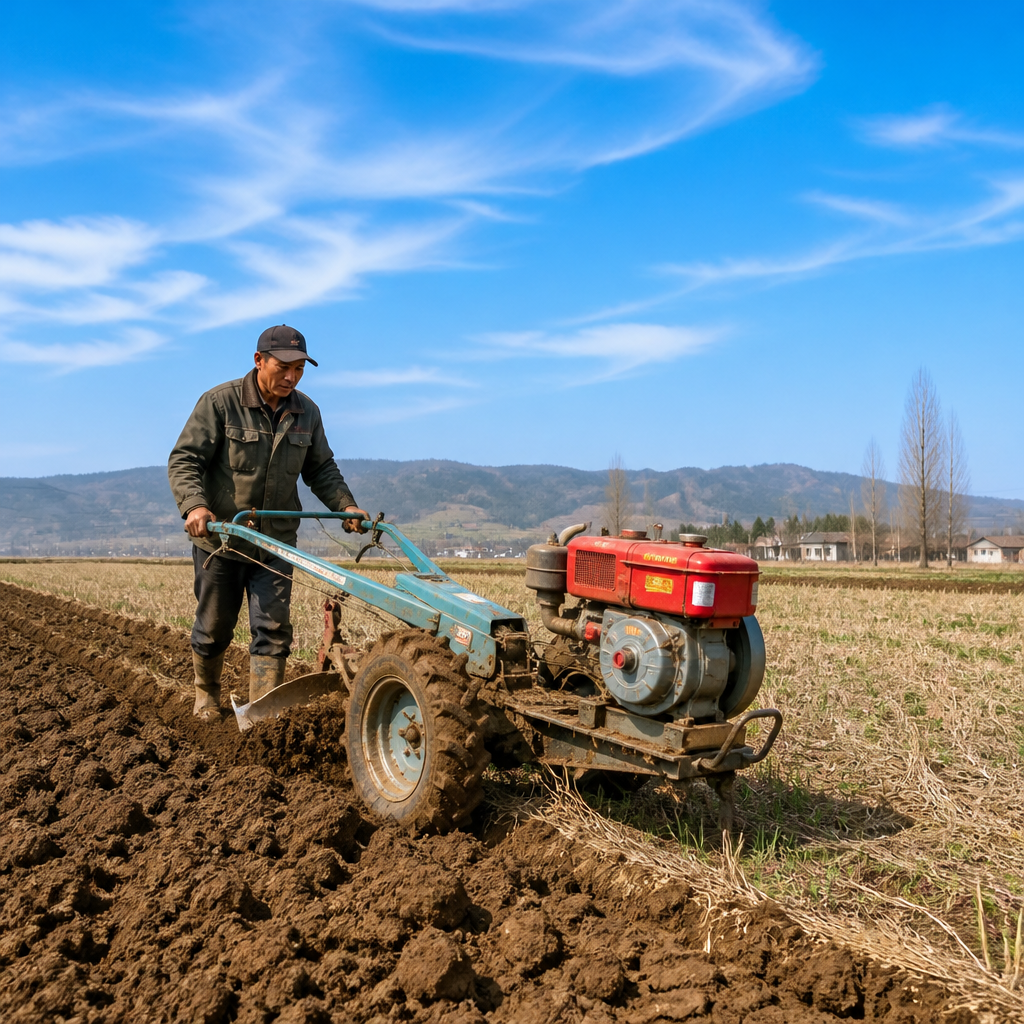
Two wheel tractor ploughs are versatile tools used in various agricultural applications. They are ideal for small to medium-sized farms where maneuverability is essential. Common applications include:

Tillage: Preparing the soil for planting by breaking up compacted earth and mixing in organic matter. This process improves soil aeration and water retention, crucial for healthy crop growth.

Weed Control: By turning the soil, ploughs can effectively bury weeds, reducing competition for crops. This not only aids in crop establishment but also minimizes the need for chemical herbicides.

Crop Rotation: Utilizing a two wheel tractor plough facilitates the practice of crop rotation, which helps in maintaining soil health and preventing pest and disease buildup.

Land Reclamation: For areas of land that have been neglected or overgrown, two wheel tractor ploughs can reclaim land for productive use by breaking up dense vegetation and preparing the soil for new crops.

Understanding the features, specifications, and common issues associated with two wheel tractor ploughs is essential for making informed purchasing decisions. By considering these factors, buyers can select a plough that enhances their farming efficiency and contributes to overall productivity.

What to Consider When Choosing a Two Wheel Tractor Plough for Your Farm

When selecting a two wheel tractor plough, several factors should be considered to ensure it meets your specific farming needs. First, assess the soil type and conditions on your farm. Different ploughs are designed for various soil types, such as clay, sandy, or loamy soils, and understanding this will help you choose the right implement.

Next, consider the power requirements and compatibility with your two wheel tractor. The plough must match the tractor's horsepower and weight to operate efficiently without causing damage. Additionally, evaluate the width and depth of the ploughing. Wider ploughs can cover more ground, but may require more power and skilled handling.

Lastly, think about the plough's construction and durability. High-quality materials and robust designs will ensure longer life and better performance. Look for features such as adjustable depth settings and replaceable wear parts, which enhance the plough's versatility and longevity. For instance, using a 8-25HP Diesel Walk Behind Tractor can significantly improve your ploughing efficiency.

Frequently Asked Questions

What is the two wheel tractor plough used for?

Designed for primary and secondary tillage, this plough attaches to two-wheel tractors to prepare seedbeds, turn soil, and manage residues for farms and plantations of various sizes.
Compatible with most standard two-wheel tractors; compatibility depends on hitch type and power output. Provide your tractor model and PTO specifications for confirmation.
Manufactured with durable steel and precision welding; produced under CE and ISO 9001 standards to ensure reliability and consistent performance.
Yes. We supply spare parts, technical support, and lifecycle maintenance guidance tailored to your operation across our service network.
Yes. We provide tailored configurations for soil type, row spacing, and operational depth to match crop and plantation requirements.

Get a Free Quote

Our representative will contact you soon.
0/1000