Choosing the Right Two Wheel Walking Tractor

application/two-wheel-walking-tractor, application/two-wheel-walking-tractor, 
Inquiry
application/two-wheel-walking-tractor, application/two-wheel-walking-tractor, 
Inquiry

two wheel walking tractor

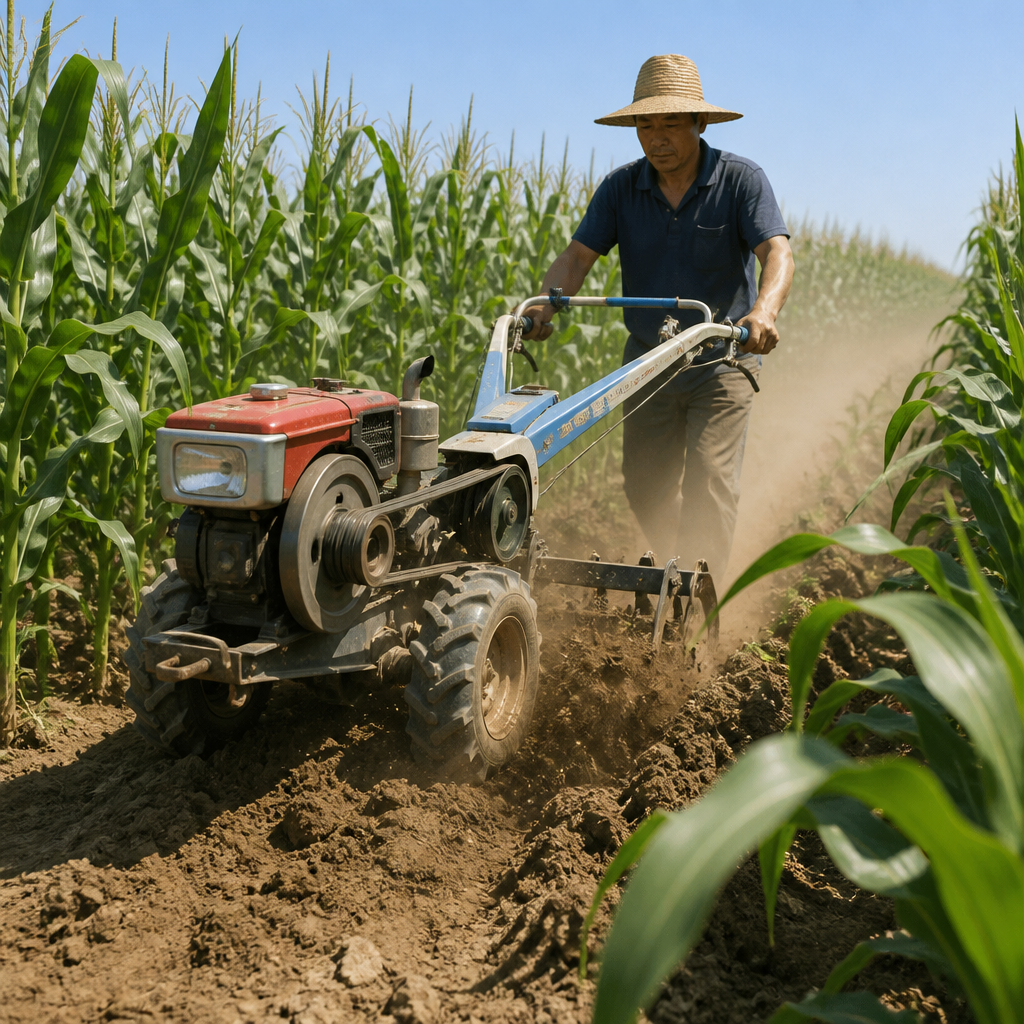
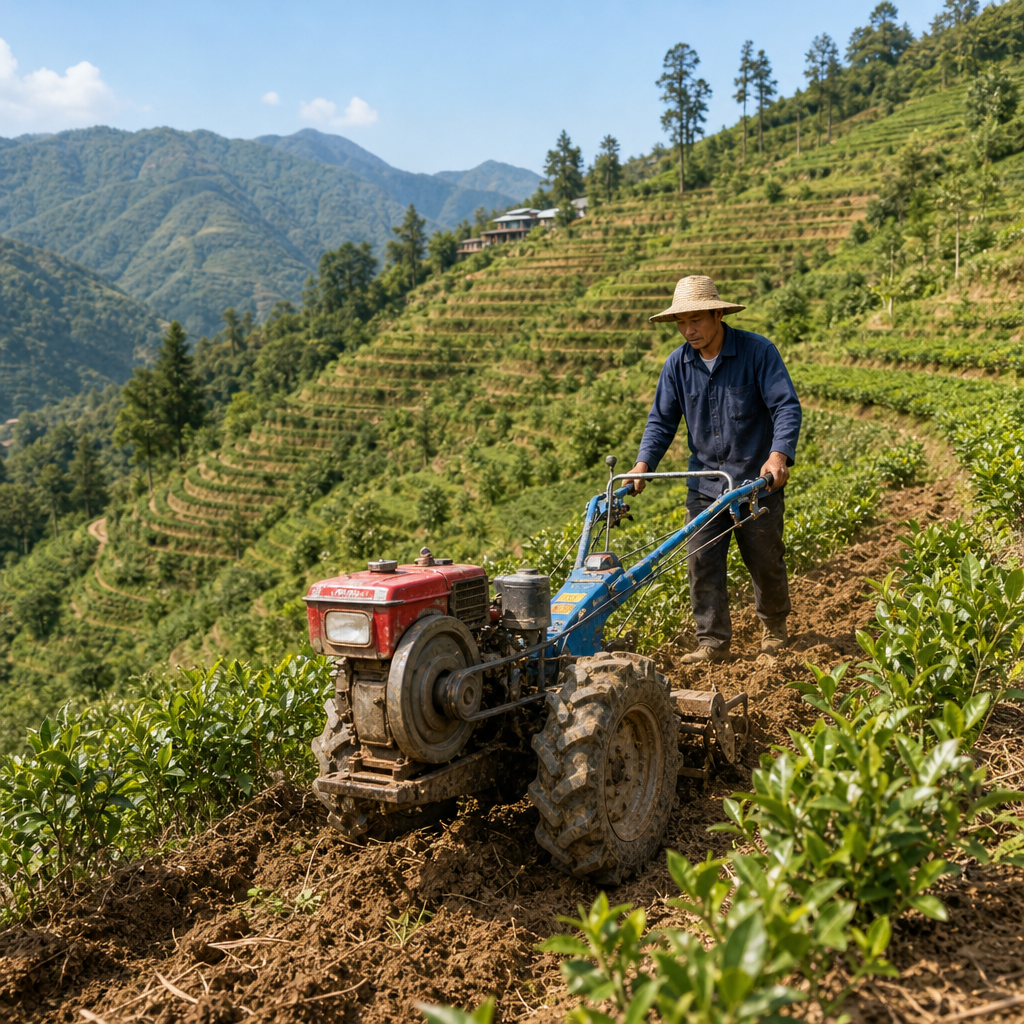
Two wheel walking tractors are versatile agricultural machines designed to assist in various farming tasks, including tillage, seeding, and transport. For B2B buyers such as purchasing managers, distributors, and agricultural engineers, understanding the key features, specifications, and potential issues related to these machines is crucial for making informed purchasing decisions. This article aims to provide practical insights into selecting, purchasing, and evaluating two wheel walking tractors, ensuring that buyers can navigate the complexities of their acquisition.

Wholesale Purchasing Options for Two Wheel Walking Tractors

Wholesale Purchasing Options for Two Wheel Walking Tractors

For bulk buyers, exploring wholesale purchasing options can lead to significant cost savings. Many manufacturers, including Agripros, offer wholesale pricing models that cater to distributors or agricultural cooperatives looking to equip multiple farms or facilities.

When engaging with suppliers, be prepared to discuss your specific requirements, including anticipated volume, preferred specifications, and any customization needs. Understanding the minimum order quantity (MOQ) is essential, as it can vary significantly between manufacturers.

Additionally, consider the logistics of delivery. Inquire about shipping options, lead times, and any associated costs. Some suppliers may offer consolidated shipping for larger orders, which can help reduce overall expenses.

Finally, establish clear communication channels with potential suppliers to ensure that all parties are aligned on expectations, timelines, and product specifications. This will help streamline the purchasing process and foster a productive partnership.

Key Specifications of Two Wheel Walking Tractors for Buyers

Key Specifications of Two Wheel Walking Tractors for Buyers

When evaluating two wheel walking tractors, several key specifications should be closely examined. These include:

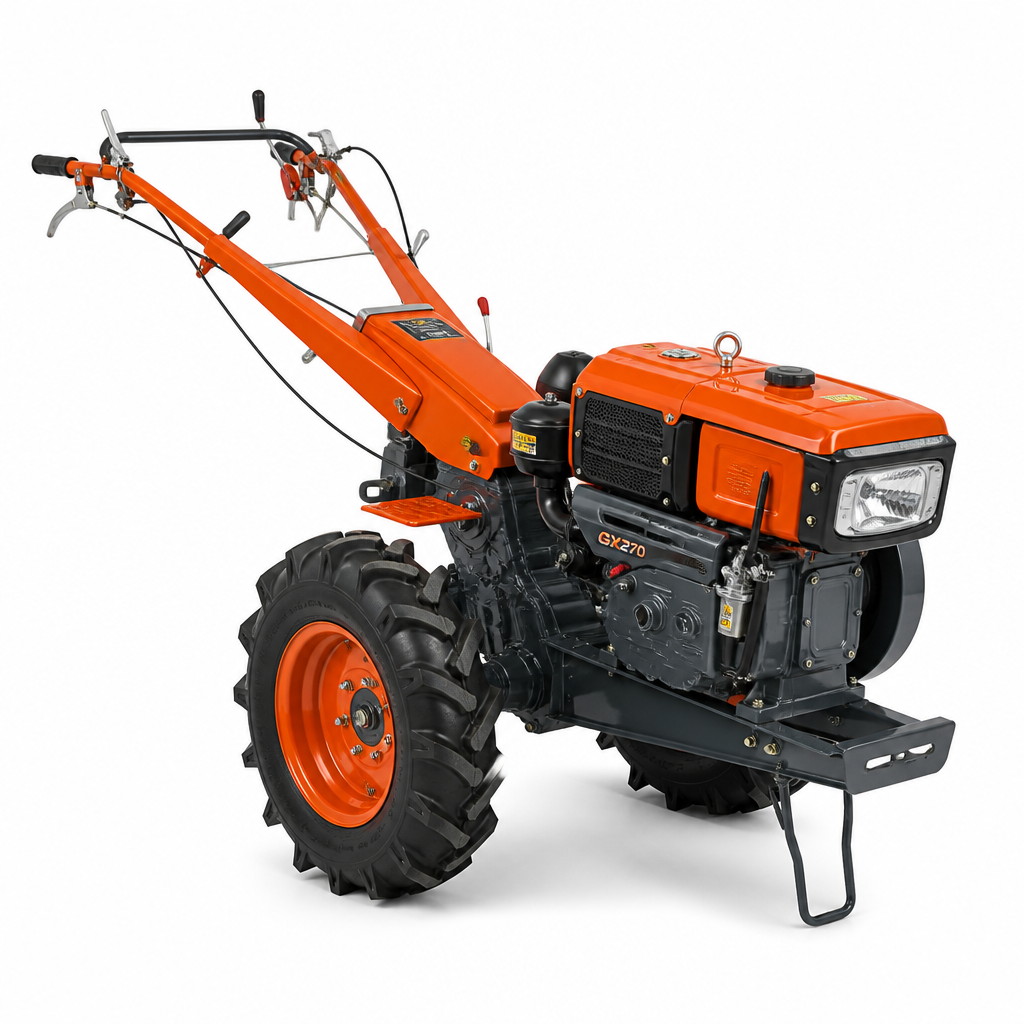
Engine Type: Gasoline or diesel engines offer different power outputs and efficiencies. Diesel engines typically provide higher torque, making them suitable for heavier tasks.Transmission: Look for models with a gear transmission system, which can provide better control over speed and torque. Some tractors may also offer a hydrostatic transmission for smoother operation.Fuel Capacity: A larger fuel tank allows for longer operational periods without refueling, which is particularly beneficial for extensive agricultural tasks.Wheel Size: The size of the wheels can impact traction and stability in various soil conditions. Larger wheels may perform better in uneven terrain.Braking System: Ensure that the model has a reliable braking system, as this is essential for safety, especially when transporting heavy loads.

Understanding these specifications will allow buyers to select a tractor that meets their operational needs effectively.

Evaluating Quality in Two Wheel Walking Tractor Models

Evaluating Quality in Two Wheel Walking Tractor Models

Quality assessment is crucial when investing in two wheel walking tractors. Start by examining the materials used in construction. High-quality steel and reinforced components can significantly enhance durability and longevity, particularly in demanding agricultural environments.

Review the manufacturer's quality control processes. Certifications such as ISO 9001 indicate adherence to international quality standards. A manufacturer with robust quality assurance practices is more likely to deliver reliable products.

Another important aspect is user feedback. Look for reviews and testimonials from other buyers regarding the tractor's performance, ease of use, and maintenance requirements. Engaging with current users can provide valuable insights into any common issues encountered and how effectively they were addressed.

Finally, consider requesting a demonstration or trial period to assess the tractor's performance firsthand. This can help confirm that the model fits your specific operational needs before committing to a purchase.

Common Problems with Two Wheel Walking Tractors and Solutions

Despite their versatility, two wheel walking tractors can encounter specific problems that buyers should be aware of. One common issue is engine performance problems, often caused by fuel quality or maintenance neglect. Regular servicing and using high-quality fuel can mitigate these issues.

Another frequent concern is tire wear and tear. Operating on rough terrain can accelerate this wear. Buyers should consider investing in heavy-duty tires suited for their specific working conditions and regularly inspect them for damage.

Additionally, buyers may face compatibility issues with attachments. It is essential to ensure that any implements purchased are designed to fit the specific model of the walking tractor. Before finalizing any attachment purchase, verify compatibility through specifications or direct consultation with the manufacturer.

Lastly, operational training for staff is crucial to prevent misuse or damage. Providing adequate training can reduce the likelihood of operational errors and extend the equipment's lifespan.

By understanding these common problems and their solutions, buyers can enhance the reliability and efficiency of their two wheel walking tractors, ensuring they remain valuable assets to their agricultural operations.

Factors to Consider When Choosing a Two Wheel Walking Tractor

When selecting a two wheel walking tractor, several critical factors should guide your decision. First, consider the tractor's power output, typically measured in horsepower. This specification directly affects its capability to handle different attachments, such as plows or seeders, and can vary based on the specific needs of your agricultural operations.

Next, evaluate the tractor's weight and dimensions. A heavier tractor may provide better stability for specific tasks but could also be less maneuverable in tight spaces. Additionally, check the ground clearance to ensure compatibility with various soil types and conditions.

Another significant factor is the tractor's compatibility with different attachments. Two wheel walking tractors often feature a universal mounting system, allowing for a range of implements. Assess which attachments are available and whether they suit your operational requirements. For instance, exploring options such as sprayers and fertilizers can enhance your farming efficiency.

Lastly, consider the manufacturer’s reputation and the availability of after-sales support, including maintenance services and spare parts. A reliable support system can greatly reduce downtime and enhance the longevity of your investment.

Get a Free Quote

Our representative will contact you soon.
0/1000