Choosing the Right Disc Plow for Your Farm

application/disc-plow, application/disc-plow, 
Inquiry
Inquiry

disc plow

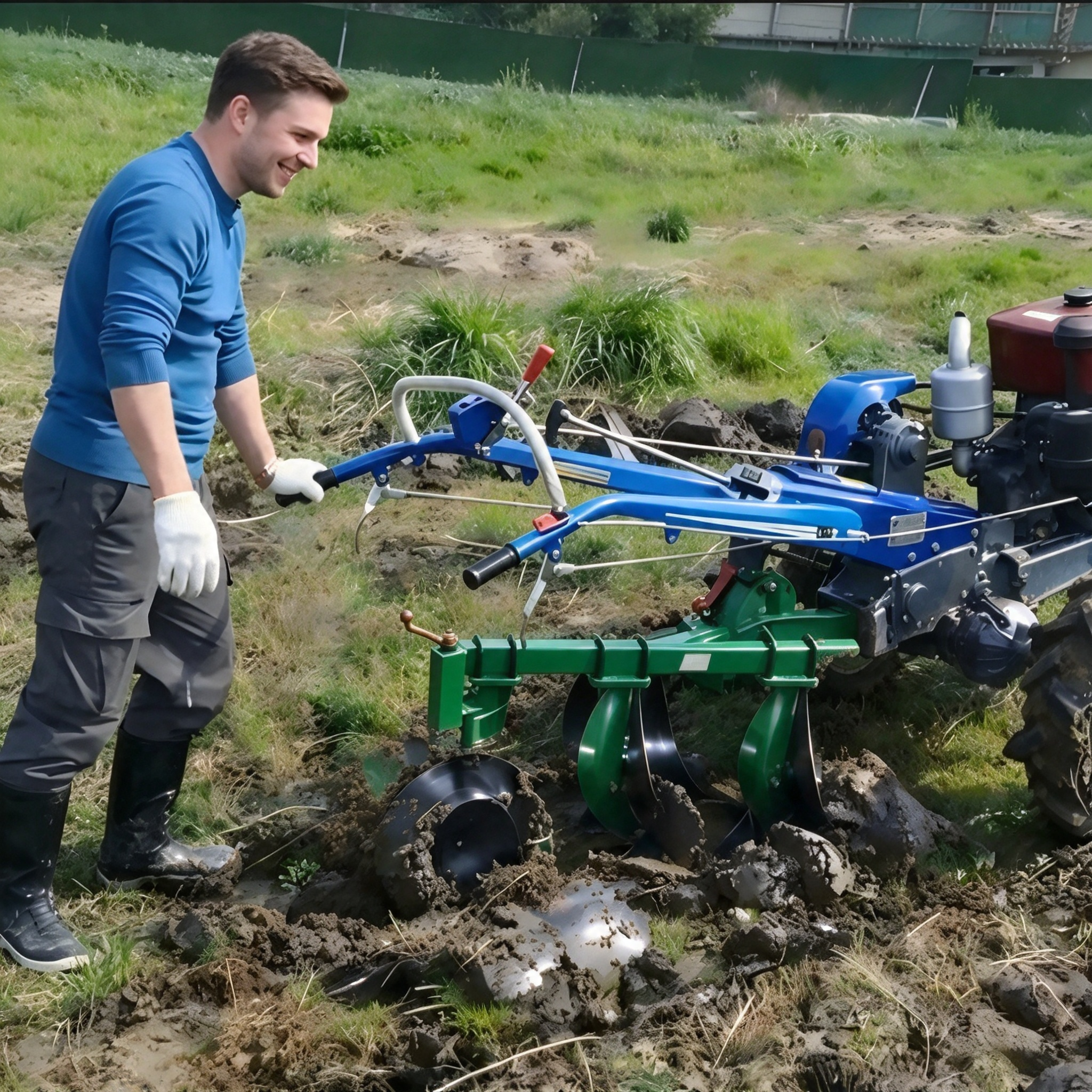
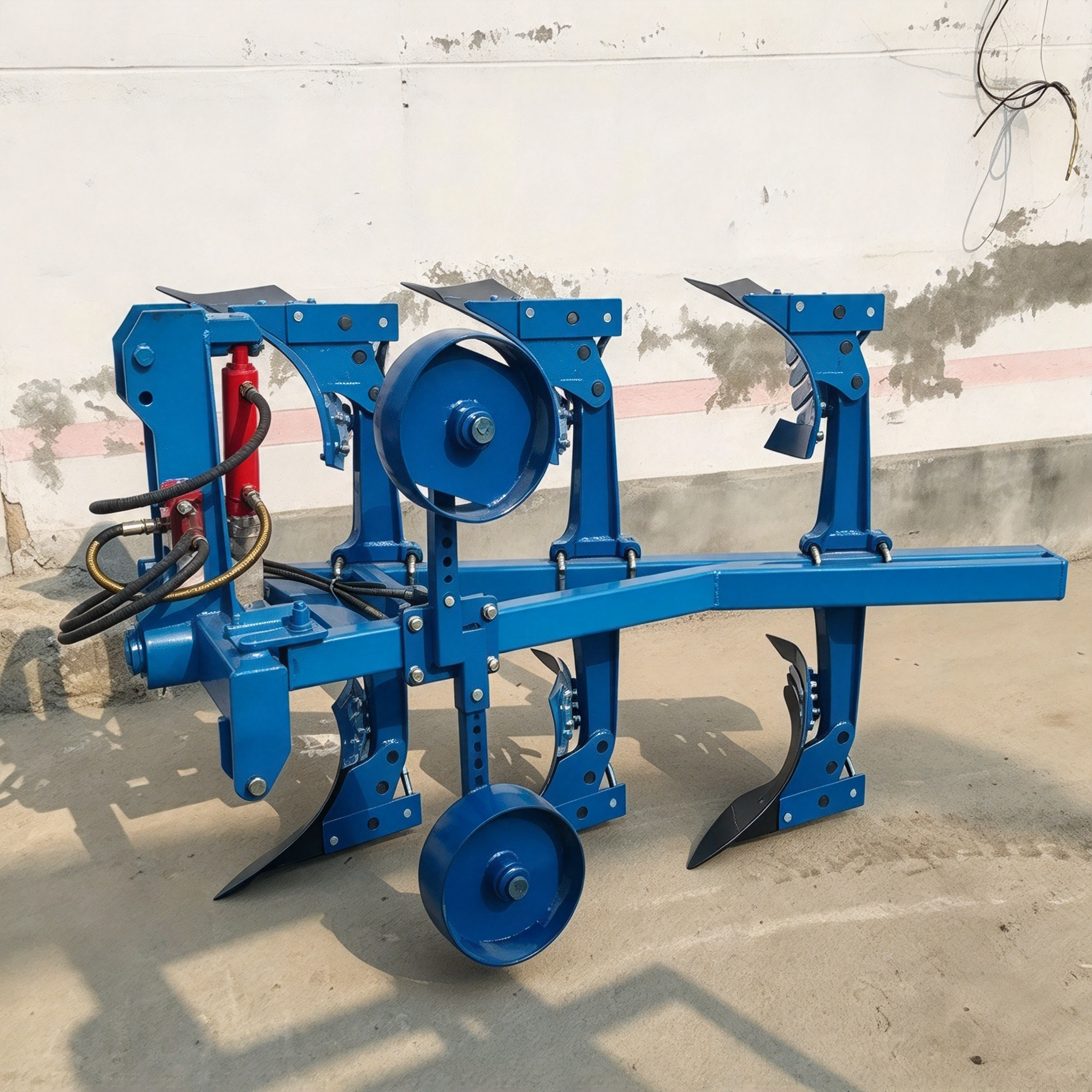
When it comes to agricultural tillage equipment, a disc plow is a critical tool that enhances soil preparation for planting. It is designed to break up and turn over the soil, allowing for improved aeration, weed control, and moisture retention. B2B buyers, including purchasing managers and agricultural engineers, often face concerns related to the performance, durability, and suitability of disc plows for specific farming applications. This guide aims to provide insights into selecting the right disc plow, key specifications to consider, installation and maintenance advice, common issues, and the benefits of premium materials to ensure optimal farming results.

Key Specifications to Consider When Sourcing Disc Plows

Key Specifications to Consider When Sourcing Disc Plows

When sourcing disc plows, several specifications should be evaluated to ensure they meet your operational needs. Here are some critical aspects to consider:

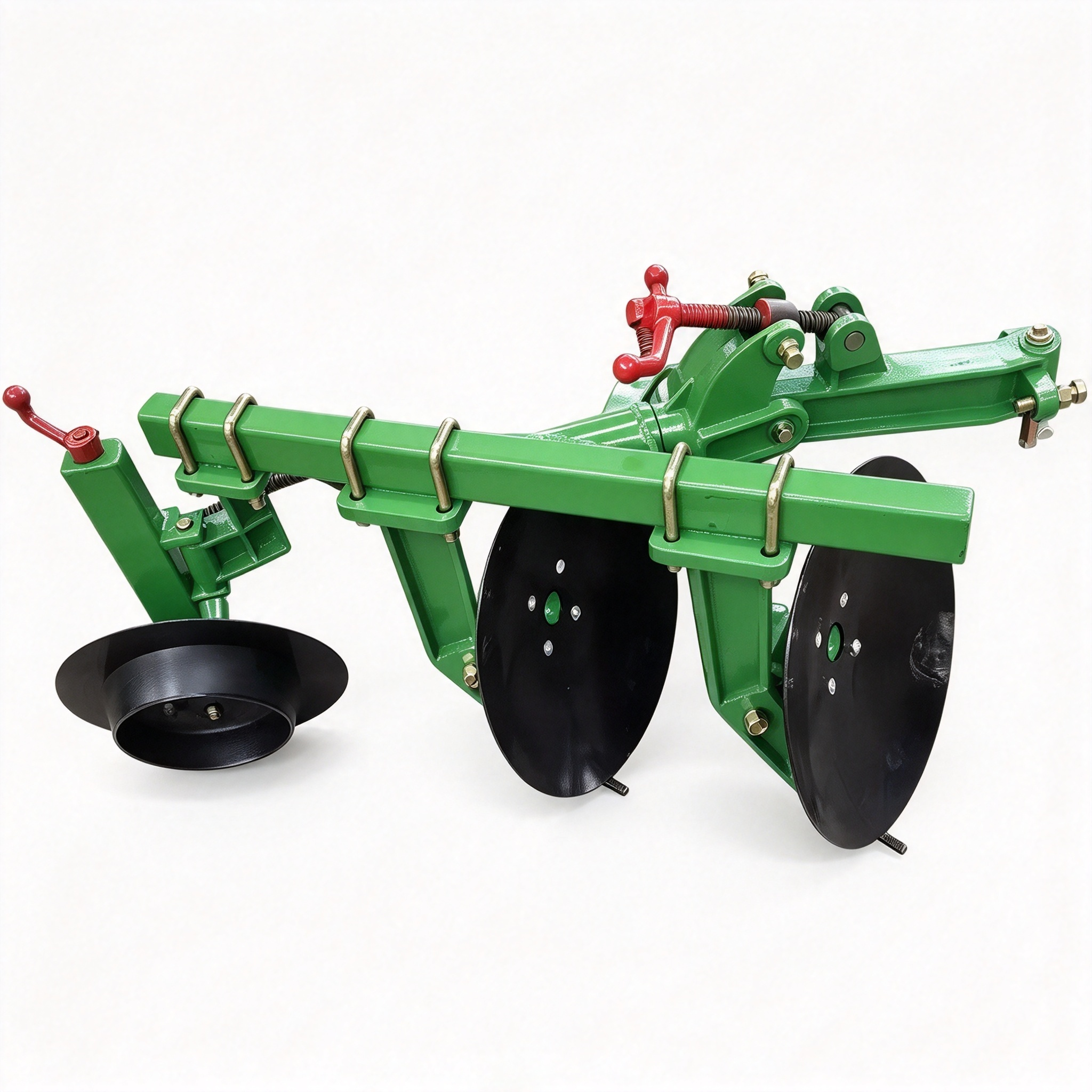
Disc Diameter: A larger disc diameter allows for deeper tillage and is better suited for breaking up compacted soil. Common diameters range from 16 to 24 inches.

Disc Thickness: Thicker discs provide added strength and durability, particularly in tough soil conditions. A standard thickness of 5 to 8 mm is typical for heavy-duty plows.

Frame Construction: The frame should be robust and resistant to bending and deformation under load. Look for plows with high-strength steel frames for better performance.

Weight: The weight of the plow affects its ability to penetrate the soil. Heavier plows are generally more effective in tough conditions, while lighter models may be more maneuverable.

Hitch Type: Compatibility with your tractor's hitch system is essential. Verify whether the plow uses a category 1 or category 2 hitch, as this affects ease of attachment.

Expert Guidance on Installation and Maintenance of Disc Plows

Expert Guidance on Installation and Maintenance of Disc Plows

Proper installation and maintenance of disc plows are essential for ensuring optimal performance and longevity. Here are some best practices:

Installation: Ensure the plow is correctly attached to the tractor and that the hitch is secure. Check the alignment of the discs to ensure they are parallel to the ground for uniform tillage depth.

Regular Inspections: Periodically inspect the plow for wear and tear. Check the discs for chips, cracks, or excessive wear that may affect performance. Replace worn discs promptly to maintain efficiency.

Lubrication: Regularly lubricate moving parts, such as bearings and hitch points, to prevent wear and ensure smooth operation. This simple maintenance step can significantly extend the life of your equipment.

Storage: Store the disc plow in a dry place to prevent rust and corrosion. Covering the plow can also protect it from environmental elements when not in use.

Seasonal Checks: Before the planting season, perform a thorough check of the plow, including adjustments to the depth settings and alignment, to ensure optimal performance when you start tilling. Additionally, consider integrating Irrigation Systems for a comprehensive approach to crop management.

Common Problems with Disc Plows and Effective Solutions

Common Problems with Disc Plows and Effective Solutions

Despite their robustness, disc plows can encounter several common issues that may impact performance. Here are some problems and how to address them:

Soil Buildup on Discs: This can occur when working in wet or sticky soil conditions. To mitigate this, consider using disc plows with a special coating that prevents soil adhesion or adjust the angle of the discs for better soil shedding.

Inconsistent Tillage Depth: This may result from improper depth settings or uneven weight distribution. Regularly check and adjust the depth settings, and ensure that the plow is balanced during operation.

Worn Discs: Over time, discs can become worn, leading to less effective tillage. Regular inspections and timely replacements are crucial. Keep spare discs on hand to minimize downtime during the planting season.

Misalignment: If the plow is not aligned correctly, it can cause uneven tillage and increased wear. Regularly check the alignment and adjust as necessary to maintain uniform performance.

Understanding the Material Advantages of Premium Disc Plows

Investing in premium disc plows made from high-quality materials offers several advantages that can significantly impact farming efficiency:

Durability: High-grade steel discs and frames are more resistant to wear and deformation under load, ensuring a longer lifespan even in challenging working conditions.

Corrosion Resistance: Premium materials often come with protective coatings that enhance corrosion resistance, reducing maintenance needs and prolonging the plow's usability.

Efficiency: Quality materials contribute to better performance in soil penetration and tillage effectiveness, leading to improved crop yields.

Cost-Effectiveness: While premium disc plows may have a higher initial cost, their durability and reduced maintenance requirements can lead to lower total ownership costs over time.

By carefully considering these factors and specifications, agricultural buyers can make informed decisions when selecting a disc plow, ultimately enhancing their farming operations and productivity.

How to Choose the Right Disc Plow for Your Agricultural Needs

Selecting the right disc plow involves understanding your specific agricultural requirements, including the type of soil, the size of the field, and the crops you intend to cultivate. Key factors to consider include:

Soil Type: Different soils require different plow configurations. For instance, heavy clay soils may necessitate a more robust disc plow with heavier discs, while sandy soils may work well with lighter models.

Disc Configuration: Disc plows come in various configurations, such as single or multiple discs. Multiple-disc plows can cover more ground and are often more effective for larger fields.

Working Width: The plow's working width should align with your tractor's horsepower and the field size to maximize efficiency. Wider plows can reduce the number of passes needed, saving time and fuel.

Depth Adjustment: Look for disc plows with adjustable depth settings. This feature allows you to tailor the plowing process to different crop needs and soil conditions.

Material and Construction: Investing in a well-constructed plow made from high-quality materials ensures durability and longevity, which are crucial for frequent use in diverse conditions. For those interested in enhancing their soil treatment capabilities, exploring Cultivators & Tillers might also be beneficial.

Get a Free Quote

Our representative will contact you soon.
0/1000