Key Considerations for Choosing a Disk Plow

application/disk-plow, application/disk-plow, 
Inquiry
Inquiry

disk plow

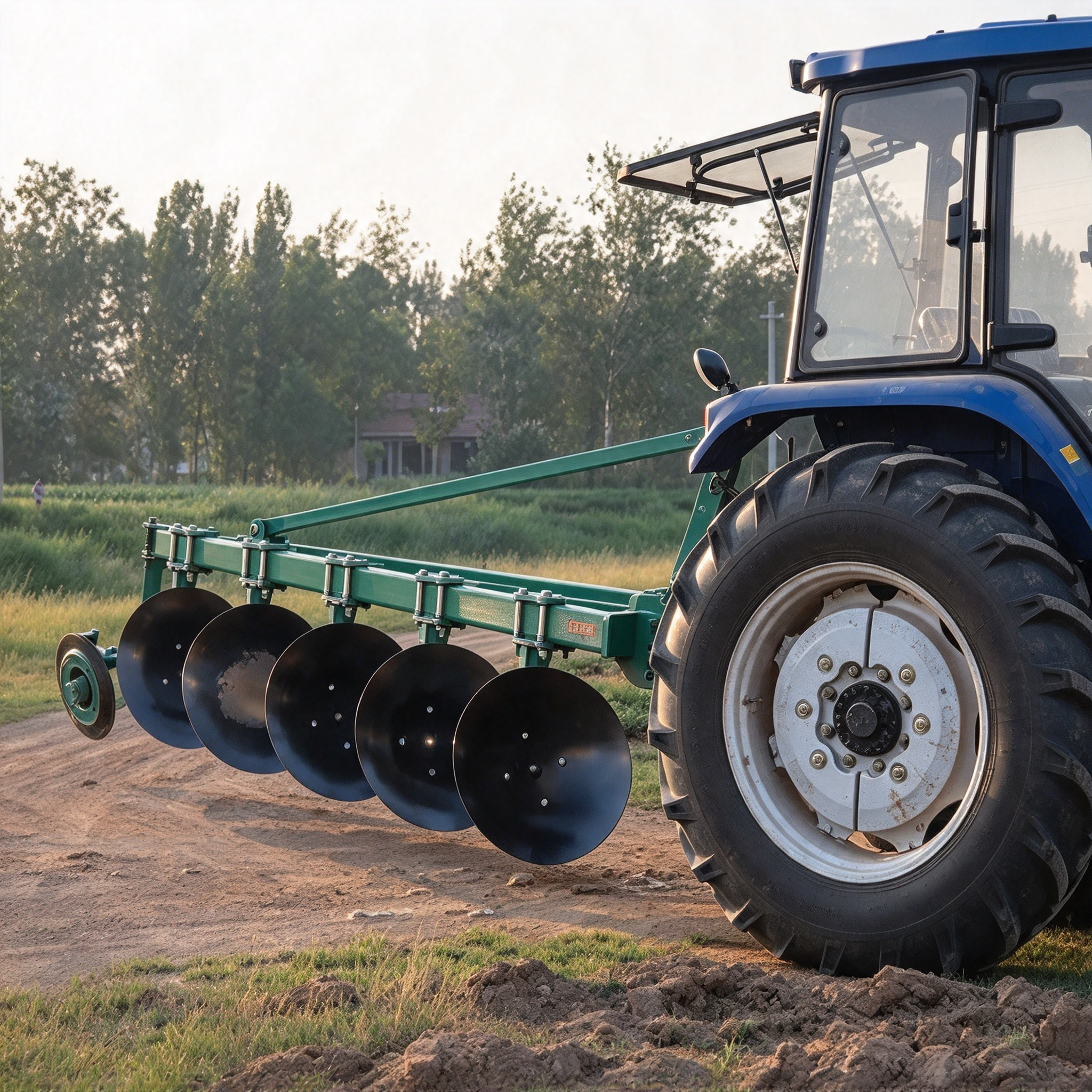
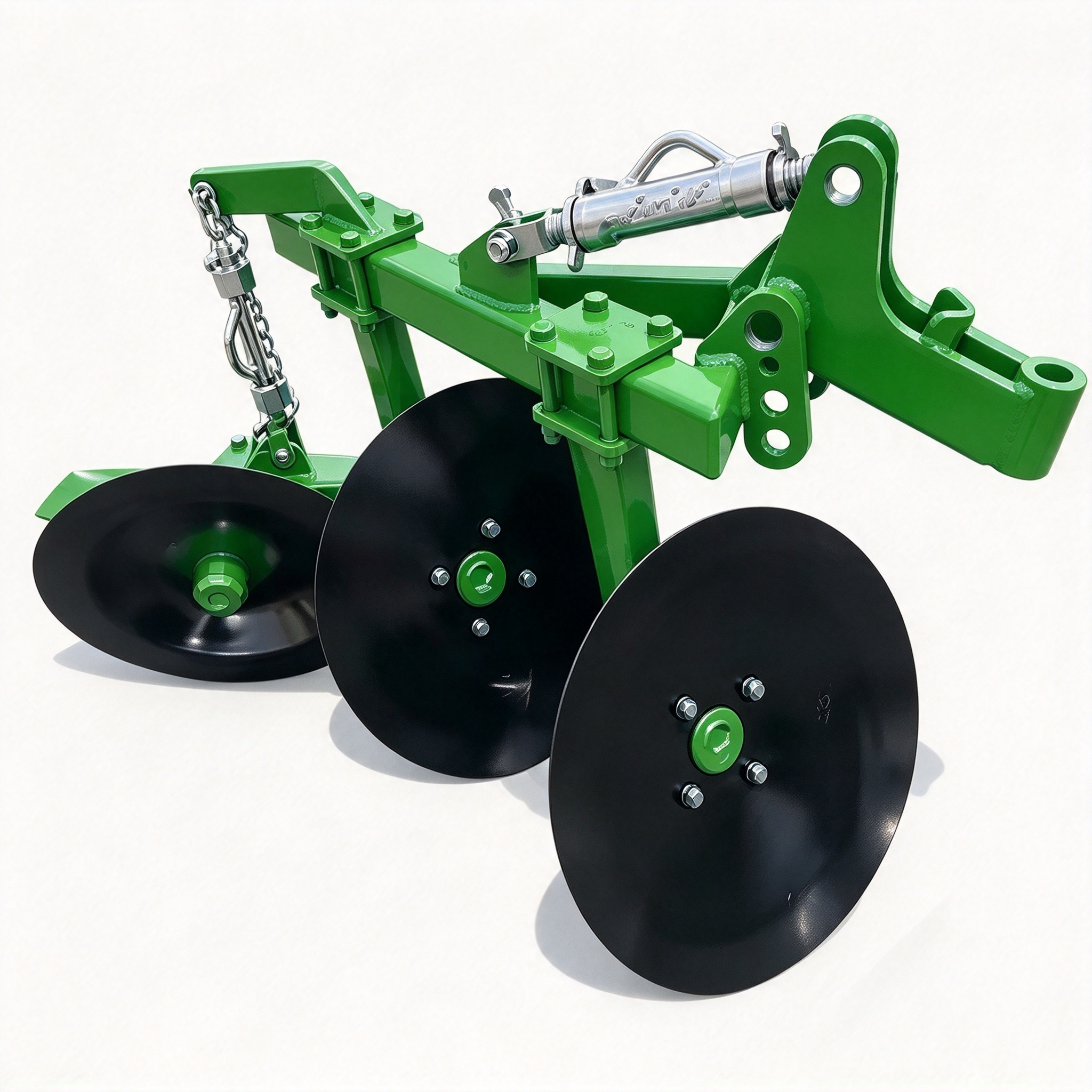
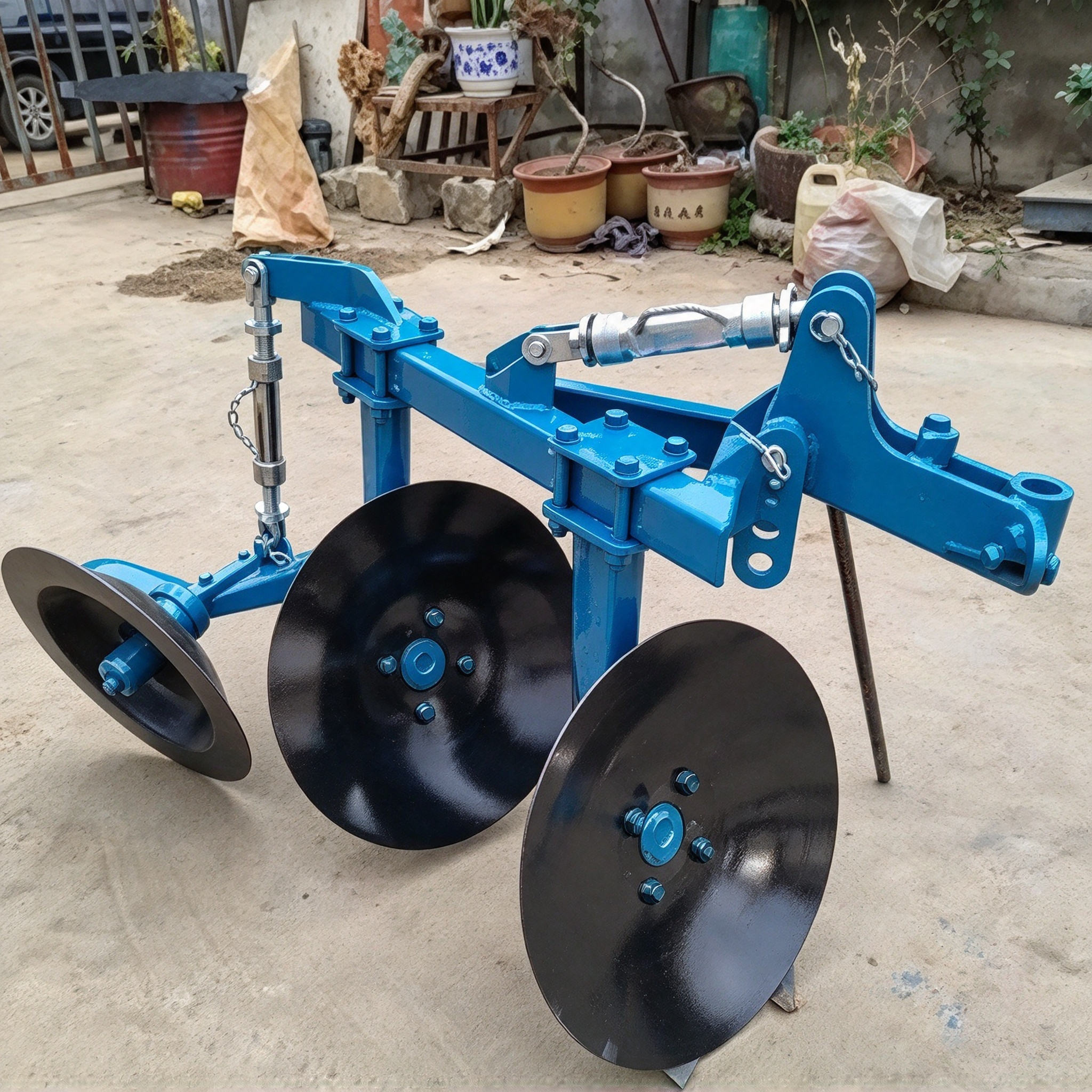
Choosing the right disk plow is crucial for optimizing tillage operations in agricultural settings. As an essential tool for soil preparation, a disk plow can significantly impact crop yield and overall farming efficiency. This article will address key considerations for selecting a disk plow, cost factors for wholesale purchases, common issues and solutions, quality control standards, and the various applications of disk plows. By understanding these aspects, purchasing managers and agricultural professionals can make informed decisions tailored to their operational needs.

Cost Factors to Consider for Purchasing Disk Plows Wholesale

Cost Factors to Consider for Purchasing Disk Plows Wholesale

When considering a wholesale purchase of disk plows, several cost factors come into play that can affect your budgeting and overall investment.

Initial Purchase Price: The base price of the disk plow will vary depending on the manufacturer, specifications, and features. Buyers should compare multiple suppliers to ensure competitive pricing and value for money.

Shipping and Handling Costs: For international buyers, shipping costs can significantly impact the total investment. Understanding the logistics involved, including freight costs, insurance, and potential tariffs, is crucial.

Bulk Purchase Discounts: Many manufacturers offer discounts for bulk orders. Buyers should inquire about minimum order quantities (MOQ) and the price breaks that apply at different volume levels.

Maintenance and Replacement Parts: It's essential to consider ongoing costs associated with the disk plow, such as maintenance and replacement parts. Choosing models with readily available parts can reduce downtime and repair expenses. For instance, investing in Sprayer & Fertilizer equipment may also help streamline overall farm operations.

Financing Options: Some suppliers may offer financing solutions that can ease the upfront cost burden. Exploring these options can help in planning the cash flow for agricultural operations.

By evaluating these cost factors, purchasing managers can make strategic decisions that align with their budget and operational goals.

Common Problems with Disk Plows and Effective Solutions

Common Problems with Disk Plows and Effective Solutions

Disk plows, while effective, can encounter several common issues that may hinder their performance. Understanding these problems and their solutions can help maintain optimal operation.

Soil Compaction: Over time, repeated use of a disk plow can lead to soil compaction, which negatively affects crop growth. To mitigate this, buyers should ensure their equipment is suited to the terrain and consider alternating plowing methods.

Wear and Tear: The cutting edges of disks can wear down, leading to decreased performance. Regular inspection and timely replacement of worn components can help maintain efficiency.

Clogging: In heavy or wet soils, disk plows may experience clogging. To address this, operators should adjust the depth settings or consider using specially designed disks that reduce soil adhesion.

Improper Alignment: Misalignment of the disk plow can lead to uneven tillage. Regular calibration and adjustment of the plow’s settings can ensure consistent results.

Lack of Maintenance: Neglecting regular maintenance can lead to more significant problems over time. Establishing a routine maintenance schedule can help identify issues early and prolong the lifespan of the equipment.

By proactively addressing these challenges, agricultural operators can ensure their disk plows operate efficiently and effectively throughout the planting season.

Key Quality Control Standards for Disk Plow Manufacturing

Key Quality Control Standards for Disk Plow Manufacturing

Quality control in the manufacturing of disk plows is vital to ensure durability and performance. Buyers should be aware of the following key standards and practices:

Material Certification: Manufacturers should source high-quality materials that meet industry standards. Certifications such as ISO 9001 can be an indicator of a manufacturer’s commitment to quality.

Production Process Oversight: A robust quality assurance process during production is crucial. This includes regular inspections at various stages of manufacturing to catch defects early.

Testing and Performance Evaluation: Before reaching the market, disk plows should undergo rigorous testing to evaluate performance under various conditions. Buyers should inquire about these tests to understand how the product will perform in their specific environment.

Customer Feedback Integration: Manufacturers who actively seek and integrate customer feedback into their product development process are more likely to produce equipment that meets end-user needs effectively.

Compliance with Agricultural Standards: Ensuring that disk plows comply with relevant agricultural standards can provide buyers with confidence in their purchase. This may include environmental and safety regulations.

By understanding these quality control standards, buyers can better assess potential suppliers and their products, ensuring they invest in reliable and effective equipment.

Applications of Disk Plows in Various Agricultural Settings

Disk plows are versatile tools used in a range of agricultural settings. Their effectiveness can vary based on the application, and here are some common uses:

Primary Tillage: Disk plows are primarily used for breaking up and turning over the soil to prepare it for planting. This process is essential for aerating the soil and incorporating organic matter.

Weed Control: In addition to preparing the soil, disk plows can help control weeds by effectively tilling the surface and disrupting weed growth before planting.

Seedbed Preparation: A well-prepared seedbed is crucial for the success of crops. Disk plows can create an ideal environment for seed germination by leveling and loosening the soil.

Cover Crop Incorporation: Farmers often use disk plows to incorporate cover crops into the soil, promoting nutrient cycling and improving soil health.

Crop Residue Management: Disk plows can efficiently manage crop residues post-harvest, breaking down leftover material and promoting soil health for future planting seasons.

Understanding the various applications of disk plows allows buyers to choose models that best suit their specific agricultural practices and goals. Additionally, exploring Irrigation Systems can further enhance agricultural productivity.

By considering these aspects of disk plow selection, purchasing managers can ensure they make informed decisions that enhance their agricultural operations, ultimately leading to improved productivity and sustainability.

What to Consider When Choosing a Disk Plow for Your Operations

When selecting a disk plow, several factors should be at the forefront of your decision-making process. The type of soil in your fields, the depth of tillage required, and the specific crops being cultivated all influence the choice of disk plow.

Soil Type and Condition: Different soils require different plowing techniques. For instance, heavy clay soils may need a disk plow with a larger diameter to penetrate more effectively. Conversely, sandy soils may benefit from a lighter, more agile plow.

Plow Design and Configuration: Disk plows come in various configurations, such as single or double gang designs. A double gang design, for example, may provide better soil turnover and mixing, which is beneficial for seedbed preparation.

Width and Weight: The width of the disk plow affects the operational efficiency, as wider models cover more ground in a single pass. However, this must be balanced with the tractor's horsepower to ensure proper operation without causing soil compaction.

Durability and Construction Materials: The materials used in disk plow construction can greatly influence longevity. High-quality steel with appropriate hardness and resistance to wear ensures that the plow can withstand harsh field conditions.

Buyers should conduct a thorough assessment of these factors to ensure the selected disk plow aligns with their operational requirements and enhances productivity. Additionally, considering Cultivators & Tillers can provide complementary benefits for soil preparation and crop management.

Frequently Asked Questions

What is the disk plow used for?

A disk plow cuts and turns soil, breaks crop residue, and prepares seedbeds for planting on a range of soil types and field conditions.
Tractor requirements vary by model; typical disk plows suit tractors from 40 to 150+ HP. Contact us with field size and model needs for exact compatibility.
Our disk plows are manufactured under CE and ISO 9001 standards, ensuring consistent quality, safety, and reliable performance.
We provide lifecycle-based support, recommended maintenance guides, and access to genuine spare parts to maximize uptime and longevity.
Yes. We offer tailored configurations and adjustments for blade size, frame width, and mounting options to suit crop types, soil conditions, and regional needs.

Get a Free Quote

Our representative will contact you soon.
0/1000