Farm Machinery Equipment: Key Factors and Solutions

application/farm-machinery-equipment, application/farm-machinery-equipment, 
Inquiry
Inquiry

farm machinery equipment

Agricultural machinery plays a crucial role in optimizing farming operations, enhancing productivity, and ensuring efficient resource management. As a B2B buyer, understanding the complexities of farm machinery equipment—from selection to installation—can significantly impact your purchasing decisions. This article will address key factors to consider when sourcing agricultural machinery, highlight how to find reliable suppliers, analyze cost considerations for bulk orders, discuss common equipment problems, and provide installation guidelines to ensure optimal use.

Where to Find Reliable Suppliers of Farm Machinery Equipmen

Where to Find Reliable Suppliers of Farm Machinery Equipmen

Identifying reliable suppliers is critical for B2B buyers. Here are several strategies to find trustworthy manufacturers:

Industry Associations and Trade Shows: Participating in agricultural trade shows and industry associations provides opportunities to meet suppliers face-to-face, examine their machinery, and assess their reputation within the industry.

Online Marketplaces and Directories: Websites that specialize in agricultural equipment can be useful for comparing various suppliers and their offerings. Look for platforms that provide customer reviews and ratings, which can help gauge the reliability of a supplier.

Referrals and Recommendations: Networking with fellow agricultural professionals can yield valuable insights into reputable suppliers. Referrals often come with firsthand experiences that can guide your decision-making process.

Supplier Audits and Quality Checks: Before finalizing a supplier, consider visiting their manufacturing facility to assess their production processes, quality control measures, and overall operations. This firsthand observation can provide confidence in their capabilities.

Cost Considerations for Bulk Orders of Agricultural Machinery

Cost Considerations for Bulk Orders of Agricultural Machinery

Understanding the cost structure associated with bulk orders of agricultural machinery is essential for effective budgeting. Key considerations include:

Price Breaks and Discounts: Many suppliers offer discounts for bulk orders, which can significantly reduce the overall cost per unit. Inquire about the minimum order quantity (MOQ) required to qualify for these discounts.

Shipping and Handling Costs: When ordering large quantities, shipping costs can add up. Assess whether the supplier includes these costs in their pricing or if they are additional. Understanding the total landed cost is crucial for accurate budgeting.

Maintenance and Operating Costs: Beyond the initial purchase price, consider the long-term operational costs associated with the machinery. This includes fuel consumption, maintenance needs, and potential repair costs. A more expensive, durable machine may ultimately be more cost-effective than a cheaper, less reliable option.

Financing Options: Some manufacturers provide financing solutions, which can ease the financial burden of a bulk purchase. Understanding the terms and conditions of financing, including interest rates and payment schedules, is important for long-term planning.

Common Problems with Farm Equipment and Effective Solutions

Common Problems with Farm Equipment and Effective Solutions

Farm machinery can encounter various issues that affect performance and efficiency. Some common problems include:

Mechanical Failures: Regular wear and tear can lead to mechanical failures, which can halt operations. To mitigate this risk, implement a routine maintenance schedule that includes lubrication, inspections, and timely replacement of worn parts.

Compatibility Issues: When introducing new machinery, ensure compatibility with existing equipment. For example, attachments must match the specifications of the harvester or tractor. Always verify compatibility before making a purchase.

Operational Mistakes: Incorrect operation of machinery can lead to damage and inefficiency. Providing thorough training for operators on the proper use and maintenance of the equipment can help reduce these risks.

Quality Assurance: Implementing a quality control process before accepting delivery of machinery can prevent issues related to defects or non-compliance with specifications. Inspect equipment for any visible damages and test operational functionality.

Installation Guidelines for Optimal Use of Agricultural Machinery

Proper installation is key to maximizing the performance and lifespan of farm machinery. Here are some essential guidelines:

Follow Manufacturer Instructions: Always adhere to the installation instructions provided by the manufacturer. This ensures that the equipment is set up correctly and operates as intended.

Site Preparation: Ensure that the installation site is adequately prepared. This includes leveling the ground, ensuring proper drainage, and having the necessary utilities available, such as power sources for electrically operated machinery.

Calibration and Testing: After installation, calibrate the machinery according to the manufacturer's specifications. Conduct trial runs to ensure that the equipment operates smoothly before deploying it for full-scale operations.

Training for Operators: Provide operators with comprehensive training on the new equipment. Understanding the functionalities, safety protocols, and maintenance needs will enhance operational efficiency and safety on the farm.

By understanding these critical factors, B2B buyers can make informed decisions when selecting farm machinery equipment that meets their needs. Agripros, with its extensive experience in designing and supplying agricultural machinery for diverse applications, stands ready to assist you in finding tailored solutions that enhance your agricultural operations.

Key Factors

When sourcing farm machinery equipment, several key factors must be considered to ensure the selected machinery meets your operational needs.

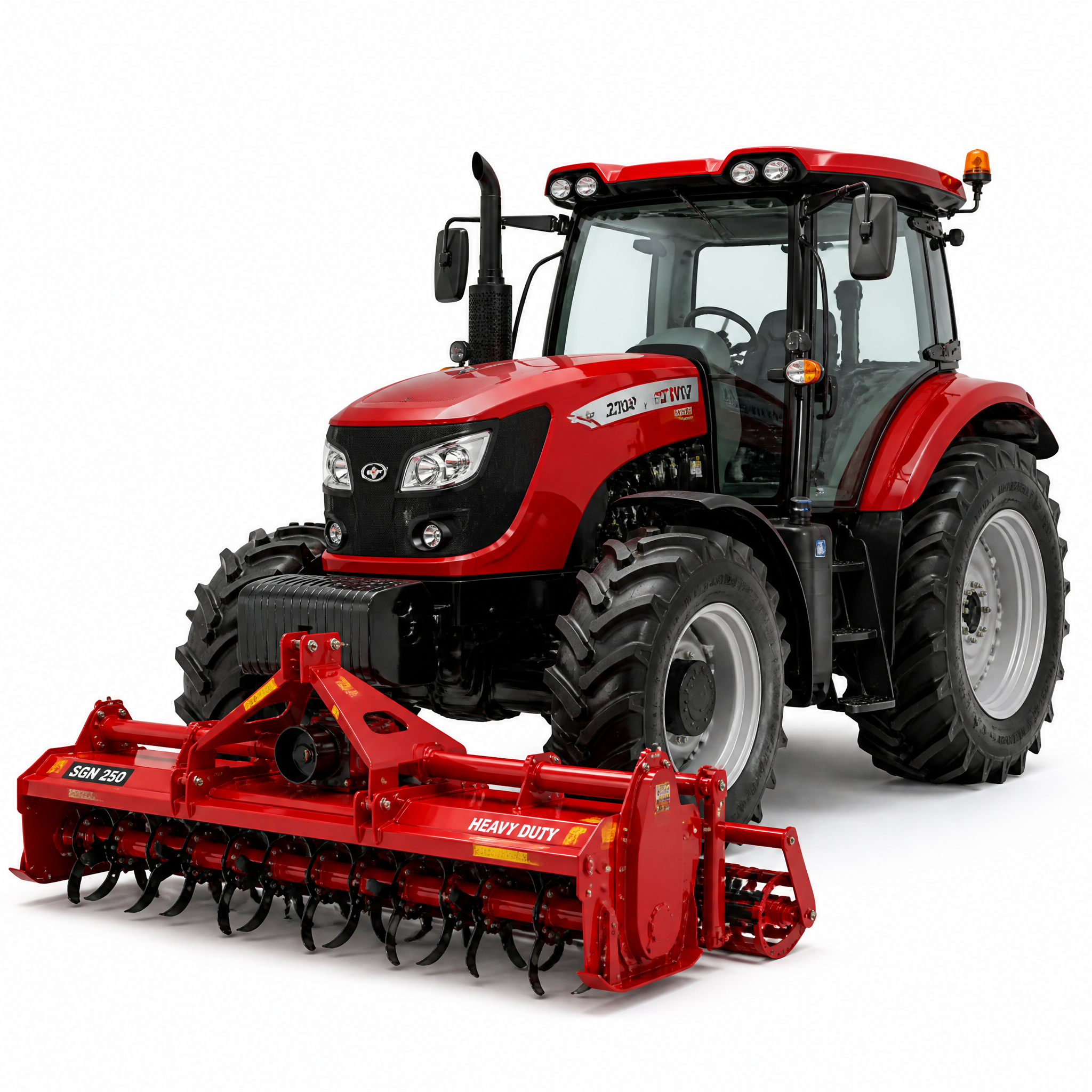
Specifications and Performance: Evaluate the specifications of the machinery, including power output, working width, and operating speed. These factors affect the efficiency and effectiveness of your farming operations. For instance, the horsepower of a tractor should match the size of the implements it will be used with to avoid underperformance or equipment damage.

Material Quality and Durability: The materials used in the construction of farm machinery significantly influence its lifespan and performance. Equipment made from high-strength steel, for example, offers better resistance to wear and tear compared to lower-grade materials. Buyers should inquire about the material specifications to ensure they can withstand the specific environmental conditions and workloads expected on their farms.

Customization Capabilities: Different farms have unique requirements based on their crop types and operational practices. Look for suppliers that offer customization options for their equipment—such as adjustable widths or interchangeable parts—to better suit your specific needs. For example, cultivators and tillers can often be customized to cater to different soil types and crop requirements.

Manufacturer Certifications: Ensure that the manufacturer holds relevant certifications, such as CE and ISO 9001, which indicate adherence to quality and safety standards. This is essential to guarantee that the machinery operates efficiently and complies with industry regulations.

Get a Free Quote

Our representative will contact you soon.
0/1000