Key Specifications for Sourcing Farm Tools

application/farm-tools-and-equipment, application/farm-tools-and-equipment, 
Inquiry
Inquiry

farm tools and equipment

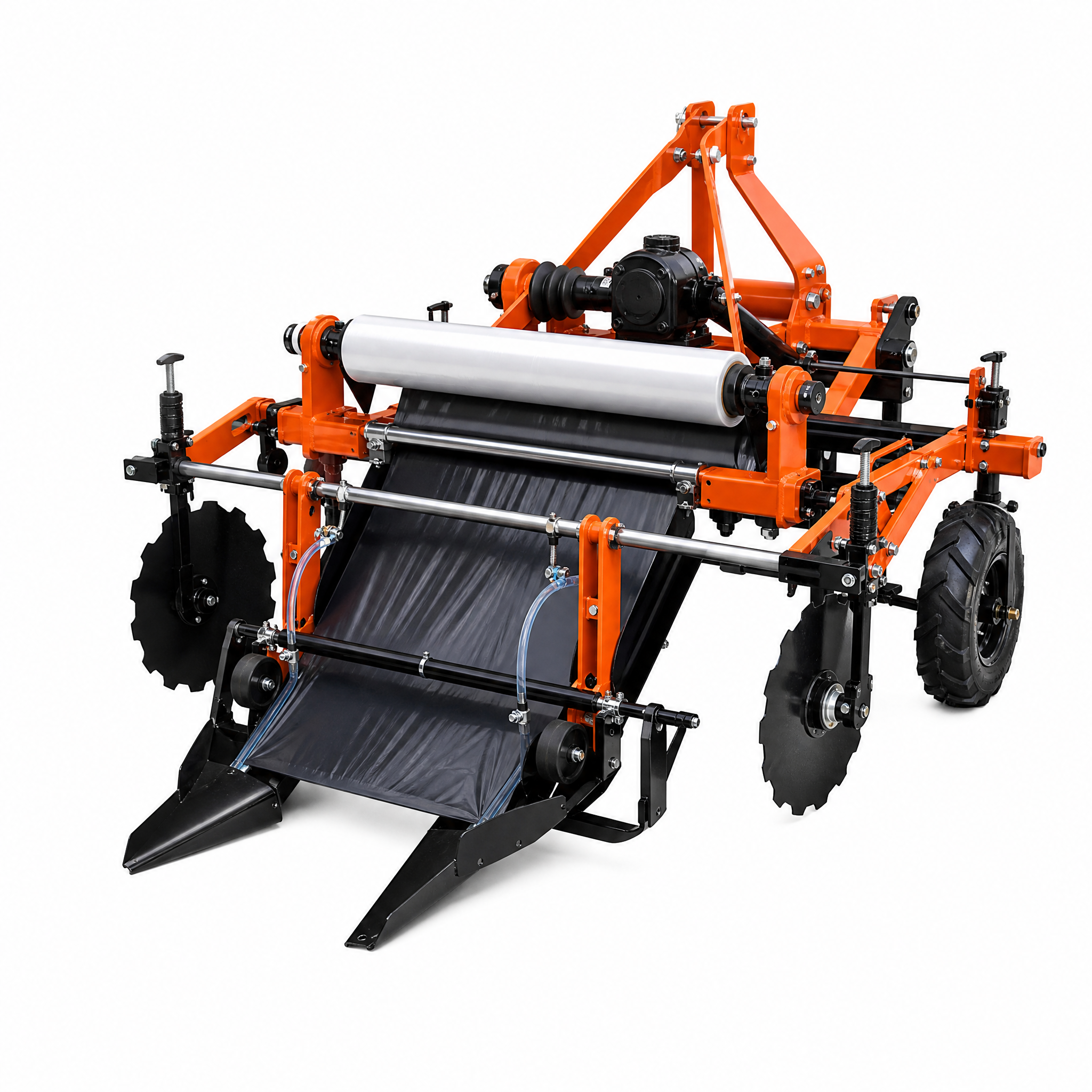
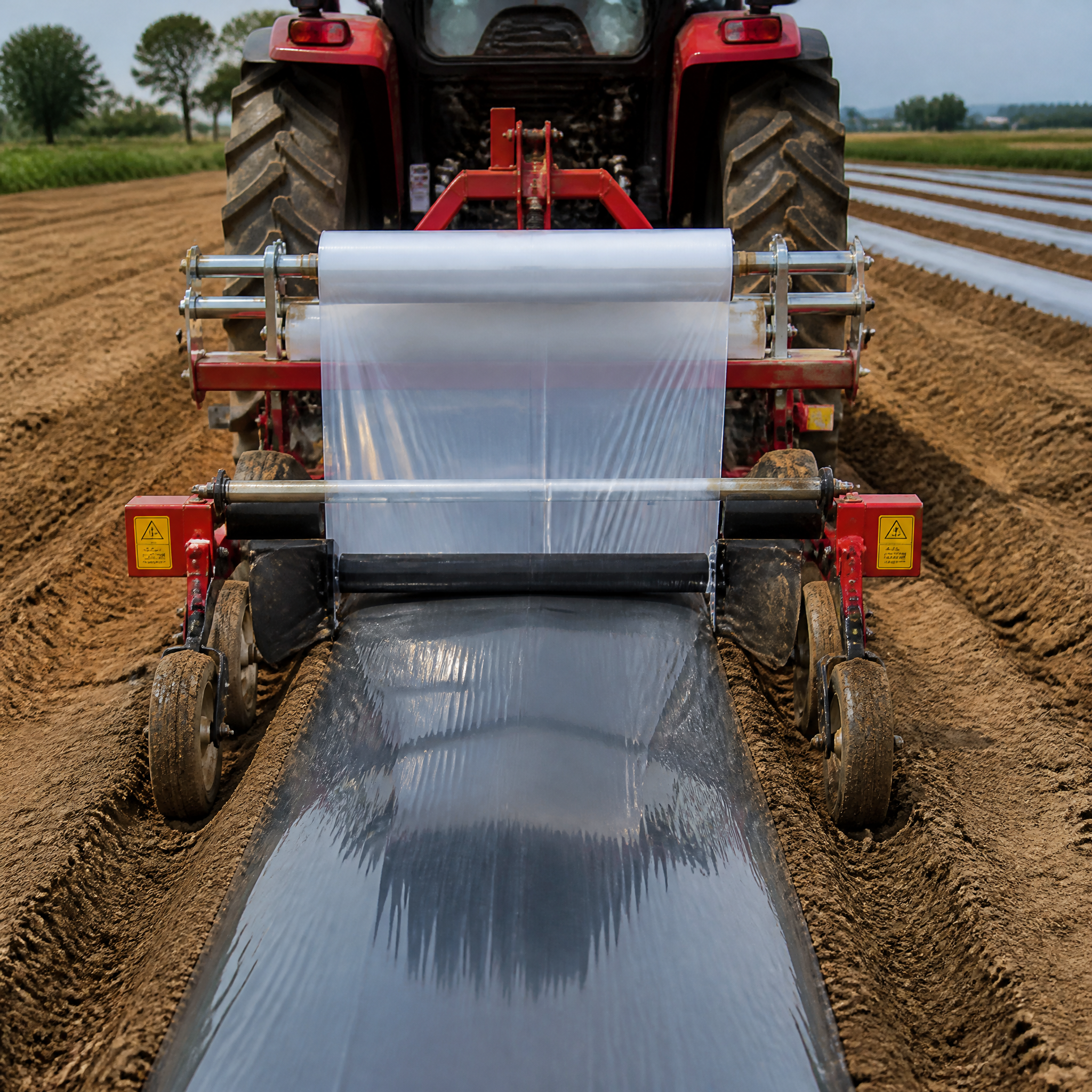
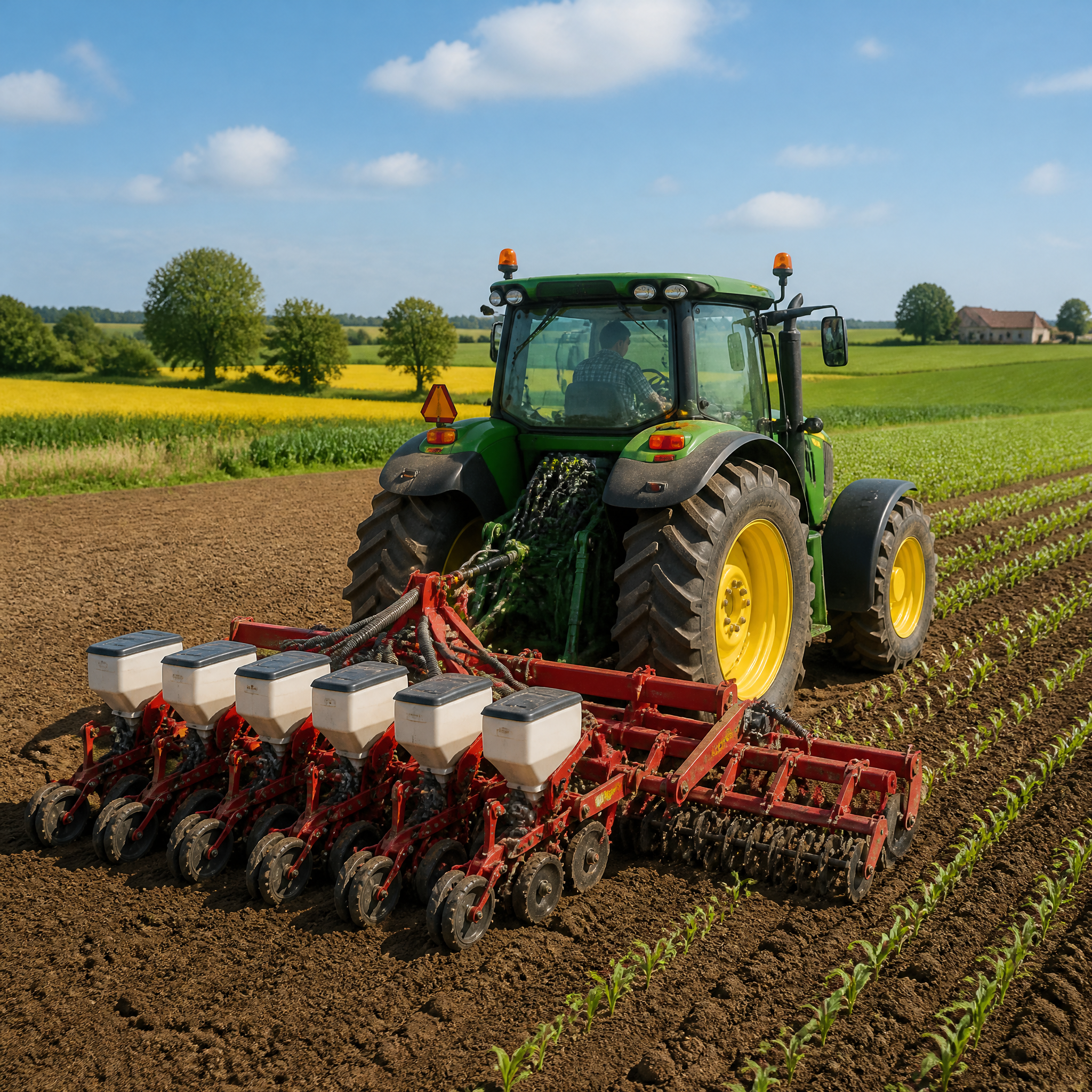
When sourcing farm tools and equipment, it's essential to consider a variety of specifications to ensure the right fit for your agricultural needs. The selection process involves understanding the capabilities of the machinery, the materials used, and how they align with the specific requirements of your farming operations. This article will help purchasing managers, distributors, and engineers navigate the complexities of choosing agricultural tools, focusing on key specifications, cost factors, common problems, modern applications, and quality control standards.

Understanding Cost Factors in Bulk Orders of Agricultural Tools

Understanding Cost Factors in Bulk Orders of Agricultural Tools

When placing bulk orders for agricultural tools and equipment, several cost factors should be considered to ensure the best value for your investment:

Unit Price: Often, purchasing in bulk can reduce the per-unit cost. However, it's crucial to assess the quality of the products and ensure that lower prices do not compromise performance.

Shipping Costs: Bulk orders may incur higher shipping fees, especially if the order requires special handling or is shipped internationally. It's essential to factor in these costs when evaluating the total purchase price.

Volume Discounts: Many suppliers offer discounts for larger orders. Understanding the minimum order quantities (MOQ) required for these discounts can help you plan your purchases more effectively.

Lead Time: The production and delivery timelines can affect costs, especially if you require tools for a specific planting or harvesting season. Ensure that the lead time aligns with your operational schedule.

Payment Terms: Negotiating favorable payment terms can also impact your overall costs. Look for suppliers who offer flexible payment options that suit your cash flow requirements.

Common Problems with Farm Tools and Effective Solutions

Common Problems with Farm Tools and Effective Solutions

Farm tools and equipment often encounter common issues that can disrupt operations. Understanding these challenges and their solutions can save time and reduce downtime:

Wear and Tear: Over time, tools can experience wear that affects their performance. Regular maintenance, such as sharpening blades and checking for rust, is essential to extend the life of your equipment.

Compatibility Issues: When integrating new tools with existing machinery, compatibility can be a significant concern. Always verify that new equipment is compatible with your current systems to avoid operational disruptions.

Failure to Meet Performance Expectations: Sometimes, tools may not perform as expected due to incorrect specifications or unsuitable materials. Conducting thorough research and requesting product samples for testing can mitigate this risk.

Inefficient Design: Poorly designed tools can lead to operator fatigue and decreased productivity. Engage with manufacturers to understand the ergonomic design features that enhance usability and reduce strain on operators.

Supply Chain Delays: Disruptions in the supply chain can lead to delays in acquiring necessary tools. Establishing relationships with multiple suppliers can help ensure a consistent supply of equipment.

Applications of Agricultural Equipment in Modern Farming Practices

Applications of Agricultural Equipment in Modern Farming Practices

Modern farming practices leverage advanced agricultural equipment to enhance productivity and efficiency. Key applications include:

Precision Farming: Tools equipped with sensors and GPS technology enable precise planting, watering, and fertilizing, leading to optimized resource use and increased yields.

Automated Irrigation Systems: Modern irrigation tools allow for remote monitoring and automation, ensuring that crops receive the right amount of water at the right time, reducing waste and labor costs. Implementing Irrigation Systems can significantly boost efficiency.

Soil Tillage: Advanced tillage equipment ensures optimal soil conditions for planting. Tools like plows and harrows are designed with specific features to suit various soil types and agricultural practices.

Harvesting Technology: Efficient harvesting tools, such as combines and specialized cutters, streamline the harvesting process, minimizing crop loss and reducing labor requirements.

Post-Harvest Processing: Equipment for sorting, packaging, and storing produce is increasingly important in maintaining quality and extending shelf life, making it essential for distributors and retailers.

Evaluating Quality Control Standards in Farm Tool Manufacturing

Quality control is vital when sourcing farm tools and equipment to ensure reliability and performance. Consider the following aspects:

Manufacturing Processes: Understanding the manufacturing methods used, such as CNC machining or welding, can provide insights into the durability and precision of the equipment.

Quality Assurance Protocols: Inquire about the supplier’s quality assurance protocols. This includes testing procedures, inspections, and compliance with international standards.

Material Traceability: Suppliers should provide information about the origin of materials used in production. This can help ensure that the tools are made from high-quality, reliable materials.

Feedback Mechanisms: A good manufacturer will have a system for customer feedback and continuous improvement, ensuring that any issues are addressed promptly and that products are regularly updated based on user experience.

Warranty and Support: Evaluate the warranty conditions and post-purchase support offered by the manufacturer. A solid warranty can provide peace of mind and a safety net for your investment.

sourcing farm tools and equipment requires careful consideration of specifications, costs, common challenges, and quality standards. By understanding these factors, purchasing managers, distributors, and agricultural professionals can make informed decisions that enhance productivity and operational efficiency in their farming practices.

Specifications to Consider When Sourcing Farm Equipmen

When evaluating farm tools and equipment, several specifications are critical to their performance and suitability for your operations. Key factors include:

Material Composition: The materials used in manufacturing can significantly affect durability and operational efficiency. For instance, tools made from high-carbon steel may offer greater hardness but could be more prone to rust if not properly treated. Additionally, tools like Cultivators & Tillers can greatly benefit from high-quality materials for enhanced performance.

Dimensions and Weight: The size and weight of the equipment impact its maneuverability and compatibility with existing machinery. Ensure that the dimensions are appropriate for your specific farming conditions, whether you need tools for tight spaces or large-scale operations.

Performance Ratings: Look for specifications such as horsepower, torque, and load capacity. These ratings help determine whether the equipment can handle the demands of your farming tasks, such as tilling or irrigation. For example, efficient Irrigation Systems can significantly optimize water usage in your operations.

Customization Options: Many manufacturers, like Agripros, offer tailored solutions that can be adjusted to meet specific operational needs. Understanding the available customization options allows you to select tools that align perfectly with your workflows.

Certifications: Ensure that the equipment meets relevant safety and quality standards, such as CE and ISO 9001 certifications. These certifications provide assurance of the manufacturing quality and adherence to industry best practices.

Frequently Asked Questions

What types of farm tools and equipment do you offer?

We supply machinery for tillage, seeding, irrigation, and harvesting, plus related implements and spare parts tailored to farms and plantations of varying sizes.
Yes. Our equipment carries CE and ISO 9001 certifications, ensuring compliance with international quality and safety standards.
Yes. We offer tailored, lifecycle-based solutions designed to meet specific crop, soil, and acreage requirements for optimal performance.
We provide technical support, maintenance guidance, spare parts supply, and recommended service schedules to maximize equipment uptime and lifespan.
Yes. We support farms in over 40 countries and can arrange export, shipping logistics, and documentation based on your location and regulatory needs.

Get a Free Quote

Our representative will contact you soon.
0/1000