Key Specifications for Sourcing Farm Implements

application/farm-implements, application/farm-implements, 
Inquiry
Inquiry

farm implements

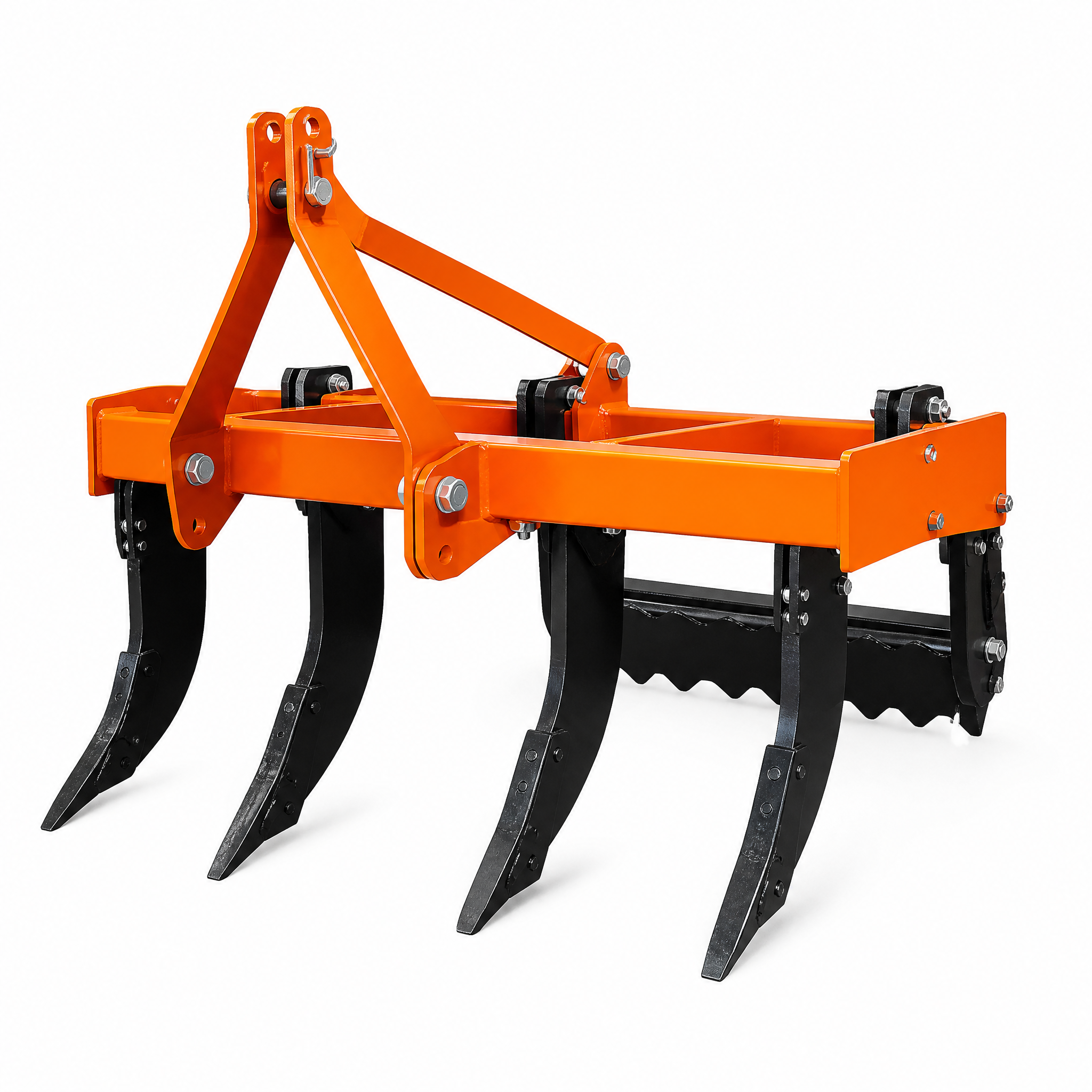
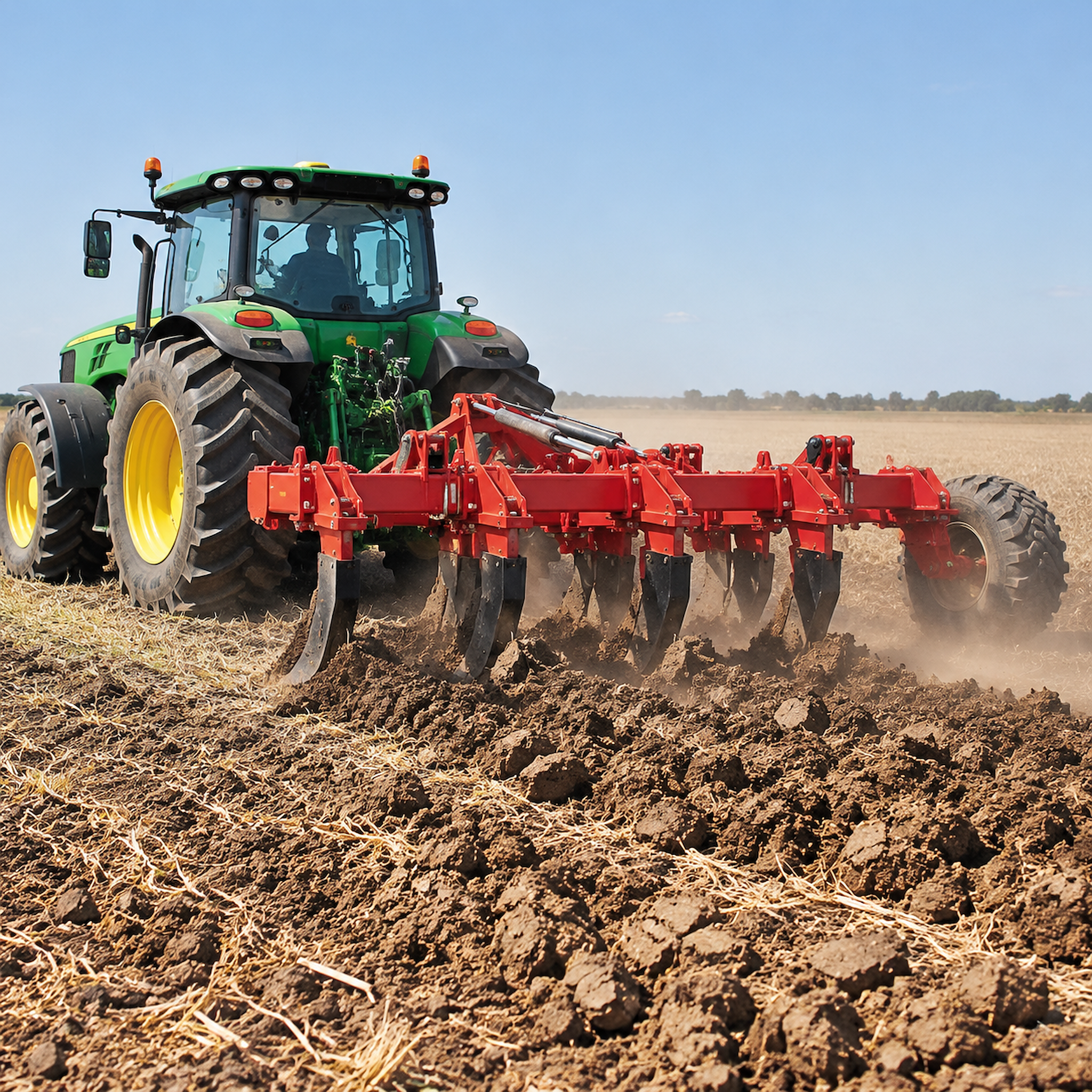
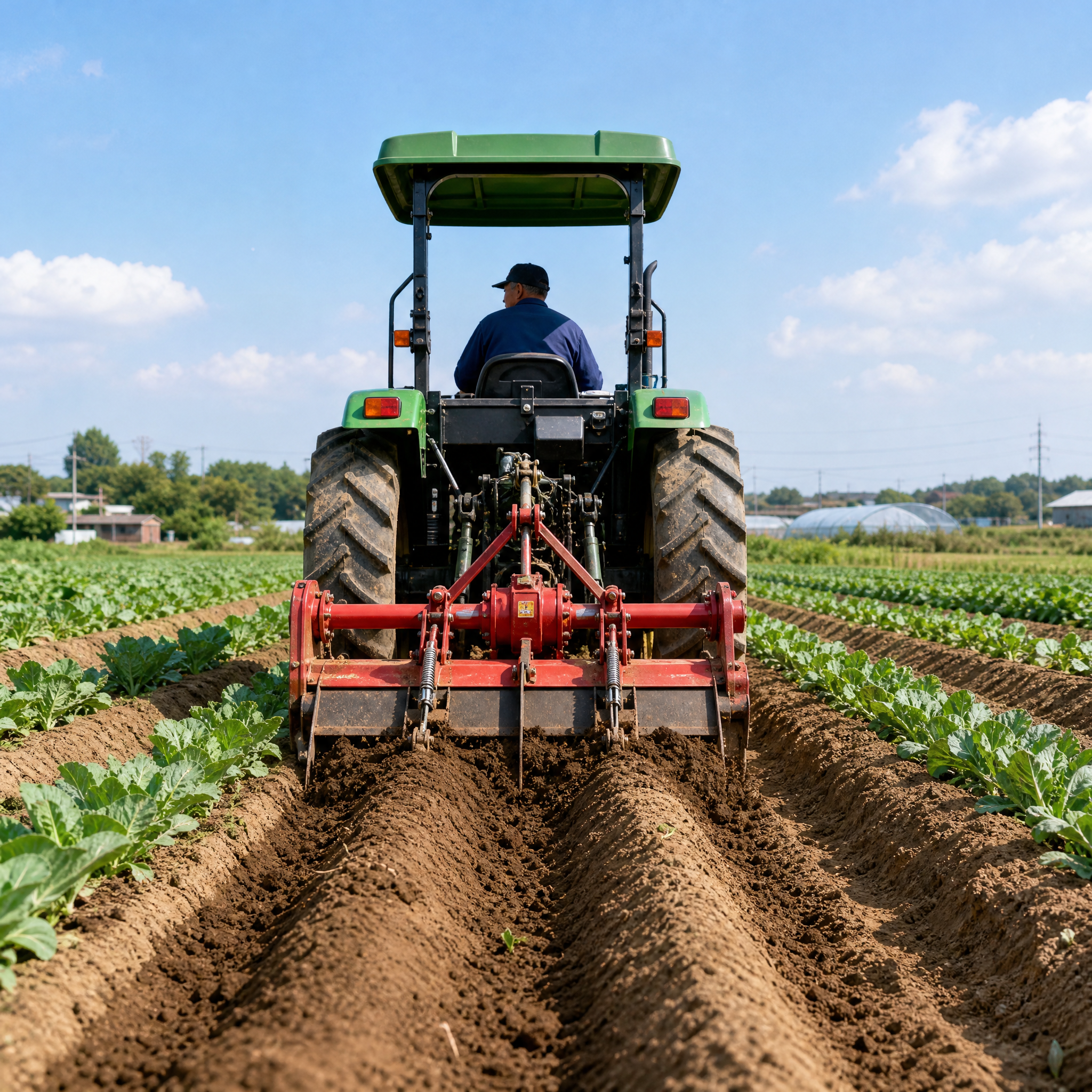
Farm implements are essential tools in the agricultural sector, enabling efficient tillage, seeding, irrigation, and harvesting. As a buyer in the manufacturing or agricultural industry, understanding the specifications, costs, and proper use of these implements is crucial for making informed purchasing decisions. This article will delve into key specifications to consider, cost factors associated with agricultural machinery, finding reliable distributors, installation guidance, and a comparison of quality features across leading farm equipment brands.

Understanding the Cost Factors of Agricultural Machinery Purchases

Understanding the Cost Factors of Agricultural Machinery Purchases

The cost of agricultural machinery, including farm implements, can vary widely and is influenced by multiple factors. One of the primary considerations is the quality of materials. High-quality implements tend to have higher upfront costs but often result in lower maintenance costs and longer lifespans, ultimately offering better value.

Brand reputation also plays a significant role in pricing. Established brands with proven track records may command higher prices due to their reliability and support services. Conversely, lesser-known brands might offer lower initial costs but could incur higher operational costs due to potential performance issues.

Another factor is the level of customization required. Custom-built implements tailored to specific applications or conditions will typically increase costs due to the additional design and manufacturing processes involved.

Lastly, shipping and handling costs should not be overlooked. Depending on the distance and method of transport, these costs can significantly impact the total purchase price. Always factor in potential tariffs or duties when importing machinery from international suppliers.

Where to Find Trusted Distributors of Agricultural Machinery

Where to Find Trusted Distributors of Agricultural Machinery

Finding reliable distributors for agricultural machinery is crucial to ensure quality and support. Start by researching industry-specific trade shows and exhibitions, where manufacturers and distributors often showcase their products and services. These events provide an excellent opportunity for direct interactions, allowing you to ask questions and assess the quality of the implements firsthand.

Additionally, consider leveraging industry associations and networks, which often maintain directories of reputable suppliers. These associations can provide insights into the reliability of distributors based on member feedback and industry reputation.

Online platforms and B2B marketplaces can also be valuable resources. Websites that focus on agricultural equipment often feature reviews and ratings from other buyers, providing a clearer picture of distributor performance. However, it’s advisable to verify any online information through direct communication with potential suppliers to assess their responsiveness and customer service.

Installation Guidance for Efficient Use of Farm Implements

Installation Guidance for Efficient Use of Farm Implements

Proper installation of farm implements is vital for ensuring their optimal performance and longevity. Before installation, review the manufacturer's guidelines carefully, as they often include specific instructions tailored to each implement type.

Begin by ensuring that the tractor or primary machinery is compatible with the implement. This includes checking power requirements, hitch types, and any necessary adapters. Incompatibility can lead to inefficiencies or damage during operation.

During installation, pay close attention to the alignment and leveling of the implements. Misalignment can cause uneven wear and reduce the effectiveness of the equipment. For example, a poorly aligned plow may not penetrate the soil evenly, resulting in inconsistent tillage.

After installation, conduct a trial run to ensure everything operates smoothly. Monitor the equipment for any unusual sounds or performance issues. If any problems arise, consult the manufacturer or distributor for troubleshooting advice before proceeding with regular use.

Comparing Quality Features of Leading Farm Equipment Brands

When evaluating farm implements, comparing the quality features of different brands is essential. Start by assessing the build quality and materials used across various brands. Leading manufacturers often use advanced steel alloys and coatings that enhance durability and corrosion resistance.

Another significant factor is the design and engineering behind the implements. Brands with a strong research and development focus may offer innovative features that improve efficiency and ease of use. For example, equipment with adjustable settings for depth or width can provide versatility in different farming conditions, such as Cultivators & Tillers that can adapt to varying soil types.

Warranty and support services also play a crucial role in quality assessment. A brand that offers comprehensive warranties and responsive customer service can significantly reduce the risks associated with purchasing agricultural machinery.

Lastly, consider the feedback and reviews from other users. Real-world performance insights can reveal how implements perform under various conditions, helping you make a more informed decision.

In summary, when sourcing farm implements, it is essential to evaluate specifications, understand cost factors, find reliable distributors, follow proper installation guidelines, and compare quality features across brands. Armed with this knowledge, you can make better purchasing decisions that enhance the efficiency and productivity of your agricultural operations.

Key Specifications to Evaluate When Sourcing Farm Implements

When sourcing farm implements, several key specifications should be evaluated to ensure they meet your operational needs. First, consider the material used in the implements, as it directly affects durability and performance. For instance, implements made from high-grade steel are typically more resistant to wear and tear compared to those made from lower-quality materials.

Next, the dimensions of the equipment are critical. Ensure that the size of the implements aligns with your machinery and the scale of your operations. For example, a tiller that is too wide may not fit through narrow rows, leading to inefficiencies.

Another vital specification is the operational capacity, which includes the power requirements and compatibility with existing machinery. A mismatch here can result in inadequate performance or increased wear on both the implement and the tractor. Additionally, understanding the maintenance requirements is essential; implements that are easier to maintain may save time and reduce downtime.

Finally, consider any customization options available. This can include modifications to fit specific crop types or soil conditions, which can enhance performance and efficiency on your farm. For instance, tools like Irrigation Systems can be customized to meet the unique needs of your agricultural practices.

Frequently Asked Questions

What types of farm implements do you offer?

We provide implements for tillage, seeding, irrigation and harvesting, including plows, cultivators, seeders, irrigation rigs and harvest attachments tailored to farm size and crop type.
Yes. Our equipment carries CE and ISO 9001 certifications, ensuring compliance with international quality and safety standards.
Yes. We offer tailored solutions based on crop, soil and field conditions, with options for size, configuration and attachments to meet lifecycle needs.
We offer lifecycle-based support including installation guidance, spare parts supply, maintenance advice and technical assistance throughout the implement’s service life.
Yes. We supply equipment to customers in 40 countries and assist with export documentation, shipping logistics and basic import guidance to facilitate delivery.

Get a Free Quote

Our representative will contact you soon.
0/1000