Farm Equipment: A Comprehensive Buyeru2019s Guide

application/farm-equipment, application/farm-equipment, 
Inquiry
Inquiry

farm equipment

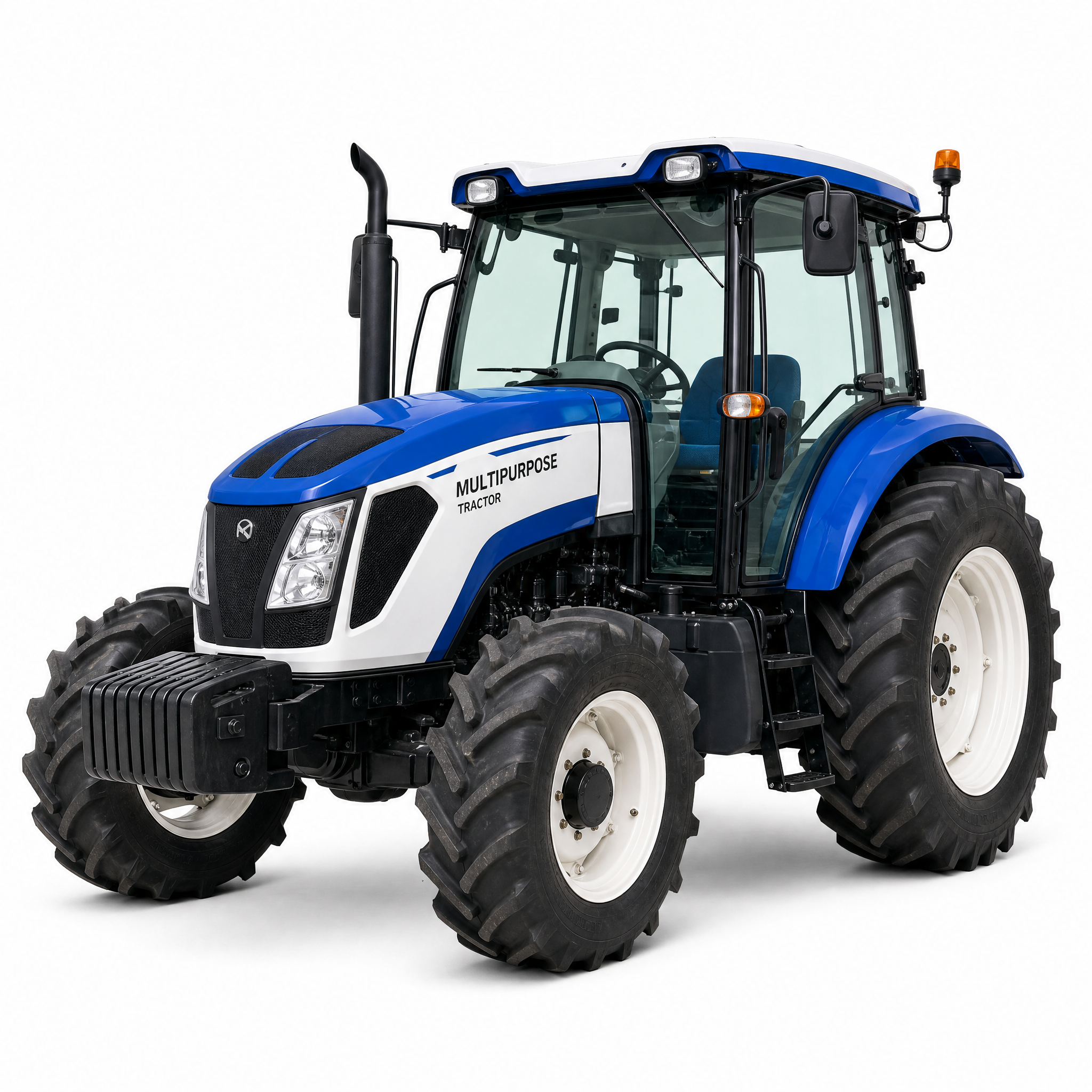
Farm equipment plays a crucial role in modern agriculture, enabling efficient tillage, seeding, irrigation, and harvesting. As a B2B buyer in this sector, you may have concerns about selecting the right machinery, understanding specifications, and choosing reliable suppliers. This article will guide you through essential considerations when purchasing farm equipment, helping you make informed decisions that align with your agricultural needs.

How to Choose Reliable Suppliers for Wholesale Farm Equipmen

How to Choose Reliable Suppliers for Wholesale Farm Equipmen

Choosing the right supplier for wholesale farm equipment is a critical step in ensuring a successful procurement process. Here are some strategies:

Assess Experience and Reputation: Look for suppliers with a proven track record in the agricultural machinery sector. Research their history, customer testimonials, and case studies to gauge reliability.

Quality Assurance Processes: Inquire about the quality control measures implemented throughout the manufacturing process. Reliable suppliers should be able to provide details on their inspection protocols, testing methodologies, and any certifications achieved.

Customization Capabilities: Many agricultural operations have specific requirements. A supplier that offers customization can adapt equipment to meet unique farming needs. Discuss your customization requirements and evaluate the supplier's flexibility.

After-Sales Support: Good suppliers offer robust after-sales support, including maintenance services and spare parts availability. Ensure that your supplier can provide ongoing assistance to address any operational challenges.

Pricing Transparency: Request detailed quotations that break down costs. This will help you understand pricing structures and ensure you’re getting fair value for the equipment.

A Buyeru2019s Guide

A Buyeru2019s Guide

As a buyer in the farm equipment sector, here are actionable steps to streamline your purchasing process:

Define Your Needs: Determine the specific tasks you need the equipment to perform. Consider factors such as the size of the area to be serviced and the type of crops grown.

Gather Specifications: Create a checklist of desired specifications based on operational requirements. This should include power needs, dimensions, and material preferences.

Request Proposals: Contact multiple suppliers to request proposals. Provide them with your specifications and ask for detailed quotations, including lead times and minimum order quantities.

Review Samples: Before finalizing any purchase, request samples or demonstrations of the equipment. This step is crucial to ensure that the equipment meets your operational standards.

Confirm Delivery and Installation Plans: Discuss logistics, including delivery timelines and installation services. Confirm these details to avoid unexpected delays.

Exploring Applications of Farm Equipment for Diverse Agricultural Needs

Exploring Applications of Farm Equipment for Diverse Agricultural Needs

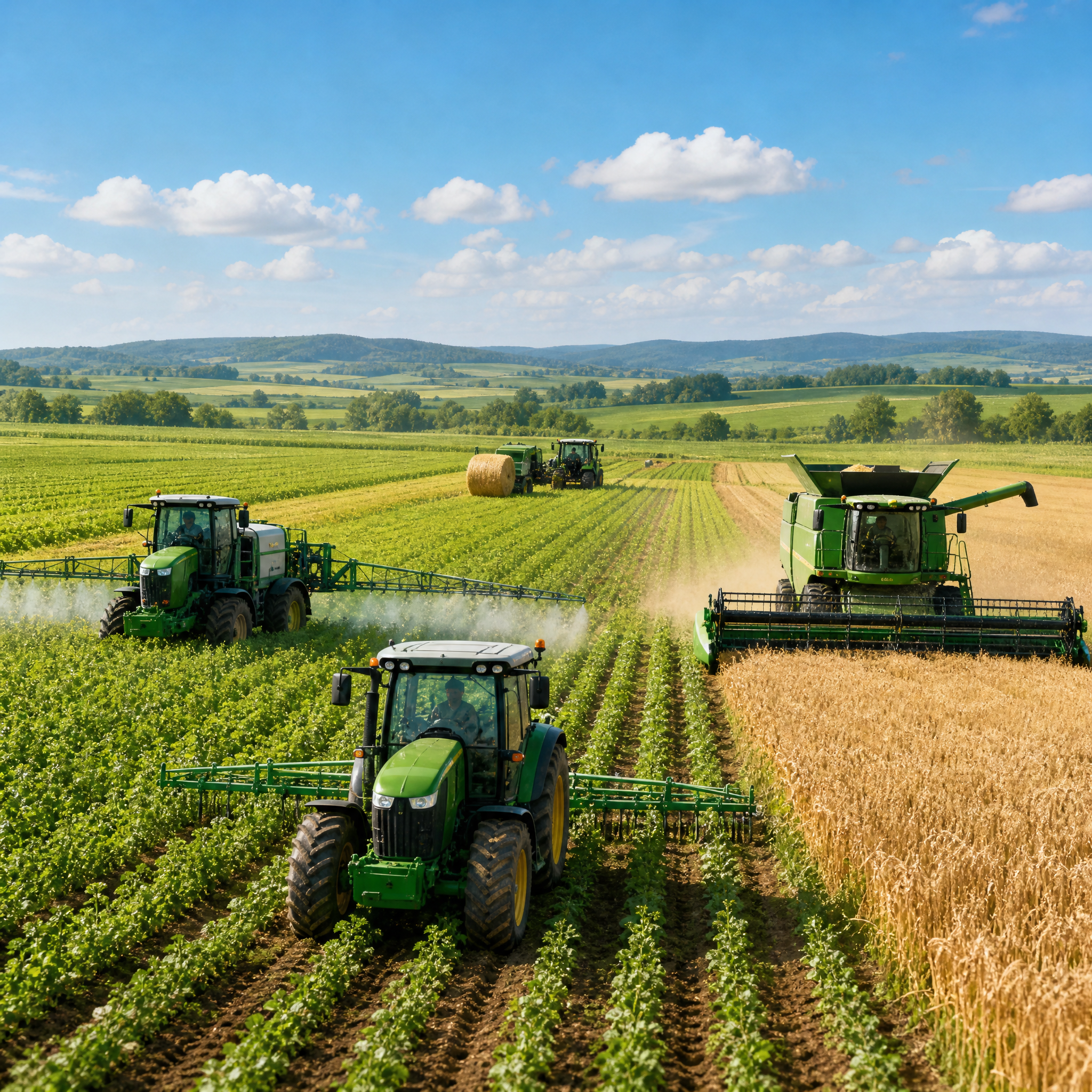
Farm equipment serves a variety of applications across the agricultural spectrum:

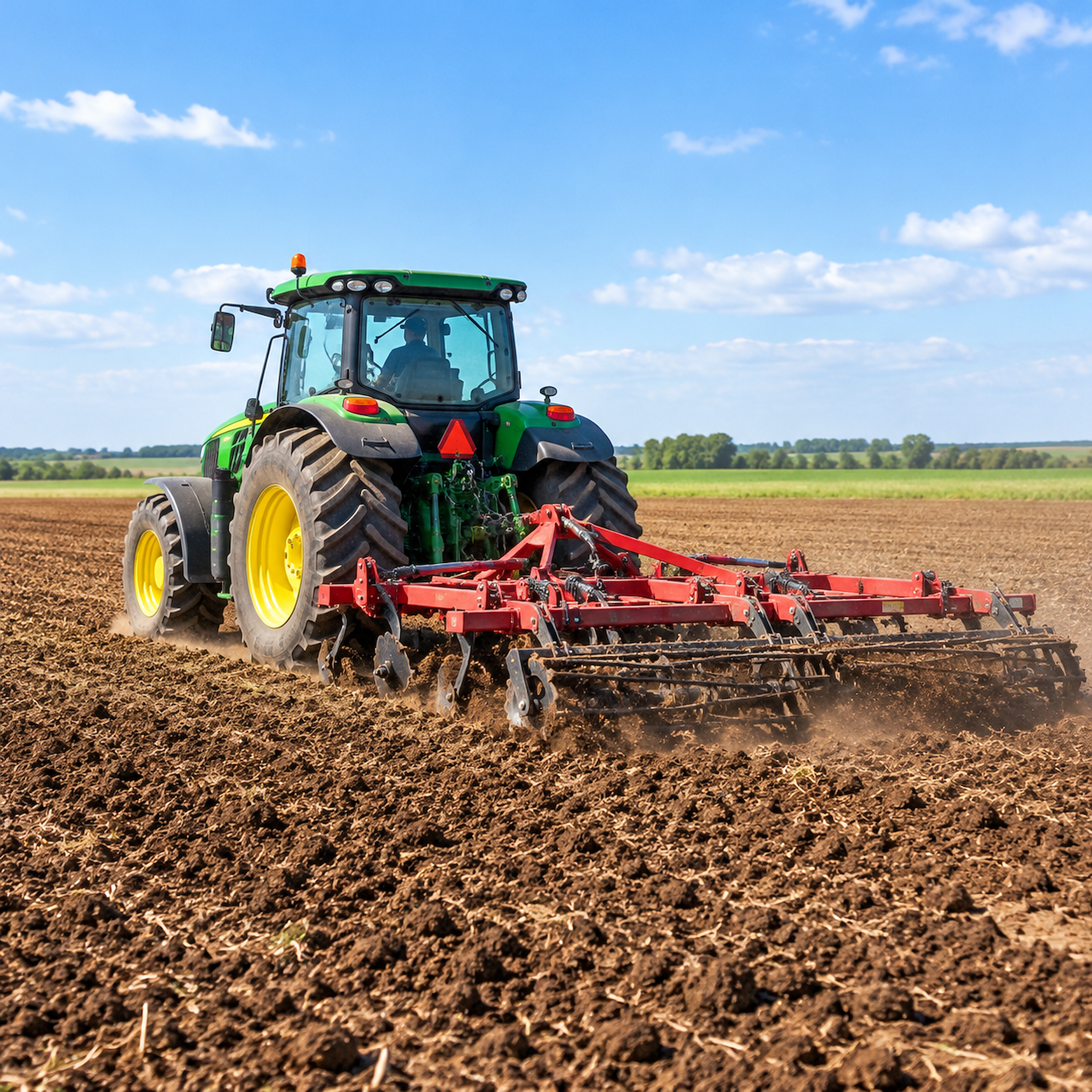
Tillage: Equipment such as plows and harrows prepare the soil for planting by breaking up compacted earth and incorporating organic matter. The choice of tillage equipment can influence crop yield and soil health.

Seeding: Seeders and planters ensure accurate seed placement and depth, critical for maximizing germination rates. Different crops may require specialized seeding equipment to optimize performance.

Irrigation: Irrigation systems, including drip and sprinkler equipment, are vital for maintaining soil moisture levels. The selection should consider factors such as water source, crop needs, and terrain. For instance, the Gasoline Water Pump 2-4 Inch Self-Priming for Irrigation is an excellent choice for efficient irrigation.

Harvesting: Combine harvesters and forage harvesters are essential for efficient crop collection. Understanding the specific needs of the crop being harvested will help determine the best equipment. The Mini Crawler Combine Harvester 25HP 1200mm Cutting Table is a popular option for small to medium-sized farms.

Maintenance and Repair: Proper maintenance is essential for all equipment types to ensure longevity and optimal performance. Familiarize yourself with maintenance requirements and schedules to avoid downtime.

Common Problems with Farm Equipment and Effective Solutions

While farm equipment is designed for durability, issues can arise. Here are common problems and solutions:

Mechanical Failures: These can occur due to wear and tear or improper use. Regular maintenance checks and adhering to operational guidelines can help prevent breakdowns.

Compatibility Issues: New equipment may not integrate seamlessly with older models. Before purchasing, confirm compatibility with your existing machinery to avoid operational disruptions.

Supply Chain Delays: Global supply chain challenges can affect delivery times. Planning ahead and discussing lead times with suppliers can mitigate this issue.

Operator Training: Lack of training can lead to equipment misuse and increased wear. Ensure that operators are trained on proper use and maintenance of the equipment.

Seasonal Demand Fluctuations: Some equipment may have seasonal demand, impacting availability. To counter this, plan purchases during off-peak times and maintain open communication with suppliers about your needs.

By understanding these specifications, supplier evaluation criteria, and common challenges, you can make informed decisions when purchasing farm equipment. This knowledge will help you optimize your operations and ensure your agricultural practices are both efficient and effective.

Understanding the Key Specifications for Farm Equipment Purchasing

When purchasing farm equipment, understanding key specifications is vital. Important factors include:

Power and Efficiency: The horsepower of tractors and machinery determines their performance capability. Higher horsepower can handle larger tasks but may also increase fuel consumption. Buyers should assess the power requirements based on the size of the farm and the type of operations. For instance, the 8-25HP Diesel Walk Behind Tractor Water-Cooled Hand Start Farm Tractor is a great option that combines power and efficiency.

Durability and Material Quality: The materials used in manufacturing farm equipment directly impact its lifespan and maintenance needs. Steel and high-grade alloys are commonly used for frames and components, providing strength against wear and tear. Evaluate the material specifications to ensure they meet your operational demands.

Dimensions and Weight: Equipment size affects maneuverability in the field and storage. Ensure that the dimensions align with your farm layout and that the weight is suitable for the tractors available. Overly heavy equipment may require specialized handling and transport solutions.

Compatibility: Consider how the new equipment integrates with existing machinery. Compatibility issues can lead to inefficiencies and increased costs. Discuss compatibility with suppliers to avoid operational disruptions.

Certifications: Equipment with CE and ISO 9001 certifications signifies adherence to quality and safety standards. These certifications can provide peace of mind regarding compliance with industry regulations.

Frequently Asked Questions

What types of farm equipment do you supply?

We supply machinery for tillage, seeding, irrigation, and harvesting, tailored for farms and plantations of varying sizes.
Yes. Our equipment carries CE and ISO 9001 certifications, ensuring compliance with international quality and safety standards.
Yes. We offer tailored, lifecycle-based solutions to fit specific crop types, field conditions, and operational requirements.
Yes. We support after-sales service, maintenance guidance, and supply spare parts to ensure long-term equipment performance.
We support farms and plantations across 40 countries, offering international shipping and local coordination for delivery and support.

Get a Free Quote

Our representative will contact you soon.
0/1000