Key Specifications for Hydraulic Ploughs Buyers

application/hydraulic-plough, application/hydraulic-plough, 
Inquiry
Inquiry

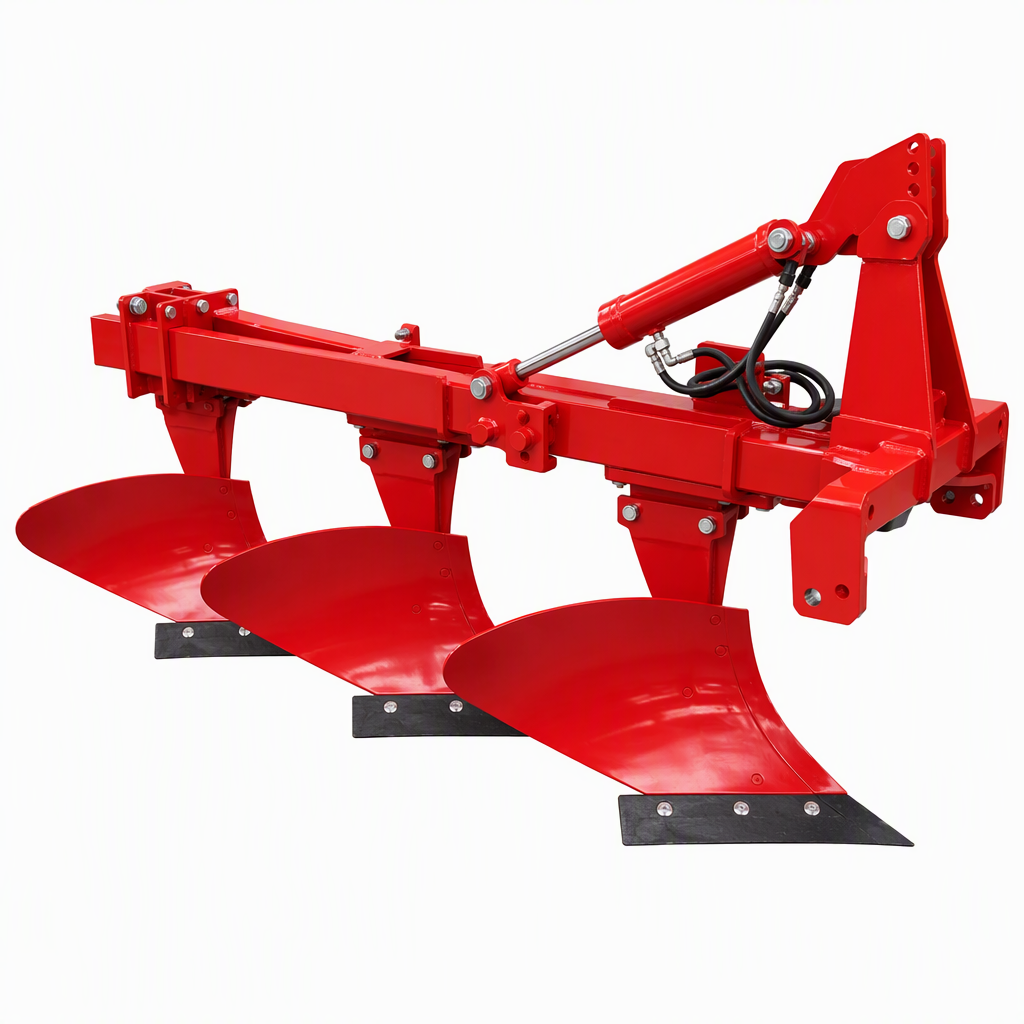
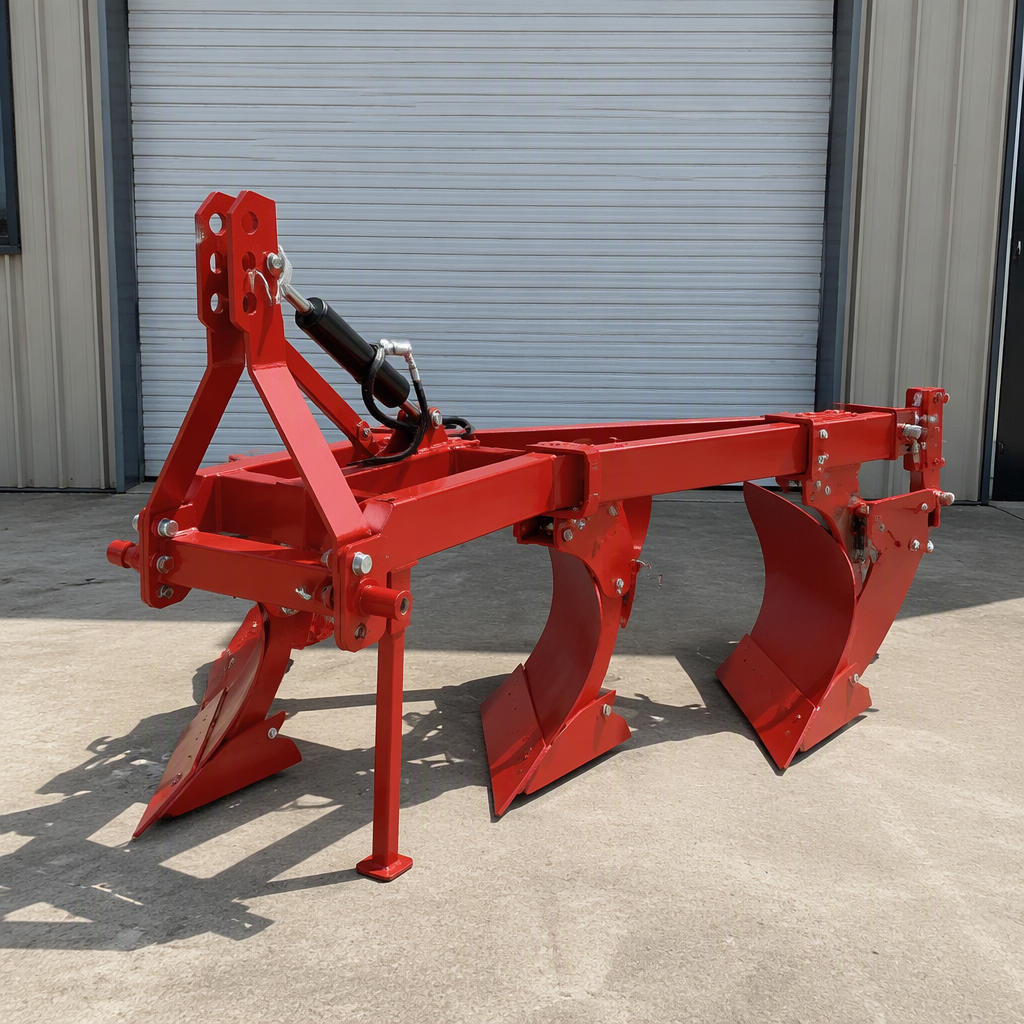
hydraulic plough

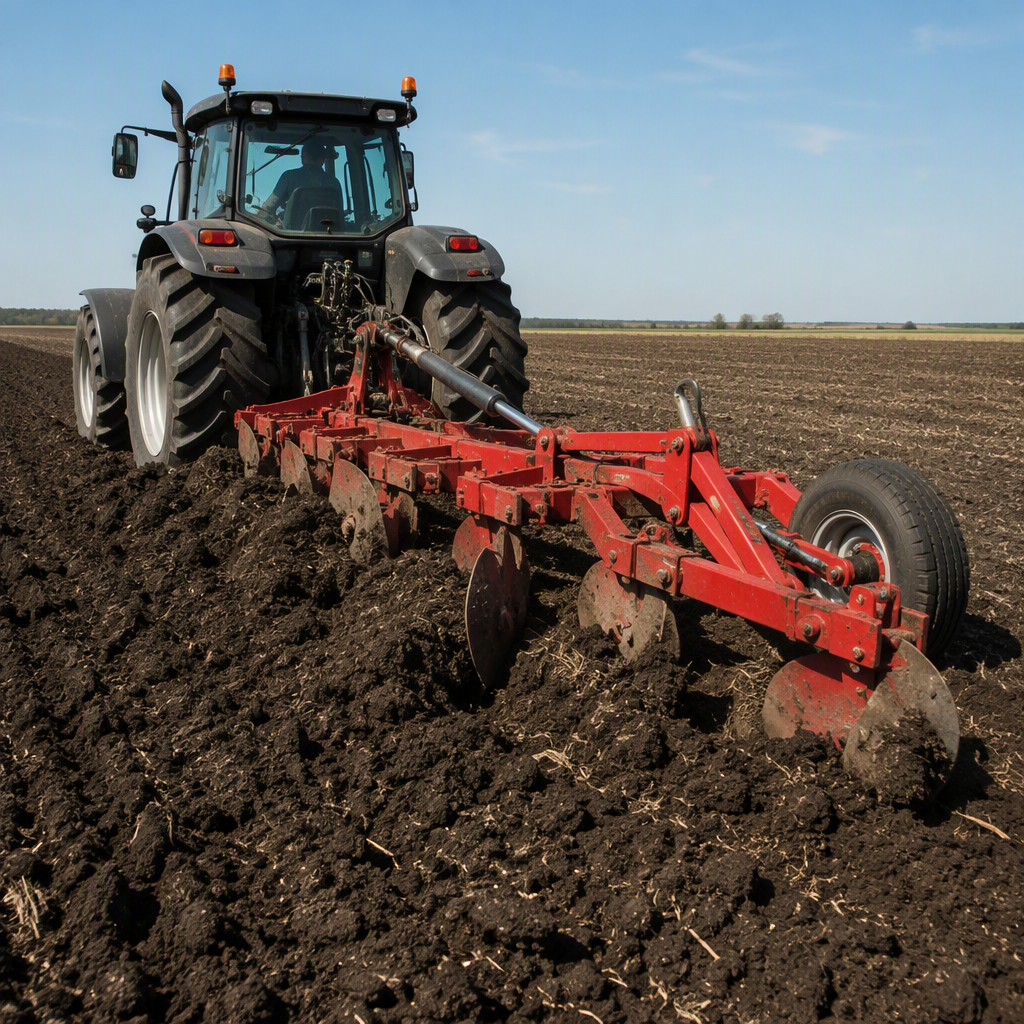
Hydraulic ploughs are essential agricultural implements designed to improve soil preparation for crop cultivation. They allow for efficient tillage, enhancing soil structure and aeration while effectively managing weeds. For B2B buyers such as purchasing managers, distributors, and agricultural engineers, understanding the specifications, selection criteria, and performance factors of hydraulic ploughs is crucial. This article aims to provide valuable insights into hydraulic ploughs, helping you make informed purchasing decisions that align with your operational requirements.

How to Choose the Right Hydraulic Plough for Your Needs

How to Choose the Right Hydraulic Plough for Your Needs

Selecting the right hydraulic plough involves a careful assessment of several factors:

Soil Type: Different soil types require different ploughing techniques. For clay soils, a heavier, sturdier plough may be necessary, while lighter soils may only require a simpler design.

Crop Rotation Practices: Consider the crops you intend to plant. Some crops may benefit from deeper tillage, which requires a hydraulic plough capable of adjusting its depth.

Tractor Compatibility: Ensure that the hydraulic plough is compatible with your existing tractor's hydraulic system and power output. Mismatched specifications can lead to operational inefficiency or equipment damage.

Field Size and Terrain: For larger fields, a plough with a wider working width may be advantageous for efficiency. Conversely, hilly or uneven terrain may require a more maneuverable, narrower plough.

Budget Constraints: While it may be tempting to choose the cheapest option, consider the long-term value of investing in a high-quality hydraulic plough that meets your operational demands. Additionally, exploring options like Tractors that suit your needs can also be beneficial.

By taking these factors into account, you can choose a hydraulic plough that best fits your agricultural practices and equipment.

What to Look for in Hydraulic Ploughs

What to Look for in Hydraulic Ploughs

When evaluating hydraulic ploughs, buyers should focus on several critical aspects:

Durability and Build Quality: Look for ploughs constructed from high-quality materials that can withstand harsh agricultural environments. This includes checking for reinforced components and protective coatings.

Maintenance Requirements: Ease of maintenance can significantly impact operational efficiency. Choose ploughs that allow for easy access to wear parts for repairs and replacements.

Warranty and Support: A strong warranty indicates the manufacturer's confidence in their product. Additionally, reliable customer support can provide peace of mind for any issues that may arise.

User Reviews and Case Studies: Reviews from other buyers can provide insights into the plough's performance in real-world conditions. Look for documented case studies that demonstrate successful applications.

Customization Options: Some manufacturers offer customization capabilities for their hydraulic ploughs. This can be beneficial if your operation requires specific features not available in standard models.

By paying attention to these details, buyers can ensure that they select a hydraulic plough that meets their rigorous standards and operational needs.

Understanding Pricing for Hydraulic Ploughs

Understanding Pricing for Hydraulic Ploughs

The pricing of hydraulic ploughs can vary widely based on several factors:

Specifications and Features: Higher-end models with advanced features, such as adjustable working widths or built-in depth control, typically come at a premium. Basic models will generally be more affordable but may lack the versatility required for complex farming operations.

Material Quality: Ploughs made from high-grade materials may have a higher upfront cost but can offer better durability and longer service life, potentially reducing total cost of ownership.

Brand Reputation: Established manufacturers often charge more for their products due to perceived reliability and better customer support. Consider the long-term value versus the initial investment.

Market Demand and Supply Chains: Prices may fluctuate based on market conditions, including supply chain dynamics and demand for agricultural machinery in your region.

Customization: Custom features can increase the price. Be clear about your needs and consider whether the additional investment will yield significant benefits.

Understanding these pricing factors can help you negotiate effectively and secure the best value for your investment in hydraulic ploughs.

Installation Guidance for Optimal Hydraulic Plough Performance

Proper installation of hydraulic ploughs is critical for achieving optimal performance. Here are key steps and considerations:

Tractor Compatibility Check: Before installation, confirm that the hydraulic plough is compatible with your tractor's hydraulic system. Review the operator's manual to ensure all connections meet specifications.

Professional Installation Recommended: If you are not experienced with hydraulic systems, consider seeking professional assistance. Incorrect installation can lead to operational issues or equipment damage.

Calibration: After installation, calibrate the hydraulic system to ensure the plough operates at the desired depth and angle. This may involve adjusting hydraulic pressures and settings on the tractor.

Regular Maintenance Checks: Once installed, conduct regular checks on hydraulic connections and seals to prevent leaks and ensure efficient operation. This includes inspecting hoses and fittings for wear or damage.

Field Testing: Before full-scale operation, conduct a field test to verify that the plough performs as expected. This will allow you to make any necessary adjustments before starting significant tillage work.

Following these guidelines can help ensure that your hydraulic plough operates efficiently and effectively, maximizing its benefits in your agricultural operations.

Key Specifications for Buyers

When evaluating hydraulic ploughs, several key specifications should be considered:

Working Width: The width of the plough affects how much ground can be covered in one pass. A wider plough can increase efficiency but may require more power from the tractor.

Number of Shares: The number of shares directly influences the plough's ability to turn over soil. More shares can improve soil turnover but may also increase resistance.

Weight and Build Quality: A well-built hydraulic plough should be robust enough to withstand the rigors of tillage. Weight also plays a role in stability and effectiveness during operation.

Hydraulic System Specifications: The hydraulic system's capacity and pressure ratings are critical for ensuring that the plough operates efficiently. Buyers should verify compatibility with their existing machinery.

Material Quality: The materials used in the construction of the plough affect its durability and resistance to wear. Quality steel components are preferable for longevity.

Adjustability: Features that allow for adjustments in depth and angle can enhance the versatility of the plough, enabling it to perform well in varied soil types and conditions.

Understanding these specifications will help you assess different hydraulic plough options based on your operational needs. For example, considering Cultivators & Tillers can provide additional insights into how these tools work together in your farming practices.

Frequently Asked Questions

What is the hydraulic plough used for?

The hydraulic plough is used for primary and secondary tillage, turning soil, breaking compact layers, and preparing seedbeds on farms and plantations of various sizes.
It is compatible with tractors meeting the plough's specified three-point hitch category and hydraulic capacity. Confirm tractor hydraulics and lift capacity before purchase.
Agripros supplies the hydraulic plough manufactured under CE and ISO 9001 quality management standards to ensure safety and consistent performance.
Agripros offers lifecycle-based support and spare parts supply. Contact our sales or service team with model and serial numbers for parts lists and maintenance guidance.
Yes. Agripros provides tailoring options for furrow width, depth, number of bottoms, and materials to suit soil types and farm operational needs.

Get a Free Quote

Our representative will contact you soon.
0/1000