Key Specifications of Hydraulic Reversible Ploughs You Should Compare
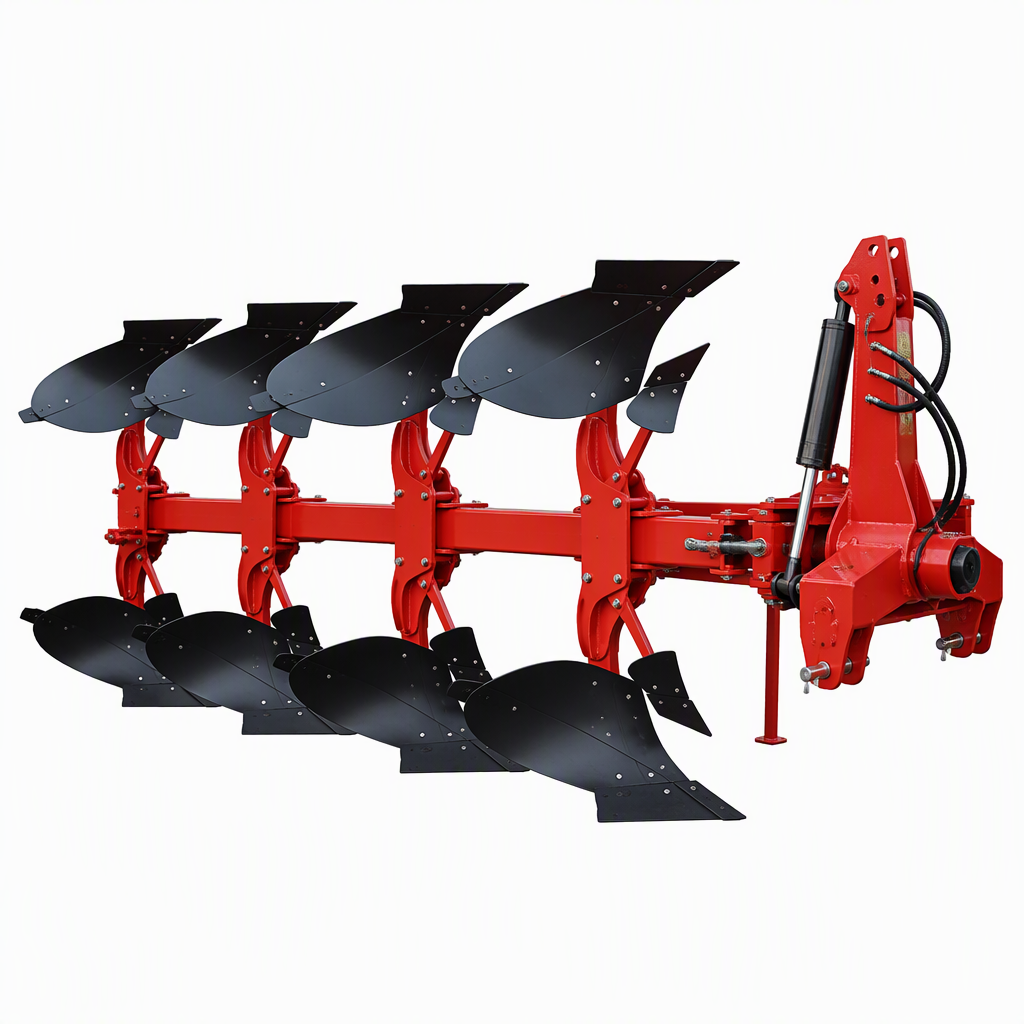
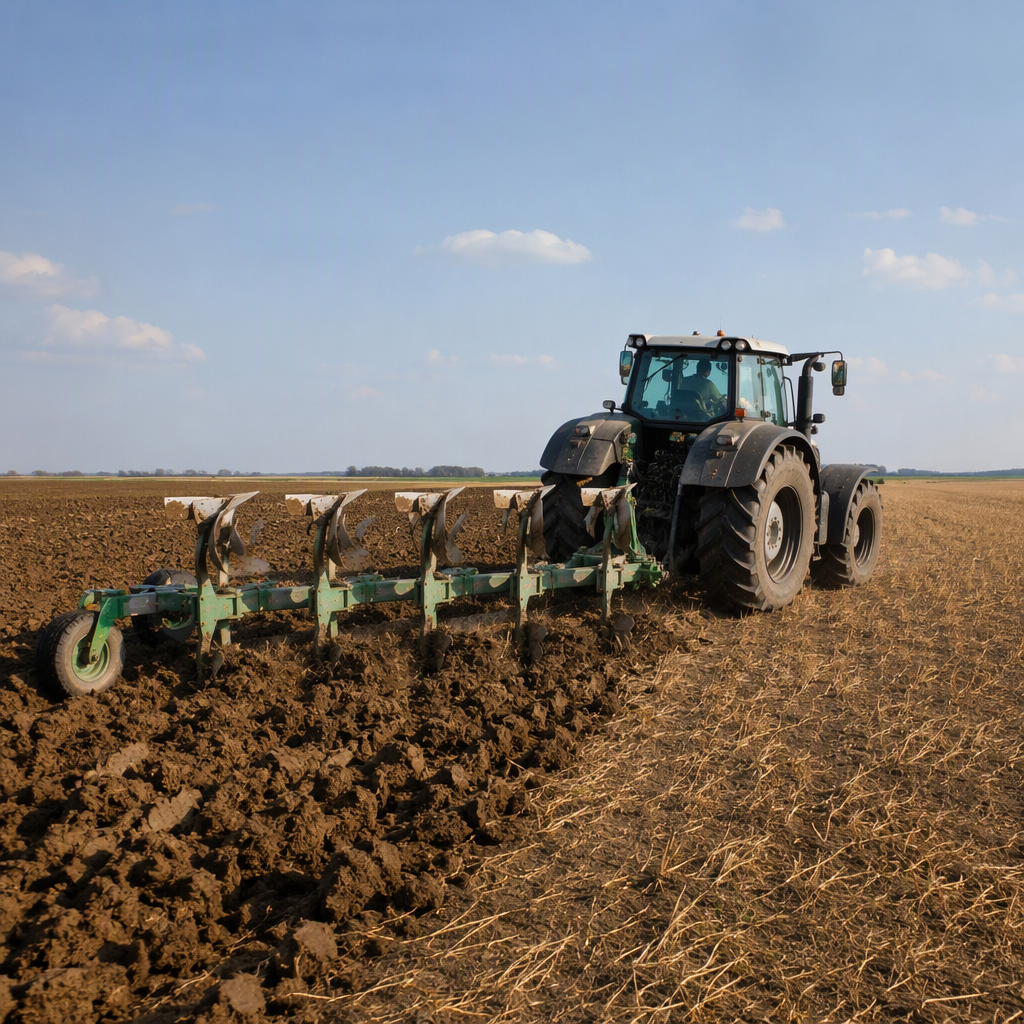
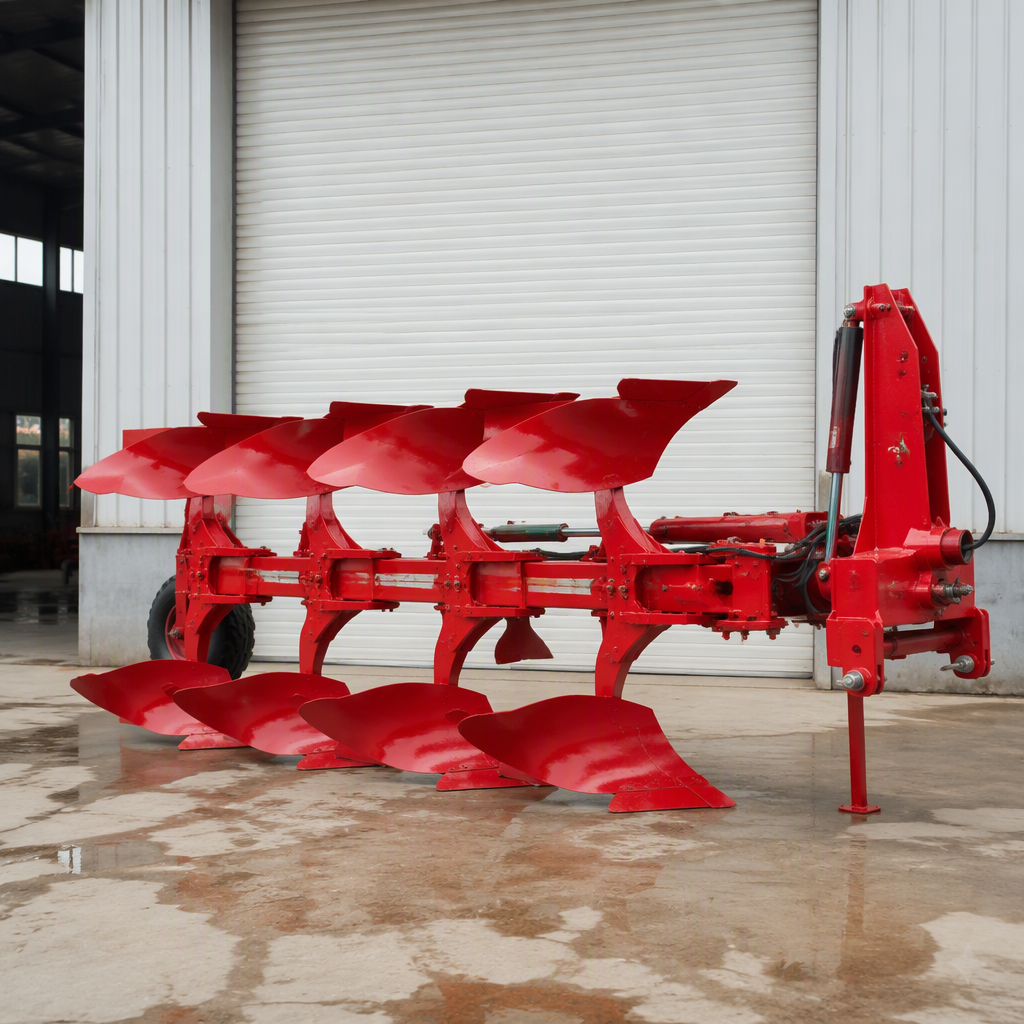
When comparing hydraulic reversible ploughs, several key specifications should be on your checklist:
Working Width: This refers to the plough's ability to cover ground efficiently. Common widths range from 2 to 5 meters, affecting the number of passes needed to till a field.
Weight: Heavier ploughs provide better traction but may require more powerful tractors. The plough's weight should be balanced with the tractor's horsepower for optimal performance.
Number of Furrows: This determines how many soil strips are flipped at once. A plough with multiple furrows can increase efficiency but may be less maneuverable in tight spaces.
Hydraulic System: The efficiency of the hydraulic system impacts the ease of adjustment and the overall ploughing speed. Look for models with quick-response hydraulics that offer precise control during operation.
Build Quality: Examine the materials used, particularly the frame and share materials. High-quality steel construction can significantly enhance durability and resistance to wear.
Each of these specifications plays a crucial role in how well the plough meets the demands of your agricultural practices, so thorough comparisons can aid in making a well-informed decision.
 EN