Hydraulic Plough Price: Key Specifications & Suppliers

application/hydraulic-plough-price, application/hydraulic-plough-price, 
Inquiry
Inquiry

hydraulic plough price

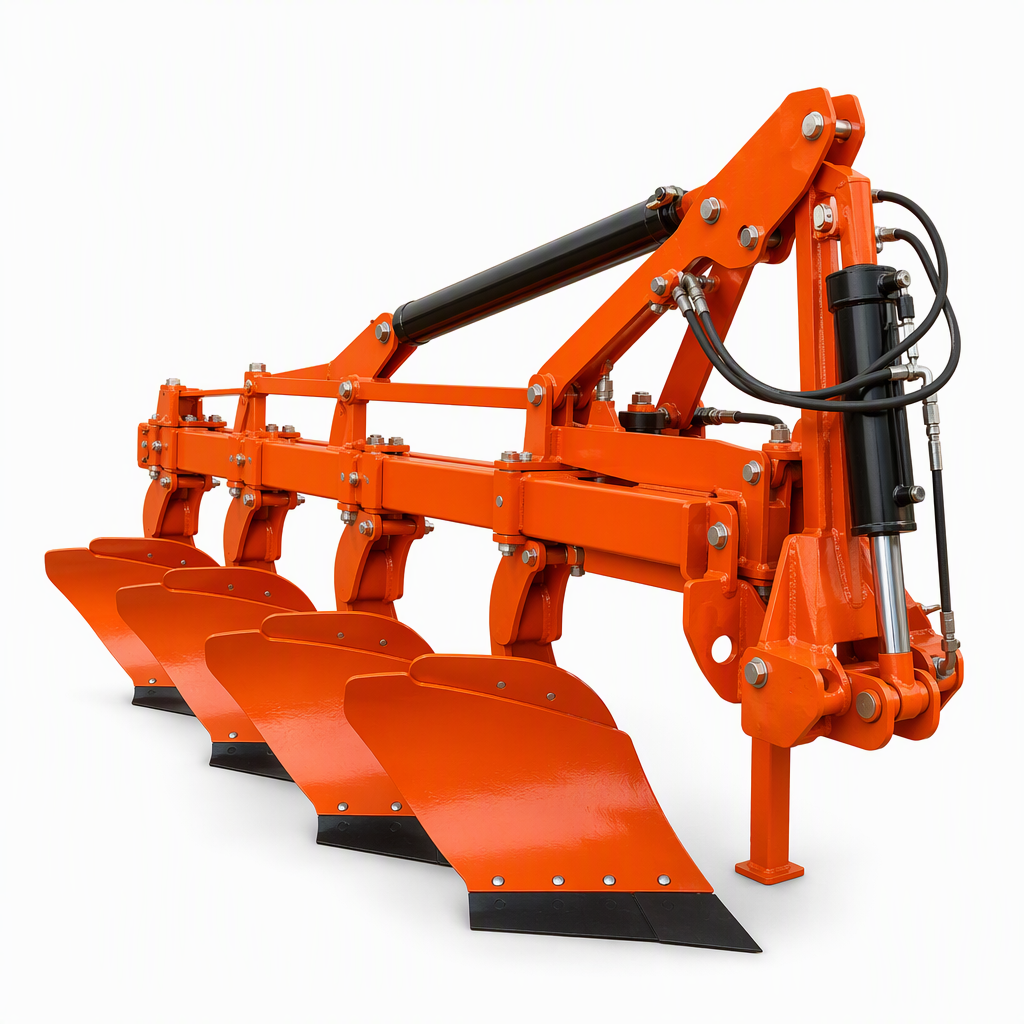
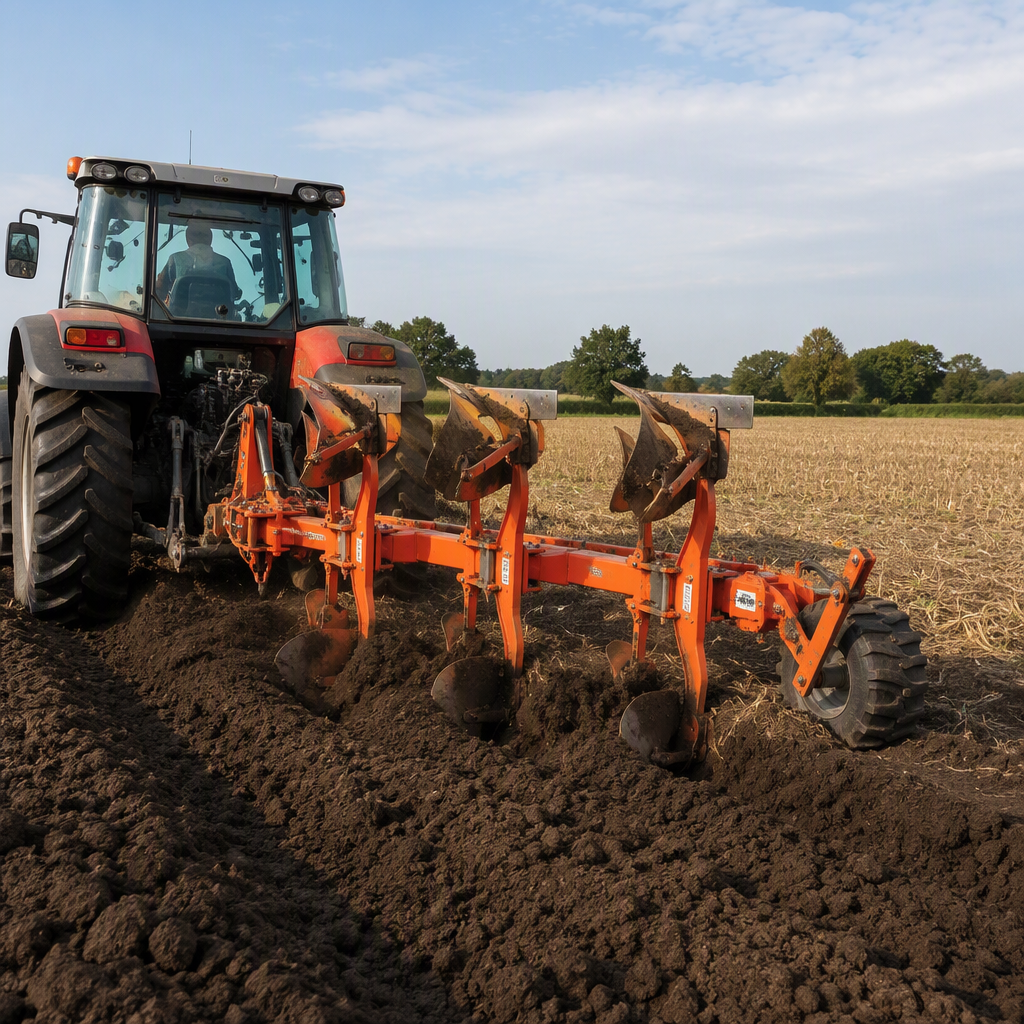
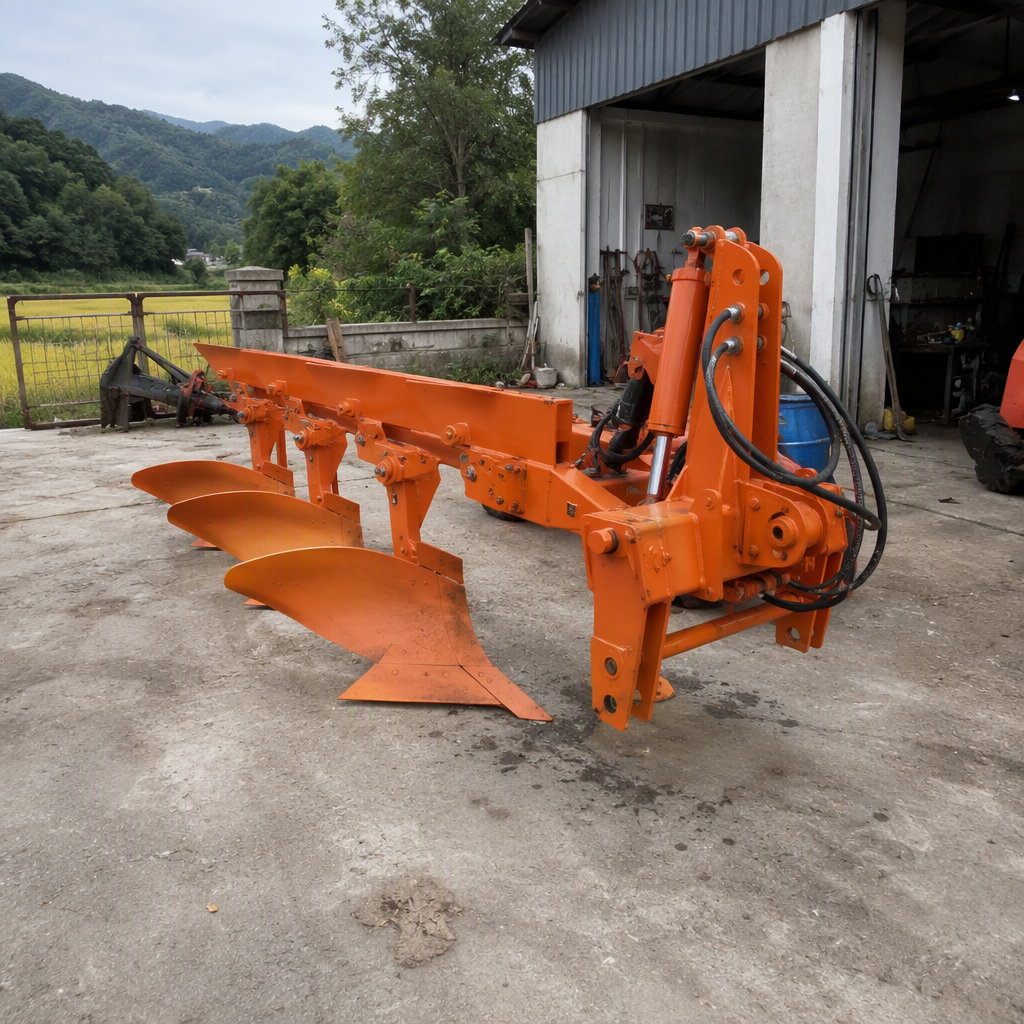
Hydraulic ploughs are essential agricultural machinery designed to prepare the soil for planting by efficiently turning and aerating it. When considering the hydraulic plough price, potential buyers often focus on specifications, materials, and application suitability to ensure they make a sound investment. This article will provide insights into the key features of hydraulic ploughs, where to find reliable suppliers, the best materials, common installation issues and their solutions, and the applications of hydraulic ploughs in modern agriculture.

Where to Find Reliable Suppliers for Hydraulic Ploughs

Where to Find Reliable Suppliers for Hydraulic Ploughs

Finding a trustworthy supplier for hydraulic ploughs involves thorough research and evaluation. Start by exploring online marketplaces and industry-specific platforms. Trade shows and agricultural expos also present opportunities to meet manufacturers and suppliers in person, allowing for direct discussions about specifications and pricing.

When evaluating potential suppliers, consider the following factors:

Certifications: Suppliers with CE and ISO 9001 certifications demonstrate a commitment to quality and industry standards.

Customer Reviews: Look for feedback from previous buyers regarding product quality and customer service.

Experience and Expertise: Suppliers with extensive experience in agricultural machinery are often better equipped to provide tailored solutions.

After-Sales Support: Reliable suppliers should offer support for installation, maintenance, and spare parts availability. By establishing a strong relationship with a supplier, including those who provide Tractors, can lead to better pricing and support in the long run.

The Best Materials for Hydraulic Ploughs

The Best Materials for Hydraulic Ploughs

The materials used in hydraulic plough construction significantly influence their durability and performance. Common materials include:

High-Strength Steel: This material is often used for the frame and body of the plough due to its robustness and resistance to wear.

Heat-Treated Components: Parts subjected to high stress, such as blades and shares, should be made from heat-treated steel to enhance toughness and longevity.

Coatings: Protective coatings can prevent corrosion, particularly for ploughs used in wet or acidic soils.

When selecting materials, it’s essential to consider the operating environment and the expected lifespan of the plough. Discussing material options with manufacturers can help ensure that the chosen materials align with application requirements and budget constraints.

Common Installation Issues with Hydraulic Ploughs and Solutions

Common Installation Issues with Hydraulic Ploughs and Solutions

Installing hydraulic ploughs can come with challenges that impact their effectiveness. Here are some common issues and solutions:

Misalignment: Improper alignment can lead to uneven ploughing. Ensure that the plough is correctly aligned with the tractor's hitch and that all adjustments are made according to the manufacturer's specifications.

Hydraulic Connection Problems: Leaks or improper connections can hinder operation. Before installation, inspect all hydraulic hoses and fittings for wear and ensure they are securely connected.

Inadequate Power Supply: Insufficient hydraulic power from the tractor can affect the plough's performance. Verify that the tractor's hydraulic system meets the plough's requirements.

Improper Weight Distribution: Ensure that the plough is balanced correctly to prevent excessive wear on one side and improve maneuverability.

By addressing these common installation issues, buyers can optimize the performance of their hydraulic ploughs from the outset.

Applications of Hydraulic Ploughs in Modern Agriculture

Hydraulic ploughs play a vital role in modern agriculture, catering to a variety of applications:

Soil Preparation: Ploughs are primarily used for turning and aerating soil, which enhances seedbed preparation and improves crop yields.

Weed Control: By disrupting the soil, hydraulic ploughs can effectively manage weeds, reducing the need for herbicides.

Soil Health: Proper tillage with hydraulic ploughs can improve soil structure, enhance moisture retention, and promote beneficial microbial activity.

Field Drainage: In some cases, ploughing can help improve drainage in waterlogged fields, facilitating better crop growth.

Understanding how hydraulic ploughs fit into these applications can assist buyers in making informed purchasing decisions that align with their specific agricultural operations. Investing in a hydraulic plough requires careful consideration of specifications, supplier reliability, material quality, installation practices, and practical applications. By focusing on these aspects, buyers can ensure they select the right equipment to enhance their agricultural productivity.

Top Specifications to Look for in Hydraulic Ploughs

When evaluating hydraulic ploughs, buyers should consider several specifications that affect performance and durability. Key specifications include:

Working Width: This determines the area covered by the plough in a single pass. A wider working width can increase efficiency but may require more power from the tractor.

Ploughing Depth: Adjustable ploughing depth allows for flexibility in different soil types. A deeper setting is suitable for breaking up compacted soil, while a shallower depth is ideal for lighter tillage.

Weight: The weight of the plough affects its stability and the amount of pressure it can exert on the soil. Heavier ploughs usually penetrate the soil more effectively, especially in tough conditions.

Number of Furrows: This indicates how many rows the plough can work on simultaneously. More furrows increase productivity but may require a more powerful tractor.

Hydraulic System: The efficiency of the hydraulic system can impact the ease of operation and responsiveness. Look for systems that allow for quick adjustments during operation.

Understanding these specifications is crucial for buyers to select a hydraulic plough that meets their operational needs and budget constraints. Additionally, considering the right Processing Machines can further enhance soil preparation efficiency.

Frequently Asked Questions

What is included in the hydraulic plough price?

Price includes the hydraulic plough unit, standard attachments, basic manuals, and factory testing. Shipping, installation, and optional accessories are quoted separately.
Yes. Agripros provides volume pricing for large orders and tailored quotes for plantations. Contact sales with order size and location for a customized discount.
Our hydraulic ploughs come with CE and ISO 9001-compliant quality assurance and a manufacturer warranty covering defects; specific warranty terms are provided in the sales contract.
Yes. We offer installation guidance, remote technical support, spare parts supply, and lifecycle maintenance plans to ensure long-term performance across regions we serve.
Provide farm size, soil type, tractor compatibility, and desired attachments via our sales contact. We will deliver a detailed, lifecycle-based quote including delivery and optional services.

Get a Free Quote

Our representative will contact you soon.
0/1000