Hydraulic Reversible MB Plough: Key Insights

application/hydraulic-reversible-mb-plough, application/hydraulic-reversible-mb-plough, 
Inquiry
application/hydraulic-reversible-mb-plough, application/hydraulic-reversible-mb-plough, 
Inquiry

hydraulic reversible mb plough

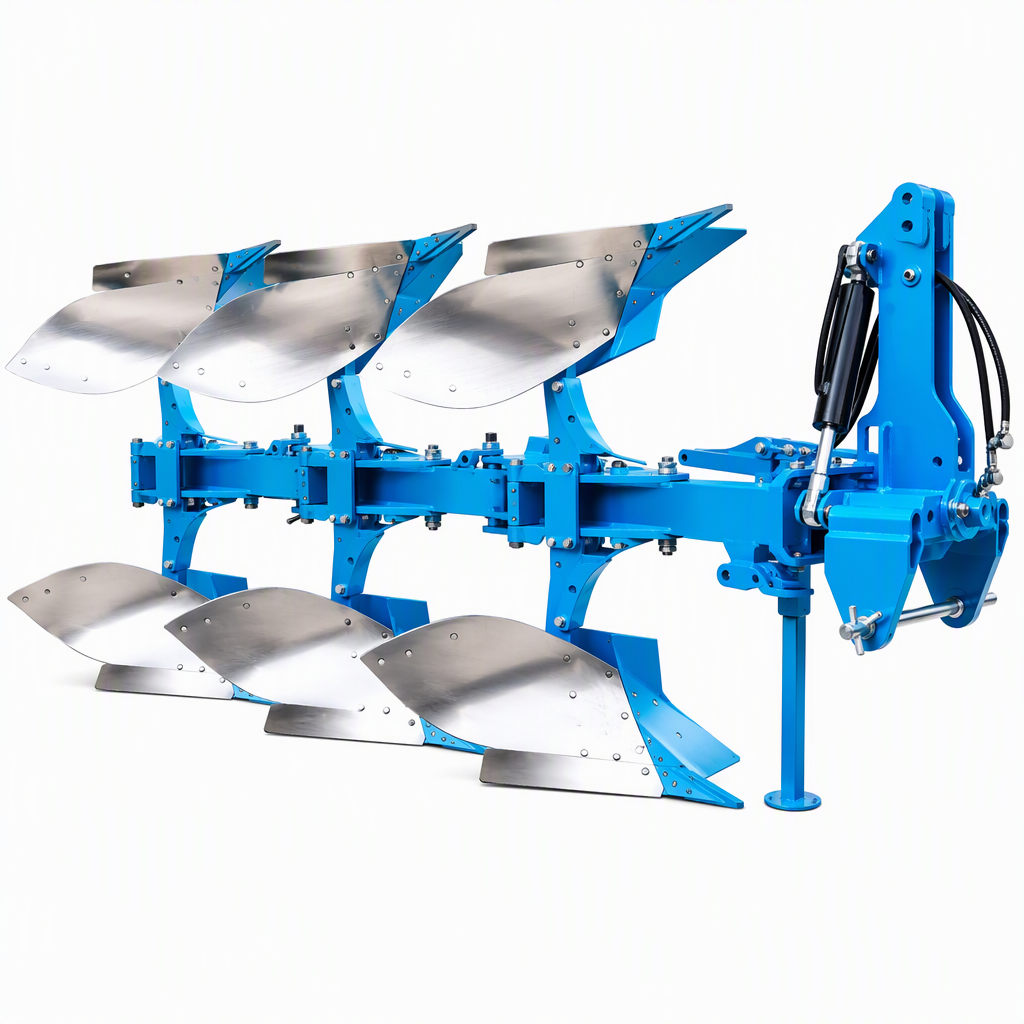
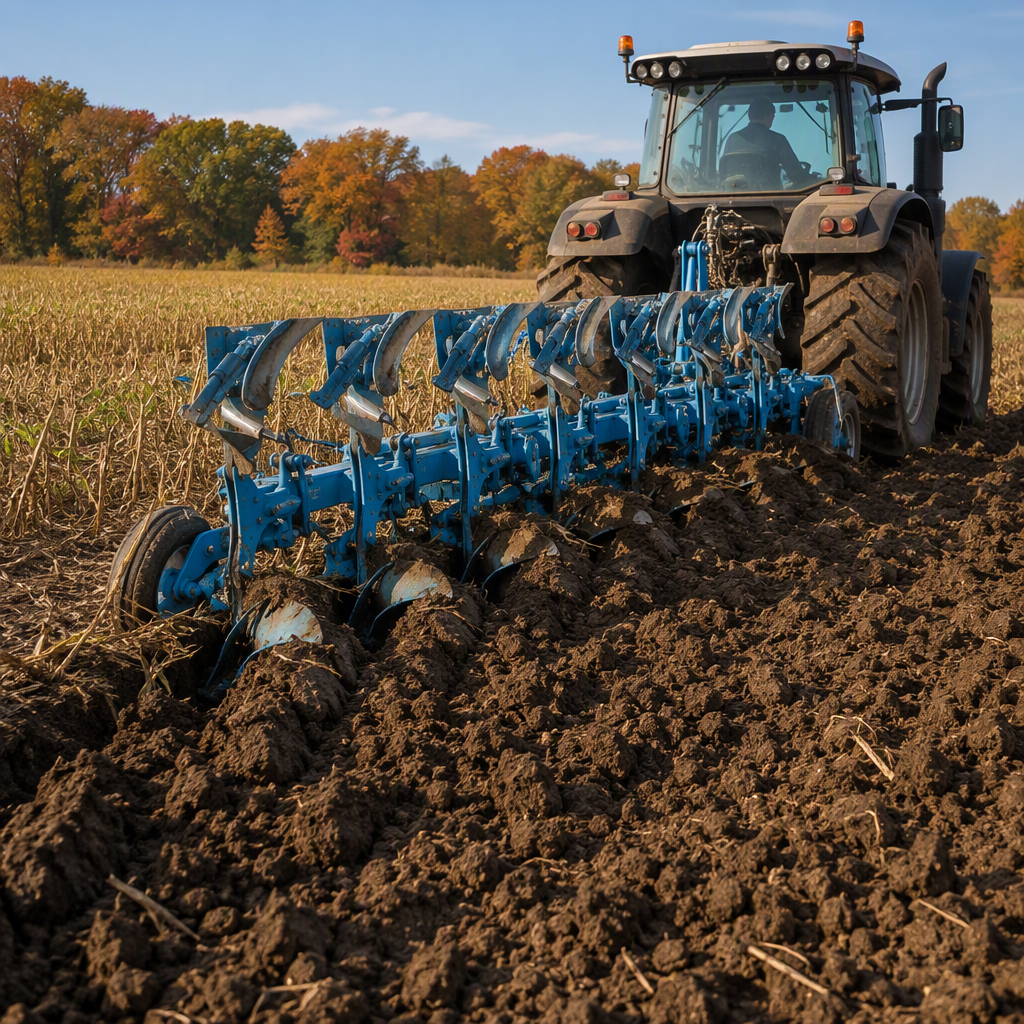
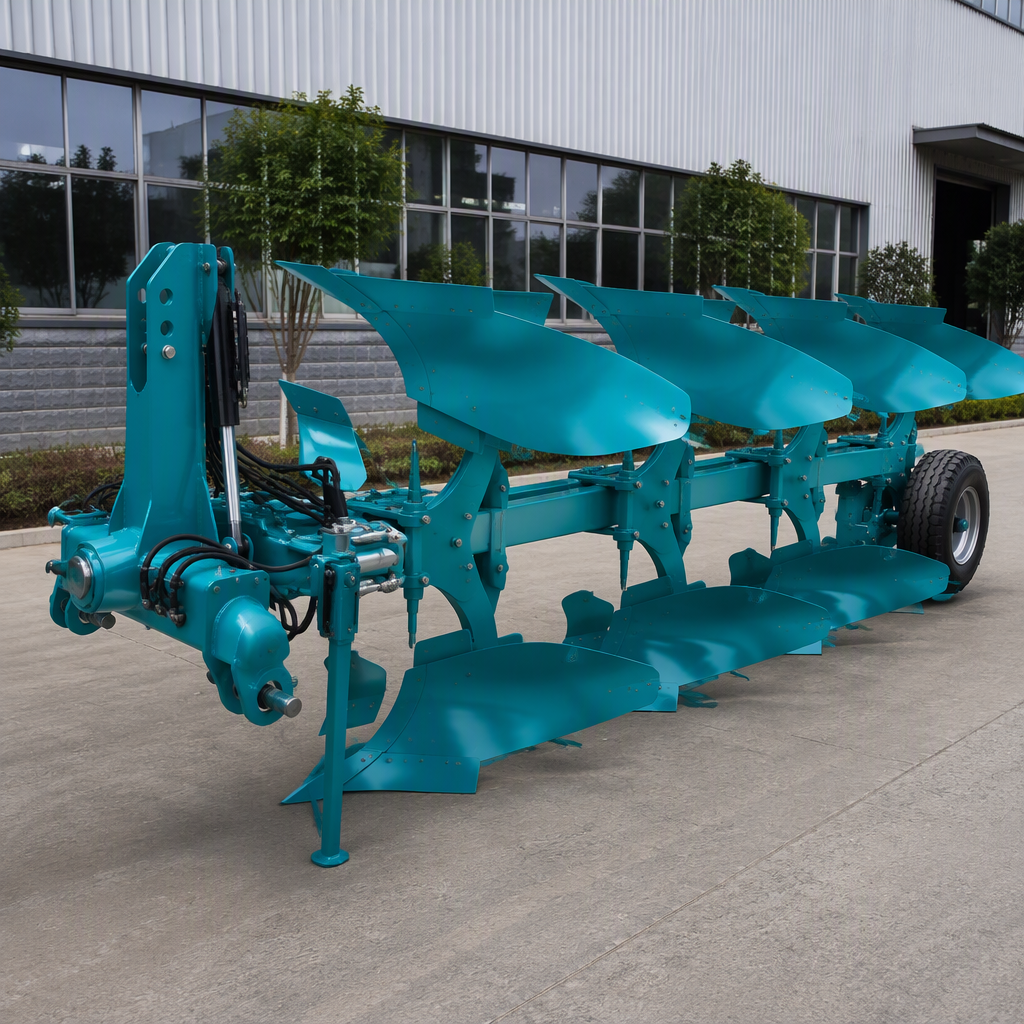
When considering agricultural machinery, the hydraulic reversible MB plough is a pivotal tool for effective tillage. This versatile implement is designed to efficiently turn and mix soil while preparing it for planting. As purchasing managers and engineers evaluate options for hydraulic reversible MB ploughs, key concerns often revolve around specifications, quality, and cost. This article will provide insights into sourcing these ploughs, focusing on critical specifications, quality control, common issues, and cost factors to help make informed purchasing decisions.

Key Specifications for Hydraulic Reversible MB Ploughs You Need

Key Specifications for Hydraulic Reversible MB Ploughs You Need

Understanding the key specifications of hydraulic reversible MB ploughs is vital for ensuring they meet your operational needs. Here are some essential specifications to consider:

Working Width: This affects how much soil is turned in one pass. Typical widths range from 2 to 5 meters, depending on the tractor’s power and the field conditions.

Number of Furrows: Ploughs can have multiple furrows, typically ranging from 2 to 7. More furrows can enhance efficiency but may require a more powerful tractor.

Frame Construction: Look for robust materials that ensure durability and resistance to wear and tear. High-strength steel is commonly used for the frame, providing the necessary strength while keeping the weight manageable.

Hydraulic System: The efficiency of the hydraulic system is critical. Ensure the plough is compatible with your existing tractor’s hydraulic system and has adequate pressure and flow rates.

Adjustability: Features that allow for quick adjustments in depth and angle can significantly improve flexibility in different soil types and conditions.

Understanding these specifications will help you select a hydraulic reversible MB plough that aligns with your operational goals and machinery compatibility.

Understanding Quality Control in Hydraulic Reversible MB Ploughs

Understanding Quality Control in Hydraulic Reversible MB Ploughs

Quality control is paramount in the manufacturing of hydraulic reversible MB ploughs. A manufacturer should implement rigorous quality assurance processes throughout production to ensure that each unit meets specified standards. This typically includes:

Material Inspections: Raw materials should be inspected for quality before production begins. Using high-quality steel and components is crucial for durability and performance.

Production Monitoring: Employing advanced manufacturing techniques and real-time monitoring systems can help detect defects early in the production process, preventing costly rework.

Testing Procedures: Finished ploughs should undergo thorough testing to ensure they perform as expected under various conditions. This may include operational tests to assess hydraulic performance, structural integrity, and ease of adjustment.

Certification: Look for manufacturers that adhere to recognized industry standards and have certifications such as CE or ISO 9001, which indicate a commitment to maintaining quality throughout the production process.

Understanding a manufacturer’s quality control measures will help ensure that the hydraulic reversible MB plough you choose will perform reliably and efficiently in the field.

Common Problems with Hydraulic Reversible MB Ploughs and Solutions

Common Problems with Hydraulic Reversible MB Ploughs and Solutions

Despite their benefits, hydraulic reversible MB ploughs can encounter common issues that may affect their performance. Here are some challenges and potential solutions:

Soil Compaction: Over time, repeated use can lead to soil compaction. To mitigate this, consider using ploughs with adjustable working depths to reduce compaction and maintain soil structure.

Hydraulic Failures: Hydraulic systems can fail due to leaks or pressure issues. Regular maintenance checks, including inspecting hoses and connections, can help identify and address problems before they escalate.

Wear and Tear: Components such as shares and mouldboards can wear down over time. Opt for ploughs with replaceable parts and plan for regular inspections to replace worn components promptly.

Poor Soil Mixing: If the plough is not adequately mixing soil, it may be due to incorrect settings or a mismatch between the plough size and tractor power. Ensure proper calibration and consider consulting the manufacturer for optimal setup recommendations.

By being aware of these common issues and their solutions, buyers can enhance the longevity and effectiveness of their hydraulic reversible MB ploughs. For example, investing in a Diesel Multicrop Grain Thresher with Double Fan for Farms can complement your operations, ensuring efficient crop processing.

Evaluating Cost Factors for Hydraulic Reversible MB Ploughs

When assessing the cost of hydraulic reversible MB ploughs, several factors come into play beyond the initial purchase price. Understanding these factors can lead to more informed purchasing decisions:

Initial Cost vs. Long-Term Value: While it may be tempting to choose the least expensive option, consider the long-term value of the plough, including durability, maintenance costs, and resale value. Investing in a higher-quality plough may yield better performance and lower operating costs over time.

Customization Options: Custom features can increase the initial cost but may provide significant benefits tailored to your specific soil and crop requirements. Factor these potential advantages into your overall assessment of value.

Shipping and Handling: Depending on your location, shipping costs can significantly impact the total expenditure. Discuss delivery options with your supplier and consider local manufacturers to reduce these costs.

Maintenance and Parts Availability: Evaluate the cost of spare parts and maintenance services. A plough that is easy to maintain and has readily available parts can save money in the long run.

By carefully evaluating these cost factors, you can make a more informed decision when purchasing hydraulic reversible MB ploughs that will support your agricultural operations effectively. Don't forget to assess additional machinery such as the Grain Crusher 3 kW Electric Mill for Poultry Feed Milling to enhance your overall farm productivity.

What to Consider When Sourcing Hydraulic Reversible MB Ploughs

When sourcing hydraulic reversible MB ploughs, it’s essential to consider several factors to ensure you select the right equipment for your agricultural needs. Start by assessing the specific requirements of your farming operations, such as soil type, field conditions, and the scale of your operations. Hydraulic reversible ploughs offer advantages such as reduced soil compaction and improved soil structure, which are beneficial for crop yields. Additionally, you might want to explore options such as the 8-25HP Diesel Walk Behind Tractor Water-Cooled Hand Start Farm Tractor for enhanced efficiency in your farming tasks.

Next, evaluate the manufacturer’s reputation and experience in the agricultural machinery sector. Look for companies with certifications like CE or ISO 9001, which indicate adherence to international quality standards. Additionally, consider customization options that can tailor the plough to your specific farming practices, ensuring optimal performance.

It is also crucial to discuss after-sales support, availability of spare parts, and maintenance requirements. A reliable supplier will provide comprehensive support throughout the lifecycle of the equipment, enhancing its value proposition.

Get a Free Quote

Our representative will contact you soon.
0/1000