Understanding Mini Tractor Rates for B2B Buyers

application/mini-tractor-rates, application/mini-tractor-rates, 
Inquiry
Inquiry

mini tractor rates

In the agricultural sector, mini tractors have become invaluable tools for enhancing productivity and efficiency on farms and plantations. These compact machines are essential for tasks like tillage, seeding, irrigation, and harvesting. However, understanding mini tractor rates and the factors influencing pricing can be challenging for B2B buyers such as purchasing managers and product managers. This article will provide clarity on what to consider when purchasing mini tractors, including key specifications, sourcing suppliers, potential challenges, and how to tailor solutions to meet specific operational needs.

Where to Find Reliable Suppliers for Mini Tractors in Bulk

Where to Find Reliable Suppliers for Mini Tractors in Bulk

Finding a reliable supplier for mini tractors requires thorough research and consideration of several factors. Here are some effective strategies:

Industry Trade Shows: Attending agricultural machinery trade shows offers a chance to interact with multiple suppliers, see their products firsthand, and gauge the quality of their offerings.

Online Marketplaces: Websites such as Alibaba and Global Sources provide platforms to connect with various manufacturers and suppliers. Buyers can compare multiple options and check ratings and reviews.

Local Distributors: Partnering with local distributors can provide advantages such as reduced shipping costs and easier access for maintenance and parts.

Industry Associations: Engaging with industry groups or associations can lead to recommendations of reputable suppliers known for quality and reliability in mini tractor manufacturing.

Direct Manufacturer Contacts: Reaching out to manufacturers like Agripros can provide insights into their product range, customization options, and bulk pricing. Direct communication often leads to better negotiation terms.

References and Reviews: Seeking references from other businesses that have purchased mini tractors can give insights into supplier reliability and product performance.

By utilizing these strategies, buyers can find trustworthy suppliers who meet their bulk purchasing needs effectively.

What Buyers Should Know

What Buyers Should Know

When purchasing mini tractors, buyers should be aware of several factors that can influence their decision-making process:

Minimum Order Quantity (MOQ): Understanding the MOQ is crucial, as it can vary significantly between suppliers. Some may require bulk orders for lower pricing, while others may offer flexibility.

Lead Time: Knowing the lead time for delivery is essential for planning operations. Buyers should inquire about production schedules and shipping times, especially if they are working on tight timelines.

Customization Options: Different farms have unique needs. Buyers should explore customization options available from the manufacturer, including modifications for specific attachments or features.

Warranty and Support: A robust warranty and post-purchase support can significantly affect the long-term value of the investment. Buyers should clarify warranty terms and available technical support services.

Quality Control Measures: Understanding the supplier's quality control processes can provide assurance of product reliability. Buyers should inquire about inspection procedures and certifications such as CE and ISO 9001.

Total Cost of Ownership: Beyond the purchase price, buyers should assess the total cost of ownership, including maintenance, fuel, and potential downtime.

By considering these factors, buyers can make informed decisions that align with their operational goals and budget.

Common Problems with Mini Tractors and Effective Solutions

Common Problems with Mini Tractors and Effective Solutions

Despite their advantages, mini tractors can encounter common issues that buyers should be aware of:

Mechanical Failures: Regular maintenance is essential to prevent mechanical failures. Buyers should establish a routine maintenance schedule and ensure that operators are trained to identify early signs of wear or malfunction.

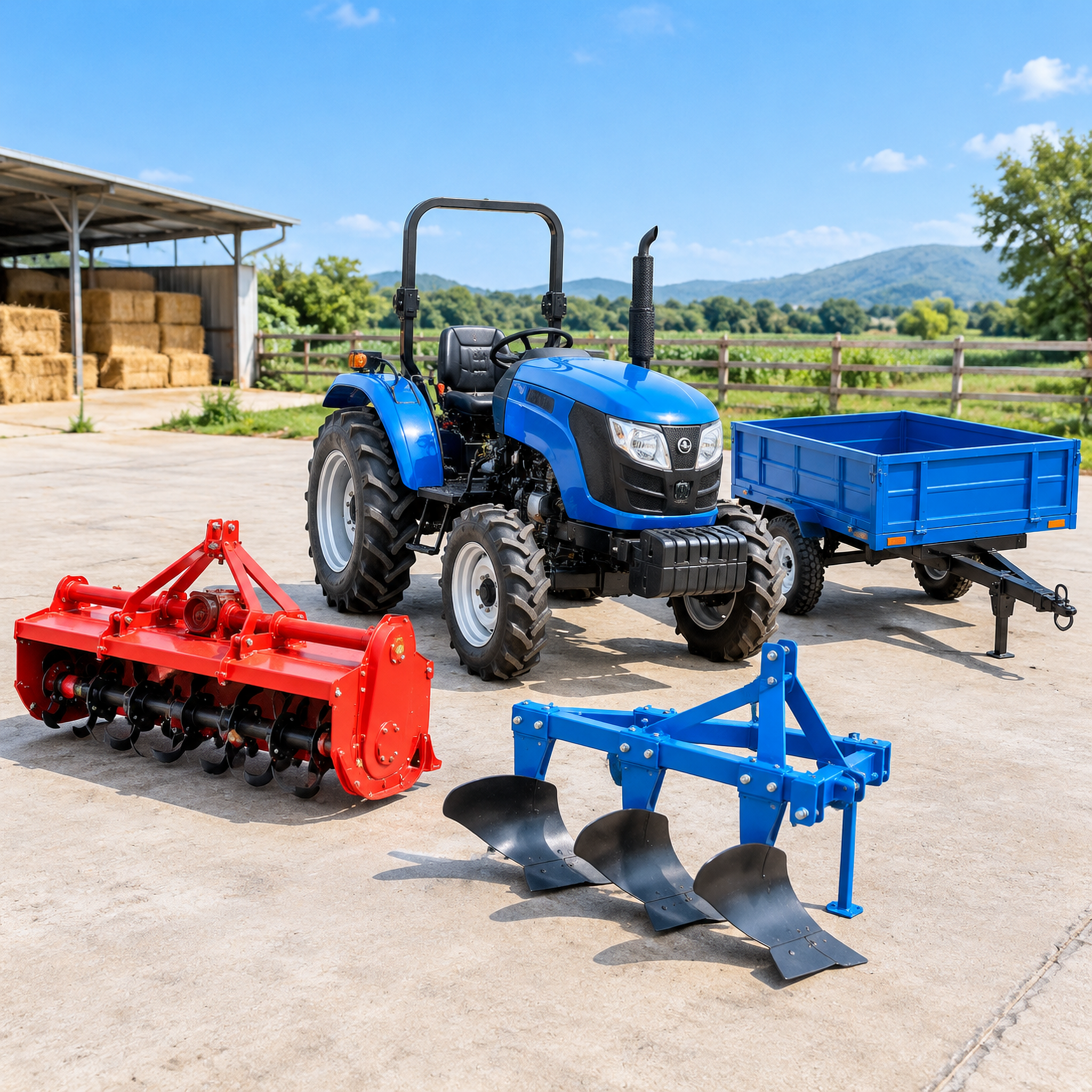
Compatibility with Attachments: Not all attachments will fit every mini tractor model. Buyers should verify compatibility before purchasing attachments to avoid operational delays.

Fuel Quality Issues: Using low-quality fuel can lead to engine problems. Buyers should ensure they source fuel from reputable suppliers and consider using fuel additives to enhance performance.

Overloading: Exceeding the tractor's weight capacity can lead to performance issues and increased wear. Buyers should be mindful of load limits and adjust operations accordingly.

Tire Wear: Poorly maintained or incorrect tire types can lead to uneven wear and reduced traction. Regularly checking tire pressure and condition can mitigate these issues.

Poor Training of Operators: Lack of proper training can lead to misuse and damage. Investing in training programs for operators can enhance safety and prolong the lifespan of the equipment.

By being proactive about these common problems, buyers can significantly reduce downtime and improve the overall performance of their mini tractors.

Tailoring Solutions for Your Needs

Each agricultural operation has unique requirements, and tailoring solutions to meet specific needs can optimize productivity. Here are ways to customize mini tractors:

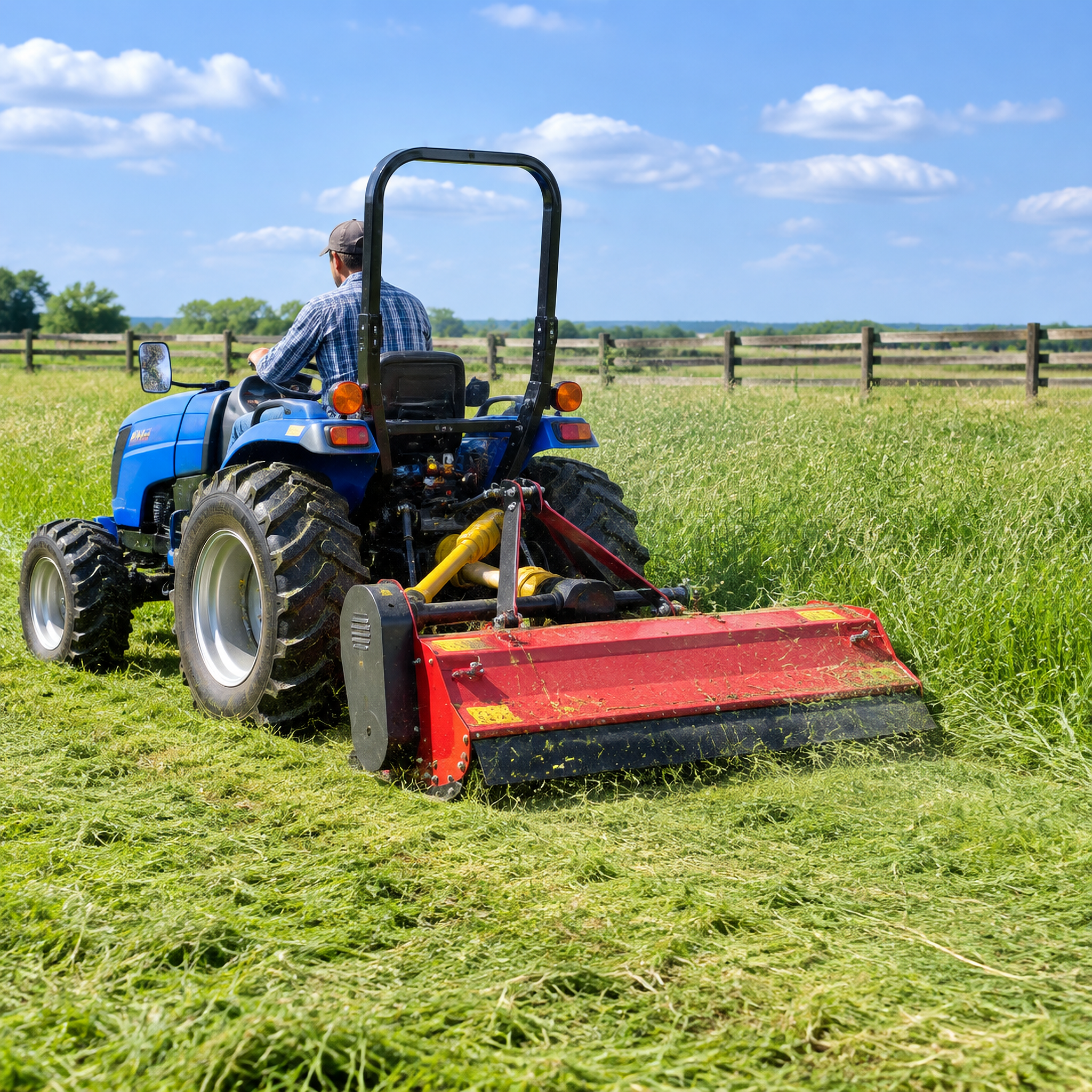
Attachment Selection: Depending on the primary tasks—whether tilling, seeding, or irrigation—selecting the right attachments can enhance functionality. Buyers should assess the most common tasks and consult with suppliers about compatible attachments, such as the Grain Feed Ingredient Mixer – 500-5000L Crusher & Blender.

Performance Modifications: Some suppliers offer performance modifications such as upgraded engines or enhanced hydraulic systems. Discussing specific operational challenges with the supplier can lead to beneficial adjustments.

Ergonomic Features: For operators who spend long hours on the tractor, ergonomic modifications can improve comfort and efficiency. Features like adjustable seats, easy-to-reach controls, and climate control can enhance user experience.

Technology Integration: Incorporating technology such as GPS tracking and precision agriculture tools can provide valuable data for improved decision-making and efficiency. Buyers should explore modern technology options that may be compatible with their mini tractors.

Custom Branding: For businesses looking to develop their brand identity, custom paint jobs or branding on the tractors can reinforce company presence in the field.

By considering these tailored solutions, buyers can enhance the functionality and effectiveness of their mini tractors to better suit their operational needs.

Key Specifications to Consider

When evaluating mini tractors, several key specifications should be prioritized to ensure the machine meets operational requirements.

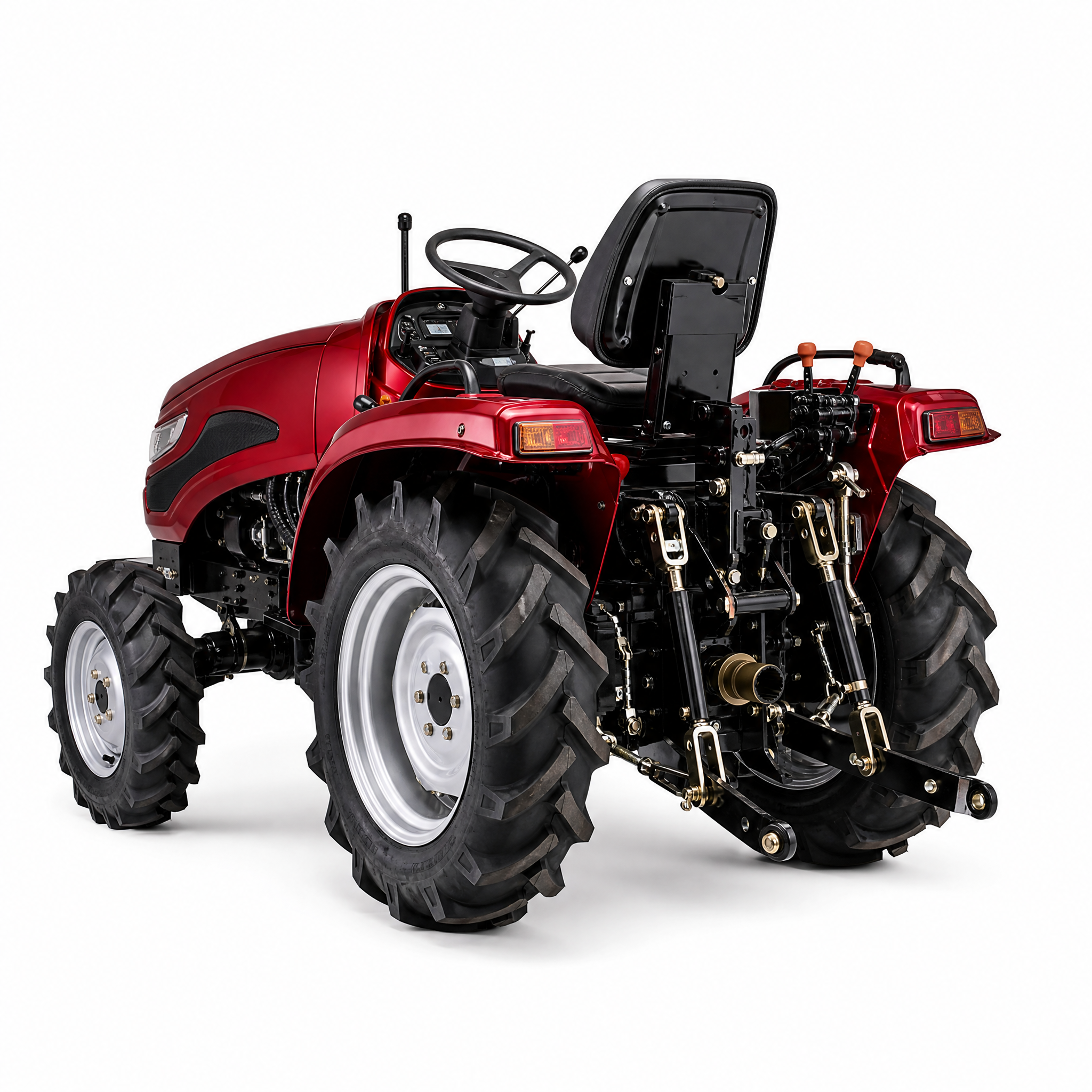
Engine Power: Typically measured in horsepower (HP), engine power determines the tractor's capability in various tasks. For heavy-duty applications, a higher HP is beneficial, while lighter tasks may require less.

Weight and Size: A mini tractor's dimensions and weight affect its stability and maneuverability. Buyers should consider the terrain and available space on their farms while selecting the appropriate size.

Hydraulic System: The hydraulic system's capacity and efficiency impact the tractor’s ability to operate attachments such as plows and seeders. A robust hydraulic system is essential for maximizing productivity.

Transmission Type: Mini tractors come with different transmission options, including manual and automatic. Understanding the operational preferences and conditions will help buyers choose the right transmission.

Tire Type: The choice of tires affects traction and stability. Buyers should consider whether they need turf tires for softer ground or agricultural tires designed for more rugged terrain.

Fuel Efficiency: With rising fuel costs, considering the tractor's fuel efficiency is vital. Efficient models can lead to significant cost savings over time. For instance, the Mini Diesel Tractor 2WD 10HP with Rotary Tiller for Farms is known for its fuel efficiency.

Understanding these specifications helps ensure that the purchased mini tractor aligns well with the specific requirements and operational environment of the buyer.

Get a Free Quote

Our representative will contact you soon.
0/1000