Key Benefits of Mini Tractors for Distributors

application/mini-tractor-mini-tractor, application/mini-tractor-mini-tractor, 
Inquiry
application/mini-tractor-mini-tractor, application/mini-tractor-mini-tractor, 
Inquiry

mini tractor mini tractor

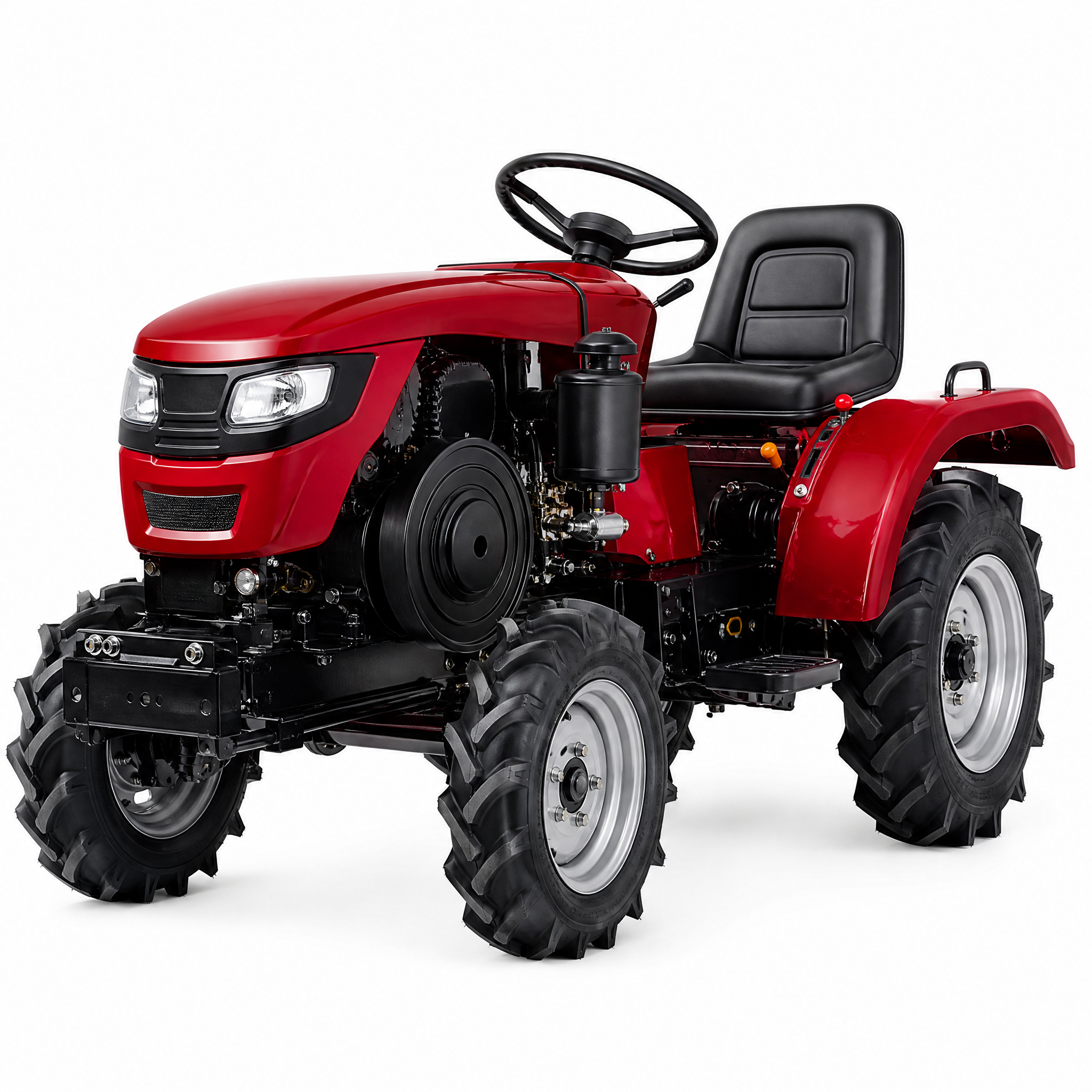
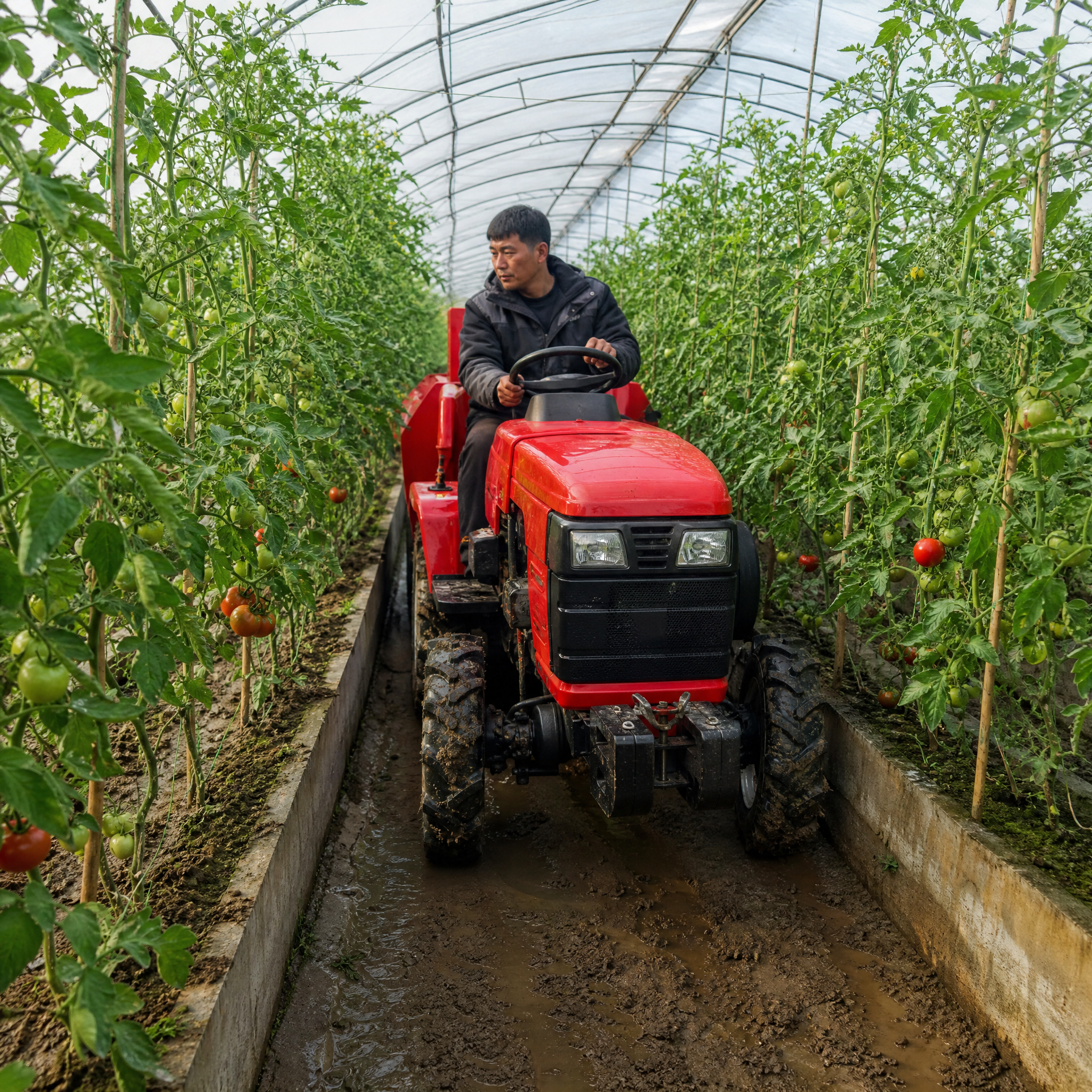
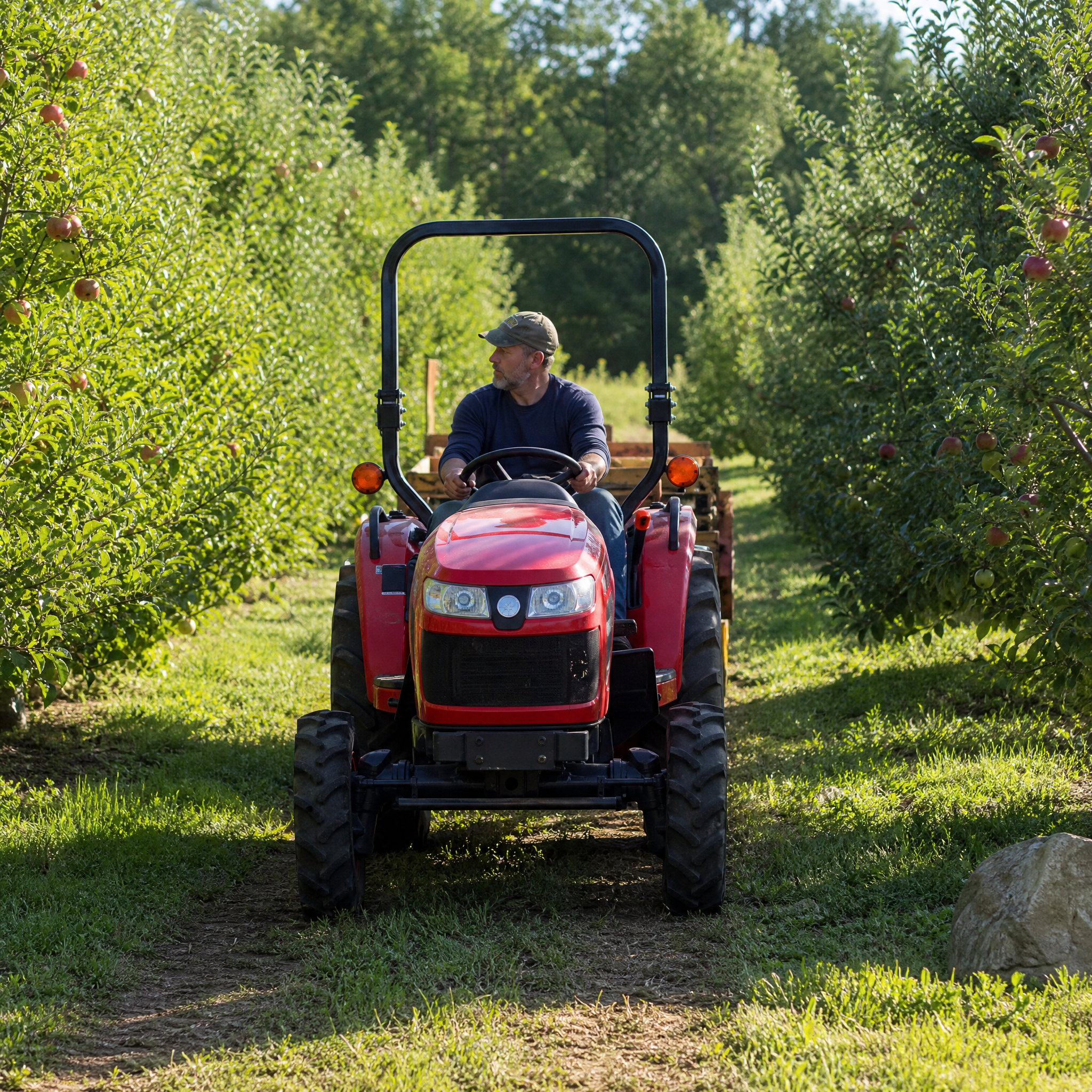
Mini tractors are versatile agricultural machines designed for various tasks such as tillage, seeding, irrigation, and harvesting. For distributors and importers, understanding the nuances of mini tractors is essential, as they represent a significant investment for end-users. This article will explore the key benefits of mini tractors, provide an overview of their specifications, discuss cost considerations for bulk orders, share best practices for procurement, and highlight their versatility for contractors.

A Comprehensive Overview

A Comprehensive Overview

Mini tractors generally come with a range of specifications tailored to meet diverse agricultural needs. Key specifications include engine power, which typically ranges from 15 to 50 horsepower, and operating weight, which can vary from 500 kg to 1,500 kg. The choice of engine type—diesel or gasoline—can influence fuel efficiency and maintenance needs.

Understanding the various attachments and implements that can be used with mini tractors is crucial. Options such as front-end loaders, backhoes, and tillers can significantly expand a mini tractor's functionality. Buyers should evaluate their specific agricultural requirements to determine the most suitable attachments, as these can affect performance and overall utility.

Another essential consideration is the tractor's turning radius and maneuverability, particularly for operations in tight spaces. Buyers should also inquire about the ease of maintenance, availability of spare parts, and service support, which are crucial factors for long-term ownership satisfaction.

Cost Considerations for Bulk Orders of Mini Tractors

Cost Considerations for Bulk Orders of Mini Tractors

When purchasing mini tractors in bulk, several cost considerations come into play. The price per unit often decreases with larger order quantities, making it economically advantageous for distributors. However, importers should also consider the total cost of ownership, including shipping, customs duties, and any additional equipment needed for operation.

It is essential to evaluate the minimum order quantity (MOQ) set by manufacturers. This can vary based on the supplier's production capacity and market demand. Understanding lead times for production and delivery is equally important when planning inventory and sales strategies.

Buyers should also consider the long-term operating costs associated with maintenance, fuel consumption, and potential repairs. Choosing mini tractors with proven reliability and a good warranty can mitigate unforeseen expenses and enhance customer satisfaction.

Best Practices and Tips

Best Practices and Tips

To ensure a successful procurement process for mini tractors, buyers should follow several best practices:

Request Detailed Specifications: Ensure that the supplier provides comprehensive technical specifications for each model, including engine type, horsepower, and compatibility with various attachments.

Evaluate Samples: Before finalizing a bulk order, it’s advisable to obtain a sample unit. Testing the sample under actual operating conditions can help verify performance and identify any potential issues.

Confirm Compliance: Verify that the mini tractors meet relevant industry standards and certifications, such as CE and ISO, which indicate adherence to quality and safety protocols.

Inquire About Customization: Discuss any customization options the manufacturer may offer, as this can enhance the tractor's suitability for specific agricultural tasks and improve market appeal.

Build Relationships with Suppliers: Establishing a good rapport with suppliers can facilitate better communication and support. This relationship can be invaluable for addressing concerns regarding delivery, quality control, and service.

Versatile Solutions for Contractors

Mini tractors are not only ideal for farmers but also provide versatile solutions for contractors involved in landscaping, construction, and municipal services. Their compact size allows them to operate effectively in urban environments, where space is often limited.

For landscaping contractors, mini tractors can be equipped with various attachments, such as sprayers & fertilizers, tillers, and mowers, allowing them to efficiently handle a range of tasks from soil preparation to lawn maintenance. In construction, attachments like augers and backhoes enable mini tractors to perform excavation and material handling efficiently.

Contractors should consider the weight and power of the mini tractor to ensure it can handle the specific tasks required for their projects. Additionally, they should evaluate the availability of attachments that can enhance the tractor's capabilities, allowing for a more diverse range of services.

Mini tractors present a compelling option for distributors, importers, and contractors alike. Their versatility, efficiency, and compliance with quality standards make them a valuable addition to the agricultural and contracting sectors. By understanding the key benefits, specifications, cost considerations, and best practices outlined, buyers can make informed decisions that meet their operational needs.

Key Benefits for Distributors and Importers

Mini tractors offer numerous advantages that make them appealing to distributors and importers. Their compact size allows for operation in limited spaces, making them ideal for small to medium farms where larger equipment may not maneuver easily. They are often equipped with a range of attachments, such as tillers, mowers, and plows, enhancing their functionality across various agricultural tasks. Additionally, attachments like seeders & transplanters can significantly increase the productivity of mini tractors.

Additionally, mini tractors typically consume less fuel than their larger counterparts, reducing operational costs for end-users. With CE and ISO 9001 certifications, like those offered by Agripros, these tractors also meet stringent quality and safety standards, making them more attractive to buyers concerned about compliance and reliability.

Importers can also benefit from the growing demand for sustainable and efficient agricultural solutions. As farming practices evolve towards precision agriculture, mini tractors equipped with advanced technology can provide significant advantages, including better crop management and reduced labor costs. For instance, irrigation systems that work in tandem with mini tractors can optimize water usage and enhance crop yields.

Get a Free Quote

Our representative will contact you soon.
0/1000