Understanding Mini Tractor Cultivator Pricing

application/mini-tractor-cultivator-price, application/mini-tractor-cultivator-price, 
Inquiry
application/mini-tractor-cultivator-price, application/mini-tractor-cultivator-price, 
Inquiry

mini tractor cultivator price

Understanding the pricing of mini tractor cultivators is crucial for wholesale buyers in the agricultural machinery market. As a vital tool for tillage, seeding, and soil preparation, the mini tractor cultivator plays a significant role in enhancing farm productivity. This article will address the primary buyer concerns related to mini tractor cultivator price, specifications, and other factors that influence purchasing decisions. By the end, readers will have a clearer understanding of how to evaluate and negotiate prices for mini tractor cultivators effectively.

Key Specifications to Evaluate in Mini Tractor Cultivators

Key Specifications to Evaluate in Mini Tractor Cultivators

When evaluating mini tractor cultivators, several key specifications are critical to ensure that the equipment meets the intended agricultural applications. Buyers should focus on:

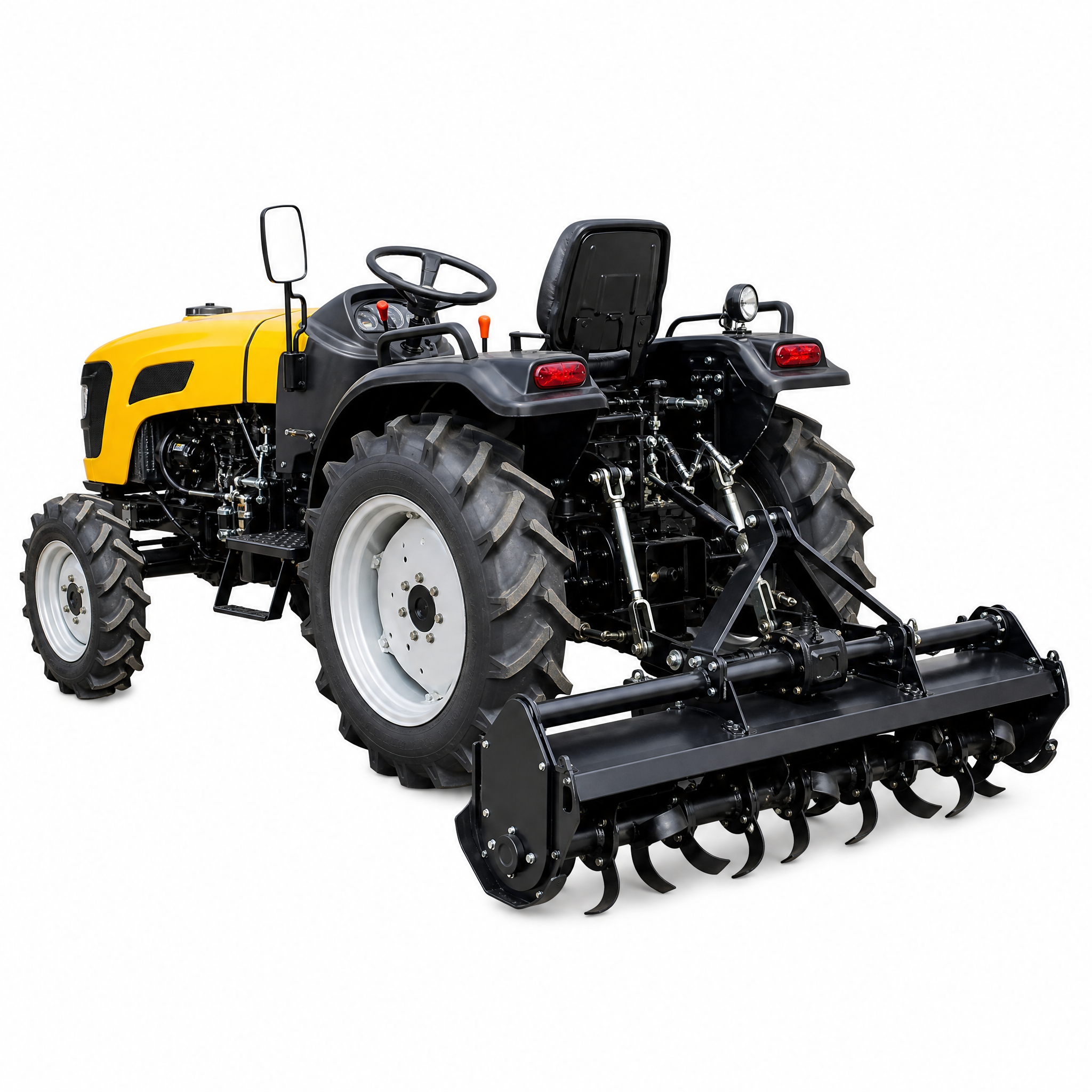
Engine Power: Typically measured in horsepower (HP), this affects the cultivator's performance and ability to handle different soil types. A higher HP generally allows for greater tilling depth and efficiency.

Tilling Width and Depth: The width of the cultivator's working area and how deep it can till are crucial factors. A wider and deeper cultivator can cover more ground, making it suitable for larger plots.

Weight: The weight of the cultivator impacts its stability and performance. Heavier models tend to provide better soil penetration but may require a more powerful tractor.

Build Quality and Materials: Look for cultivators made from high-quality materials that can withstand harsh agricultural conditions. Steel frames and durable tines are preferable for longevity.

Adjustability: Many cultivators offer adjustable settings for tilling width and depth. This versatility allows operators to adapt the equipment to different soil types and crop requirements.

Understanding these specifications will help buyers select a mini tractor cultivator that not only meets their current needs but also offers flexibility for future agricultural tasks, such as using Cultivators & Tillers for different soil preparation techniques.

A Buyeru2019s Guide

A Buyeru2019s Guide

Navigating the purchasing process for a mini tractor cultivator requires careful consideration and preparation. Wholesale buyers should follow these steps to ensure a successful purchase:

Research Suppliers: Identify reputable suppliers and manufacturers with a strong track record in agricultural machinery. Look for certifications such as CE and ISO 9001, which indicate adherence to quality standards.

Request Quotes: When requesting quotes, provide detailed information about your needs, including the desired specifications, intended applications, and order volume. This information will help suppliers offer competitive pricing.

Evaluate Samples: Before committing to a bulk order, request a sample or demo unit to assess performance and suitability for your specific agricultural tasks. This firsthand experience can highlight any potential issues.

Review Warranty and Support: Ensure that the supplier offers a comprehensive warranty and reliable after-sales support. Understanding the terms of service can save costs on maintenance and repairs in the long run.

Negotiate Terms: Don’t hesitate to negotiate terms, including price, delivery schedules, and payment options. Building a good relationship with suppliers can lead to better deals in future transactions.

By following these steps, buyers can streamline their purchasing process and secure a mini tractor cultivator that meets their operational needs, possibly alongside other essential equipment like Processing Machines.

Cost Factors Affecting Mini Tractor Cultivator Wholesale Pricing

Cost Factors Affecting Mini Tractor Cultivator Wholesale Pricing

Several cost factors influence the wholesale pricing of mini tractor cultivators. Buyers should be aware of these elements to make informed financial decisions:

Material Costs: The price of raw materials such as steel and components directly affects the overall cost of the cultivators. Fluctuations in these prices can lead to changes in final pricing.

Manufacturing Processes: The complexity of the manufacturing process impacts labor costs and production efficiency. More sophisticated production methods may lead to higher prices but often result in improved product quality.

Customization Options: Custom features or modifications can significantly increase the cost. If a buyer requires specific adaptations for their cultivator, they should confirm these costs upfront.

Shipping and Logistics: Transportation costs from the manufacturer to the buyer's location can vary based on distance and shipping methods. Buyers should factor these costs into their budgets.

Market Demand and Supply: Seasonal fluctuations in demand for agricultural equipment can affect pricing. During peak planting seasons, prices may rise due to increased demand.

Understanding these cost factors will enable buyers to negotiate effectively and assess whether the price aligns with their budget and operational requirements.

Installation Guide for Your Mini Tractor Cultivator Purchase

Proper installation of a mini tractor cultivator is vital for optimal performance and longevity. Here are key steps and considerations for a successful installation:

Prepare the Site: Ensure that the installation area is clear of debris and obstacles. A level surface is ideal for setting up the cultivator, as it ensures stability during operation.

Read the Manual: Each cultivator comes with a manufacturer’s manual that outlines specific installation instructions. Familiarizing yourself with these guidelines will help avoid installation errors.

Check Compatibility: Ensure that the cultivator is compatible with your tractor model. Verify the connection type and any required adapters or attachments.

Assemble Components: Follow the manual to assemble any parts that require pre-installation setup. This may include attaching tines, wheels, and other accessories.

Perform a Test Run: After installation, conduct a test run to ensure that the cultivator is operating correctly. Check for any unusual noises or malfunctions during the initial operation.

By following these installation guidelines, buyers can ensure that their mini tractor cultivator is set up for effective use, enhancing overall productivity in their agricultural operations.

Understanding Mini Tractor Cultivator Pricing for Wholesale Buyers

When considering the price of mini tractor cultivators, wholesale buyers should first understand that prices can vary significantly based on several factors. These include the brand, model, specifications, and additional features. A mini tractor cultivator typically ranges from a few hundred to several thousand dollars, depending on its capabilities and the manufacturer.

It's essential for buyers to compare prices from different suppliers while also considering the value each model offers in terms of performance, durability, and after-sales support. Price negotiations can also be influenced by order volume; larger orders may lead to better pricing options due to economies of scale. Additionally, buyers should inquire if the pricing includes delivery and installation, which can further affect the overall investment. For instance, certain suppliers also provide Irrigation Systems that might complement the mini tractor cultivators.

Get a Free Quote

Our representative will contact you soon.
0/1000