Understanding the Applications of Mould Ploughs in Agriculture
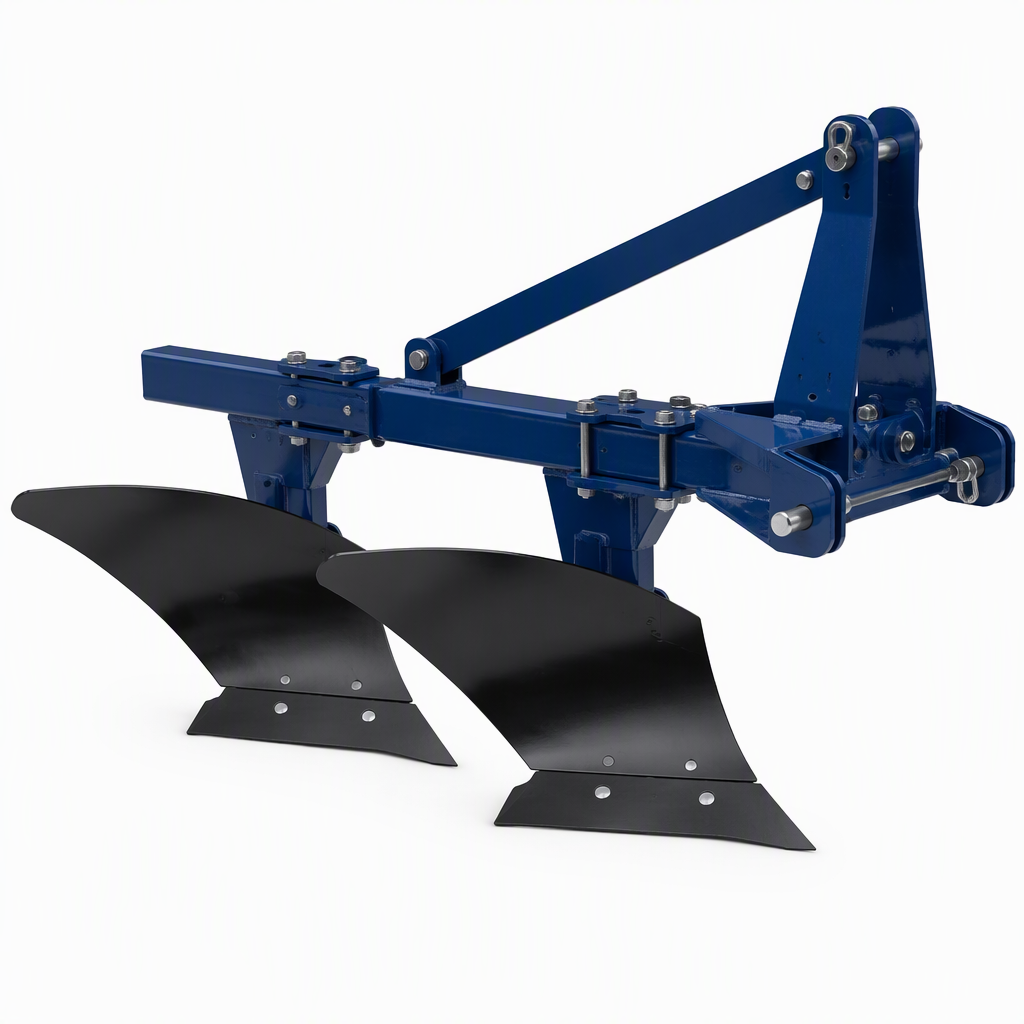
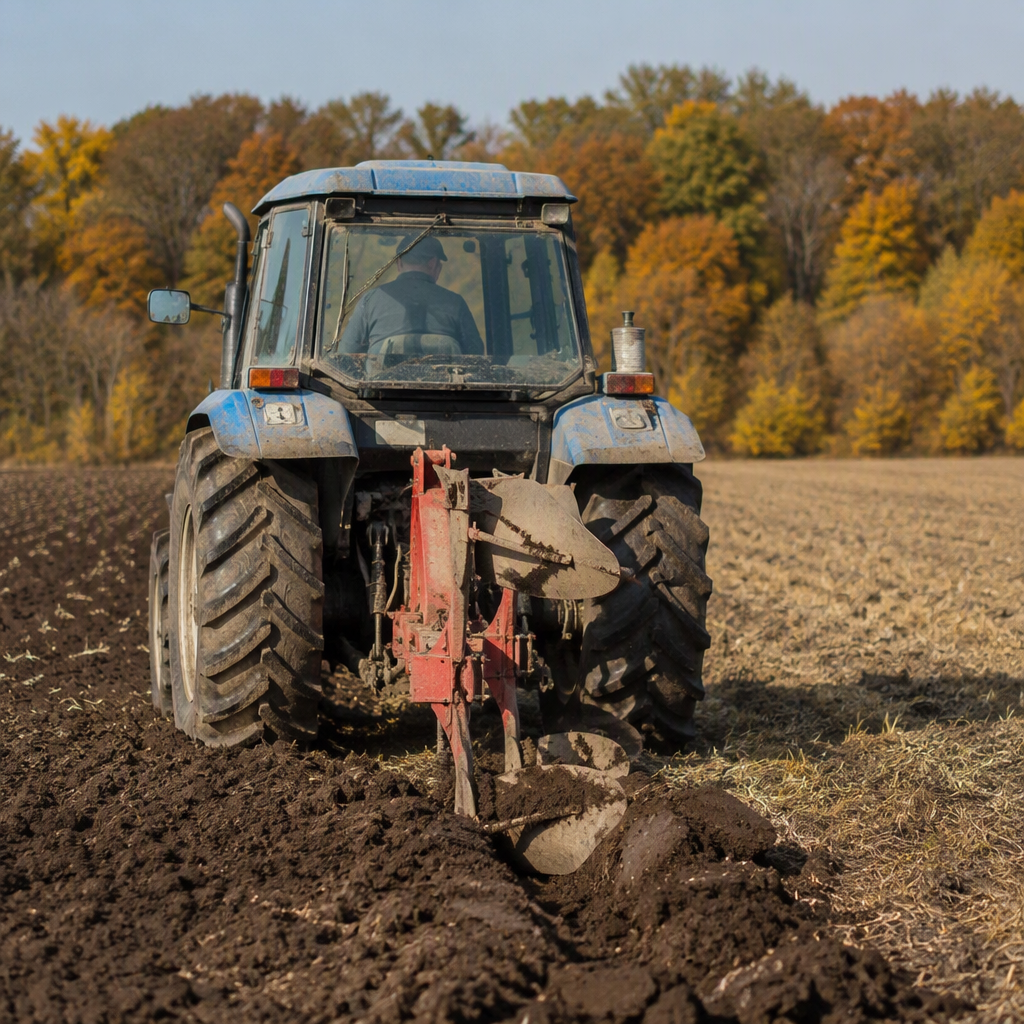
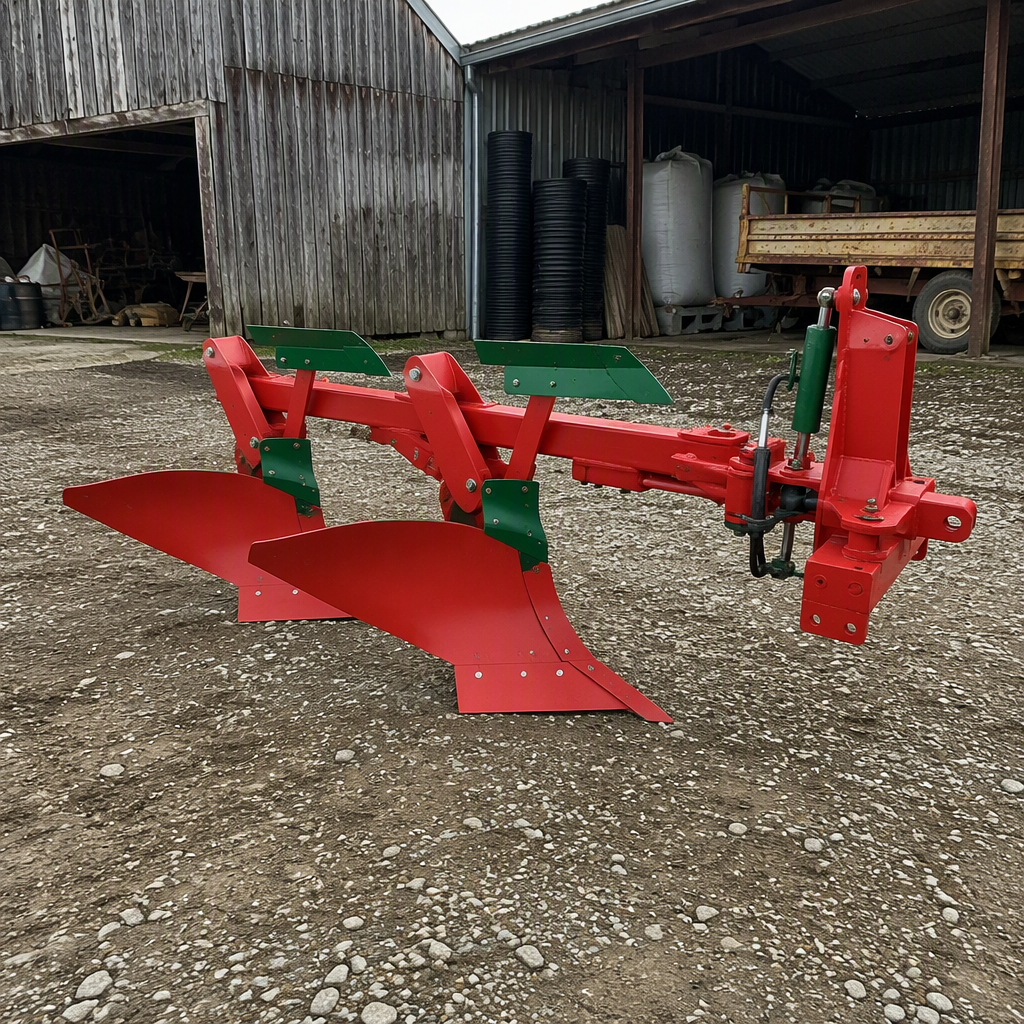
Mould ploughs serve various applications in agriculture, primarily focused on soil preparation. They are designed to turn over the topsoil, aerating it and burying crop residues, which improves soil structure and health. This is particularly important for organic farming practices, where soil quality directly influences crop yield and sustainability.
In addition to traditional tillage, mould ploughs can be used in various soil types, from sandy to clay-rich soils, making them versatile tools for different agricultural environments. They can also be adapted for specific crops, providing precise tillage solutions that cater to the needs of delicate plants or heavier root systems.
Furthermore, understanding how mould ploughs integrate into broader farming practices—such as crop rotation and conservation tillage—can enhance their effectiveness. Proper use of mould ploughs can improve soil moisture retention, reduce erosion, and support overall farm productivity.
By recognizing the specific applications and benefits of mould ploughs, buyers can make informed decisions that align with their agricultural strategies and objectives.
 EN