Choosing the Right Small Tractor for Your Business

application/small-tractor, application/small-tractor, 
Inquiry
Inquiry

small tractor

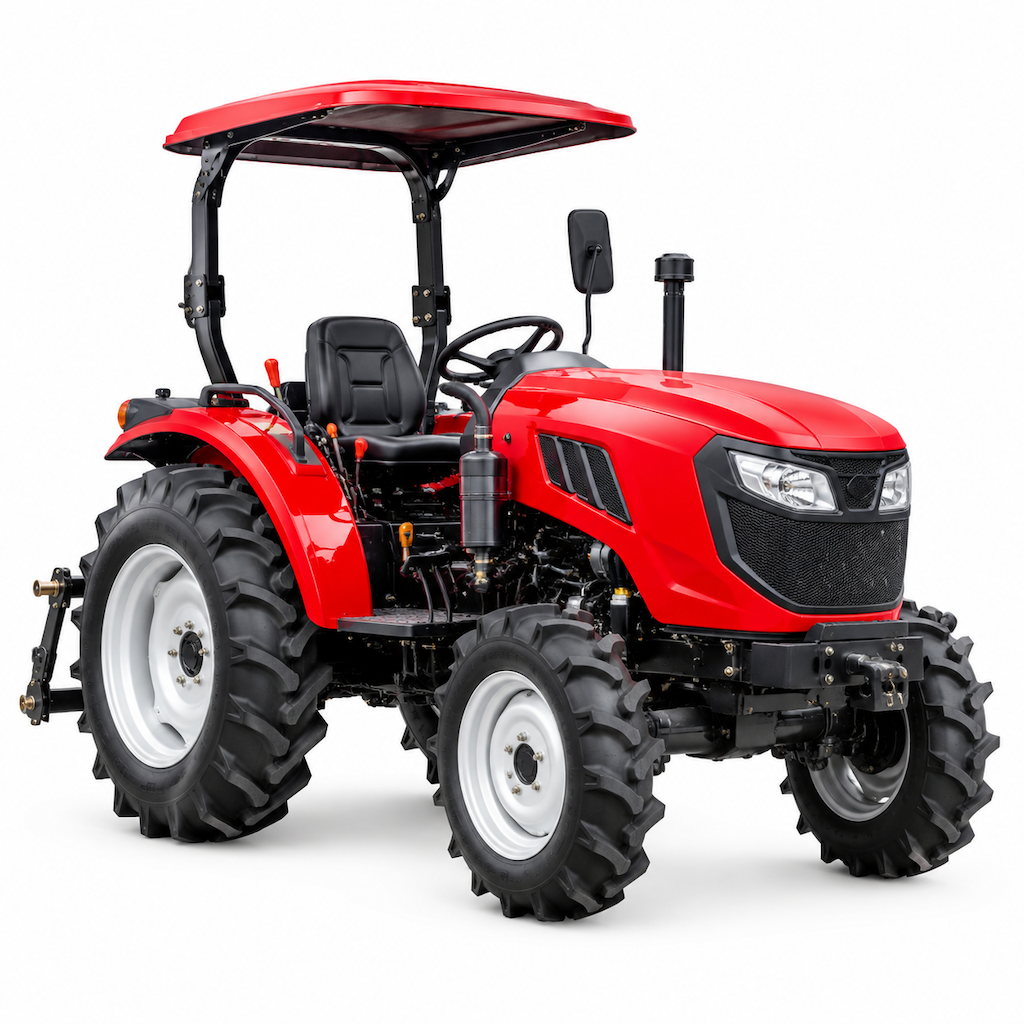
When considering agricultural operations, small tractors play a vital role in enhancing productivity and efficiency. These versatile machines are designed to handle various tasks such as tillage, seeding, and irrigation, which are crucial for successful farming. For B2B buyers, including purchasing managers and agricultural engineers, the right small tractor can significantly impact operational costs and productivity. This article will explore essential factors to consider when selecting a small tractor, sourcing reliable suppliers, understanding cost considerations in bulk purchases, addressing common problems, and examining the applications of small tractors in diverse agricultural settings.

Where to Find Reliable Suppliers for Small Tractors in Your Region

Where to Find Reliable Suppliers for Small Tractors in Your Region

Finding a trustworthy supplier is essential for acquiring high-quality small tractors. Here are strategies to identify reliable sources:

Industry Connections: Networking within industry associations or agricultural expos can yield valuable contacts. Engaging with other farmers or agricultural businesses can provide recommendations based on firsthand experiences.

Online Marketplaces and Directories: Utilize online resources such as specialized agricultural machinery directories or B2B marketplaces. These platforms often feature supplier ratings and reviews that can help you assess reliability.

Local Dealers and Distributors: Consider approaching local dealers who have established relationships with manufacturers. They often provide after-sales support and maintenance services, which can be beneficial for ongoing operations.

Manufacturer Websites: Researching manufacturers like Agripros, known for their agricultural machinery, can provide insights into their distribution networks and authorized dealers in your region.

Trade Shows: Attending trade shows focused on agricultural technology can help you meet suppliers directly, allowing you to assess their products and services firsthand.

Cost Factors to Consider When Purchasing Small Tractors in Bulk

Cost Factors to Consider When Purchasing Small Tractors in Bulk

When considering bulk purchases of small tractors, understanding the associated cost factors is crucial. Here are some key aspects to evaluate:

Unit Price and Discounts: Suppliers often provide discounts for bulk orders. Inquire about tiered pricing models based on the quantity you plan to purchase to enhance your budget management.

Shipping and Handling Costs: Factor in the logistics of transporting multiple units. Shipping costs can vary significantly based on distance and the method of transport. Ensure these costs are included in your total budget.

Customization Fees: If your operational needs require specific modifications to the tractors, clarify any customization fees with your supplier. Customization may enhance functionality but can also increase overall costs.

Financing Options: Explore financing options that suppliers may offer for bulk purchases. This can help manage cash flow and make higher upfront costs more manageable.

Warranty and Service Agreements: Consider the cost of warranty and service agreements. A comprehensive warranty can save money on repairs and maintenance, making it a vital aspect of your total cost assessment.

Common Problems with Small Tractors and Effective Solutions

Common Problems with Small Tractors and Effective Solutions

While small tractors are invaluable, they can encounter common issues that may affect performance. Here are some problems and practical solutions:

Overheating: Small tractors may overheat during extended use, especially in hot weather. Ensure regular maintenance checks on the cooling system, including flushing the radiator and checking coolant levels to prevent overheating issues.

Hydraulic System Failures: Problems with the hydraulic system can hinder operations. Regularly inspect hydraulic fluid levels and connections. Use high-quality hydraulic fluid to minimize the risk of failures.

Battery Issues: Small tractors often face battery-related problems, especially in colder climates. Maintaining a charged battery and checking connections can help avoid starting issues during critical operating periods.

Tire Wear: Tire wear can significantly impact traction and efficiency. Regularly inspect tire pressure and tread conditions, and replace tires as needed to ensure optimal performance.

Electrical Problems: Electrical failures can occur, impacting the tractor's functionality. Regular checks of wiring and connections, especially after heavy use, can help identify potential issues before they become severe.

Applications of Small Tractors in Various Agricultural Settings

Small tractors are versatile machines that can be applied across numerous agricultural settings. Here are several applications:

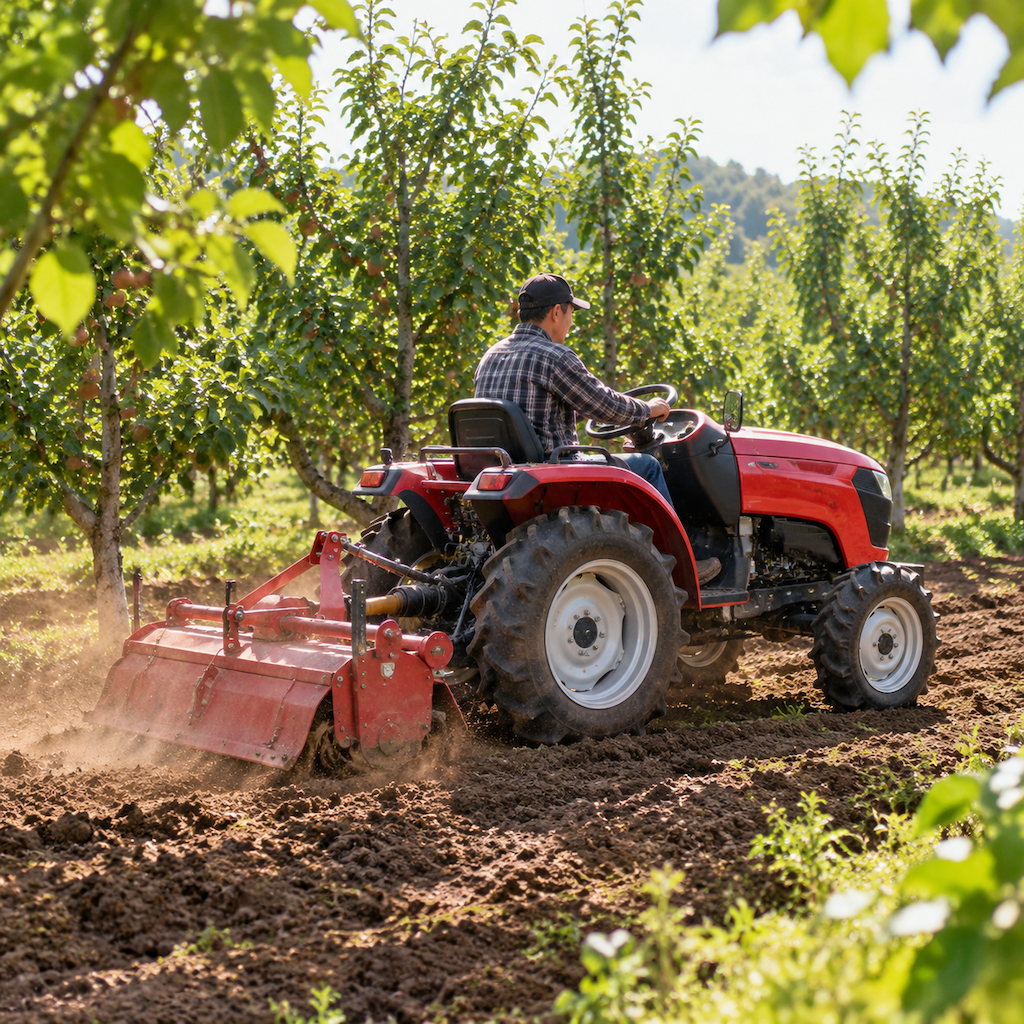
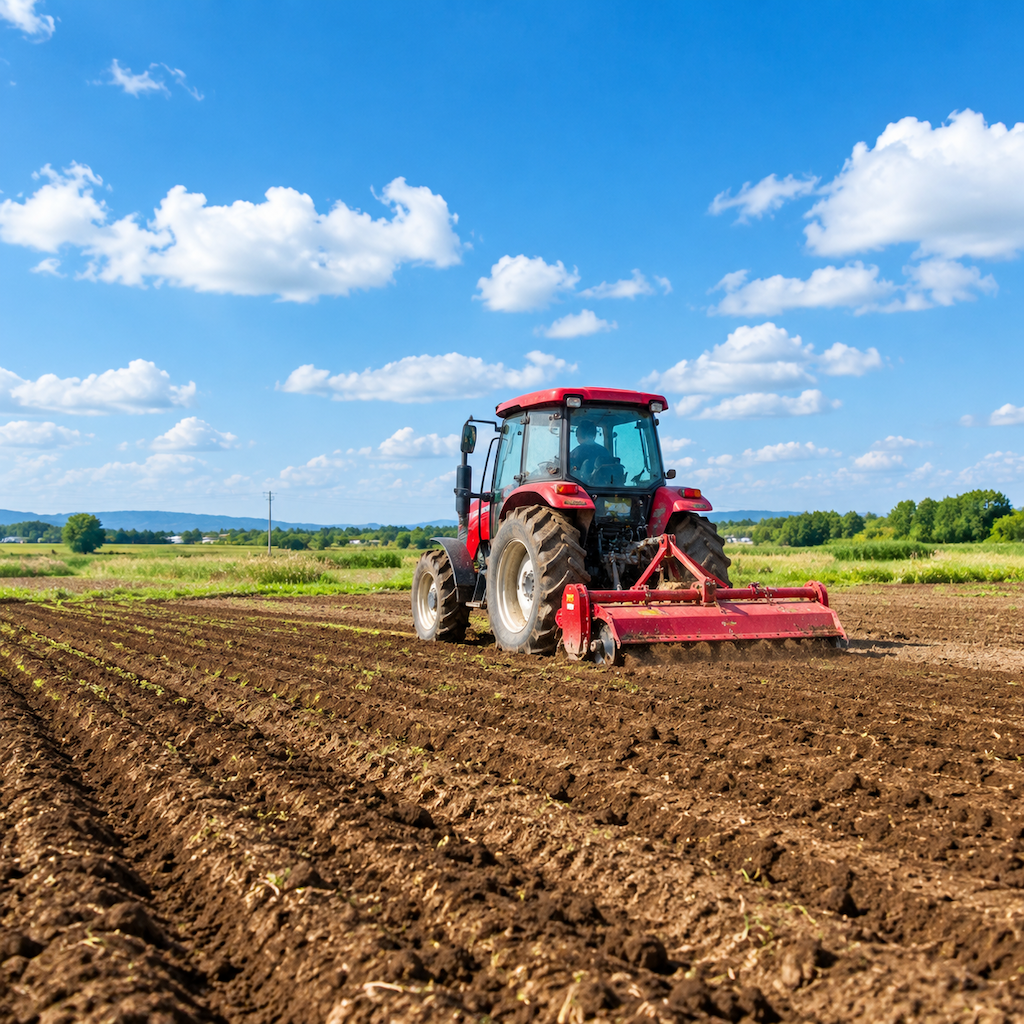
Tillage and Soil Preparation: Small tractors excel in preparing fields for planting by tilling the soil effectively, ensuring optimal conditions for seed germination and growth.

Seeding: These tractors can be fitted with seeders, allowing for efficient sowing of various crops. Their maneuverability makes them suitable for smaller plots where larger equipment may not be practical.

Irrigation: Small tractors can support irrigation systems, helping to maintain consistent moisture levels for crops. They can pull irrigation equipment or assist in setting up irrigation systems. For example, a Gasoline Water Pump 2-4 Inch Self-Priming for Irrigation can be an excellent addition to your irrigation setup.

Harvesting: In smaller fields or specialty crops, small tractors can be equipped with harvesting tools that facilitate the efficient collection of produce.

Transport: They are often used for transporting goods, such as harvested crops or equipment, across the farm, enhancing logistical efficiency.

By understanding these applications, buyers can better assess the specific features and capabilities needed in a small tractor to meet their operational goals effectively.

Investing in a small tractor is a significant decision for any agricultural business. By carefully considering the factors outlined, buyers can make informed choices that align with their operational needs and budget constraints.

What to Consider When Choosing a Small Tractor for Your Business

Selecting the appropriate small tractor involves multiple considerations that align with your specific agricultural needs. Here are key factors to evaluate:

Power and Size: The power of the tractor, typically measured in horsepower, should match the scale of your farming operations. Smaller farms may require a tractor with lower horsepower, while larger operations might necessitate more robust machines. Additionally, consider the physical dimensions of the tractor to ensure it fits your operational space.

Attachments and Versatility: A small tractor's utility significantly increases with its ability to accommodate various attachments, such as plows, seeders, and sprayers. Evaluate the compatibility of attachments with the tractor model you are considering, as this will broaden the scope of tasks you can perform. For instance, a 8-25HP Diesel Walk Behind Tractor Water-Cooled Hand Start Farm Tractor can be an excellent choice for diverse attachments.

Fuel Efficiency: Given the rising cost of fuel, selecting a tractor with excellent fuel efficiency can result in substantial savings over time. Look for models known for their fuel economy without compromising performance.

Ease of Maintenance: Investigate the maintenance requirements of the tractor. Models that are easy to service can reduce downtime and enhance productivity. Understanding the availability of spare parts is also crucial for long-term maintenance.

Certification and Compliance: Ensure that the tractor meets relevant industry certifications, such as CE or ISO 9001, which assure quality and safety. These certifications can also facilitate compliance with local regulations, especially if you operate across different countries.

Get a Free Quote

Our representative will contact you soon.
0/1000