Choosing the Right Standard Disc Plough for Farming

application/standard-disc-plough, application/standard-disc-plough, 
Inquiry
Inquiry

standard disc plough

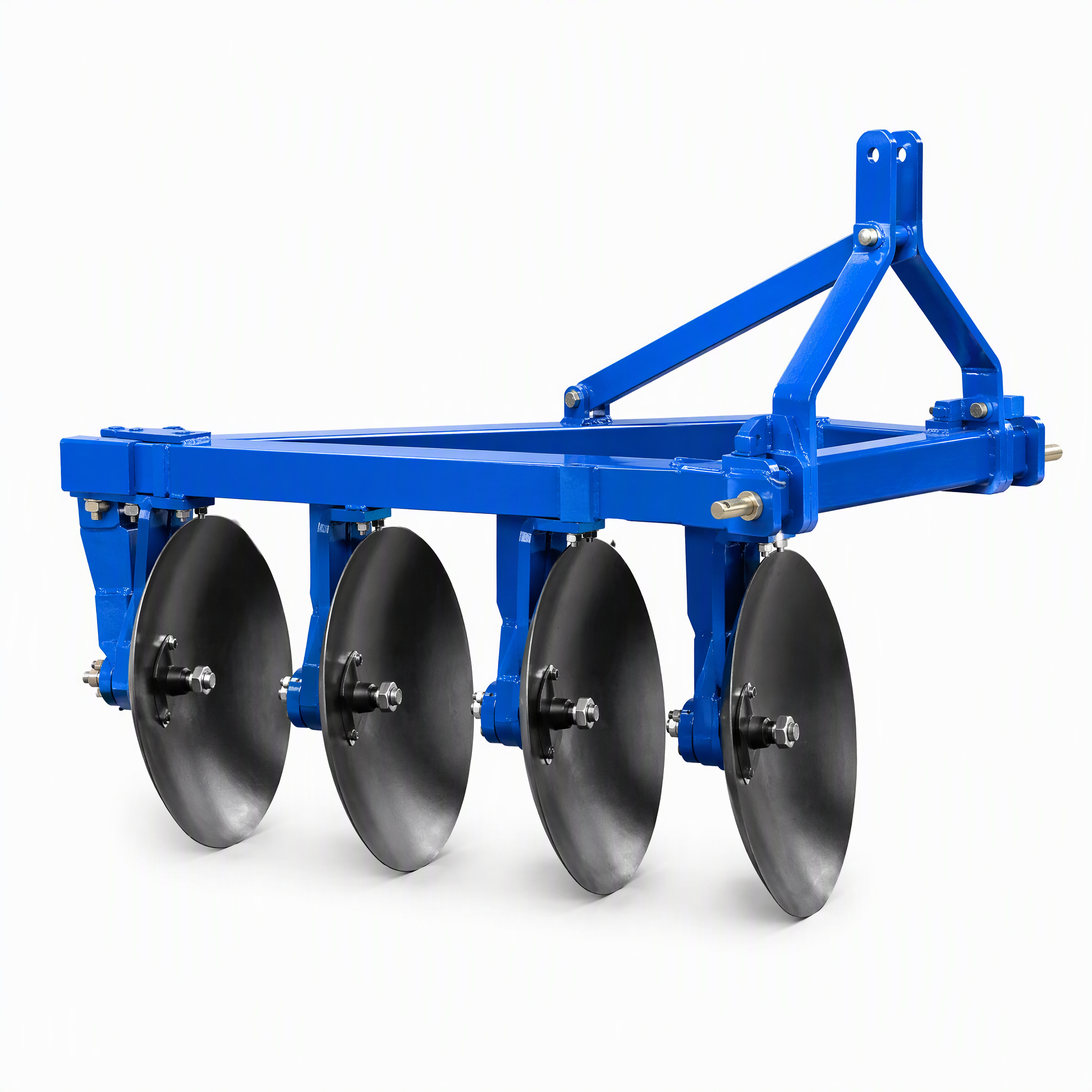
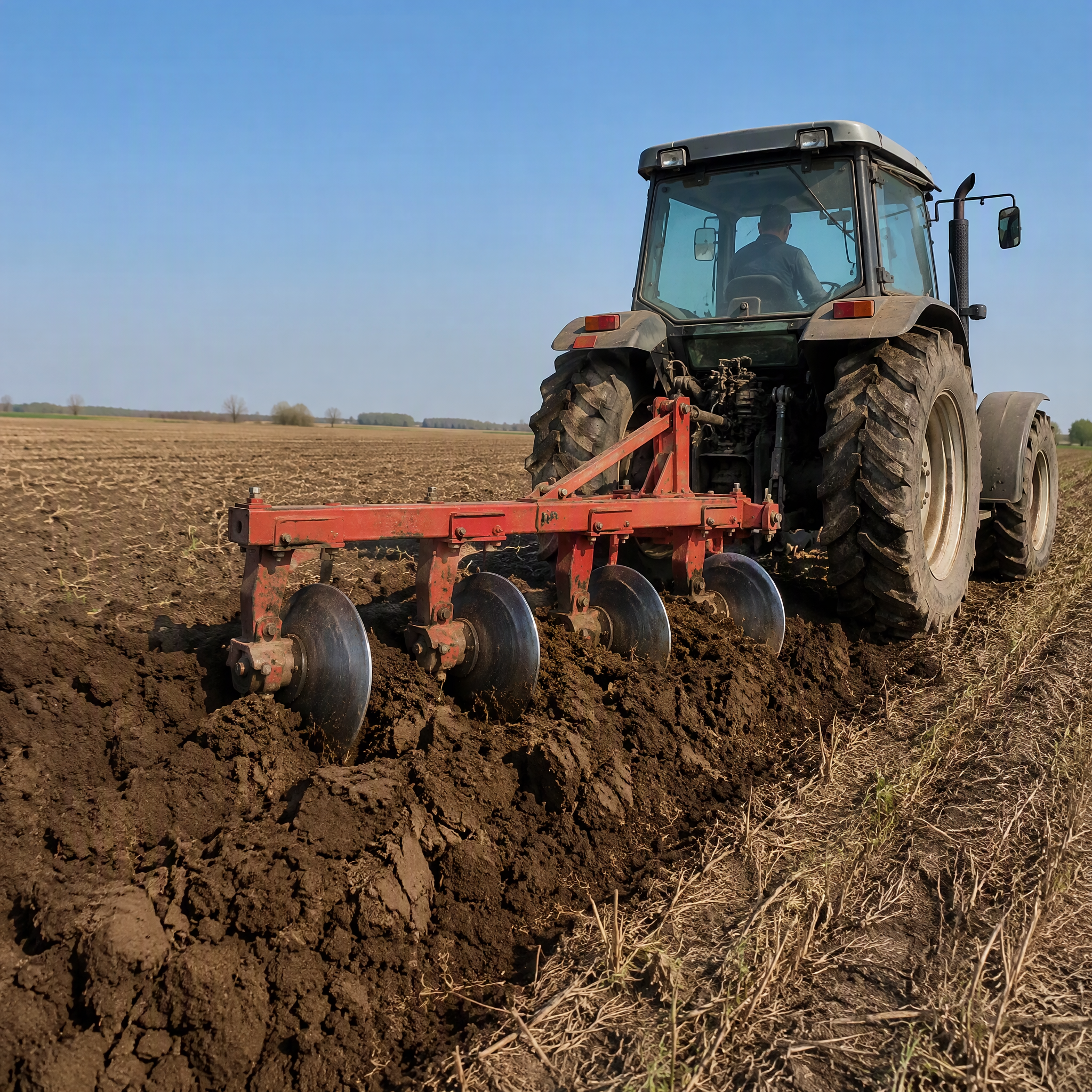
When it comes to agricultural machinery, a standard disc plough is essential for effective tillage, ensuring that soil is properly prepared for planting. Understanding how to choose the right standard disc plough is crucial for purchasing managers and distributors looking to optimize farm operations. This article will guide you through selecting the right plough, evaluating quality, identifying common problems, sharing best practices, and examining cost factors to help you make informed purchasing decisions.

Evaluating the Quality of Standard Disc Ploughs for Wholesale Buyers

Evaluating the Quality of Standard Disc Ploughs for Wholesale Buyers

Quality evaluation is critical when sourcing standard disc ploughs for wholesale distribution. Here are key aspects to consider:

Materials: High-quality ploughs are typically made from durable materials such as high-carbon steel, which offers excellent wear resistance. Ensure that the components, including the discs and frame, are designed to withstand harsh agricultural environments.

Manufacturing Processes: Understanding the manufacturing capabilities of your supplier is vital. A reputable manufacturer will have quality control processes in place, such as precise machining and rigorous testing of materials, to ensure that each plough meets industry standards.

Certifications: Look for products that have CE/ISO 9001 certifications, as these indicate compliance with international quality management standards. Such certifications reflect the manufacturer’s commitment to quality and reliability.

Customer Feedback: Reviews and testimonials from existing customers can provide insights into the performance and durability of the ploughs. Engaging with other buyers in the industry can also shed light on the supplier's reputation.

Warranties and Support: Reliable manufacturers often provide warranties on their products. Check the terms of these warranties as they can indicate the manufacturer’s confidence in the quality of their ploughs.

By focusing on these quality indicators, wholesale buyers can ensure they are investing in standard disc ploughs that will deliver consistent performance and longevity.

Common Problems with Standard Disc Ploughs and Effective Solutions

Common Problems with Standard Disc Ploughs and Effective Solutions

While standard disc ploughs are essential tools, they are not without their challenges. Here are some common problems and their solutions:

Poor Soil Penetration: If the plough is not penetrating the soil effectively, it may be due to insufficient weight or improper disc angle. Ensuring that the plough is adequately weighted and adjusting the disc angle can improve performance.

Soil Clumping: Clogged discs can lead to clumping of soil. Regular maintenance, including cleaning and inspection of the discs, can prevent this issue. Additionally, using the right speed and depth during operation can help maintain smooth soil turnover.

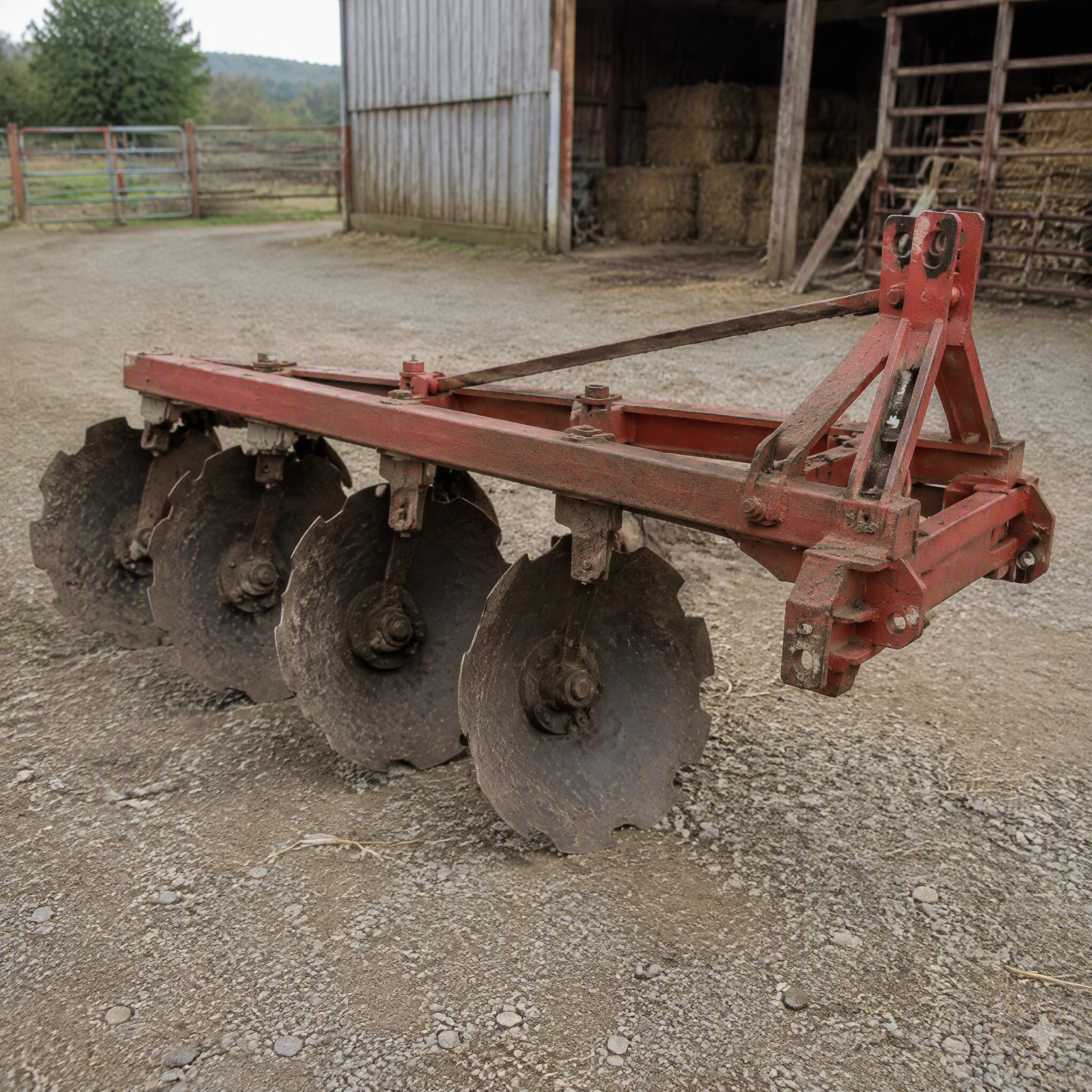
Damage to Discs: Discs can wear down or become damaged over time, particularly in rocky or abrasive soils. Regular inspections and prompt replacements of worn discs can mitigate this issue. Investing in high-quality materials can also enhance durability.

Incompatibility with Equipment: Sometimes, buyers encounter compatibility issues with their tractors. Before purchasing, confirming the specifications and compatibility with existing machinery is crucial to avoid operational delays.

Maintenance Neglect: Regular maintenance is key to the longevity of a disc plough. Establishing a maintenance schedule that includes lubrication, inspection, and adjustments can prevent many common issues.

By proactively addressing these concerns, buyers can ensure their ploughs remain in top working condition.

Best Practices

Best Practices

To get the most out of your standard disc plough, consider these best practices:

Regular Maintenance: Establish a routine for inspecting and servicing the plough to catch any wear or damage early. This includes checking disc sharpness, frame integrity, and attachment points.

Proper Training: Ensure that operators are trained on the correct usage of the plough. Understanding how to set the plough depth and speed can significantly impact performance and soil quality.

Field Assessment: Conduct thorough assessments of the field conditions before ploughing. Understanding the soil moisture levels and texture can guide effective ploughing techniques.

Optimal Ploughing Depth: Adjust the plough to achieve the appropriate depth for different soil types and crop requirements. This ensures effective soil turnover and minimizes disruption to soil structure.

Usage of Quality Lubricants: Using high-quality lubricants on moving parts can reduce friction and prolong the life of the plough.

Implementing these practices can enhance the efficiency and effectiveness of your standard disc ploughing operations.

Cost Factors to Consider When Purchasing Standard Disc Ploughs

When budgeting for standard disc ploughs, several cost factors should be taken into account:

Initial Purchase Price: The upfront cost of the plough is a primary concern. Prices can vary based on specifications, materials, and features. It’s essential to balance quality and cost to ensure value.

Shipping and Logistics: Consider the shipping costs associated with importing ploughs, especially if sourcing from international suppliers. Understanding incoterms can help clarify responsibilities and costs.

Maintenance Costs: Factor in the ongoing maintenance costs associated with parts replacement and servicing. A higher initial investment in durable materials may lead to lower long-term costs.

Operational Costs: Assess the fuel consumption and power requirements of the plough in relation to your tractors. Efficient machines can result in lower operational expenses.

Customization Costs: If you require specific features or modifications, be aware that customization can increase the overall cost. Discuss these needs with your supplier upfront.

By understanding these cost factors, buyers can make informed decisions that align with their budgetary constraints while ensuring they acquire high-quality equipment that meets their agricultural needs.

How to Choose the Right Standard Disc Plough for Your Needs

Selecting the right standard disc plough involves considering several factors, including soil type, crop rotation, and the specific agricultural practices of the farm. The disc plough is designed to cut through the soil, turning it over to allow for aeration and the incorporation of organic matter. Additionally, it is important to consider the compatibility of the plough with your existing tractors to ensure optimal performance.

Soil Type: Different disc ploughs are suited for varying soil conditions. For heavy clay soils, a plough with larger, more robust discs may be necessary to penetrate the ground effectively. Conversely, lighter soils may require smaller discs to avoid excessive soil disturbance.

Disc Size and Configuration: Standard disc ploughs come in various sizes. Larger discs can cover more area but may require more power, while smaller discs can be easier to maneuver in tighter spaces. The configuration (number of discs) also affects performance; more discs typically allow for better soil turnover.

Frame and Build Quality: A robust frame is essential for durability, particularly in challenging field conditions. Look for ploughs made from high-strength materials that can withstand the rigors of frequent use.

Adjustability: Some ploughs offer adjustable disc angles, allowing for customization based on specific farming needs. This feature can enhance performance and efficiency.

Compatibility: Ensure that the plough is compatible with your existing tractors and equipment. Check the required horsepower and attachment specifications before making a decision.

By understanding these factors, buyers can select a standard disc plough that meets their operational needs and maximizes productivity. Furthermore, evaluating different processing machines can also aid in determining the best equipment for your agricultural practices.

Get a Free Quote

Our representative will contact you soon.
0/1000