Key Considerations for Sourcing Plow Disks

application/plow-disk, application/plow-disk, 
Inquiry
Inquiry

plow disk

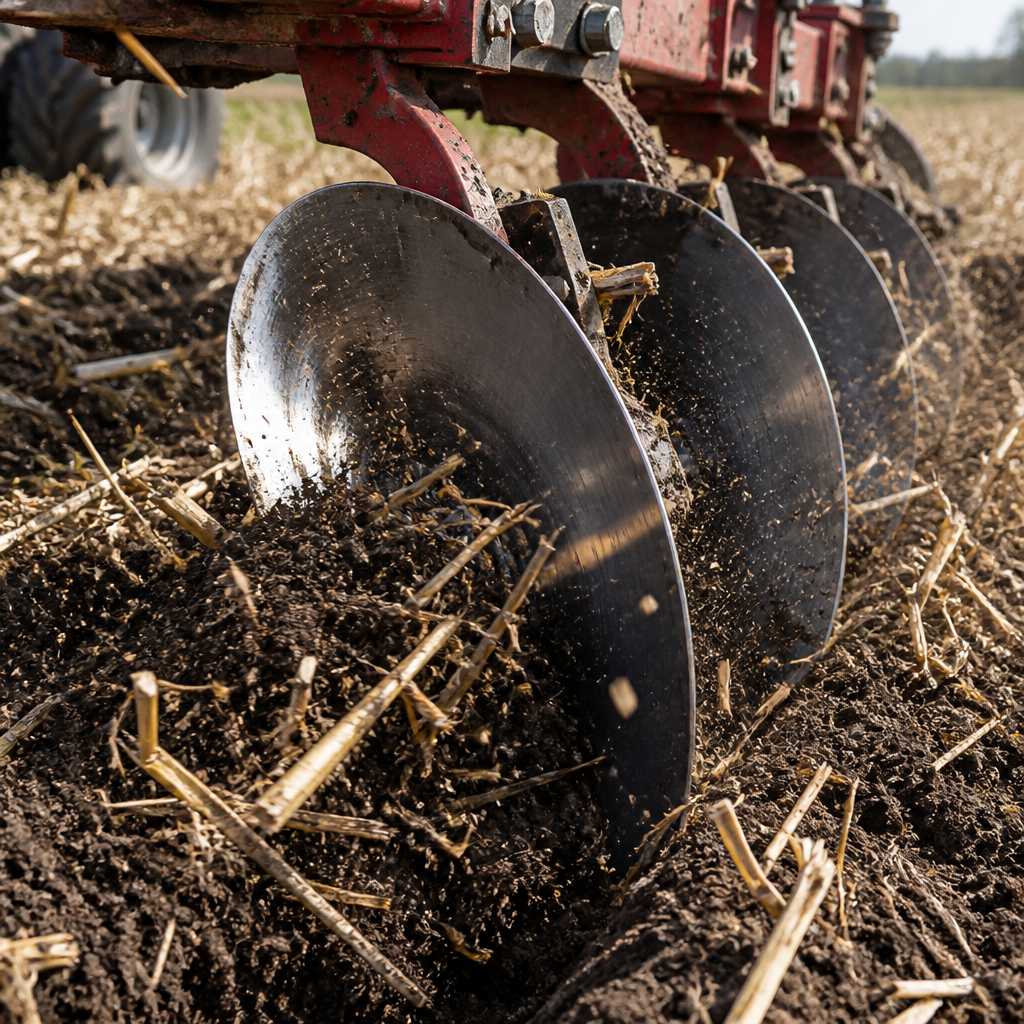
Plow disks are essential components in agricultural machinery, particularly in tillage operations. These disks help prepare the soil by cutting through the earth, turning over the soil, and creating a suitable seedbed for planting. For B2B buyers, particularly purchasing managers and agricultural engineers, sourcing high-quality plow disks involves understanding specifications, common issues, and proper installation techniques. This article provides practical insights to assist buyers in making informed decisions about plow disks, ensuring optimal performance in their agricultural applications. Additionally, buyers may consider integrating Processing Machines to enhance their operational efficiency.

Common Problems with Plow Disks and Their Effective Solutions

Common Problems with Plow Disks and Their Effective Solutions

Despite their robust design, plow disks can encounter several common issues that may affect their performance. Understanding these problems and their solutions can help buyers maintain operational efficiency.

Wear and Tear: Over time, disks can wear down due to constant contact with soil and debris. Regular inspections are crucial. Buyers should consider sourcing disks with enhanced wear resistance or those coated with protective materials to extend their lifespan.

Bending or Breaking: Disks may bend or break due to excessive force or hitting rocks and hard soil. To mitigate this, operators should ensure that the disks are properly matched to the tractor's horsepower and that the tillage depth is appropriate for the soil conditions.

Soil Compaction: Improper disk selection or installation can lead to soil compaction, which hinders crop growth. To address this, buyers should evaluate their soil types and adjust disk specifications accordingly. Utilizing disks designed for specific soil conditions can alleviate compaction issues.

Installation Errors: Incorrect installation can lead to uneven tillage or rapid wear. Buyers should ensure that installation guidelines are followed carefully, and if possible, seek guidance from the manufacturer during the installation process.

Installation Guidance for Optimal Performance of Plow Disks

Installation Guidance for Optimal Performance of Plow Disks

Proper installation of plow disks is critical for achieving optimal performance. Here are key steps and considerations for buyers:

Preparation: Before installation, ensure all components are clean and free of debris. This helps prevent any obstruction during the installation process.

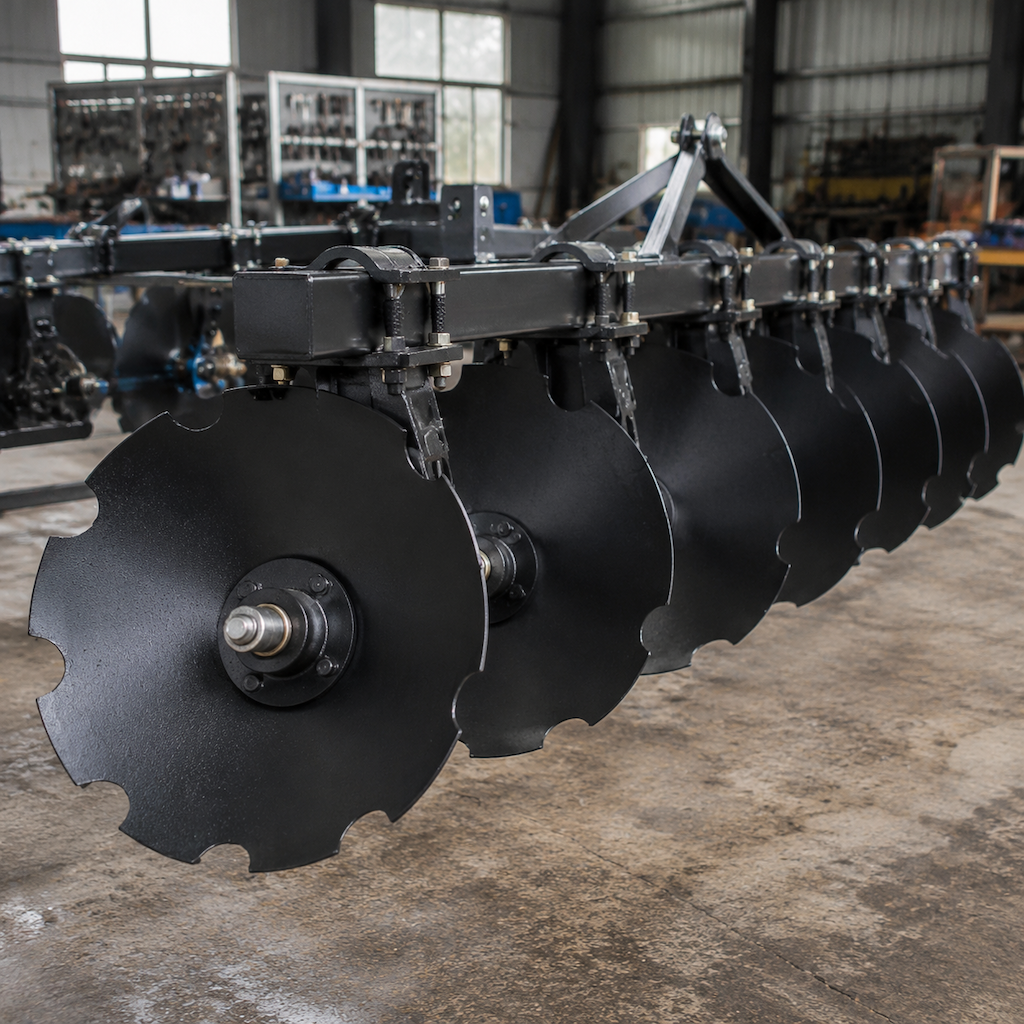
Alignment: Disks must be aligned correctly with the tillage equipment. Misalignment can cause uneven soil preparation and increase wear on the disks. Use measuring tools to confirm that disks are correctly positioned in relation to the tractor's frame.

Tightening: Ensure all bolts and fittings are tightened to the manufacturer's specifications. Loose components can lead to vibrations and premature failure.

Testing: After installation, conduct a test run to observe the performance of the disks. This allows for adjustments in depth and alignment, ensuring optimal cutting and soil turnover.

Regular Maintenance: Schedule regular maintenance checks to ensure that disks remain in good condition. Lubricate moving parts and inspect for signs of wear or damage. Consider using Irrigation Systems to support overall farm management.

Applications of Plow Disks in Modern Agricultural Practices

Applications of Plow Disks in Modern Agricultural Practices

Plow disks play a vital role in various agricultural practices, enhancing soil preparation for a range of crops. Their applications include:

Tillage: Disks are primarily used for primary tillage, breaking up the soil and preparing it for planting. They are effective in various soil types, from light sandy soils to heavy clay.

Seedbed Preparation: Following tillage, plow disks help create a fine seedbed. This is crucial for ensuring good seed-to-soil contact, which promotes germination and healthy crop establishment.

Weed Control: Incorporating plow disks into the cultivation process can help manage weed populations by disrupting their growth patterns and burying seeds.

Soil Aeration: The action of plow disks improves soil aeration, which enhances root growth and nutrient uptake for crops.

Cover Crop Management: In conservation tillage systems, plow disks can be used to manage cover crops effectively, improving soil health and reducing erosion.

What Buyers Need to Know

When preparing to purchase plow disks, buyers should consider several practical aspects:

Requesting Quotes: Provide detailed specifications when requesting quotes. Include information such as disk type, diameter, thickness, material preferences, and any customization requirements.

Sample Approval: Before placing a bulk order, request samples for testing. This allows buyers to assess the quality and suitability of the disks for their specific applications.

Pricing Factors: Understand that pricing may vary based on material quality, manufacturing processes, and any additional features. Comparing multiple suppliers can help ensure competitive pricing.

Lead Times: Inquire about lead times for production and delivery. This is particularly important for seasonal operations where timely planting is crucial.

Quality Checks: Implement a quality inspection process upon receiving the disks. Inspect for any physical defects and ensure that they meet the agreed specifications.

By addressing these considerations, buyers can make informed decisions that lead to successful agricultural operations and optimal use of plow disks in their farming practices. Additionally, investing in Sprayer & Fertilizer equipment can further enhance productivity.

Key Specifications to Consider When Sourcing Plow Disks

When sourcing plow disks, several key specifications must be considered to ensure compatibility and performance in agricultural operations.

Material: Plow disks are typically made from high-strength steel, which offers durability and resistance to wear. The choice of material affects not only the lifespan of the disks but also their ability to withstand various soil conditions. Buyers should verify if the disks are treated for corrosion resistance, especially in humid or wet environments.

Thickness and Diameter: The thickness of the disk impacts its strength and the type of soil it can effectively handle. Thicker disks are generally more durable but may require more power from the tractor. Diameter affects the cutting width and the overall performance of the tillage operation. It’s essential to match these specifications with the requirements of the specific farming application.

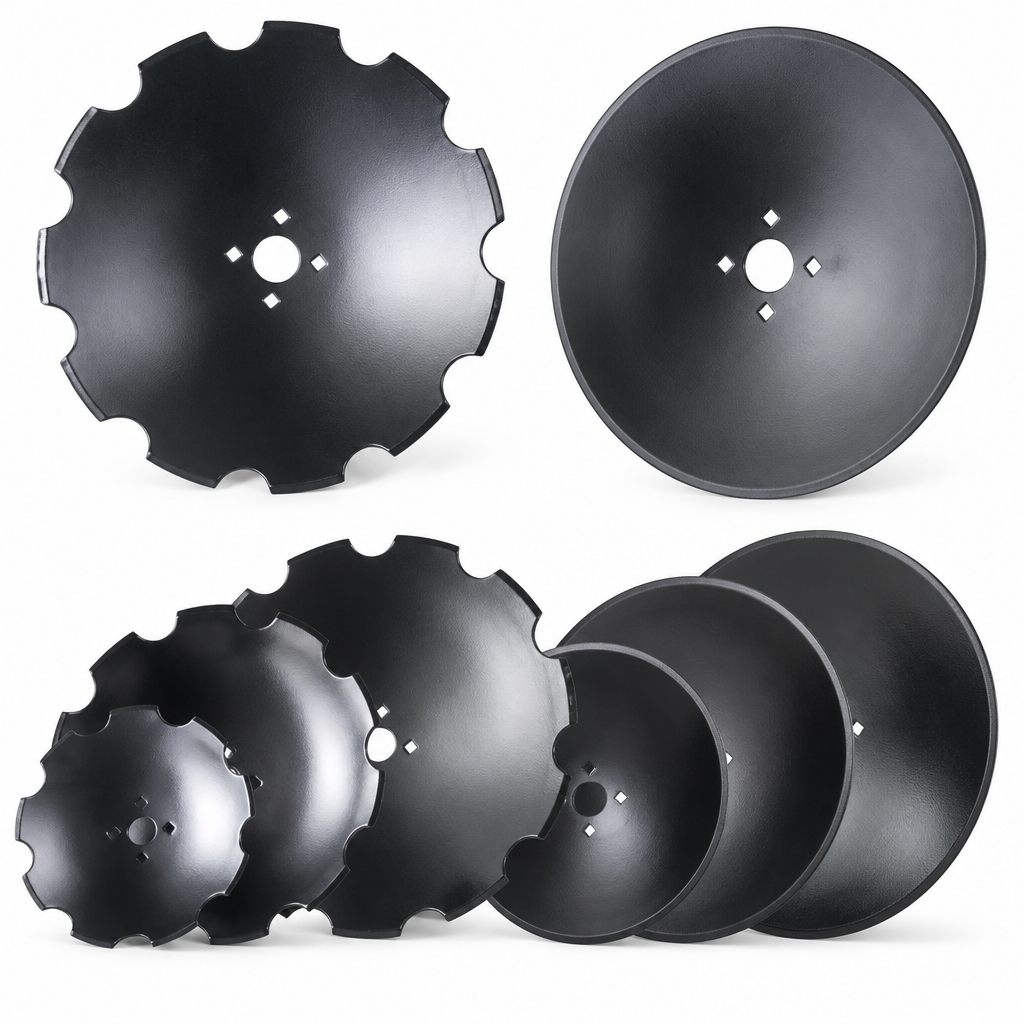
Shape and Design: Plow disks come in various shapes—concave, flat, or a combination of both. The choice between these designs should be based on the soil type and the desired tillage outcome. For example, concave disks are often preferred for heavy soils, while flat disks suit lighter soils.

Compatibility: Ensure the disks are compatible with the existing machinery. Buyers should check the mounting options and dimensions to avoid issues during installation.

Production and Quality Standards: Certifications such as ISO 9001 indicate adherence to quality management systems. Ensuring that the supplier meets such standards can provide confidence in the product's reliability.

Frequently Asked Questions

What is this plow disk used for?

The plow disk is for primary and secondary tillage, breaking soil clods, incorporating residues, and preparing seedbeds on farms and plantations.
Our plow disks are supplied by Agripros with CE and ISO 9001 certifications ensuring quality, safety, and consistent manufacturing standards.
Models are compatible with a range of tractors; compatibility depends on hitch type and horsepower. Provide your tractor specs for precise matching.
Regularly clean after use, inspect and tighten hardware, lubricate moving parts, replace worn blades, and store dry to prevent corrosion and extend service life.
Yes. Agripros provides tailored configurations and lifecycle support, including spare parts supply and service across our supported regions.

Get a Free Quote

Our representative will contact you soon.
0/1000