Key Specifications for Offset Disc Plows

application/offset-disc-plow, application/offset-disc-plow, 
Inquiry
Inquiry

offset disc plow

Offset disc plows are essential agricultural implements designed to improve soil cultivation and prepare fields for planting. These tools are particularly valued for their ability to cut through tough soil and create well-aerated seedbeds. When considering an offset disc plow, B2B buyers—such as purchasing managers and agronomists—often have concerns about specifications, compatibility with existing equipment, and long-term operational efficiency. This article will clarify key specifications, common problems, cost factors, and applications of offset disc plows, aiding you in making an informed purchasing decision.

A Step-by-Step Approach

A Step-by-Step Approach

When purchasing an offset disc plow, a systematic approach can lead to better outcomes:

Assess Soil and Crop Requirements: Begin by evaluating the types of crops you plan to cultivate and the soil conditions. This initial assessment will guide you in selecting the appropriate specifications.

Consult with Manufacturers: Engage with manufacturers like Agripros to discuss your specific needs. They can provide insights into suitable models and configurations based on your requirements.

Request Samples or Demonstrations: If possible, request a sample or arrange a demonstration of the plow in action. This allows you to assess performance and compatibility with your existing machinery.

Review Quality Certifications: Verify the manufacturer's quality certifications, such as ISO 9001 and CE. These certifications indicate adherence to international quality standards, which is crucial for ensuring the reliability of agricultural machinery.

Finalize Order Details: Once you have selected the model, confirm specifications, pricing, lead times, and delivery arrangements. Ensure that any customization requirements are clearly communicated.

Following this approach will help streamline the purchasing process and mitigate potential issues during operation.

Common Problems with Offset Disc Plows and Their Solutions

Common Problems with Offset Disc Plows and Their Solutions

While offset disc plows are effective tools, buyers should be aware of common problems and their solutions:

Poor Soil Penetration: If the plow is not penetrating the soil adequately, it may be due to insufficient weight or improper disc angle. Adjusting the angle of the discs or adding weight can improve performance.

Uneven Tillage: Uneven soil preparation can result from worn-out discs or incorrect setup. Regular maintenance and timely replacement of worn discs are vital to maintaining consistent tillage quality.

Clogging: Accumulation of soil and debris can lead to clogging, especially in wet conditions. Ensuring the disc design promotes self-cleaning and selecting the appropriate disc size can help mitigate this issue.

Wear and Tear: High wear rates can be a concern, particularly in rocky soils. Opting for discs made from high-strength materials can enhance durability and reduce replacement frequency.

By being aware of these potential issues, buyers can proactively address them, ensuring that their offset disc plows operate efficiently.

Cost Factors to Consider When Purchasing Offset Disc Plows

Cost Factors to Consider When Purchasing Offset Disc Plows

Understanding the cost factors associated with purchasing offset disc plows is crucial for budgeting. Key considerations include:

Initial Purchase Price: The base price of offset disc plows can vary significantly based on specifications, brand reputation, and features. Be prepared to compare prices across different manufacturers.

Customization Costs: If your operation requires specific modifications, such as special disc configurations or additional features, factor these customization costs into your budget.

Maintenance and Parts Replacement: Consider the long-term costs associated with maintenance, including parts replacement. Choose models that have readily available parts to minimize downtime.

Operational Costs: Evaluate the potential fuel consumption and tractor power requirements. A plow that requires a more powerful tractor may lead to higher operational costs.

Financing Options: Explore financing options that may be available through manufacturers or distributors. Understanding the total cost of ownership—including interest rates—can provide a clearer picture of your investment.

By considering these factors, buyers can make a more informed decision that aligns with their financial capabilities.

Applications of Offset Disc Plows in Modern Agriculture and Beyond

Offset disc plows are versatile tools suitable for a range of agricultural applications:

Soil Preparation: They are primarily used for primary tillage, breaking up soil and preparing it for seeding. Their ability to create a well-aerated seedbed is crucial for crop establishment.

Weed Control: By turning over the soil, these plows can help manage weed populations, reducing the need for herbicides and promoting sustainable farming practices.

Residue Management: Offset disc plows can effectively incorporate crop residues, contributing to soil health and nutrient cycling. This practice is essential for maintaining soil structure and fertility.

Land Reclamation: In areas where soil has become compacted or degraded, offset disc plows can be employed to restore soil structure and promote agricultural productivity.

Non-Agricultural Uses: Beyond agriculture, these plows can be used in landscaping for soil preparation and turf establishment, highlighting their versatility.

Understanding these applications helps buyers recognize the wide-ranging benefits of offset disc plows, ensuring they select the right tool for their specific operations.

Key Specifications for Wholesale Offset Disc Plows Explained

When evaluating offset disc plows, several key specifications should be considered to ensure optimal performance in your agricultural operations.

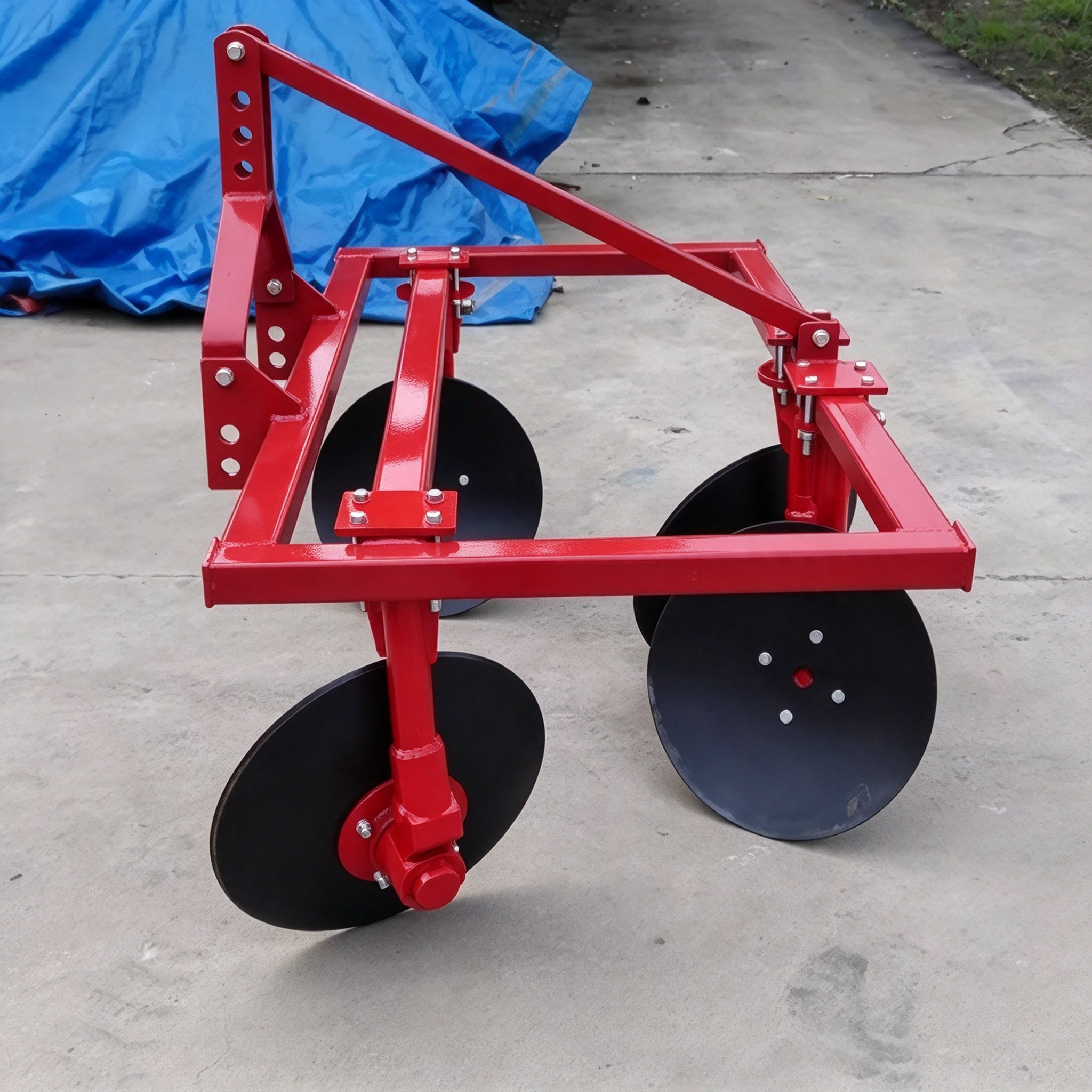
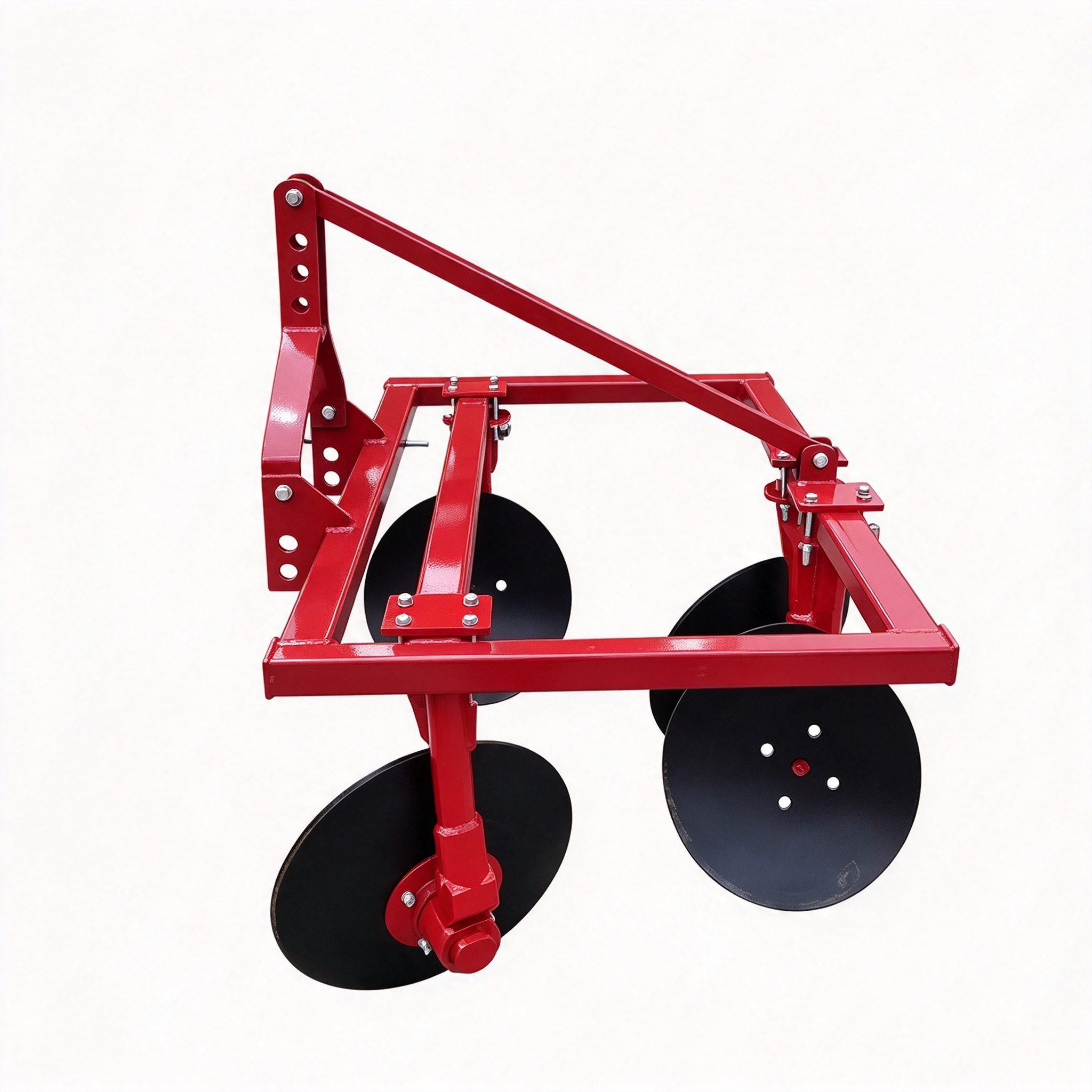
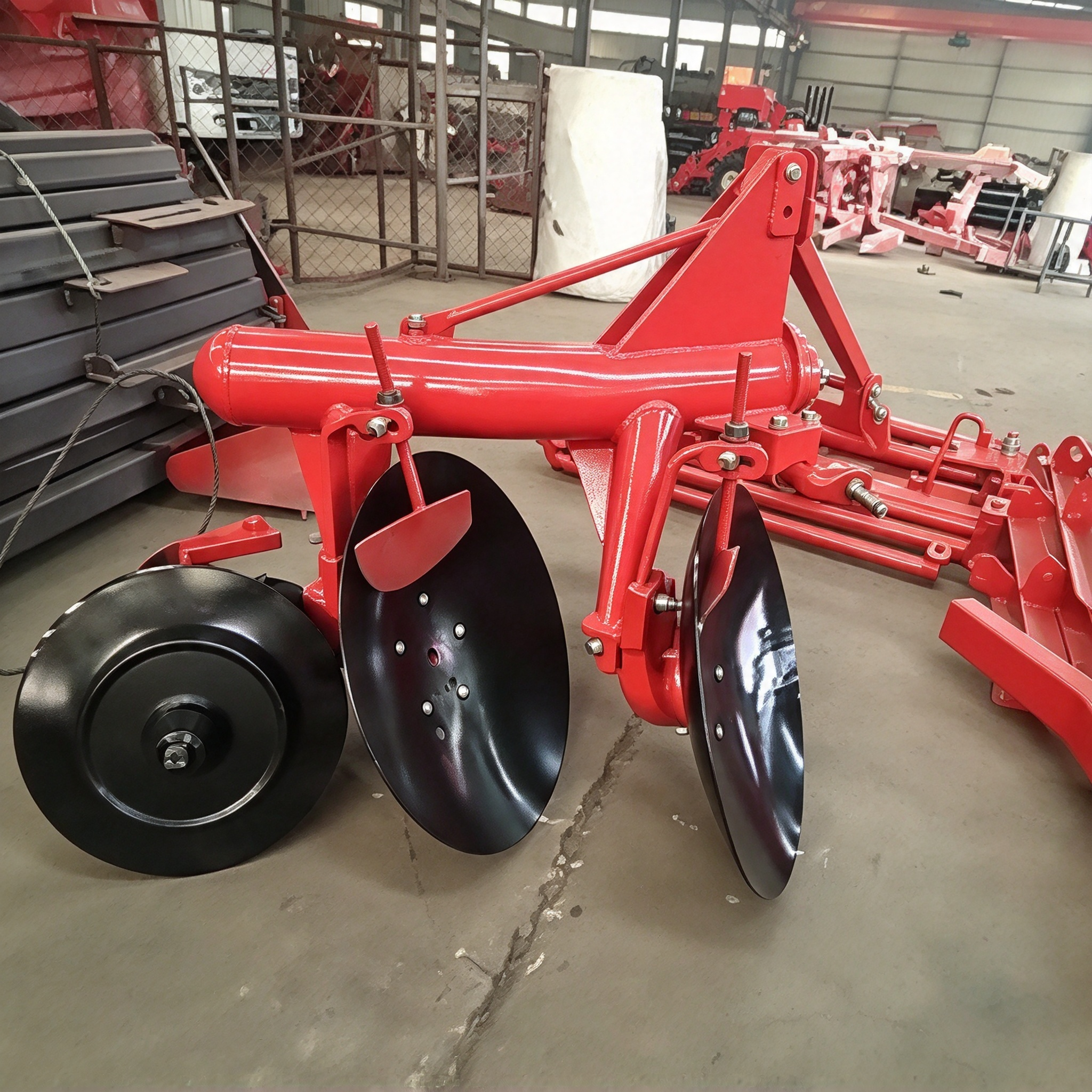
Disc Diameter and Thickness: The diameter of the discs typically ranges from 18 to 30 inches. A larger disc diameter can penetrate deeper into the soil, making it suitable for tougher conditions, while thicker discs provide better durability against wear and tear. Buyers should consider their specific soil conditions when selecting disc sizes.

Frame Construction: The frame must be robust enough to withstand the stresses of tillage. High-quality offset disc plows are often constructed from high-strength steel, offering a balance of weight and durability. Make sure to check the frame's configuration—whether it’s a solid or foldable design, as this impacts transport and storage.

Number of Discs: The total number of discs influences the plow's coverage and efficiency. A higher number of discs allows for more extensive soil coverage in a single pass, which can be beneficial for larger fields.

Adjustability Features: Look for plows that offer adjustable disc angles and depth settings. This feature enhances the versatility of the plow, allowing it to adapt to different soil types and cultivation requirements.

Weight: The weight of the offset disc plow affects its stability and penetration. Heavier plows tend to perform better in challenging soil conditions, but they require more powerful tractors. Understanding the weight requirements for tractors can help ensure compatibility.

Understanding these specifications will help buyers select an offset disc plow that aligns with their specific agricultural needs and equipment capabilities.

Frequently Asked Questions

What is an offset disc plow used for?

An offset disc plow cuts, lifts and turns soil to prepare seedbeds, incorporate residues, and control weeds, suitable for medium to heavy soils and sloping fields.
Recommended tractor power varies by model and disc size; typically 40–150 HP. Contact Agripros with field conditions for precise matching.
Regularly inspect discs, bearings, blades and frame; lubricate moving parts, replace worn discs, and tighten bolts. Follow Agripros maintenance schedule for lifecycle support.
Yes. Agripros supplies spare parts, technical support and aftermarket service, backed by CE/ISO 9001 quality processes for global customers.
Yes. Agripros offers tailored configurations—disc size, gang angle and frame width—to suit soil type, crop and field slope as part of lifecycle-based solutions.

Get a Free Quote

Our representative will contact you soon.
0/1000