Key Specifications for Tractor Mini Loaders

application/tractor-mini-loader, application/tractor-mini-loader, 
Inquiry
Inquiry

tractor mini loader

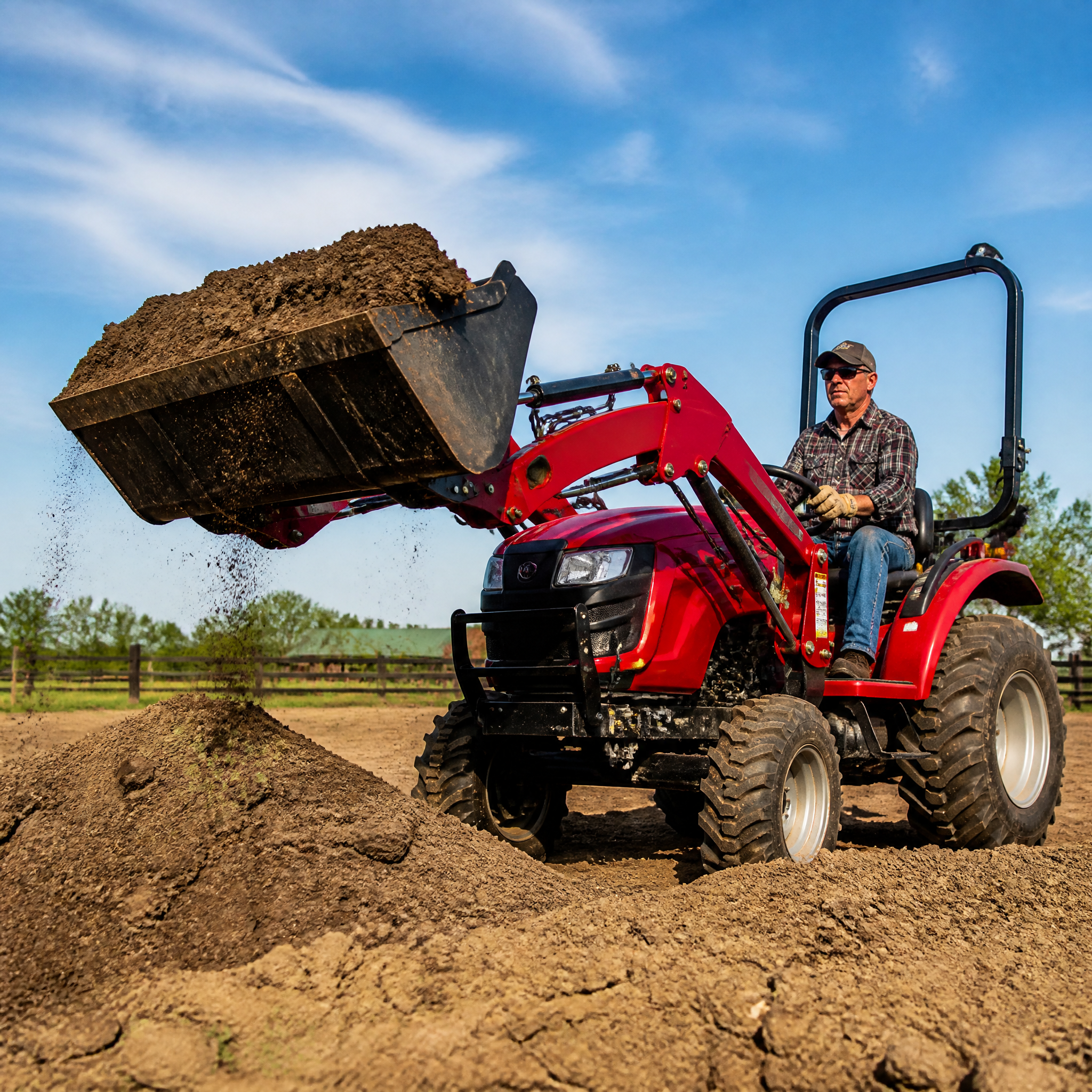
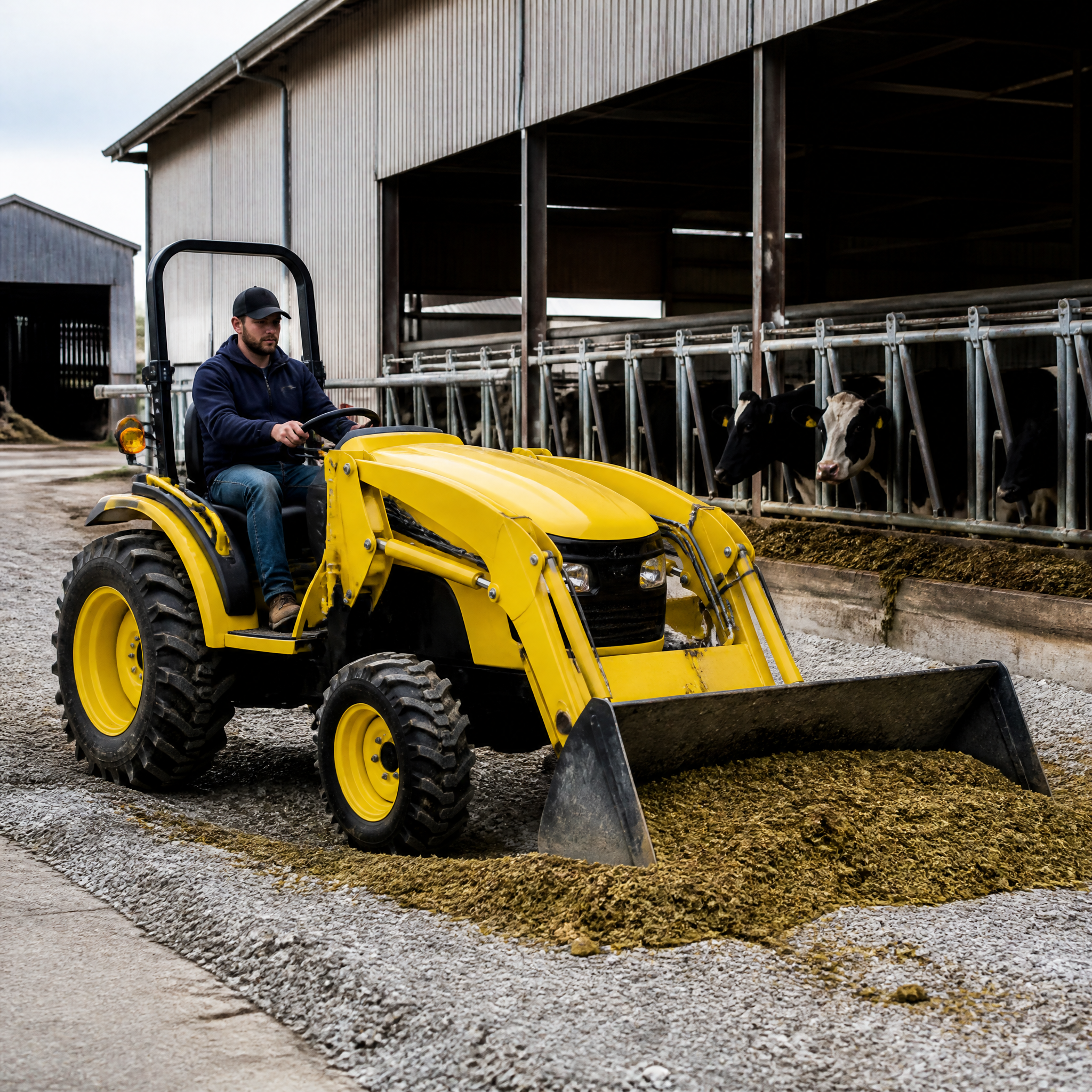
Tractor mini loaders are versatile machines widely used in agriculture and construction for various tasks such as lifting, digging, and transporting materials. As B2B buyers, purchasing managers, and engineers, understanding the key specifications and performance factors of tractor mini loaders is crucial for making informed purchasing decisions. This article will explore essential specifications, quality evaluation, common issues, installation guidance, and applications across different industries, helping you navigate the procurement process effectively.

Evaluating Quality and Performance of Tractor Mini Loaders

Evaluating Quality and Performance of Tractor Mini Loaders

Quality and performance evaluation is essential when considering tractor mini loaders. The first step is to review the manufacturer's certifications, such as CE and ISO 9001, which indicate compliance with international quality standards. These certifications reflect the manufacturer’s commitment to quality control processes, ensuring that the product meets specific safety and performance benchmarks.

Conducting a thorough quality inspection is also vital. Buyers should request detailed information about the materials used in construction, such as the grade of steel or plastic components, as these directly impact durability. Moreover, examining the workmanship during a factory visit or through a sample can provide insights into the overall build quality.

Performance testing under actual working conditions is another recommendation. If possible, observe the loader in action or request a demonstration to evaluate its handling, speed, and ease of operation. This hands-on experience can reveal potential operational issues that may not be clear from specifications alone.

Common Problems with Tractor Mini Loaders and Effective Solutions

Common Problems with Tractor Mini Loaders and Effective Solutions

Despite their robust design, tractor mini loaders can encounter several common issues during operation. One frequent problem is hydraulic system failure, often due to leaks or blockages. Regular maintenance checks, including inspecting hydraulic hoses and fluid levels, can help prevent such failures.

Engine overheating is another concern, particularly in intensive use scenarios. Ensuring the cooling system is functioning properly and maintaining adequate coolant levels can mitigate this issue. Additionally, routine servicing as per the manufacturer's guidelines is crucial to prolong the loader's lifespan.

Tire wear can also affect performance and safety. Selecting the right tire type for your specific application and regularly inspecting tire pressure can significantly extend their life and enhance operational efficiency. For instance, a well-maintained Tractor Mounted Disc Mower can enhance the efficiency of mowing tasks.

For each of these issues, establishing a proactive maintenance schedule and training operators on best practices can lead to effective solutions, reducing downtime and repair costs.

Installation Guidance for Efficient Use of Tractor Mini Loaders

Installation Guidance for Efficient Use of Tractor Mini Loaders

Proper installation and setup of tractor mini loaders are critical for ensuring efficient operation. First, ensure that the loader is positioned on a stable surface before starting any work. The leveling of the machine is essential, as uneven surfaces can lead to operational inefficiencies and safety hazards.

Before use, familiarize operators with the controls and features of the loader. Training should include operating procedures for various attachments, as different tasks may require different handling techniques.

Additionally, consider the installation of necessary attachments. Depending on the intended applications, equipment such as buckets, forks, or augers may require specific mounting configurations. Ensure that all attachments are compatible with the loader to guarantee seamless operation.

Finally, conduct a pre-operation check to inspect fluid levels, tire condition, and the integrity of the hydraulic system. Taking these steps can enhance the efficiency and safety of tractor mini loader operations.

Applications of Tractor Mini Loaders in Various Industries and Projects

Tractor mini loaders are highly versatile and find applications across multiple industries. In the agriculture sector, they are commonly used for tasks such as moving soil, transporting crops, and loading materials for irrigation systems. Their compact size makes them ideal for navigating tight spaces in fields and orchards.

In construction, these machines are invaluable for tasks like site preparation, material handling, and even demolition work. Their ability to operate various attachments allows for a wide range of applications, from digging trenches to lifting heavy building materials. For example, the Mini Crawler Combine Harvester can be an effective tool for efficient harvesting.

Additionally, landscaping companies utilize tractor mini loaders for tasks such as soil leveling, planting, and debris removal. Their maneuverability and efficiency can significantly enhance project timelines and labor costs.

Understanding these applications will help buyers identify the specific models and features best suited for their operational needs, ensuring they select a tractor mini loader that adds value to their projects.

Key Specifications to Consider When Sourcing Tractor Mini Loaders

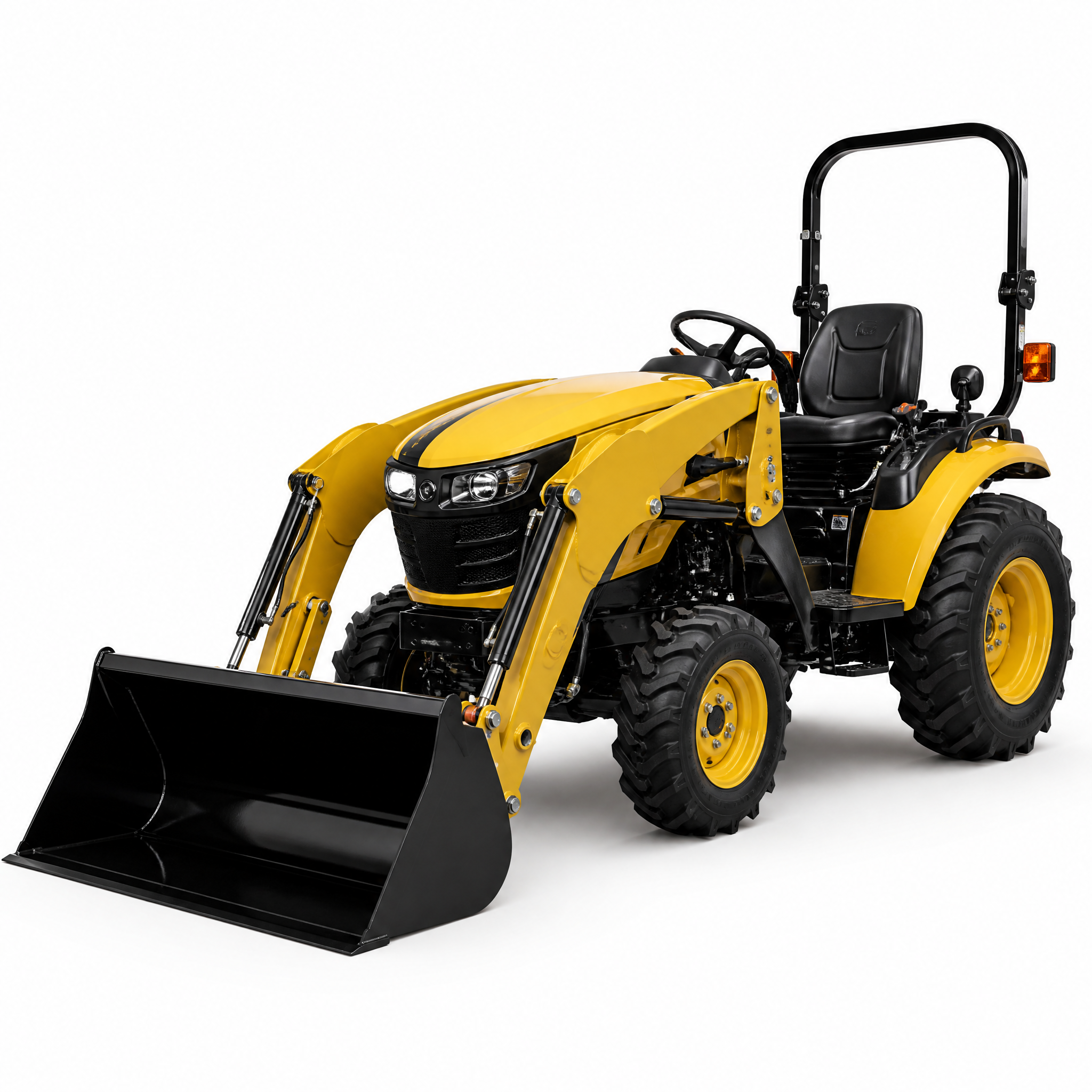
When sourcing tractor mini loaders, several key specifications must be evaluated to ensure that the machine meets your operational needs. Firstly, lifting capacity is paramount; it determines how much weight the loader can safely lift. A typical range for mini loaders is between 600 to 1,500 kg, but this varies based on the model and design. Buyers should assess the maximum load they expect to handle in their specific applications to select an appropriate capacity.

Another important specification is the engine power, usually measured in horsepower (HP). This influences the loader's performance, including speed and efficiency. A higher HP generally leads to better performance but may also result in increased fuel consumption.

Hydraulic system performance is also critical. Look for details on flow rate and pressure, as these determine the loader’s ability to operate attachments effectively. Additionally, consider the dimensions of the loader, including its width and height, especially if space is limited on-site. For instance, the 8-25HP Diesel Walk Behind Tractor Water-Cooled Hand Start Farm Tractor offers a compact design suitable for various applications.

Lastly, examine features like tire type and drive system (two-wheel or four-wheel drive), which affect traction and maneuverability on varying terrains. Ensure that these specifications align with your operational needs for optimal performance.

Frequently Asked Questions

What is the tractor mini loader used for?

The tractor mini loader is for light-duty loading, material handling, earthmoving, and farm tasks like feed, manure, and small-scale transport on plantations and farms.
We offer compact diesel engines with varying power outputs to match small tractors; options include fuel-efficient models with CE/ISO 9001 compliant components.
Our mini loader supports a range of compact tractor makes via standard mounting kits; provide your tractor model and specifications for a compatibility check.
Agripros offers lifecycle-based maintenance guidance, spare parts, and remote technical support; certified service partners can be arranged in many regions.
Yes. We supply tailored attachment options (buckets, forks, grapples) and configuration changes to fit specific farm tasks and plantation requirements.

Get a Free Quote

Our representative will contact you soon.
0/1000