Essential Guide to DIY Mini Tractors for B2B Buyers

application/diy-mini-tractor, application/diy-mini-tractor, 
Inquiry
Inquiry

diy mini tractor

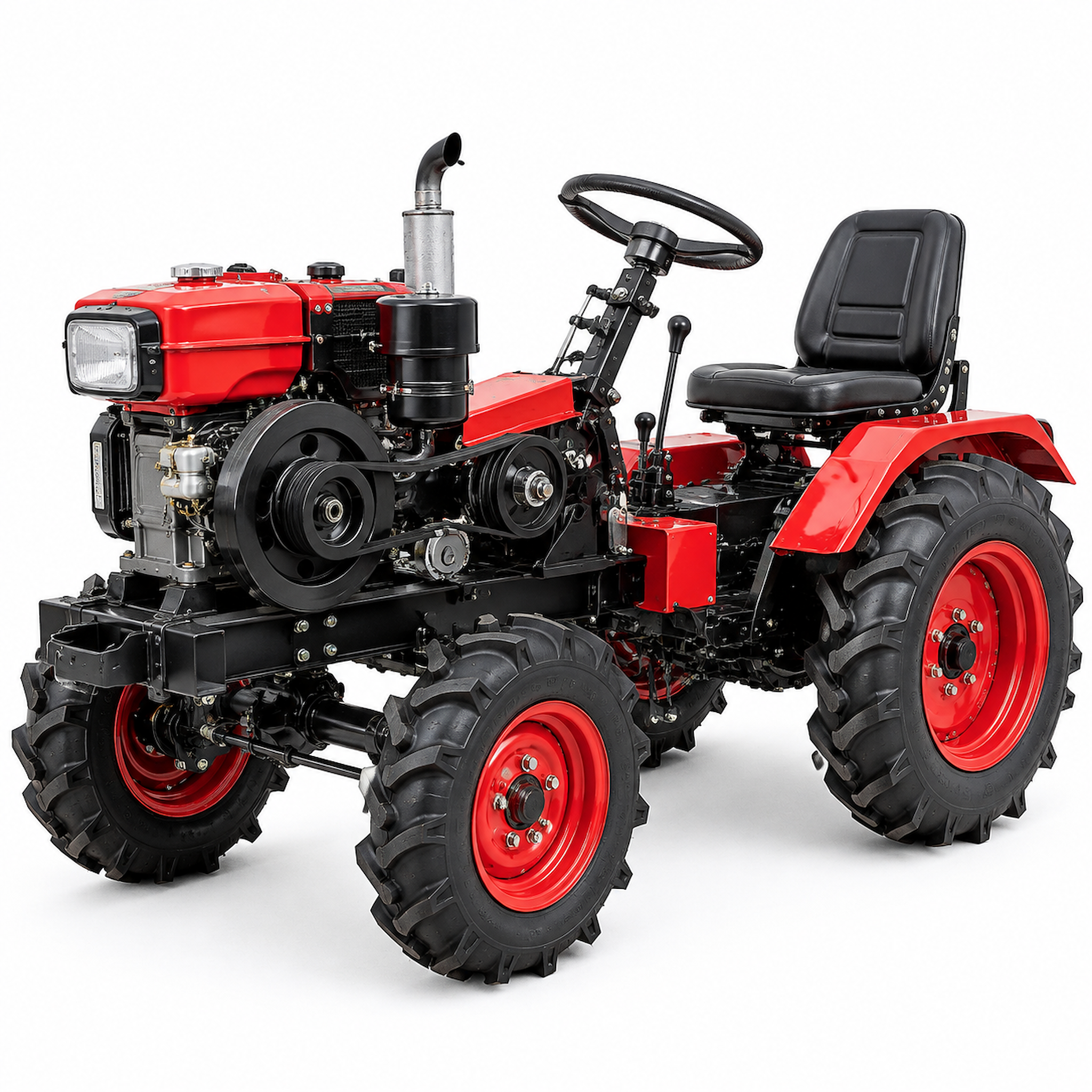
Understanding DIY mini tractors can be crucial for B2B buyers looking to enhance agricultural operations or diversify their machinery inventory. This article addresses key considerations for purchasing DIY mini tractors, including specifications, quality factors, sourcing suppliers, and application insights. By outlining these aspects, we aim to equip purchasing managers, distributors, and engineers with the knowledge to make informed decisions, ultimately ensuring they select the right equipment for their needs.

Evaluating Quality Factors in DIY Mini Tractors for Wholesale Purchase

Evaluating Quality Factors in DIY Mini Tractors for Wholesale Purchase

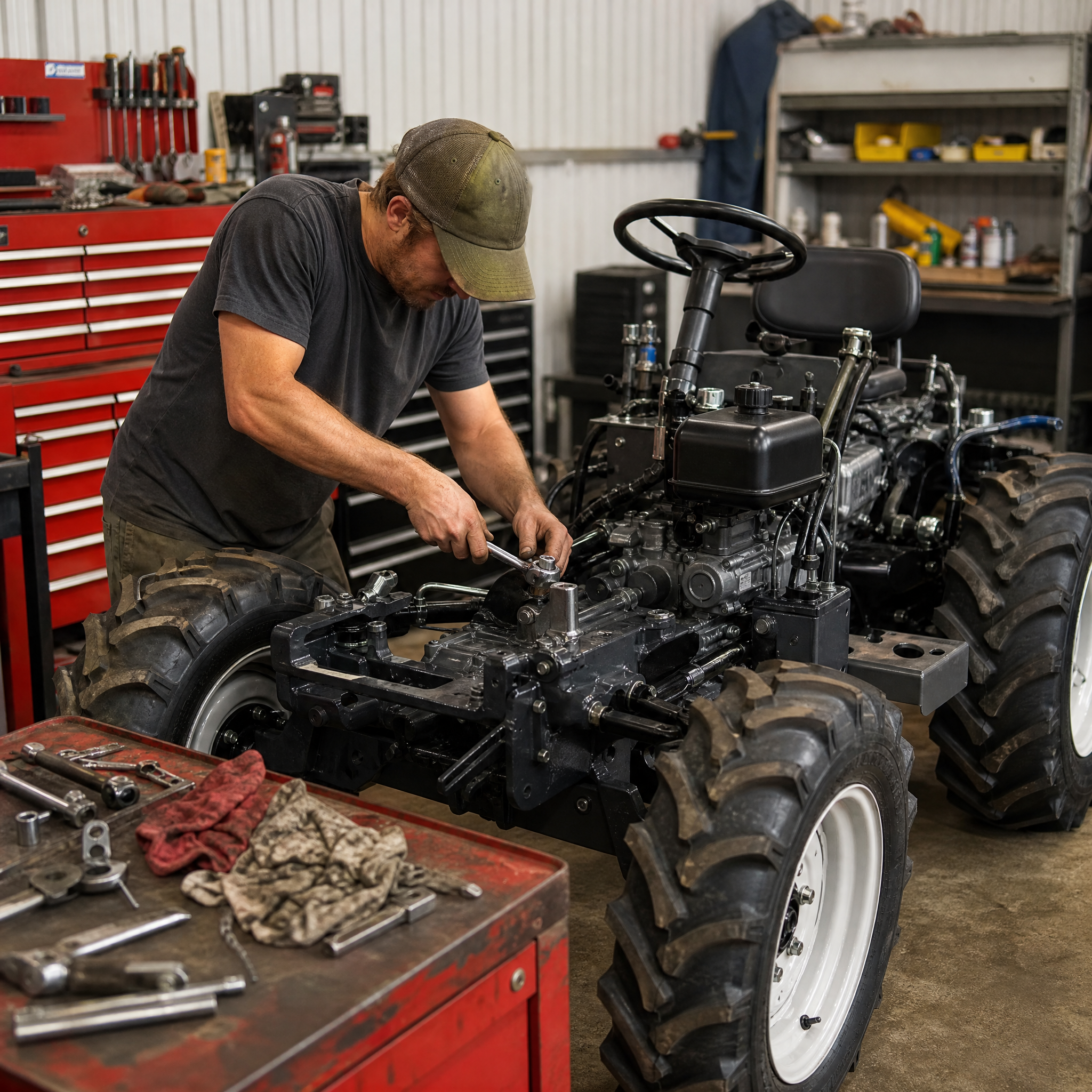
Quality is paramount when selecting DIY mini tractors for wholesale purchase. Key quality factors include the materials used in construction, manufacturing capabilities, and the quality control processes in place. Cultivators & Tillers can provide additional insights into quality considerations when it comes to machinery.

The chassis material, often steel or reinforced plastic, should be evaluated for durability and resistance to wear under operational stress. Additionally, components such as the engine and transmission should come from reputable manufacturers to ensure reliability. It’s beneficial for buyers to inquire about the sourcing of these components, as high-quality parts can significantly influence the overall performance and longevity of the tractor.

Furthermore, understanding the manufacturer’s quality control processes is vital. Buyers should seek evidence of certifications such as ISO 9001, which indicates adherence to international quality management standards. Regular inspections and testing protocols during production are indicators of a manufacturer committed to maintaining high quality. Engaging in a dialogue about these factors can help buyers mitigate risks associated with poor-quality machinery.

Where to Source Reliable Suppliers for DIY Mini Tractors

Where to Source Reliable Suppliers for DIY Mini Tractors

Sourcing reliable suppliers for DIY mini tractors involves thorough research and evaluation. Industry trade shows and agricultural exhibitions can be excellent venues to meet manufacturers and suppliers in person, allowing buyers to assess the machinery firsthand and establish relationships.

Online platforms such as B2B marketplaces can also provide access to various suppliers. Here, buyers can compare offerings, read reviews, and request quotes. However, it is essential to verify the credibility of suppliers by checking their certifications, production capabilities, and customer feedback.

Another effective strategy is to leverage industry networks. Engaging with other businesses in the agricultural sector can yield recommendations for trustworthy suppliers. A supplier's ability to fulfill bulk orders, provide customization options, and maintain reliable lead times should also be key considerations when evaluating potential partners.

Exploring Applications of DIY Mini Tractors in Various Industries

Exploring Applications of DIY Mini Tractors in Various Industries

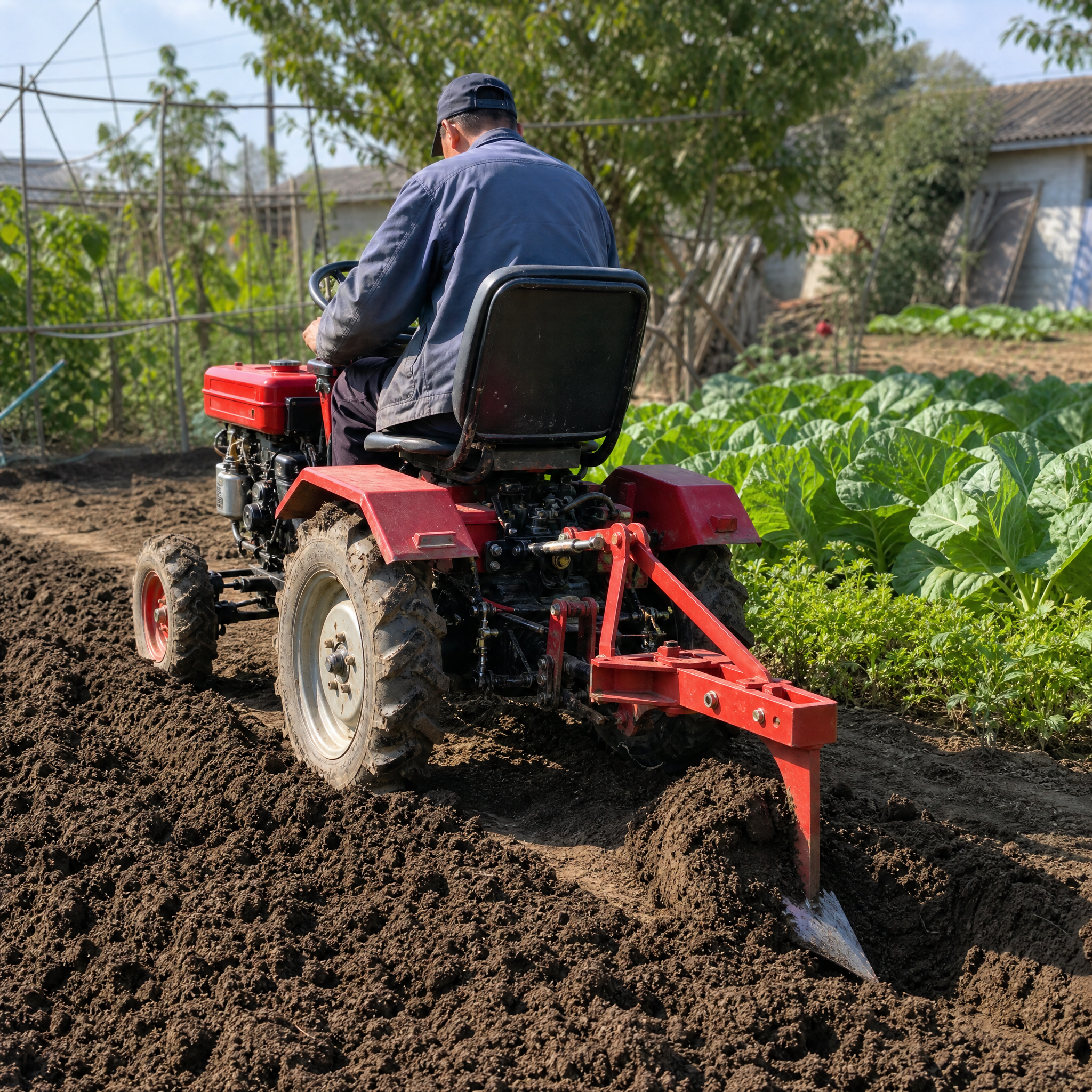
DIY mini tractors serve a multitude of applications across various industries beyond traditional farming. In landscaping and horticulture, these tractors are invaluable for tasks such as soil preparation, planting, and maintenance of gardens or parks. Their versatility allows them to operate efficiently in small spaces where larger machinery may be impractical. Additionally, using Seeders & Transplanters can enhance productivity in these applications.

In the construction sector, mini tractors can be used for transporting materials on-site and performing minor excavation tasks. Their compact size allows them to navigate tight areas, making them useful for urban projects where space is limited.

Moreover, commercial nurseries utilize DIY mini tractors for cultivating plants and managing inventory, while small-scale agricultural operations benefit from their efficiency in crop management. Understanding these applications can help buyers determine the most suitable tractor model for their specific industry needs.

Comparing Features of Leading DIY Mini Tractor Models for Distributors

For distributors looking to stock DIY mini tractors, comparing features across leading models is essential for making informed purchasing decisions. Key features to compare include engine efficiency, ergonomics, and available attachments.

Engine efficiency is crucial not only for performance but also for operational costs. Models with better fuel efficiency can result in significant savings for end-users, making them more attractive options for distribution. Ergonomics, including seat comfort, control layout, and ease of operation, can influence user satisfaction and, consequently, sales.

Additionally, assess the variety of attachments available for each model. Compatibility with various implements like plows, Sprayer & Fertilizer, and trailers can enhance the tractor's functionality and appeal to different customer segments. Distributors should also consider the manufacturer's support for spare parts and service, as this can impact customer satisfaction and loyalty in the long term.

By focusing on these aspects, distributors can ensure they stock a range of models that meet diverse customer needs and preferences, facilitating better sales and customer retention.

In summary, understanding the specifications, evaluating quality factors, sourcing reliable suppliers, exploring applications, and comparing features are integral to the purchasing process for DIY mini tractors. This knowledge equips B2B buyers with the insights necessary to make confident purchasing decisions that align with their operational requirements.

Understanding the Specifications of DIY Mini Tractors for Bulk Orders

When it comes to purchasing DIY mini tractors in bulk, understanding the specifications is essential. Specifications typically include engine capacity, weight, dimensions, and power output, all of which impact the tractor’s performance and suitability for specific tasks.

For instance, a tractor with a higher horsepower rating may be better suited for heavier tasks like plowing or hauling, while a lower horsepower model may be adequate for lighter tasks, such as gardening or small-scale planting. Buyers should also consider the transmission type; hydrostatic transmissions offer ease of use and better maneuverability, which can be a significant advantage in tight spaces.

Another critical specification is the tractor's weight, which affects stability and traction. A heavier tractor generally provides better traction in muddy or uneven terrain. Additionally, aspects like the tire type and size should be examined, as they can influence the tractor's capability on different surfaces. Given these variables, it’s advisable for buyers to clearly define their operational requirements before placing a bulk order.

Get a Free Quote

Our representative will contact you soon.
0/1000