Key Specifications for Choosing a Plough

application/plough, application/plough, 
Inquiry
Inquiry

plough

Understanding the intricacies of selecting the right plough is essential for agricultural businesses looking to enhance their tillage processes. A plough is a crucial piece of agricultural machinery used for turning and loosening soil, making it easier for subsequent planting and crop management. Buyers are often concerned with specifications, durability, compatibility, and sourcing reliable suppliers. This article aims to provide comprehensive insights into choosing a plough, ensuring that purchasing managers, engineers, and product managers can make informed decisions for their agricultural operations.

Where to Source Reliable Suppliers for High-Quality Ploughs

Where to Source Reliable Suppliers for High-Quality Ploughs

Sourcing reliable suppliers for high-quality ploughs requires a strategic approach. Here are some effective methods:

Industry Networks and Trade Shows: Attending agricultural trade shows and exhibitions provides opportunities to connect with reputable manufacturers and suppliers. Events like Agritechnica or local agricultural fairs allow buyers to see the equipment firsthand and discuss specifications directly with producers.

Online Marketplaces and Directories: Platforms like Alibaba or ThomasNet can connect buyers with manufacturers across the globe. Reviews and ratings can help gauge supplier reliability. It’s essential to check for certifications, such as ISO 9001, which indicate adherence to quality standards. Many suppliers also specialize in Processing Machines that complement ploughing equipment.

Referrals and Recommendations: Engaging with industry peers and agricultural cooperatives can lead to valuable supplier recommendations. Hearing about the experiences of others can provide insights into supplier performance and product reliability.

Manufacturer Research: Conducting thorough research on potential suppliers is crucial. Buyers should assess their production capabilities, quality control processes, and export experience. It is beneficial to request samples or visit manufacturing facilities to evaluate quality firsthand.

By employing these strategies, buyers can identify trustworthy suppliers that meet their quality and operational needs.

Common Installation Challenges and Solutions for Plough Users

Common Installation Challenges and Solutions for Plough Users

Installing a plough can sometimes present challenges that may hinder its effective use. Common issues include:

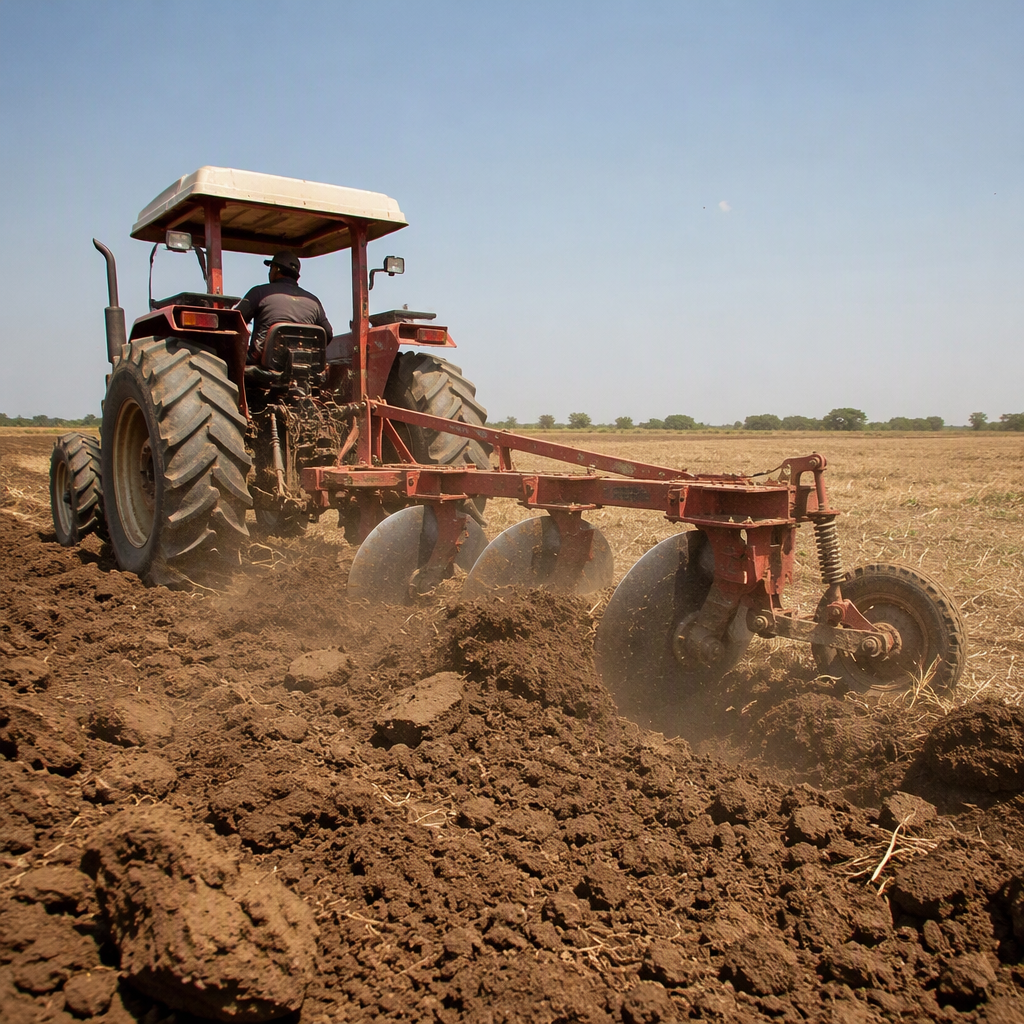
Compatibility with Tractor Equipment: Ensuring that the plough is compatible with the tractor’s hitch and hydraulic systems is critical. Buyers need to verify the specifications of both the plough and tractor before installation. This includes checking the hydraulic requirements and ensuring the plough's weight is manageable for the tractor.

Alignment Issues: Misalignment during installation can lead to uneven tillage and increased wear on the equipment. To avoid this, it’s advisable to use a level to ensure the plough is correctly aligned with the tractor. Some manufacturers provide clear installation guides that should be closely followed.

Soil Conditions: The condition of the soil can affect installation and performance. For instance, overly wet or compacted soil can hinder plough operation. Buyers may need to assess soil moisture levels and possibly engage in preliminary tillage with lighter equipment before using the plough.

Adjustment of Settings: New ploughs often require initial adjustments to working depth and width. Users should familiarize themselves with the plough's adjustment mechanisms and conduct trial runs to find the optimal settings for their specific applications.

By anticipating these challenges and applying appropriate solutions, users can ensure a smoother installation process and enhance the plough's performance.

Comparing Different Plough Types for Optimal Agricultural Applications

Comparing Different Plough Types for Optimal Agricultural Applications

The agricultural sector offers various plough types, each suited for specific applications. Understanding their differences can help buyers make informed decisions:

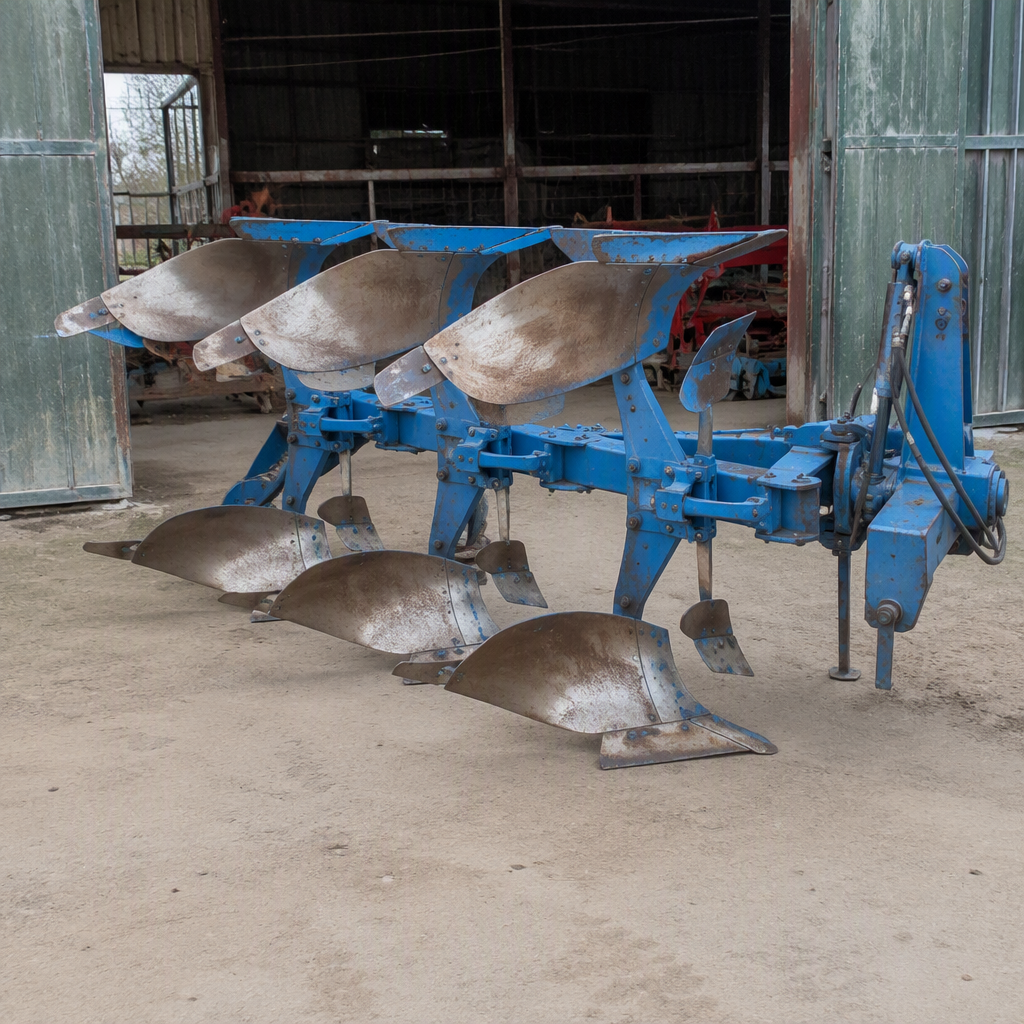
Moldboard Ploughs: Ideal for turning over soil and burying crop residues, moldboard ploughs are excellent for deep tillage. They are suitable for a variety of soil conditions but may require more power to operate effectively.

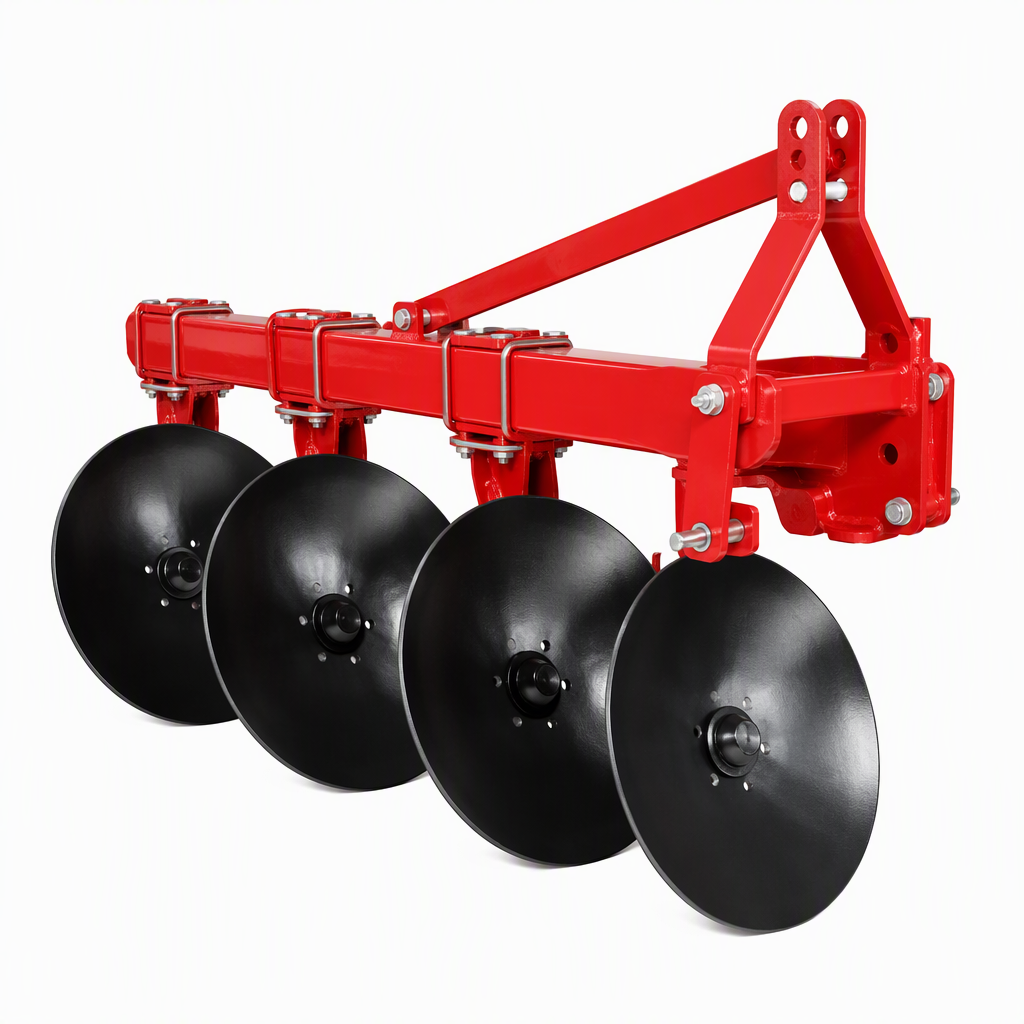
Disc Ploughs: These are particularly effective for hard soils and are capable of slicing through tough residues. Disc ploughs create a less disturbed soil profile and are suitable for conservation tillage practices.

Chisel Ploughs: Designed for minimal tillage, chisel ploughs penetrate the soil without turning it completely, preserving soil structure and moisture. This type is beneficial for reducing erosion and improving soil health.

Subsoilers: Used primarily for deep tillage, subsoilers break up compacted layers below the soil surface. They are particularly useful in preventing root growth restrictions.

Comparing the intended application, soil conditions, and required tillage depth will guide buyers in selecting the most effective plough type for their agricultural needs.

What Buyers Should Know

When considering the purchase of a plough, buyers should keep in mind several critical factors to ensure a successful acquisition:

Quote Preparation: Buyers should prepare detailed requests for quotations (RFQs) that include specific requirements such as model type, dimensions, material preferences, and desired customizations. Providing complete information can lead to more accurate quotes and faster responses from suppliers.

Sample Evaluation: Prior to finalizing orders, it is advisable to request samples. Evaluating a sample allows buyers to assess construction quality, material selection, and overall performance under actual operating conditions.

Quality Checks: Establishing a quality inspection process is essential. This may include verifying material specifications, checking for compliance with industry standards, and ensuring that the plough meets all agreed-upon specifications before mass production.

Pricing Factors: Various factors influence pricing, including material costs, manufacturing complexity, and order volume. Understanding these elements can help buyers negotiate effectively and secure favorable terms.

By adhering to these guidelines, buyers can navigate the complexities of purchasing ploughs, ensuring they make well-informed decisions that enhance their agricultural operations.

Key Specifications to Consider When Choosing a Plough for Wholesale

When selecting a plough for wholesale purchasing, several key specifications should be considered to ensure optimal performance and compatibility with existing equipment.

Type of Plough: Different ploughs serve various purposes. For instance, moldboard ploughs are ideal for deep tillage, while disc ploughs are better suited for hard or rocky soils. Understanding the specific application will guide the choice of plough type.

Material and Durability: The materials used in the construction of the plough significantly affect its durability and performance. High-strength steel is commonly used for the plough body and blades to withstand the stresses of soil working. Buyers should assess the material grades and coatings to ensure they can endure harsh operating conditions.

Working Width and Depth: The working width of a plough can range from narrow to wide, affecting how much area can be tilled in one pass. Depth settings are also crucial; a plough that can adjust its depth allows for better soil management according to crop requirements.

Weight and Balance: Heavier ploughs can penetrate the soil more effectively, but they require more powerful tractors. Therefore, understanding the weight-to-horsepower ratio is essential for ensuring compatibility with the existing fleet of agricultural machinery.

Adjustability and Customization: Features such as adjustable wings, furrow width, and the ability to add or remove sections can enhance a plough's versatility. Buyers should consider whether customization options are available to tailor the equipment to specific farming needs, such as those offered by Cultivators & Tillers.

By carefully evaluating these specifications, buyers can select a plough that meets their operational requirements, thereby increasing agricultural efficiency.

Frequently Asked Questions

What plough models do you offer?

We supply various ploughs for moldboard, reversible, disc and chisel applications, sized for small to large farms. Models are customizable to soil type and tractor horsepower.
Yes. Our ploughs are manufactured under ISO 9001 quality management and carry CE certification where applicable.
Yes. We tailor plough width, number of bottoms, materials and hitch types based on soil, crop rotation and tractor specifications.
We offer lifecycle support including installation guidance, maintenance manuals, spare parts supply and technical assistance to ensure long-term performance.
Provide soil type, field size, crop and tractor horsepower. Our team will recommend suitable plough type and configuration to optimize tillage and fuel efficiency.

Get a Free Quote

Our representative will contact you soon.
0/1000