 EN

The Company Is Well-Known
Seeder Series
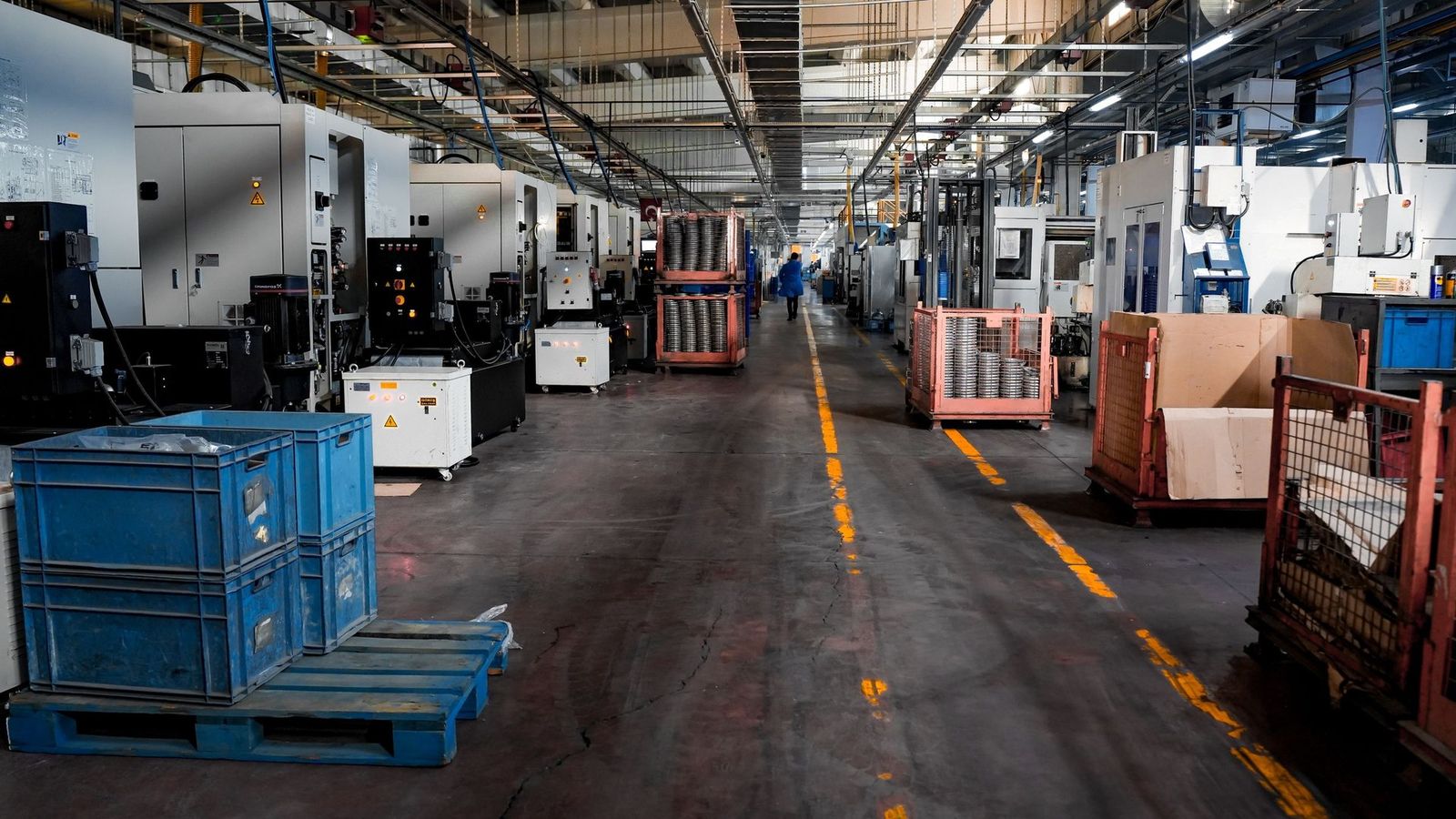
Nigeria's Federal Government has ratified a National Agricultural Mechanization Policy and a National Agricultural Mechanization Investment Strategy, and announced plans for a mega tractor assembly plant with capacity for 2,000–4,000 units a year — a policy shift that machinery exporters across Asia and Europe are watching closely.
Unveiled on 12 August 2026 at the High-Level National Policy Dialogue on Agricultural Mechanization in Abuja, the twin instruments are designed to move Nigeria "from mechanization deficit to mechanization leadership," in the words of Minister of Agriculture and Food Security, Senator Abubakar Kyari.
The distinction between a policy and an investment strategy is worth keeping in view. A policy states intent and sets the rules; a strategy names who pays, who delivers and in what order. Ratifying both at once suggests the government expects to be judged on implementation rather than on ambition — and implementation is what determines whether an exporter eventually sees a tender rather than a press release.
The policy rests on the Renewed Hope National Agricultural Mechanization Program (RH-NAMP), under which the government says it has begun procuring and deploying 2,000 tractors and more than 9,000 assorted implements and spare parts — described by the ministry as the largest single agricultural mechanization program ever undertaken in Africa.
The composition of that procurement matters. Procurement that begins with tractors alone tends to leave a fleet under-equipped for a full season; procurement that pairs units with implements and parts is closer to how a working farm actually uses machinery. A tractor without a matched implement is a power unit looking for a job, a gap usually discovered in the first planting window.
For suppliers, the practical reading is that the first phase has already moved from announcement to procurement. The open question is no longer whether the program will be funded, but which categories remain open to new suppliers — and what documentation a supplier needs in order to be considered for the next batch.
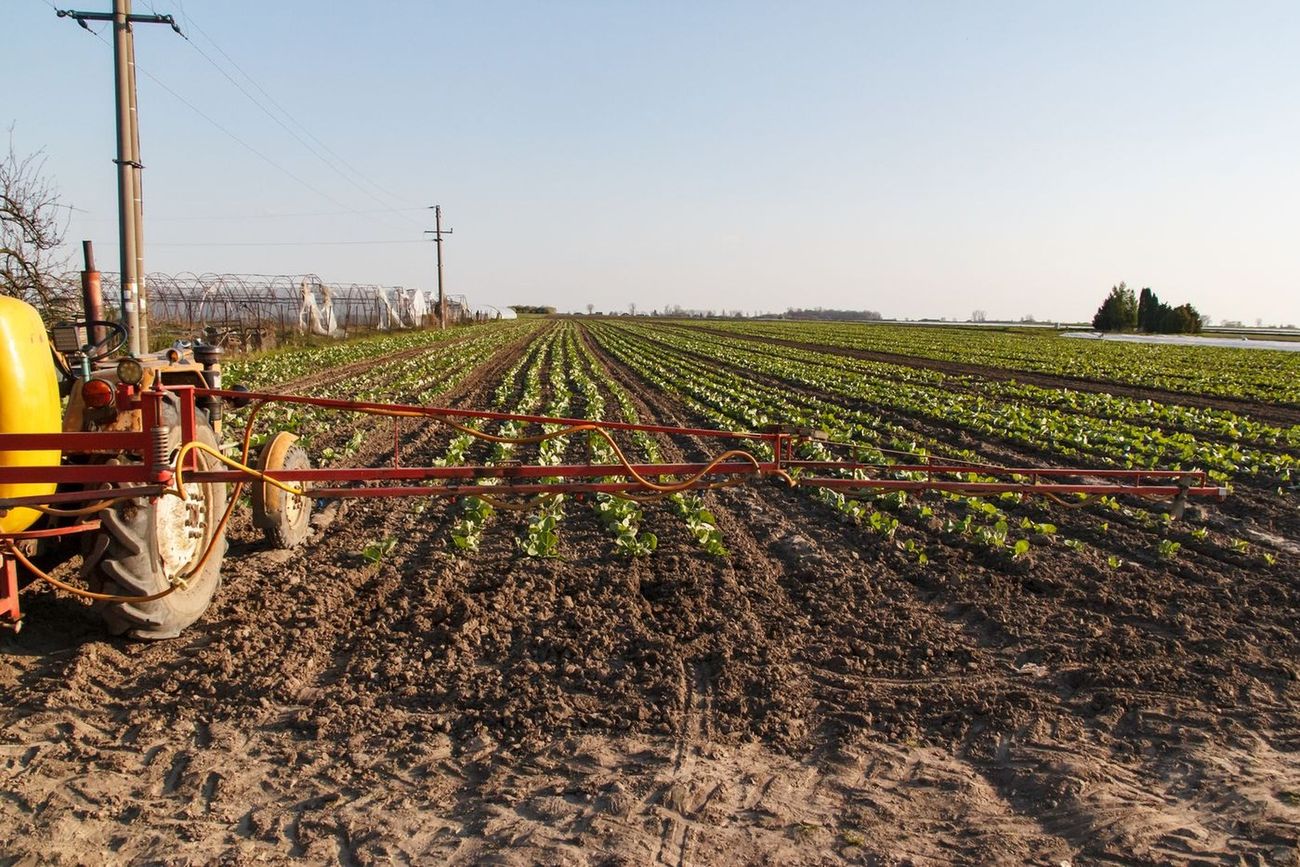
The proposed mega tractor assembly facility (2,000–4,000 units/year) is intended to cut import dependence and build local manufacturing.
Assembly plants of this scale typically take years to reach full output, which carries two implications. First, import demand is unlikely to disappear in the short term: a plant that is ramping up still needs kits, components and finished units to serve the market while it does. Second, the plant changes what "local" means over time, and suppliers who establish a presence early — through parts, training or a technical partnership — are better placed than those who arrive after the ramp.
There is a specification consequence as well. Local assembly usually adapts a platform to local conditions rather than reproducing an export specification unchanged. Suppliers whose machines are already documented against Nigerian crops and soils have less adaptation work to do, and less risk of a plant discovering the mismatch after the line is installed.
The government is explicitly moving away from equipment handouts toward a "Mechanization-as-a-Service" economy, in which machinery reaches farmers through service providers rather than individual ownership.
Under the earlier RH-NAMP rollout, tractors were assigned to service providers expected to cover roughly 600 hectares each per year, with an overall target of more than 1.5 million hectares and 1.2 million farmers served annually, phased in batches of 600, 750 and 650 units.
That structure changes who the buyer is. The customer is a service provider running an asset against a utilisation target, not a farmer buying a tool. For a provider covering 600 hectares in a season, downtime becomes the dominant cost: a machine that stops during the planting window loses hectares that cannot be recovered later in the year.
Phasing matters too. Batches of that size create repeating procurement cycles rather than a single order, which rewards suppliers who can deliver consistently across successive batches instead of optimising for one shipment.
Reported terms include two years of free service support per tractor, 36 mobile workshops, seven mega mechanization service centres, IoT tracking on machines, and a reported US$7 million catalytic investment from development partners — complemented by a ₦250 billion wet-season financing program for smallholders in 2026.
Read together, those terms describe a program designed around uptime rather than acquisition. Free service support addresses the first failure. Mobile workshops address distance. Service centres address the cases that cannot be fixed in the field. IoT tracking addresses visibility over an asset working far from the people who own it.
For suppliers, each of those items is a specification requirement rather than a benefit. A machine that cannot be diagnosed remotely, or whose components cannot be replaced by a mobile workshop, is a poorer fit for this program than one designed with those constraints in mind. The financing line matters for a different reason: it widens the pool of buyers who can enter, raising the volume of equipment in circulation and the demand for parts behind it.
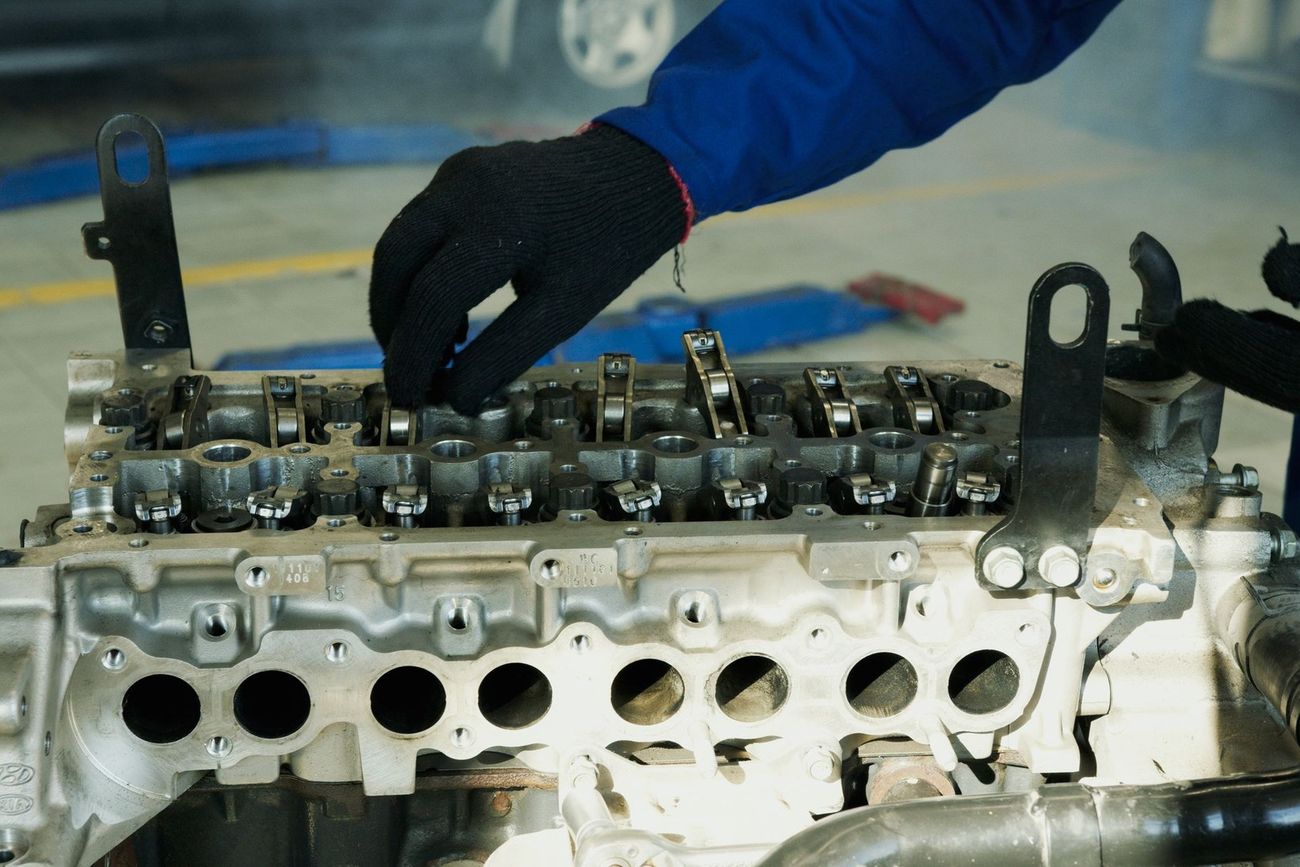
The minister was explicit that mechanization "is not synonymous with tractors alone," listing land preparation, planting, irrigation, crop protection, harvesting, processing, storage, logistics and digital technologies as the full ecosystem the policy targets.
The program's own ratio — more than 9,000 implements and spare parts against 2,000 tractors — points to where the deepest near-term demand sits: planters, seeders, tillage equipment, and after-sales parts, the categories where Asian manufacturers are most competitive.
A ratio is a statement about what a fleet needs in order to work. Tractors supply power; implements convert that power into an operation. A fleet weighted toward tractors and thin on implements produces underutilised assets and a service provider that cannot reach its hectare target — which is precisely the failure the policy language is trying to avoid.
For an exporter whose strength is implements rather than tractors, that is the entry point. It is also the category where specification work is most visible, because an attachment's performance is judged on the operation, not on the platform.
Service-based mechanization is usually described as a financing model. Operationally it is a maintenance model, and the difference shows up in what a supplier has to provide.
Training comes first. A provider covering 600 hectares per tractor needs operators who can run a full season rather than demonstrate a machine. Parts come second: the provider's revenue depends on hectares completed, so a late part is a revenue loss rather than an inconvenience. Visibility comes third: IoT tracking turns a fleet into a schedule, which is what allows a provider to commit hectares to farmers before the season starts.
TracTrac MSL, the private operator cited as a model, says it has reached more than 500,000 farmers, catalysed over ₦2 billion in investment, trained more than 6,000 people and established 567 cooperatives — the kind of delivery capability the new framework aims to multiply.
Agriculture and Food Security Permanent Secretary Dr. Marcus Ogunbiyi underlined the operational reality suppliers will face: "A tractor without an operator is an idle asset. A machine without maintenance is a depreciating investment."
While the assembly plant ramps up, imported machinery, implements and components will carry the program — a window for manufacturers who can document service networks and finance partners.
The window has a shape rather than a closing date. It opens with ratification and the first procurement, and it narrows as local assembly capacity comes on stream and as incumbents establish service footprints. It rarely closes abruptly: assembly plants typically begin with kits and build local content over time, so component and implement demand tends to persist longer than finished-unit demand.
What determines whether a supplier is inside the window is not usually price. It is whether the supplier can be written into a program document — a named local partner, a parts stock position, a training commitment, a delivery record that a procurement officer can verify.
Kyari framed the requirement directly: "We are not seeking capital merely to purchase machines. We are seeking partners to build an enduring agricultural technology and services ecosystem," adding that "policy without capital remains aspiration."
1. Service capability is the new entry ticket. Winning tenders and dealer partnerships in Nigeria will increasingly require spare-parts pipelines, training and local service support — not just competitive machine pricing. A supplier that can name its parts position and its training arrangement is answering the first question a service provider will ask.
2. Planting equipment demand is embedded in the program. As 2,000 tractors come on stream and more hectares are cultivated, seeders and planters matched to Nigerian soil and crop systems (maize, rice, wheat, sorghum) are a direct follow-on opportunity. The implements are already in the procurement; the specification is what differentiates suppliers.
3. Expect a competitive window before local assembly matures. While the assembly plant ramps up, imported machinery, implements and components will carry the program — a window for manufacturers who can document service networks and finance partners.
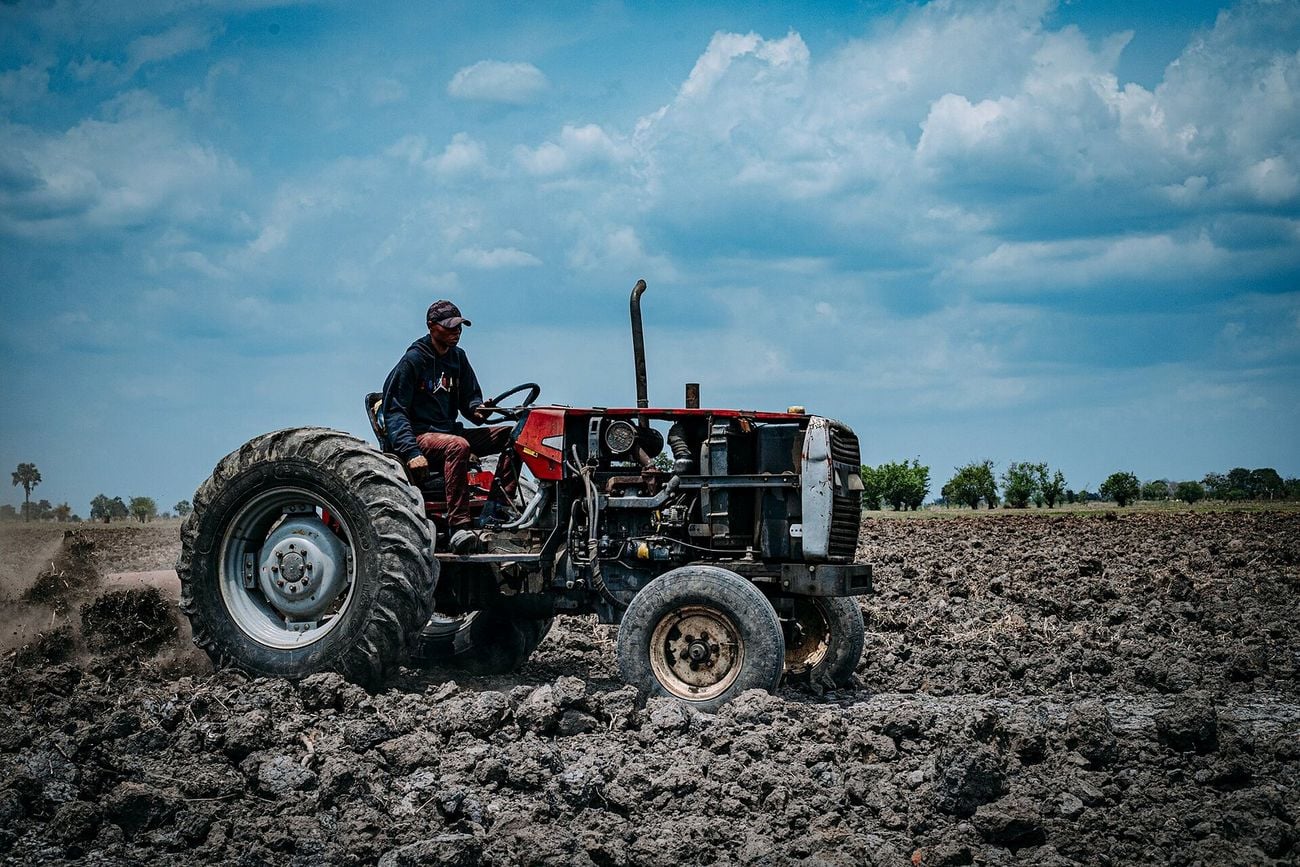
Nigeria's policy ratification marks the start of implementation rather than its end. For suppliers, the country has just signalled that it is buying a mechanization ecosystem, not a fleet.
That distinction sets the test. A supplier answering only the tractor line is bidding for a fraction of the program. A supplier that can address the implement list, the parts position, the training requirement and the delivery record is bidding for the program as designed — and that is the specification the policy was written to reward.
The next phase will be decided in procurement documents rather than in policy language: which implement categories are specified, what service commitments are written in, and whether a delivery record is accepted as evidence rather than as a claim.
Discover our advanced agricultural machinery, including seeders, sprayers, harvesters, and more. Designed for large plantations and farms, these machines boost productivity and efficiency worldwide. Explore product details, download manuals, and take the next step in agricultural innovation.


Expert teams ensure quick installation and seamless commissioning for all agricultural machines worldwide.

On-site and remote training programs empower operators for efficient and safe machinery usage.

Fast global shipping of genuine spare parts, guaranteeing machine uptime and operational continuity.

Round-the-clock expert support via phone and online channels for fast issue resolution globally.

