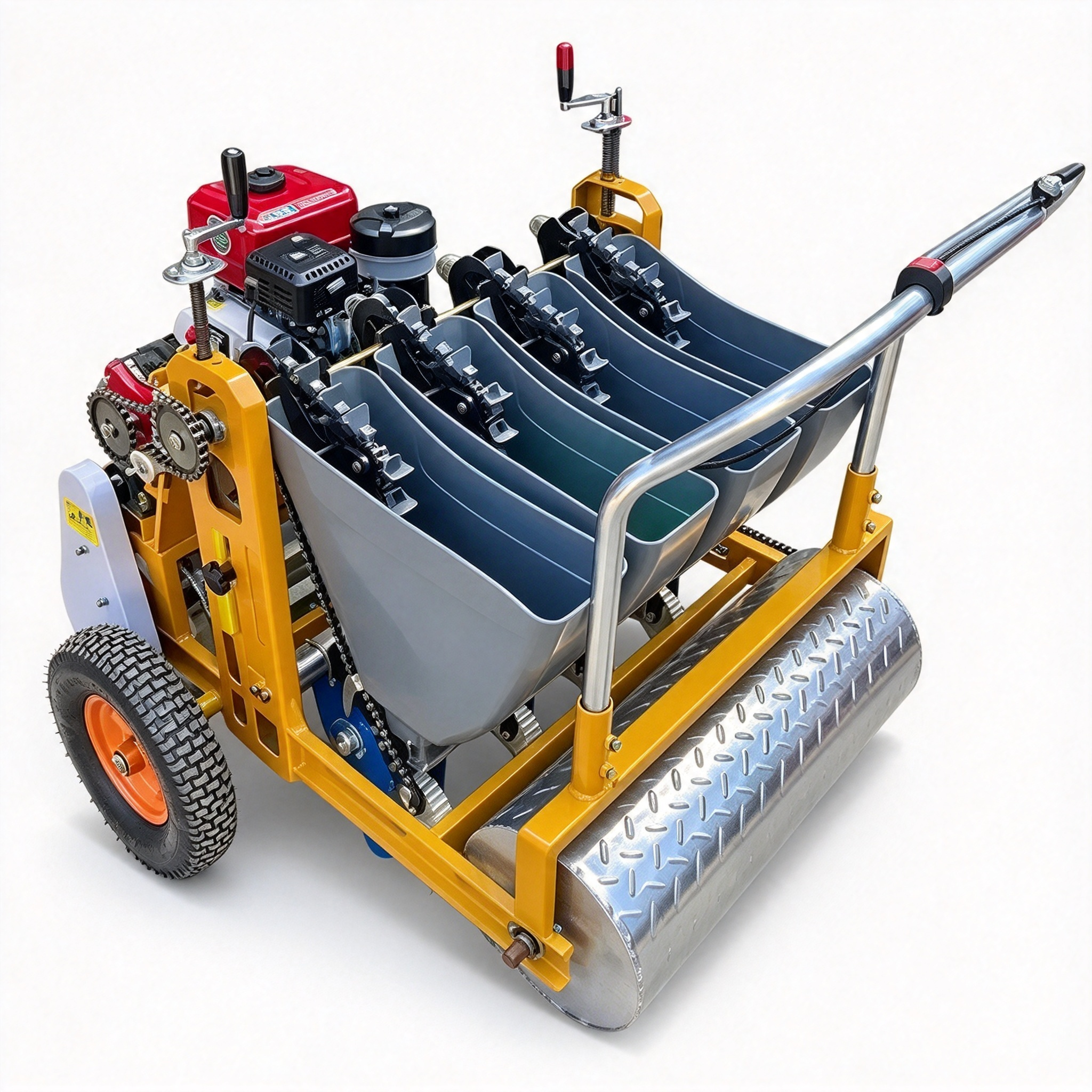
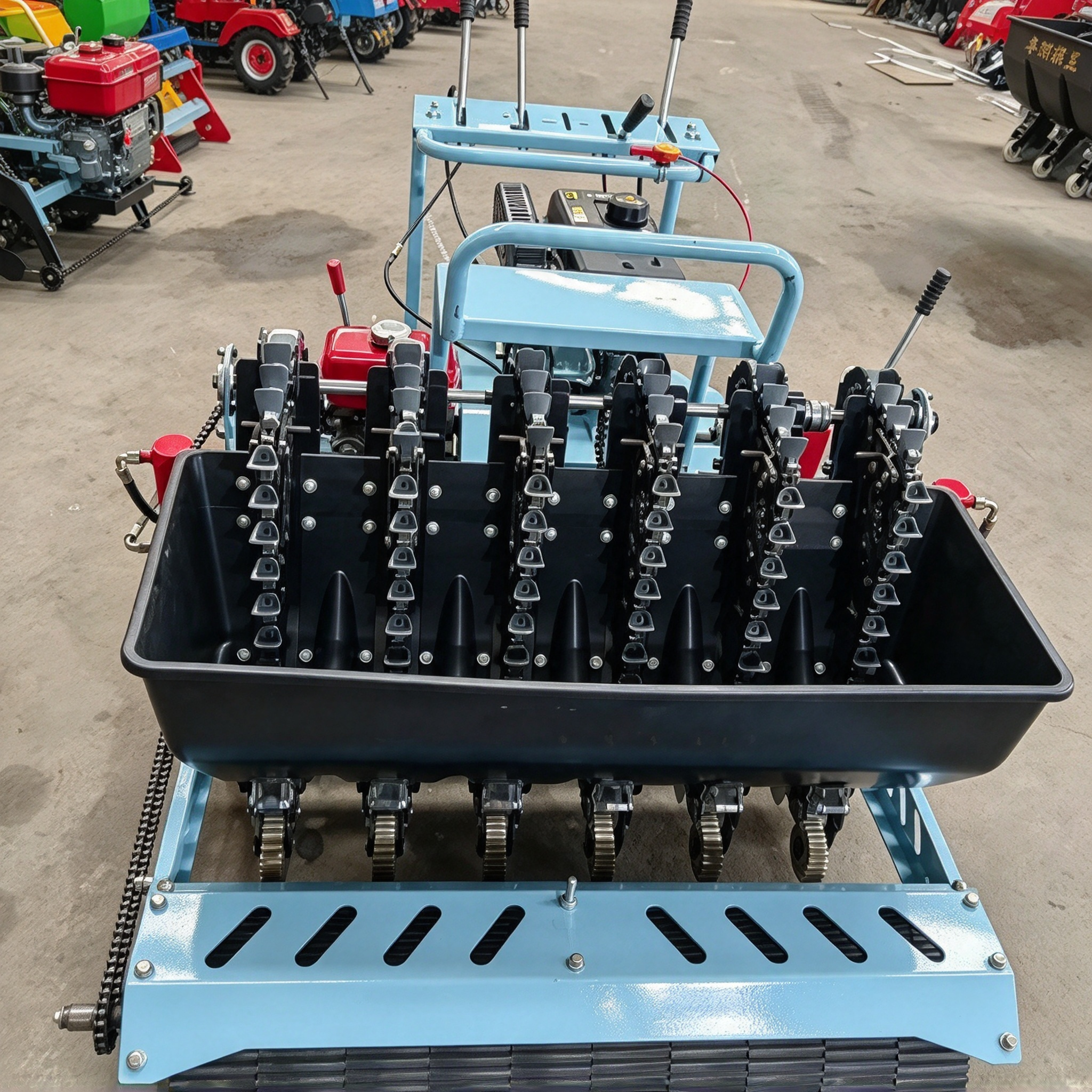
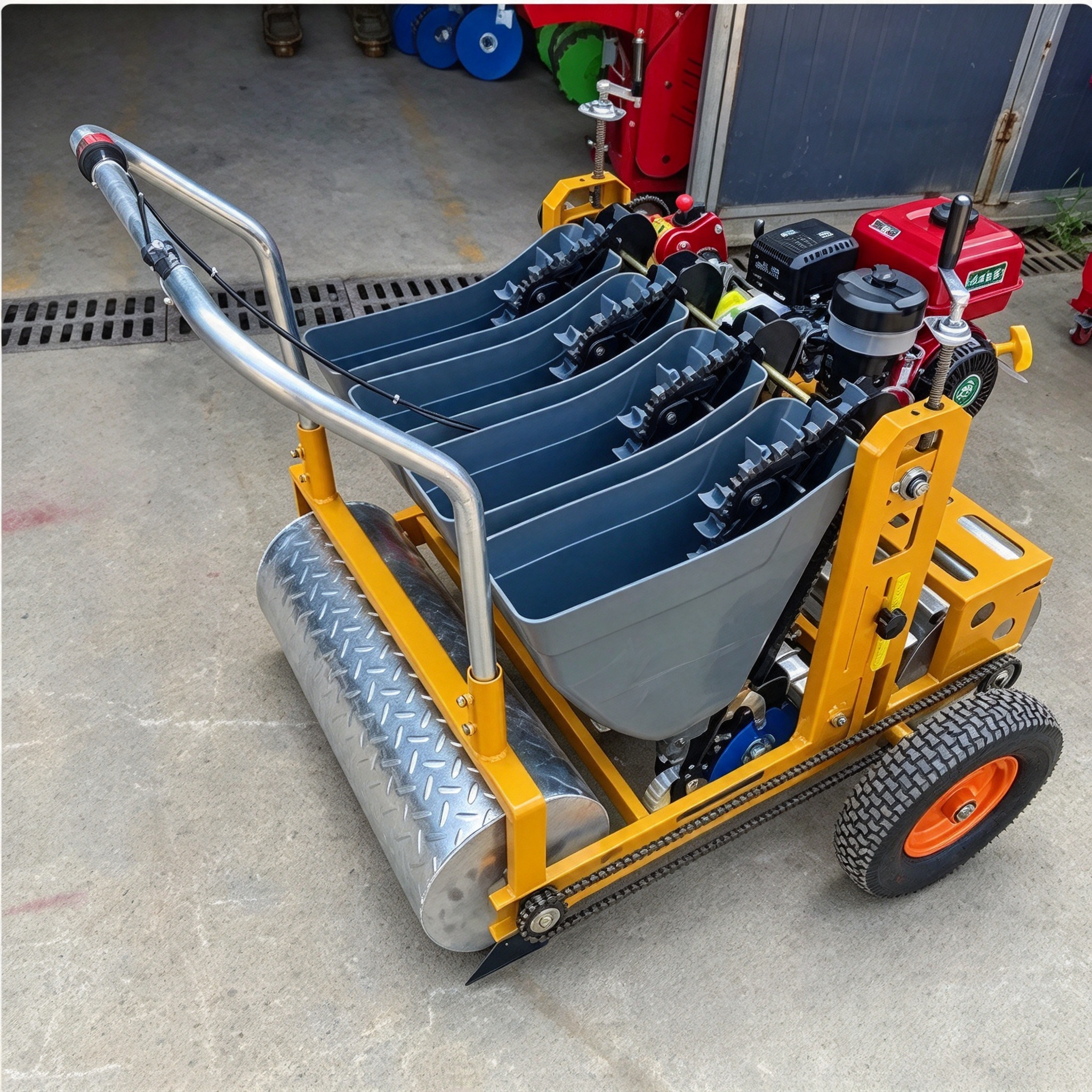
Choosing the Right Auto Seed Planter for Your Needs

application/auto-seed-planter, application/auto-seed-planter, 
Inquiry
Inquiry

auto seed planter

An auto seed planter is an advanced agricultural machine designed to improve the efficiency and accuracy of planting seeds in various farming conditions. As agricultural operations become more complex, the need for reliable and high-performance machinery grows. B2B buyers, including purchasing managers and agricultural engineers, often have concerns regarding the selection, quality, and operational efficiency of auto seed planters. This article aims to provide essential insights into choosing the right auto seed planter, understanding key features, ensuring quality control, addressing common problems, and evaluating cost factors.

Features and Benefits Breakdown

Features and Benefits Breakdown

When evaluating auto seed planters, several key features should be prioritized:

Seed Metering System: This controls the seed flow to ensure consistent planting density. Precision metering minimizes seed wastage and maximizes crop yield.

Adjustable Row Width: Flexibility in row spacing allows for adaptability to different crops and farming practices, catering to both high-density planting and traditional farming methods.

Soil Preparation and Fertility Management: Many modern planters come equipped with features that prepare the soil, such as tillage implements and fertilizer application systems. This dual functionality contributes to better seed establishment.

Durability and Build Quality: The materials used in construction, such as high-strength steel and corrosion-resistant coatings, are essential for longevity, especially in challenging environments.

Ease of Use: Intuitive controls and advanced technology can significantly reduce the learning curve for operators, enhancing overall productivity.

Understanding these features can help buyers select a model that not only meets their current needs but is also future-proofed for evolving agricultural practices.

Quality Control Standards for Auto Seed Planters You Should Know

Quality Control Standards for Auto Seed Planters You Should Know

Quality control is paramount in the manufacturing of auto seed planters. Buyers should look for equipment that adheres to international standards, such as CE and ISO 9001 certifications. These certifications ensure that the planter has undergone rigorous testing for safety, reliability, and performance.

During the purchasing process, potential buyers should inquire about the quality assurance processes in place at the manufacturing facility. For example, manufacturers should conduct pre-production sample testing, in-process inspections, and final product evaluations to guarantee adherence to specified performance standards.

Moreover, buyers can request documentation demonstrating the machine's performance under various conditions, which can provide assurance of its reliability in the field. Establishing these quality control measures before purchasing is crucial to avoid operational failures and ensure long-term productivity.

Common Problems with Auto Seed Planters and Their Solutions

Common Problems with Auto Seed Planters and Their Solutions

While auto seed planters are designed for efficiency, they can experience common issues that may disrupt operations:

Seed Jamming: This can occur if the seed metering system is not calibrated correctly. Regular maintenance and calibration checks can mitigate this issue.

Inconsistent Seed Depth: Variations in planting depth can affect crop yield. Buyers should ensure that the planter has adjustable depth settings and robust depth control mechanisms.

Wear and Tear on Components: Over time, components such as blades and discs may wear out. Regular inspections and timely replacement of worn parts can prevent operational downtime.

Hydraulic System Failures: Hydraulic components are critical for the functioning of many auto seed planters. Buyers should consider planters with high-quality hydraulic systems and ensure that proper maintenance routines are followed.

Understanding these common problems and their solutions can empower buyers to make informed decisions and maintain the operational efficiency of their seed planters.

Cost Factors to Consider When Buying Auto Seed Planters in Bulk

Purchasing auto seed planters in bulk can offer cost advantages, but several factors should be considered to ensure a wise investment:

Initial Purchase Price vs. Total Cost of Ownership: While the initial purchase price is important, buyers should also factor in maintenance costs, operational efficiency, and potential downtime, which can add to the overall cost of ownership.

Customization Requirements: If your operations require specific modifications or features, customization can increase the price. It is advisable to discuss your needs with the manufacturer to achieve an optimal balance between functionality and cost.

Volume Discounts: Many manufacturers offer discounts for bulk orders, which can significantly reduce the cost per unit. Engaging in negotiations can yield favorable pricing and terms.

Financing Options: Consider financing arrangements that may be available through the manufacturer or third-party lenders, which can ease budget constraints and allow for more flexible purchasing strategies.

Shipping and Logistics Costs: Finally, evaluate the shipping options and associated costs. Bulk orders may qualify for preferential shipping rates, but it is essential to understand the total logistics expenses involved.

By carefully considering these cost factors, buyers can make strategic purchasing decisions that align with their operational goals and budgetary constraints.

How to Choose the Right Auto Seed Planter for Your Needs

Selecting the appropriate auto seed planter involves understanding specific operational needs and environmental conditions. First, consider the type of crops you will be planting, as different planters cater to various seed types and planting depths. Evaluate the planter’s row spacing, which should align with crop requirements to optimize growth and yield. Additionally, exploring options such as Cultivators & Tillers can further enhance soil preparation for optimal planting.

Next, assess the technology involved in the seed planter, such as GPS guidance systems, which enhance planting accuracy and reduce overlap. Compatibility with existing machinery is another critical factor; ensure that the planter integrates seamlessly with your tractors or other equipment, including Tractors that may already be in use on your farm.

Finally, consider the manufacturer's support and service offerings. A reliable supplier, like Agripros, will provide comprehensive after-sales support, including maintenance services, spare parts availability, and technical assistance, which can significantly enhance your operational efficiency.

Frequently Asked Questions

What is the auto seed planter used for?

The auto seed planter automates accurate seed placement for row crops, reducing labor and improving uniformity across fields for seeding, suitable for farms and plantations.
Designed for common row crops like corn, soybean, wheat, sorghum and similar seeds; seed plates and settings can be adjusted for different seed sizes.
The planter is built to CE and ISO 9001 standards, backed by Agripros quality controls and lifecycle support for reliable performance.
Yes. Agripros offers tailored installation guidance, commissioning, spare parts and lifecycle maintenance support across our service network.
Contact Agripros sales with your model and field needs. We supply spare parts, configurable options and country-specific solutions for over 40 markets.

Get a Free Quote

Our representative will contact you soon.
0/1000