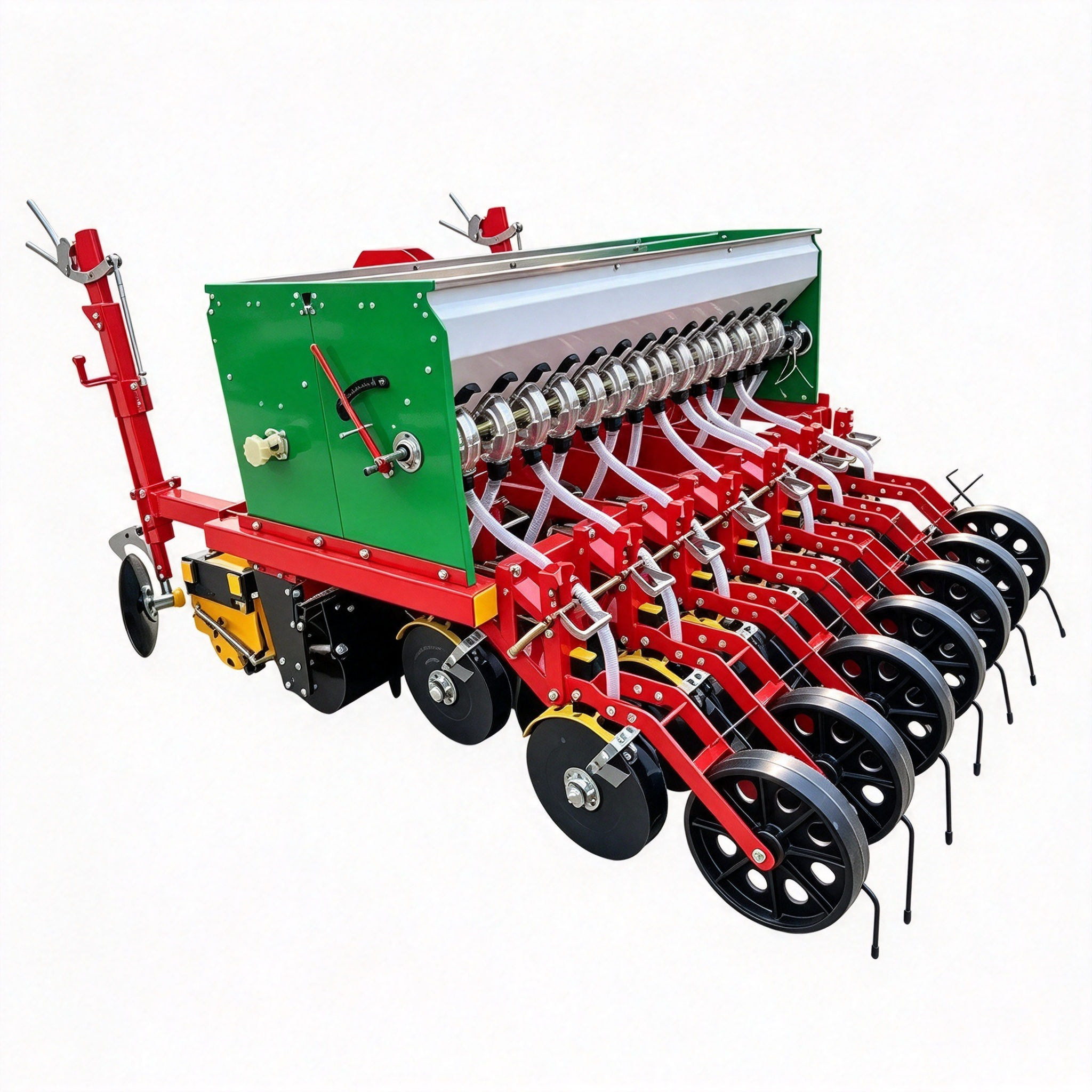
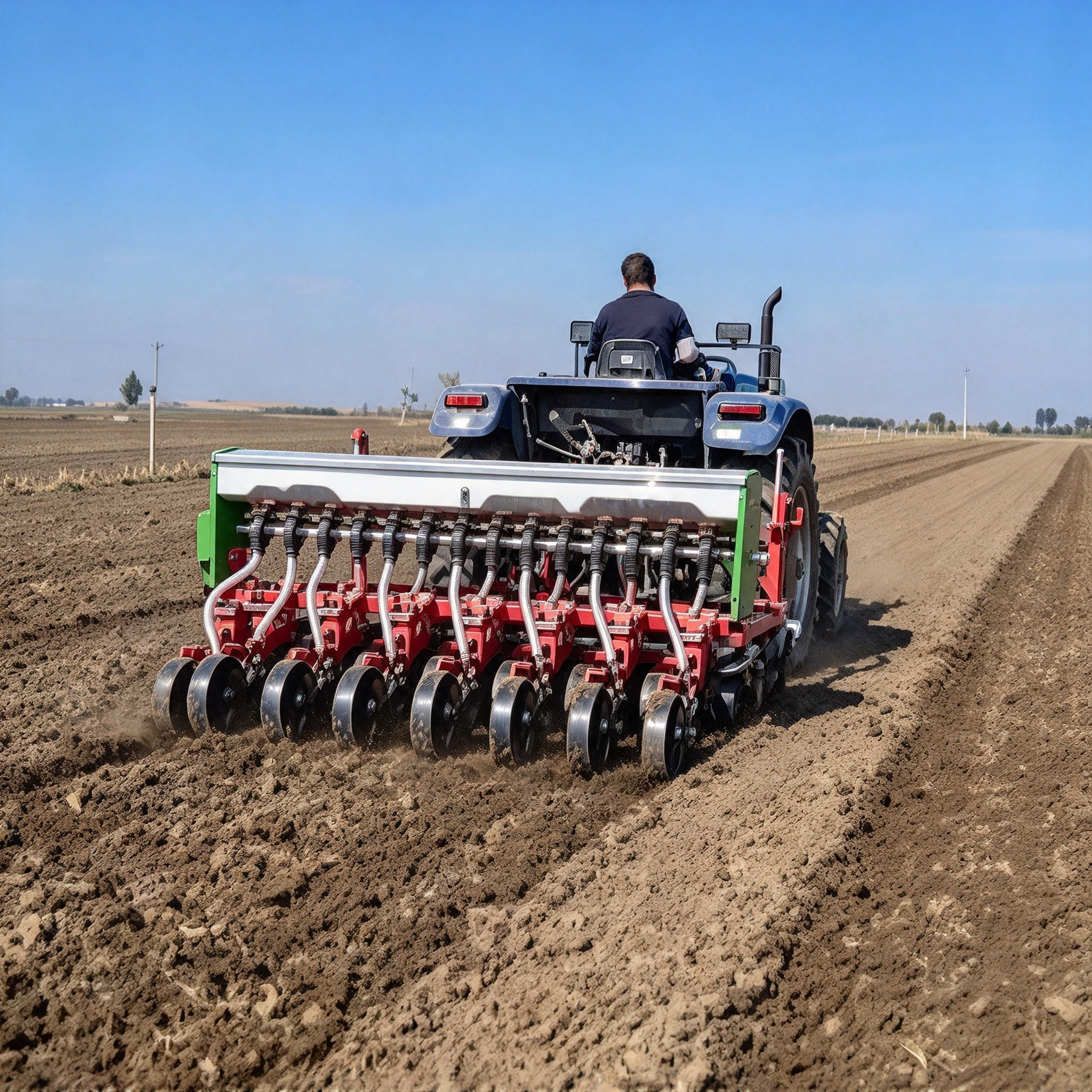
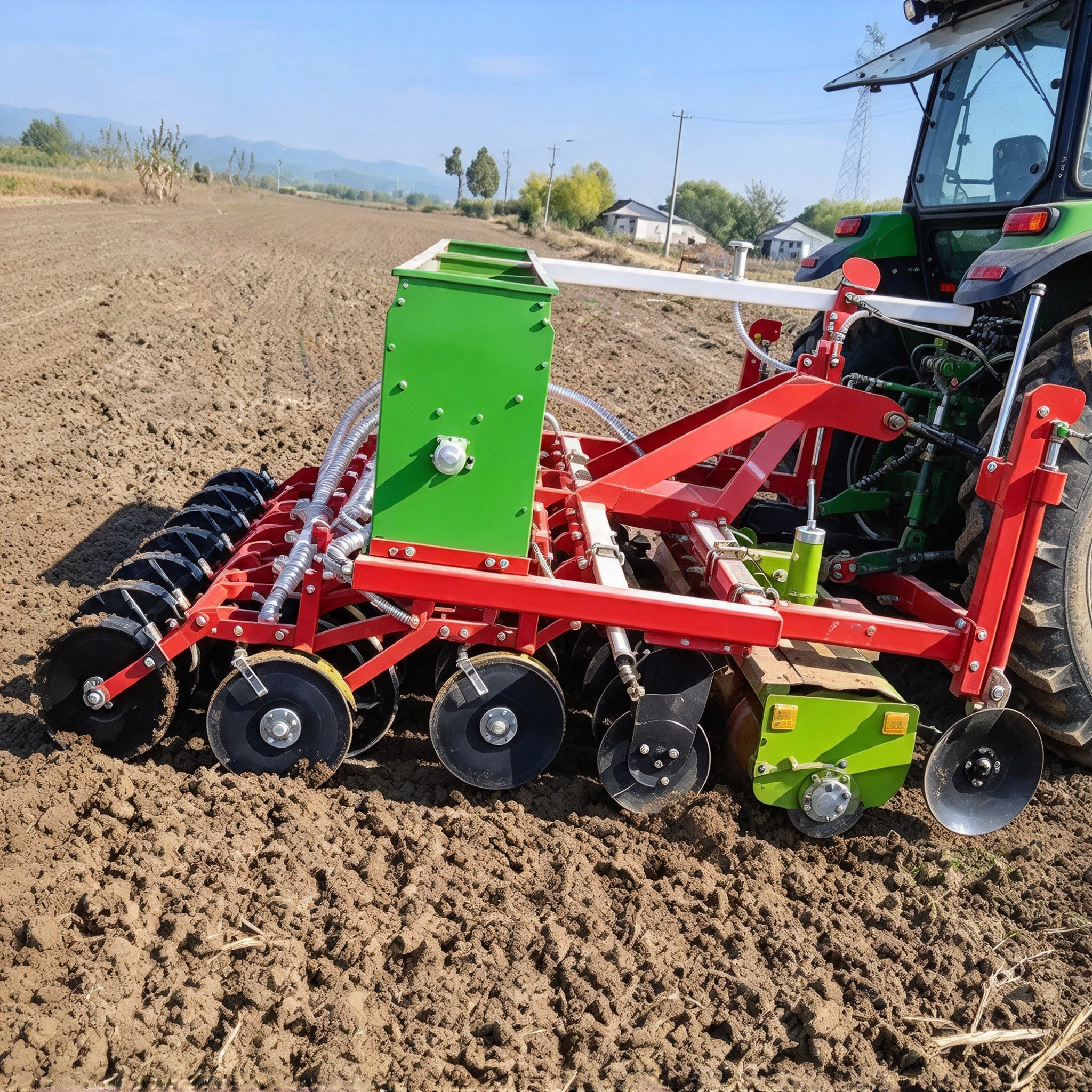
Wholesale Automatic Seed Planting Machines

application/automatic-seed-planting-machine, application/automatic-seed-planting-machine, 
Inquiry
application/automatic-seed-planting-machine, application/automatic-seed-planting-machine, 
Inquiry

automatic seed planting machine

Automatic seed planting machines are essential tools in modern agriculture, designed to enhance efficiency and precision in planting seeds across various terrains. As a B2B buyer, you may have concerns regarding the machine's performance, quality, and cost-effectiveness. This article will address these concerns by providing insights into wholesale options, evaluation criteria, common issues, and applications of automatic seed planting machines, empowering you to make informed purchasing decisions.

Evaluating the Quality of Automatic Seed Planting Equipmen

Evaluating the Quality of Automatic Seed Planting Equipmen

Quality is paramount when investing in automatic seed planting machines. Buyers should focus on several key specifications during the evaluation process:

Materials Used: The durability of the machine largely depends on the materials used in construction. High-strength steel is often utilized for frames and components to withstand harsh agricultural conditions.

Certification: Look for equipment that meets industry standards such as CE and ISO 9001, which indicate compliance with quality management practices.

Technical Parameters: Evaluate the machine's planting depth, seed spacing, and the technology used for seed placement. These parameters significantly affect planting efficiency and crop yield.

Quality Control Processes: Inquire about the manufacturer's quality assurance protocols. A robust quality control process can help prevent common issues related to machine performance.

Before finalizing a purchase, request a sample or a demonstration unit to assess its functionality and suitability for your specific agricultural operations.

Cost Factors to Assess When Purchasing Seed Planting Machinery

Cost Factors to Assess When Purchasing Seed Planting Machinery

The cost of automatic seed planting machines can vary widely based on several factors. Understanding these can help you budget effectively:

Features and Specifications: Machines equipped with advanced technologies such as GPS guidance systems or automated calibration may come at a premium. Assess whether these features align with your operational needs.

Customization Options: Custom-built machines tailored to specific crops or terrains can incur additional costs. Discuss customization possibilities with your supplier and evaluate their impact on overall pricing.

Maintenance and Support: Consider the long-term costs associated with maintenance and support. Machines with readily available spare parts and comprehensive warranty packages can reduce unforeseen expenses.

Shipping and Import Fees: If sourcing internationally, factor in shipping costs, import duties, and potential tariffs that might affect the overall price. Additionally, exploring options like Tractors can be beneficial for efficient farming operations.

Engaging in a thorough cost-benefit analysis can help ensure that you invest wisely in machinery that meets your operational requirements without exceeding your budget.

Common Issues with Automatic Seed Planting Machines and Solutions

Common Issues with Automatic Seed Planting Machines and Solutions

While automatic seed planting machines improve efficiency, several common issues can arise during operation:

Misalignment of Seeds: If the machine is not properly calibrated, seeds may be planted too deeply or too shallowly. Regular calibration checks and adjustments based on soil conditions can mitigate this issue.

Clogging: Organic debris or clumps of soil can cause blockages in the seed delivery system. Regular maintenance, including cleaning and inspection of the seed tubes, can help prevent this.

Wear and Tear: Frequent use can lead to wear on critical components such as seed plates or drive systems. Ensure that the supplier provides high-quality parts and a clear maintenance schedule to prolong the machine's lifespan.

Incompatibility with Soil Types: Different soil conditions may affect machine performance. Buyers should consult with manufacturers to ensure compatibility and possibly request modifications based on their specific environmental conditions.

By understanding these common issues and their solutions, buyers can take proactive measures to ensure optimal performance from their equipment.

Applications of Automatic Seed Planting Machines in Modern Agriculture

Automatic seed planting machines have a wide range of applications across various agricultural practices:

Row Cropping: These machines are particularly effective for row crops such as corn, soybeans, and cotton, enabling precise seed placement and spacing, which can lead to improved yields.

Vegetable Production: In vegetable farming, automatic seed planters can handle a variety of seed sizes and types, ensuring uniform planting even in smaller, more intricate fields.

Cover Cropping: Automatic seed planters are also used for cover crops that improve soil health and prevent erosion. Their precision allows for optimal planting density and depth.

Reforestation Projects: In forestry applications, these machines can efficiently plant saplings across large areas, reducing manual labor and improving survival rates.

With the ability to enhance planting efficiency and effectiveness, automatic seed planting machines are becoming indispensable tools in modern agriculture, helping farmers meet the demands of increasing food production while managing resources sustainably.

By addressing these key considerations, buyers can ensure they make informed decisions when investing in automatic seed planting machines, ultimately leading to improved agricultural practices and productivity.

Wholesale Options for Automatic Seed Planting Machines Explained

When considering wholesale options for automatic seed planting machines, it's crucial to assess the variety and specifications available. Suppliers, like Agripros, often offer customized solutions tailored to specific agricultural needs. Buyers should inquire about minimum order quantities (MOQ), which can vary based on machine specifications and features. It's also important to consider the various types of machinery available, including Processing Machines that can complement seed planting efforts.

It's beneficial to explore bulk purchasing agreements, as they might provide cost savings and favorable terms. Additionally, understanding the lead time for production and delivery is essential, as it can impact your operational schedule. Ensure that the supplier can meet your demand, considering their production capacity and any potential delays in shipping, especially when sourcing from international markets.

Frequently Asked Questions

What crops can the automatic seed planting machine handle?

The machine supports a wide range of seeds including cereals, vegetables, legumes, and oilseeds. Crop-specific configurations and seed meters ensure accurate planting for most farm and plantation needs.
Designed for small to large farms and plantations, it works on flat and gently sloped fields. Consult Agripros for tailored setup if you have steep or highly uneven terrain.
Agripros machines carry CE and ISO 9001 certifications, ensuring compliance with international quality and safety standards across design, manufacturing, and delivery.
We provide lifecycle-based support including user manuals, spare parts, preventive maintenance schedules, and remote or on-site service agreements to maximize uptime.
Seed meters, adjustable row spacing, and calibrated depth controls deliver consistent seed placement. Agripros offers setup guidance and calibration assistance for optimal accuracy.

Get a Free Quote

Our representative will contact you soon.
0/1000