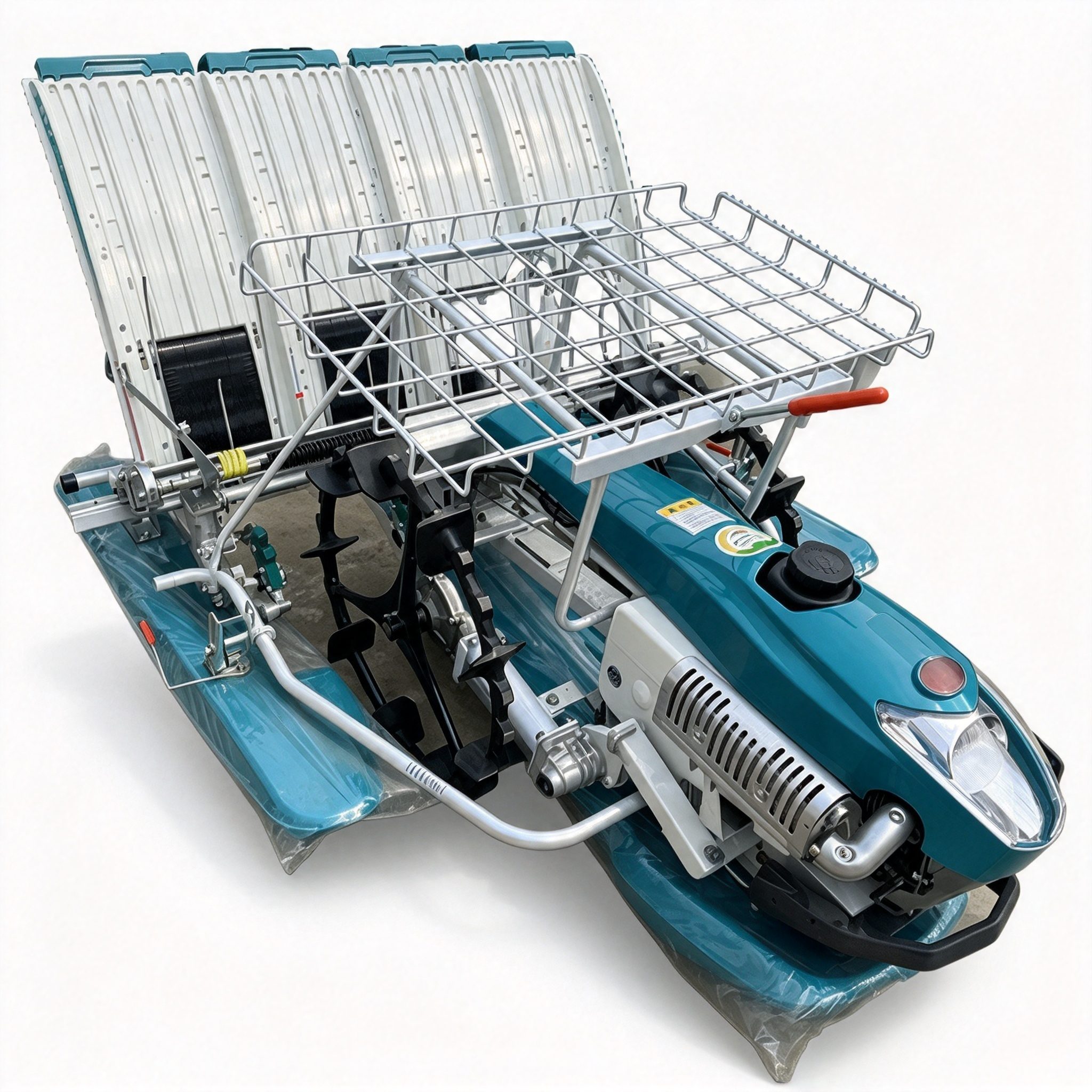
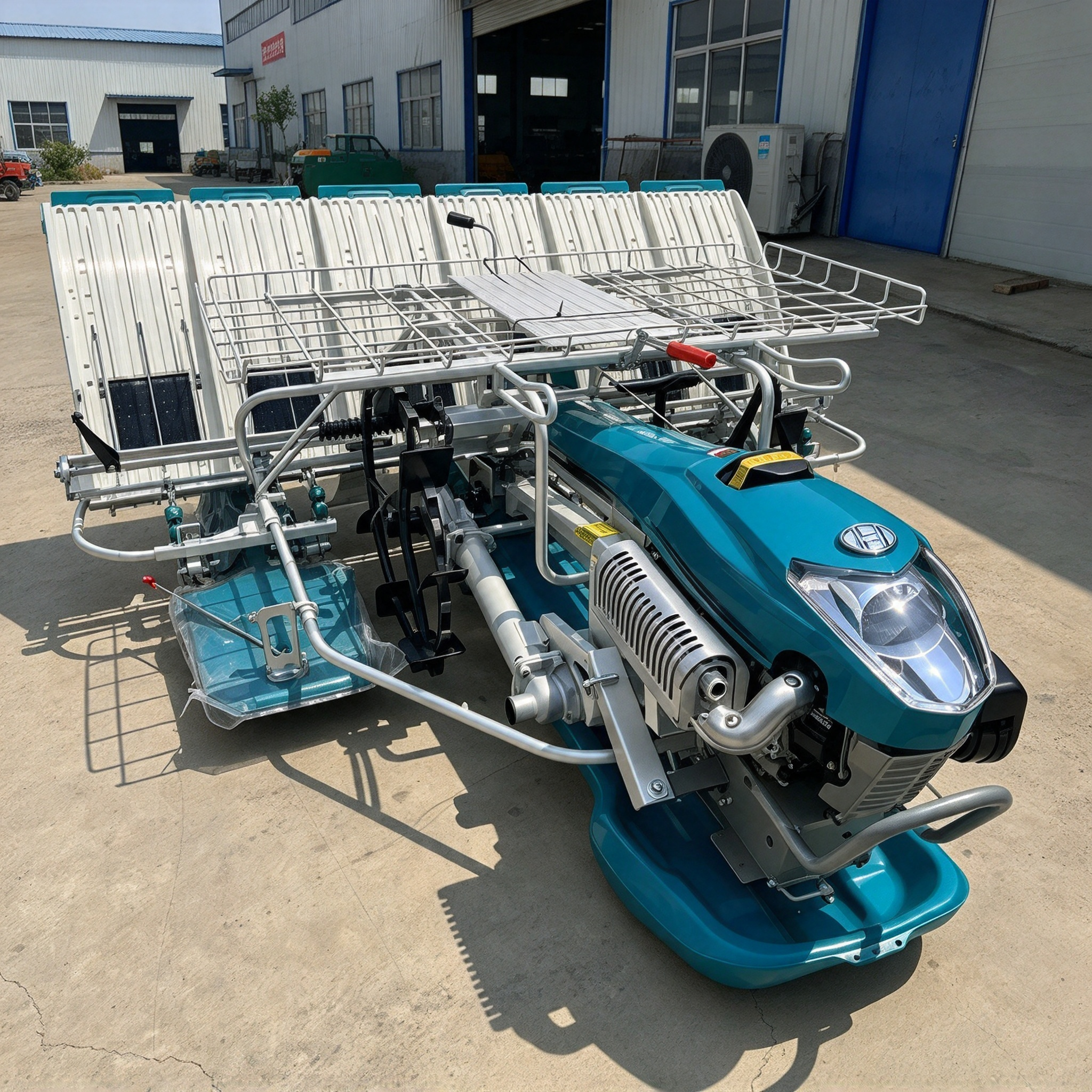
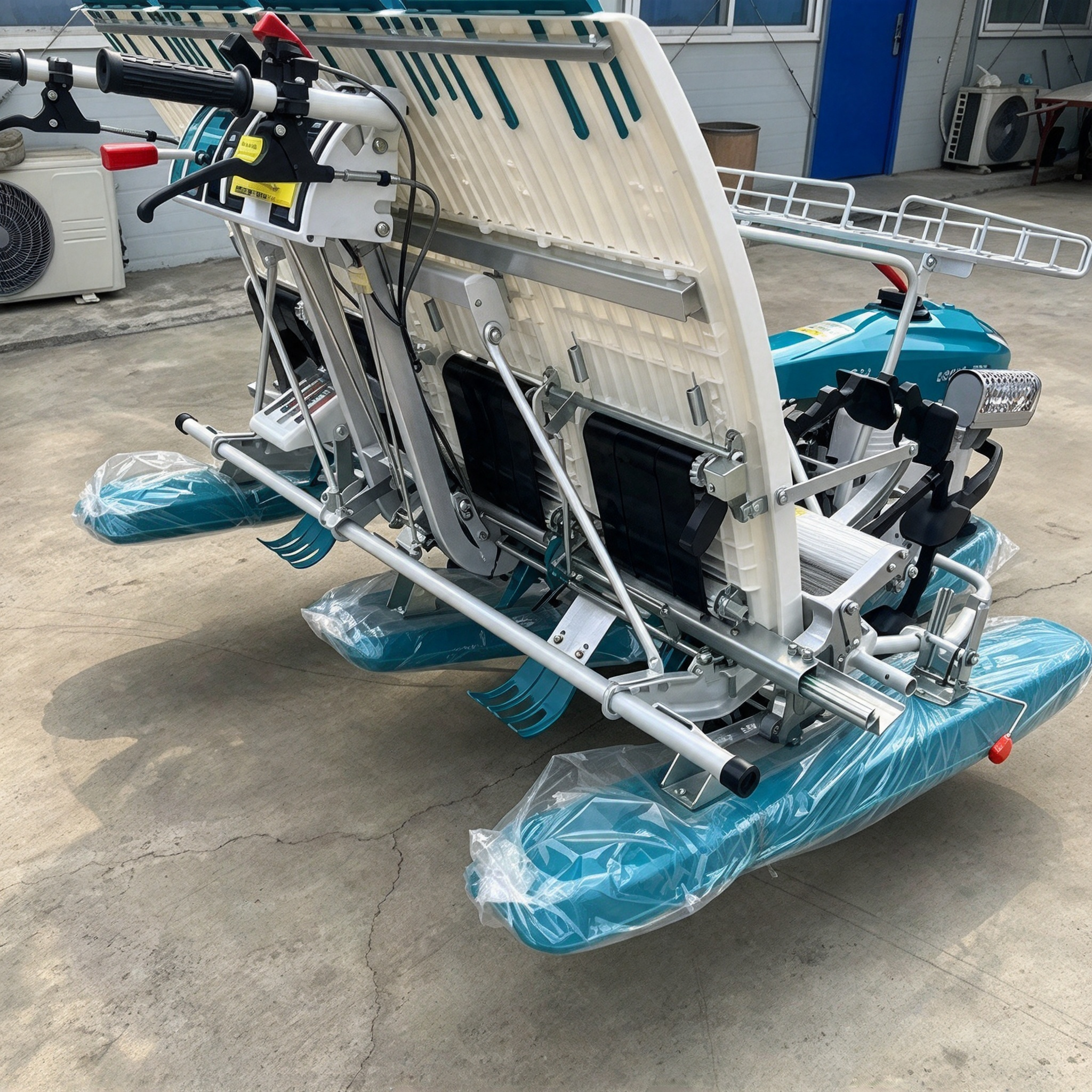
Choosing the Right Automatic Planter for Your Needs

application/automatic-planter, application/automatic-planter, 
Inquiry
Inquiry

automatic planter

In modern agriculture, the use of automatic planters has become essential for optimizing crop production. These machines streamline the planting process, ensuring precision in seed placement and depth. For B2B buyers like purchasing managers, distributors, and agricultural engineers, understanding the capabilities and specifications of automatic planters is crucial. This article will guide you through selecting the right automatic planter, cost considerations for bulk orders, identifying reliable suppliers, understanding features and benefits, and installation guidance.

Cost Factors to Assess for Bulk Orders of Automatic Planters

Cost Factors to Assess for Bulk Orders of Automatic Planters

When considering bulk orders of automatic planters, several cost factors come into play:

Initial Purchase Price: The upfront cost can vary significantly based on features, brand, and specifications. Be sure to compare models with similar capabilities.

Customization Options: Custom features can increase costs, but they may enhance efficiency and productivity. Assess whether the additional investment aligns with your long-term goals.

Shipping and Handling: Factor in logistics costs, especially for international shipping. Ensure the supplier provides transparent shipping estimates.

Maintenance and Operating Costs: Consider ongoing costs such as maintenance, repairs, and spare parts. A reliable supplier should offer insights into the expected lifecycle costs.

Discounts for Bulk Orders: Many manufacturers offer tiered pricing for bulk purchases, which can significantly reduce the overall cost per unit. It’s worth negotiating volume discounts.

Understanding these factors will help you budget effectively and make informed purchasing decisions. Additionally, exploring options like Tractors can provide further insights into associated costs and benefits.

Where to Find Reliable Suppliers of Automatic Planters

Where to Find Reliable Suppliers of Automatic Planters

Finding trustworthy suppliers is crucial for acquiring quality automatic planters. Consider the following sources:

Industry Trade Shows: Attending agricultural trade shows allows you to meet manufacturers, see equipment in action, and discuss your requirements directly.

Online Marketplaces and Directories: Platforms like Alibaba and industry-specific directories can connect you with a variety of suppliers. Be sure to check reviews and ratings.

Referrals and Recommendations: Networking with other agricultural professionals can lead to reliable supplier recommendations based on their experiences.

Manufacturer Websites: Investigate manufacturers like Agripros, known for their agricultural machinery expertise and commitment to quality. Look for certifications (e.g., CE/ISO 9001) that indicate compliance with industry standards.

Local Dealers: Partnering with local dealers can provide support and service that might be more difficult to obtain from international suppliers.

Researching suppliers using these avenues can help ensure you find a reliable partner for your automatic planter needs.

Features and Benefits Explained

Features and Benefits Explained

Automatic planters come equipped with various features that enhance their operational effectiveness. Here are some noteworthy features and their benefits:

Precision Planting Technology: This feature ensures seeds are planted at the correct depth and spacing, optimizing growth potential and minimizing seed waste.

Variable Rate Planting: This technology allows for adjustments in seed placement based on soil conditions and crop requirements, resulting in improved yield and reduced costs.

Durable Construction: High-quality materials and robust design enhance longevity, reducing the frequency and cost of repairs.

Ease of Use: Many modern planters are designed with user-friendly interfaces and controls, simplifying operation for new users and reducing training time.

Maintenance Alerts: Some models feature built-in diagnostics that notify operators of maintenance needs, helping to prevent downtime during critical planting periods.

Understanding these features can help you evaluate which automatic planter best aligns with your operational objectives and budget constraints. Additionally, consider how Cultivators & Tillers can complement your planting operations.

Installation Guidance for Your New Automatic Planter

Proper installation of your automatic planter is vital for optimal performance. Here are steps to consider:

Site Preparation: Ensure the installation site is cleared and leveled. Any obstructions can affect the planter’s operation and seed placement.

Follow Manufacturer Instructions: Always refer to the installation manual provided by the manufacturer. This document will detail specific requirements for your model.

Calibration: After installation, calibrate the planter according to the manufacturer's guidelines. This process ensures accurate seed placement and depth.

Testing: Conduct a trial run in a controlled area to test the planter’s operation. This will allow you to make any necessary adjustments before full-scale planting.

Training: Provide training for operators to ensure they understand the planter’s features and controls. This can help prevent operational errors and maximize efficiency.

By following these installation steps, you can ensure your automatic planter is set up correctly, leading to improved performance and productivity in your agricultural operations.

Choosing the Right Automatic Planter for Your Agricultural Needs

Selecting the appropriate automatic planter involves assessing the specific requirements of your farming operations. Key factors include:

Seed Type and Size: Different planters are designed for various seeds, from small vegetable seeds to larger grains. Ensure the planter accommodates your specific seed types.

Field Conditions: Evaluate the soil type and field layout. Some planters perform better in certain soil conditions (e.g., clay vs. sandy) or uneven terrains.

Planting Depth: The ability to adjust planting depth is vital. Different crops require different depths for optimal germination.

Row Spacing: Consider the row width needed for your crops. Automatic planters offer configurations that can be customized to fit specific row spacing requirements.

Technology Integration: Modern automatic planters often feature GPS technology and variable rate planting. These enhancements can improve efficiency and yield. For instance, by integrating advanced Sprayer & Fertilizer systems, farmers can further optimize their planting processes.

Understanding these elements will help ensure you choose a planter that meets your operational needs and improves productivity.

Get a Free Quote

Our representative will contact you soon.
0/1000