Key Specifications for Compact Tractors Buying Guide

application/compact-tractor, application/compact-tractor, 
Inquiry
Inquiry

compact tractor

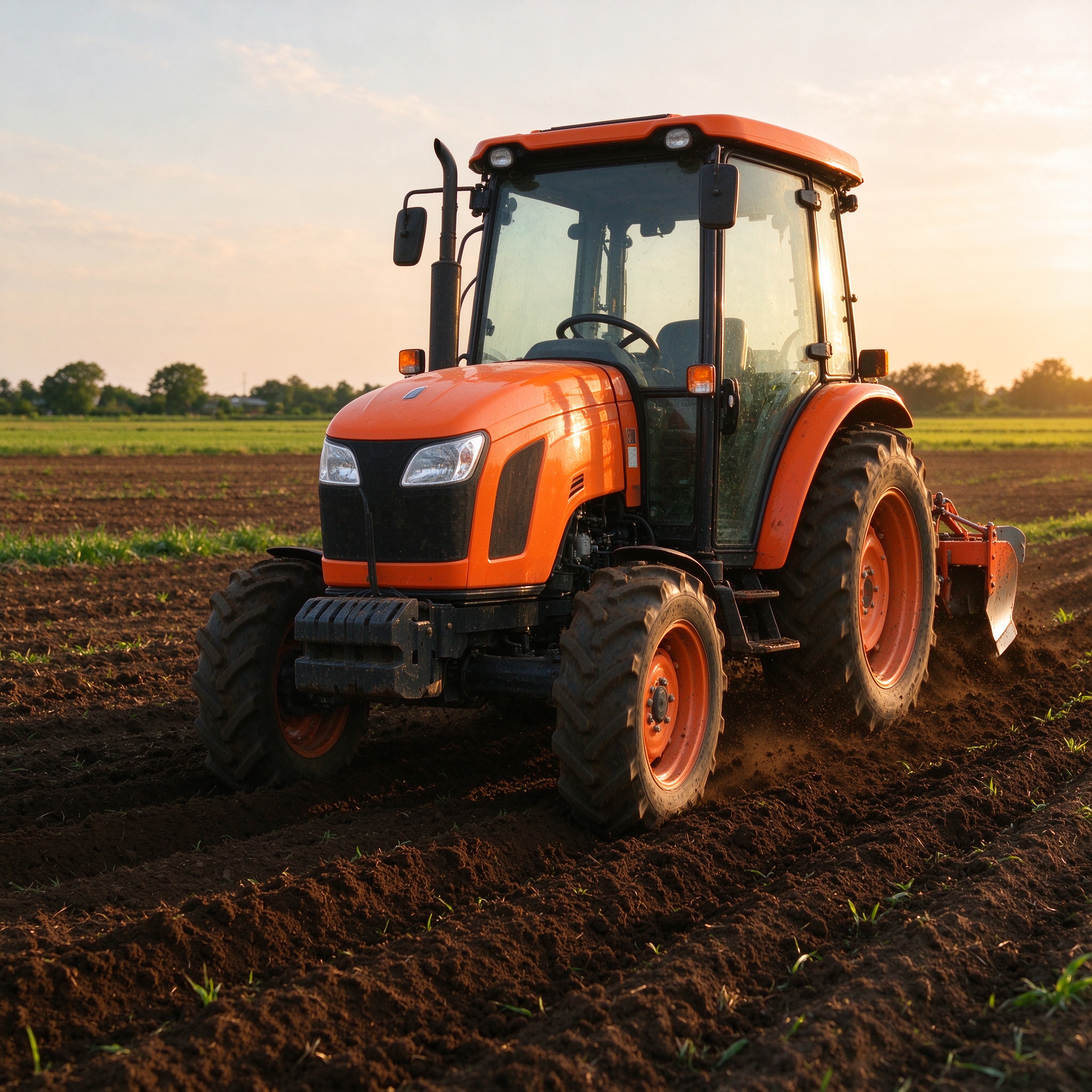
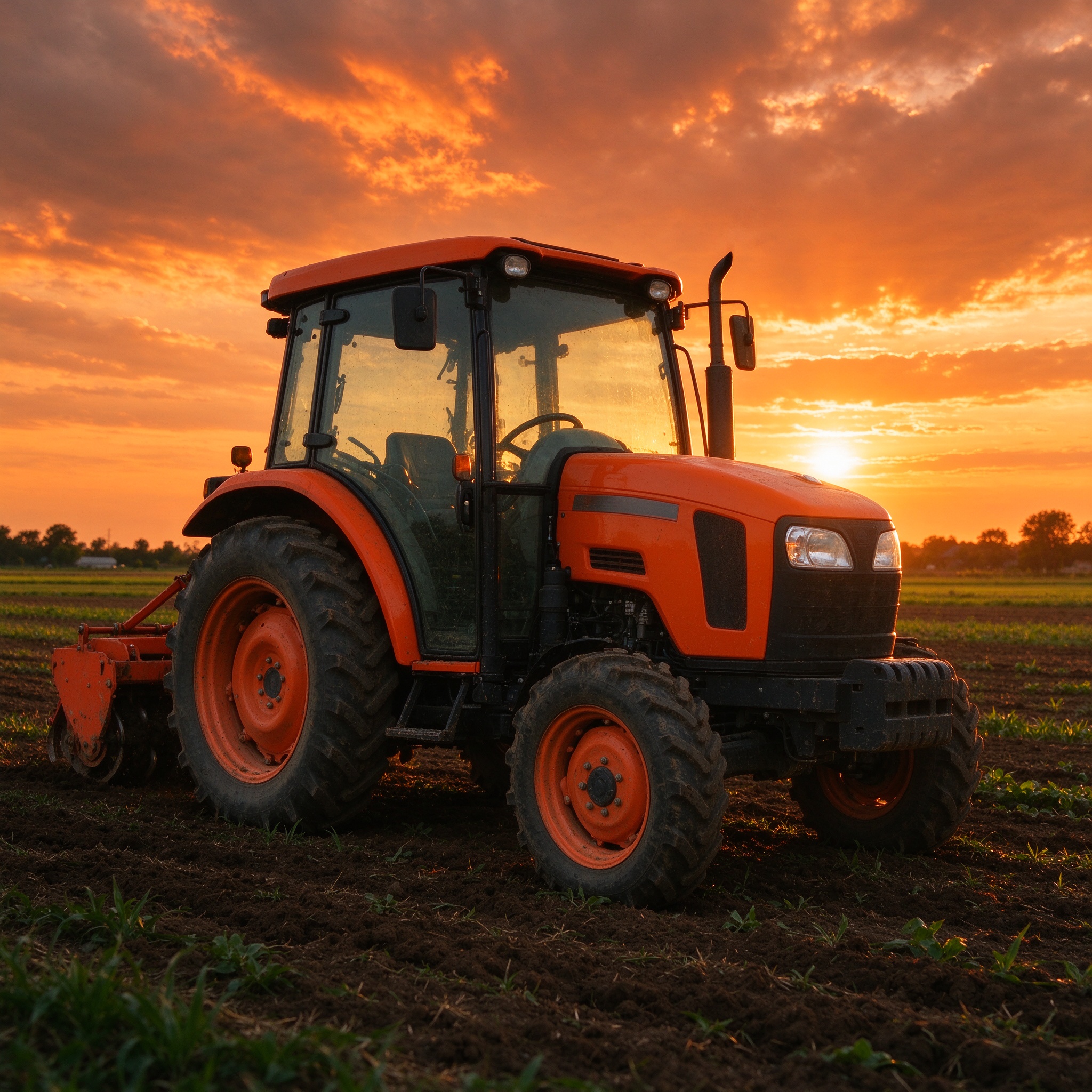
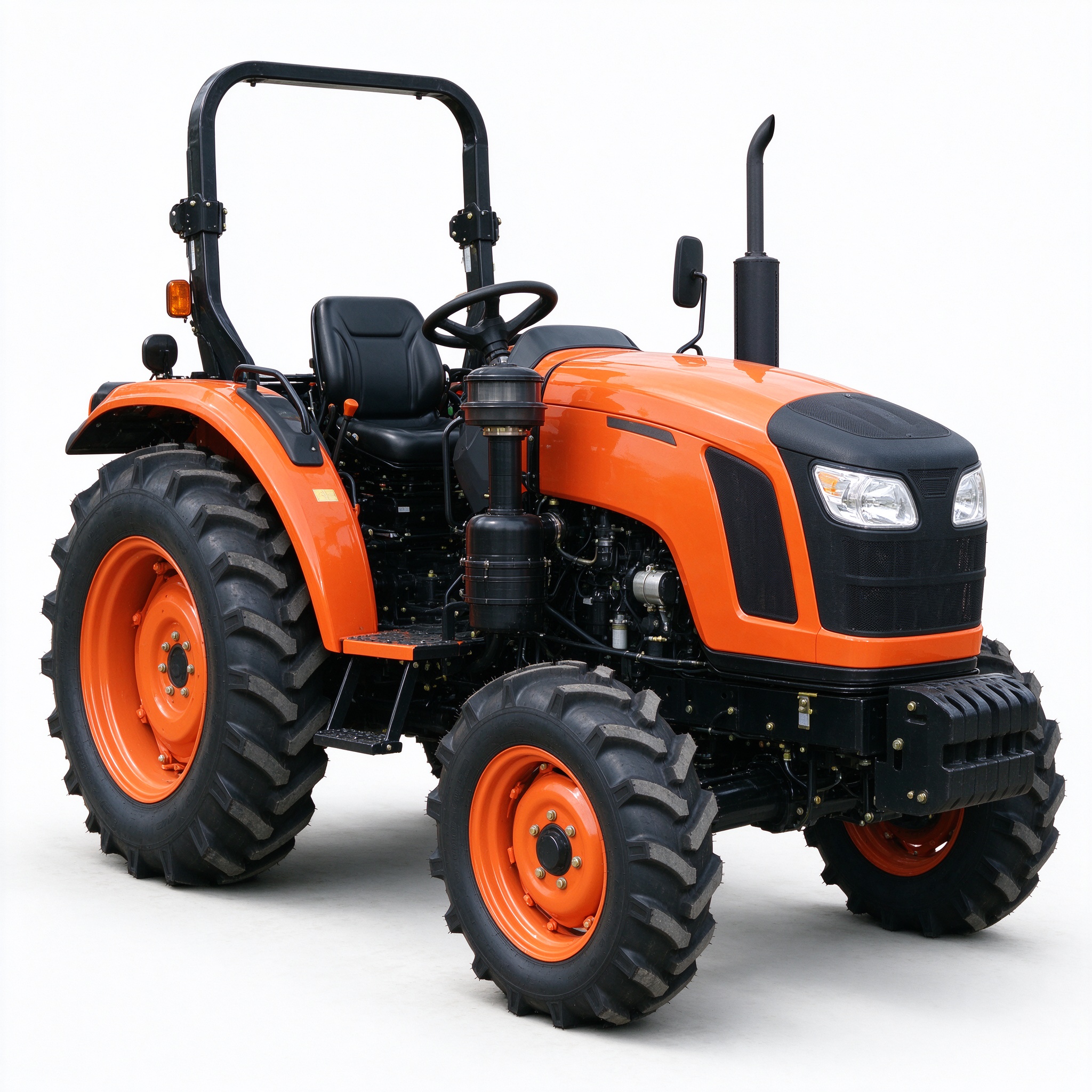
When considering agricultural machinery, compact tractors stand out as versatile and efficient tools tailored for various farming tasks. These machines are especially valuable for smaller farms or operations that require maneuverability without sacrificing power. Buyers often focus on specifications, reliability, and supplier reputation when evaluating the best compact tractor for their needs. This article will guide you through key specifications, supplier options, common issues, applications, and quality control measures relevant to compact tractors, equipping you with the knowledge needed to make an informed purchase.

Where to Find Reliable Suppliers of Compact Tractors for Wholesale

Where to Find Reliable Suppliers of Compact Tractors for Wholesale

Finding trustworthy suppliers for compact tractors is vital for ensuring product quality and reliability. Here are some effective strategies to identify reputable suppliers:

Industry Trade Shows: Attending agricultural trade shows and expos is a great way to meet manufacturers and suppliers in person. Such events often feature the latest models and innovations in compact tractors, allowing buyers to compare products firsthand.

Online Directories and Marketplaces: Websites like Alibaba, ThomasNet, and other B2B directories list numerous suppliers. It's essential to check reviews and ratings before engaging with any supplier.

Trade Associations: Many regions have agricultural machinery associations that provide resources and networks for buyers. These organizations often maintain lists of reputable suppliers and manufacturers.

Referrals and Networking: Engaging with industry peers, local farmers, or agricultural consultants can yield valuable recommendations for reliable suppliers based on their own experiences.

Manufacturer Certifications: Look for suppliers that possess necessary certifications (like CE or ISO 9001) as they often indicate adherence to quality standards and reliable manufacturing practices.

By utilizing these strategies, buyers can effectively evaluate and connect with suppliers that meet their specific needs for compact tractors. Additionally, for specific applications, you might explore a Grain Crusher 3 kW Electric Mill for Poultry Feed Milling to enhance your operational efficiency.

Common Problems with Compact Tractors and Their Solutions

Common Problems with Compact Tractors and Their Solutions

Despite their versatility, compact tractors can encounter various issues that may affect performance. Here are some common problems and their solutions:

Hydraulic System Failures: Hydraulic leaks or failures can hinder the operation of attachments. Regularly inspect hoses and connections for wear and ensure proper fluid levels. If leaks are found, replace worn components promptly.

Engine Overheating: Overheating can occur due to a clogged radiator or low coolant levels. Regular maintenance, including cleaning the radiator and checking coolant levels, can prevent this issue.

Electrical System Issues: Problems with the battery, starter, or wiring can lead to starting difficulties. Conduct routine checks on the electrical system and replace batteries as necessary to avoid unexpected downtimes.

Tire Wear and Damage: Improper inflation or load can lead to uneven tire wear. Regularly check tire pressure and inspect for any signs of damage to ensure optimal performance.

Transmission Problems: Difficulty in shifting gears often indicates low fluid levels or contamination. Regular fluid checks and changes are essential to maintain smooth operation.

Understanding these potential problems allows buyers to proactively address issues and maintain their compact tractors effectively, ensuring long-term performance.

Applications of Compact Tractors in Various Agricultural Projects

Applications of Compact Tractors in Various Agricultural Projects

Compact tractors are highly versatile machines suitable for a range of agricultural applications. Some key applications include:

Tillage: Compact tractors can efficiently perform tillage tasks, preparing soil for planting. Their ability to attach various implements makes them adaptable to different tillage methods.

Seeding: Many compact tractors can be equipped with seeders or planters, making them ideal for sowing crops in small to medium-sized fields.

Irrigation: Compact tractors can support irrigation efforts by towing water tanks or operating irrigation systems, ensuring crops receive adequate water.

Landscaping and Maintenance: Beyond traditional farming, compact tractors are also used in landscaping projects, such as grading and leveling land, making them valuable for nurseries and garden centers.

Harvesting: In smaller farms, compact tractors can assist with harvesting tasks, whether through direct attachments or by towing harvesting equipment.

Furthermore, the Mini Crawler Combine Harvester 25HP 1200mm Cutting Table is an excellent choice for enhancing harvesting efficiency. The adaptability of compact tractors makes them an essential investment for agricultural projects of varying scales and types.

Quality Control Measures for Trusted Compact Tractor Manufacturing

Ensuring high-quality compact tractors requires rigorous quality control measures throughout the manufacturing process. Key quality control practices include:

Material Selection: Using high-grade materials that can withstand operational stresses is fundamental. Manufacturers should conduct thorough testing of materials to ensure durability.

In-Process Inspections: Regular inspections during manufacturing help to identify defects early. This includes monitoring assembly accuracy, weld quality, and painting finishes.

Final Testing: Before a compact tractor leaves the factory, it should undergo comprehensive testing to assess performance, safety, and reliability. This may include load tests, hydraulic system checks, and operational trials.

Certification Compliance: Adherence to industry standards and certifications (like CE and ISO 9001) assures buyers of a minimum quality level. Manufacturers should regularly review compliance processes to maintain certification status.

Customer Feedback Loop: Engaging with end-users to gather feedback can provide valuable insights into product performance and areas for improvement, fostering continuous enhancement of manufacturing practices.

By implementing these quality control measures, manufacturers can build trust with buyers and ensure the delivery of reliable compact tractors that meet operational demands.

Key Specifications to Evaluate When Purchasing Compact Tractors

When selecting a compact tractor, buyers should consider several critical specifications to ensure the machine meets their operational requirements. Key specifications include:

Horsepower: The engine power significantly impacts the tractor's performance. Higher horsepower enables the tractor to handle more demanding tasks, such as heavy tillage or hauling.

Weight and Size: A compact tractor's weight affects its stability and traction, especially when working on uneven terrain. The size is also vital for maneuverability in tight spaces.

Transmission Type: Compact tractors typically feature either hydrostatic or gear transmission. Hydrostatic transmissions offer smoother operation and easier speed adjustments, making them ideal for beginners.

PTO (Power Take-Off) Capability: The PTO allows for the attachment of various implements, such as mowers or tillers. Buyers should check the PTO horsepower to ensure compatibility with intended attachments.

Lift Capacity: Understanding the hydraulic lift capacity is crucial for evaluating how much weight the tractor can handle when using front-end loaders or three-point hitches.

Tire Options: The choice of tires can greatly affect performance in different soil conditions. Buyers should consider whether turf, agricultural, or industrial tires are most suitable for their needs.

Evaluating these specifications against your operational requirements will help ensure that you choose a compact tractor that aligns with your agricultural goals. For those looking for reliable options, consider the 8-25HP Diesel Walk Behind Tractor Water-Cooled Hand Start Farm Tractor for its outstanding performance.

Frequently Asked Questions

What tasks is the compact tractor best suited for?

The compact tractor handles tillage, seeding, irrigation support, light hauling and mowing on small to mid-size farms and plantations. It’s designed for versatile field and maintenance work.
Our compact tractors carry CE and ISO 9001 certifications, ensuring compliance with safety, quality management, and manufacturing standards.
Yes. We provide tailored configurations and attachments based on your soil, crop type, and lifecycle needs to optimize performance and durability.
Agripros offers lifecycle-based support including spare parts, maintenance guidance, and technical assistance to ensure continuous operation across the tractor’s service life.
Yes. We supply equipment to farms and plantations across 40 countries, with logistics and documentation support for international delivery.

Get a Free Quote

Our representative will contact you soon.
0/1000