Understanding Compact Tractor Prices for Bulk Orders

application/compact-tractor-prices, application/compact-tractor-prices, 
Inquiry
Inquiry

compact tractor prices

When considering the purchase of compact tractors, particularly for bulk orders, understanding the various factors influencing compact tractor prices is crucial. Compact tractors are versatile agricultural equipment designed for small to medium-sized farms, capable of performing multiple tasks, from tilling and seeding to irrigation and harvesting. Buyers often focus on specifications, pricing, and application suitability, as these aspects can significantly affect their purchasing decisions. This article will help you navigate the complexities of compact tractor prices, ensuring that you make an informed choice aligned with your operational needs.

Specifications You Need to Know Before Buying Compact Tractors

Specifications You Need to Know Before Buying Compact Tractors

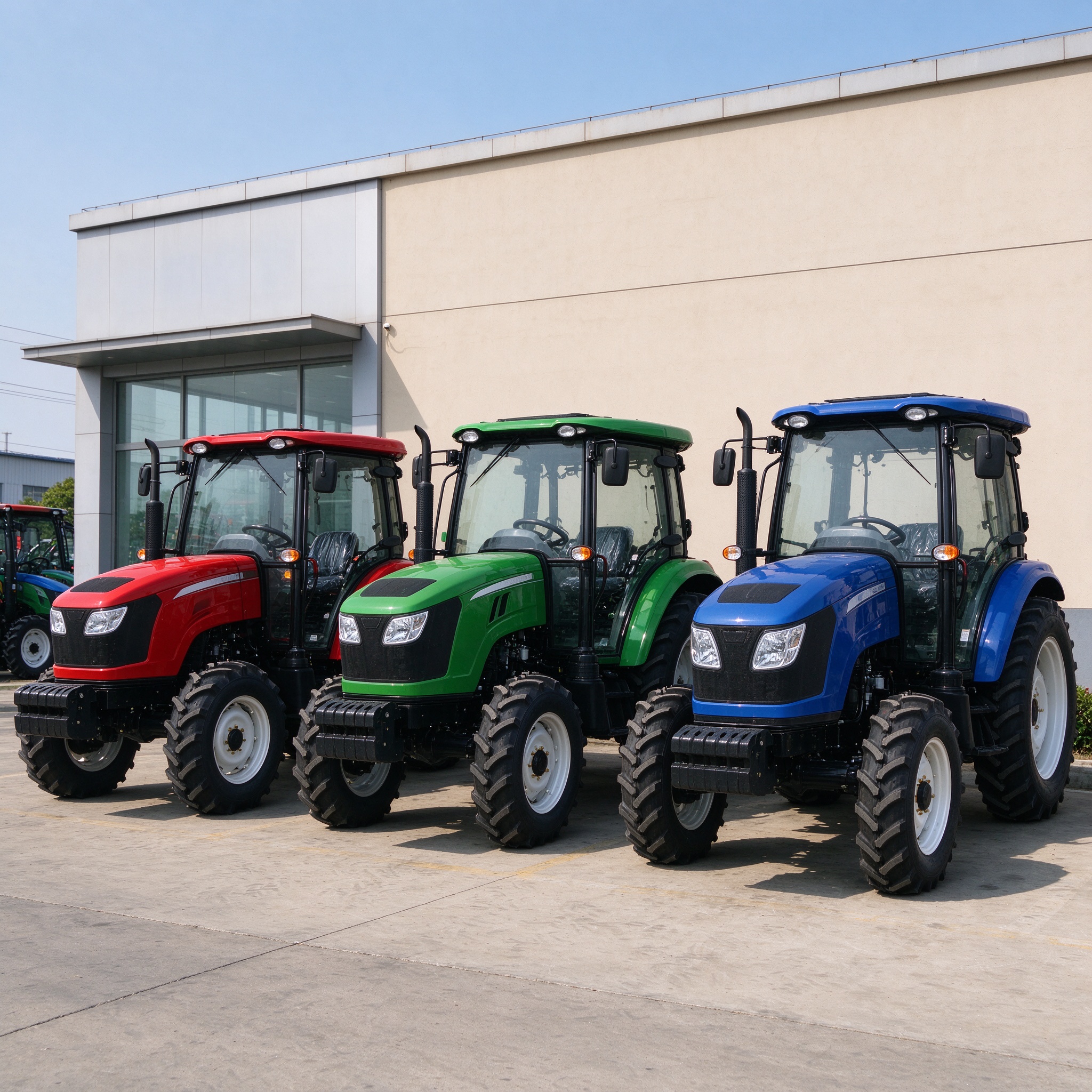
Before making a purchase, it's vital to understand specific tractor specifications. Key specifications to review include:

Engine Power: Measured in horsepower (HP), this determines the tractor's ability to perform various tasks. For instance, higher HP is advantageous for heavier loads and more demanding applications.

Hydraulic Capacity: This affects the tractor's ability to operate attachments such as loaders or backhoes. A higher hydraulic flow rate means better performance with hydraulic implements.

Weight and Dimensions: The size and weight of the tractor influence its stability and maneuverability, especially in tight spaces or uneven terrain.

Transmission Type: Options include manual, automatic, or hydrostatic transmissions. Your choice will depend on user preference and the specific tasks the tractor needs to perform.

Tire Size and Type: Different tire configurations can impact traction and ground disturbance, which is particularly important in agricultural applications.

Understanding these specifications allows buyers to assess whether a tractor meets their operational needs and ensures compatibility with existing equipment. For example, attachments like the Grain Feed Ingredient Mixer – 500-5000L Crusher & Blender can enhance productivity if properly matched with the right tractor.

Applications of Compact Tractors in Agriculture and Construction Projects

Applications of Compact Tractors in Agriculture and Construction Projects

Compact tractors are versatile machines applicable in various industries, including agriculture and construction. In agriculture, they excel in tasks like tilling, planting, and harvesting, making them invaluable for small and medium-sized farms. Their ability to navigate tight spaces and perform multiple tasks efficiently helps save time and labor costs.

In construction, compact tractors are often used for landscaping, light excavation, and material handling. Their agility allows them to work in confined areas, such as residential sites or urban developments. Furthermore, the adaptability of compact tractors enables them to connect with various attachments, including front-end loaders, tillers, and backhoes, enhancing their functionality.

Understanding these applications helps buyers select tractors tailored to their specific needs, ensuring they invest in equipment that maximizes productivity and efficiency.

Installation Guidance for New Buyers of Compact Tractors

Installation Guidance for New Buyers of Compact Tractors

Proper installation and setup are essential for maximizing the performance of compact tractors. Here are some key considerations for new buyers:

Site Preparation: Ensure that the intended work area is clear of obstacles and has a suitable surface for tractor operation. This includes assessing ground conditions to prevent damage to the tractor or the site.

Operator Training: It is advisable to train operators on the specific functionalities and controls of the tractor. Familiarity with the equipment enhances safety and efficiency.

Attachment Compatibility: Verify that any attachments you plan to use are compatible with the tractor model. Mismatched equipment can adversely affect performance and lead to operational issues.

Regular Maintenance: Establish a maintenance schedule to ensure the tractor operates smoothly. Regular checks on oil levels, tire pressure, and hydraulic fluid can prolong the life of the tractor.

Safety Checks: Before use, conduct a thorough inspection of the tractor to identify any issues that could compromise safety or performance.

By following these installation and maintenance guidelines, new buyers can ensure their compact tractors operate effectively and safely from the outset.

Choosing the Right Compact Tractor for Your Specific Needs

Selecting the right compact tractor requires a clear understanding of your specific needs and operational requirements. Consider the following factors:

Type of Work: Identify the primary tasks the tractor will perform. For example, if heavy lifting is a priority, focus on tractors with higher hydraulic capacities and engine power.

Terrain and Environment: Evaluate the terrain where the tractor will operate. For hilly or uneven ground, a tractor with lower ground clearance might be less suitable.

Budget Constraints: Determine your budget, factoring in not just the purchase price but also long-term costs associated with maintenance, fuel, and potential repairs.

Future Needs: Consider how your needs might evolve. Choosing a tractor with additional features or higher capacity can provide flexibility for future operations.

Supplier Reliability: Finally, evaluate potential suppliers based on their reputation, customer service, and support offerings. A reliable supplier can provide valuable insights and ongoing assistance.

By carefully analyzing these factors, buyers can make informed decisions, ensuring they select a compact tractor that aligns with their operational goals and budget.

What to Consider When Comparing Compact Tractor Prices for Bulk Orders

When comparing compact tractor prices for bulk orders, several factors come into play. Firstly, the specifications of the tractors, including engine power, hydraulic capacity, and dimensions, can vary significantly between models and manufacturers. These specifications directly influence the performance and suitability of the tractor for specific tasks, which is a primary concern for buyers.

Another critical aspect is the manufacturer's reputation and the certifications they hold, such as CE or ISO 9001. These certifications can indicate the quality and reliability of the equipment, which is essential for long-term investments. Furthermore, volume discounts often apply to bulk orders, so understanding the minimum order quantities (MOQ) and pricing structures can help optimize your budget. For instance, purchasing a 8-25HP Diesel Walk Behind Tractor Water-Cooled Hand Start Farm Tractor might provide better value for larger orders.

Additionally, consider the total cost of ownership, which includes not just the purchase price but also maintenance costs, fuel efficiency, and potential resale value. A lower upfront cost might not always translate to savings in the long run, especially if the machine requires frequent repairs or has a higher fuel consumption rate.

Frequently Asked Questions

What affects compact tractor prices?

Price depends on engine power, transmission, attachments, hydraulic capacity, electronic features, and customization for specific farm tasks.
Yes. We provide basic, standard, and premium packages with varying power, implements, and service options to fit different budgets and needs.
Standard prices cover the tractor unit; attachments and delivery are quoted separately based on selection and destination to provide accurate lifecycle costs.
Yes. Provide your farm size, required tasks, preferred specs, and location; we will supply a tailored quote with CE/ISO-compliant options and service plans.
We provide financing guidance and lifecycle-based aftersales support plans, including maintenance, spare parts, and technical assistance in covered regions.

Get a Free Quote

Our representative will contact you soon.
0/1000