Bulk Orders for Compact Utility Tractors

application/compact-utility-tractors, application/compact-utility-tractors, 
Inquiry
Inquiry

compact utility tractors

Compact utility tractors are versatile, compact machines designed for a variety of agricultural and commercial applications. They are essential tools for farmers, landscapers, and property managers seeking efficient solutions for soil preparation, planting, and maintenance tasks. However, when investing in compact utility tractors, B2B buyers often have concerns regarding performance, cost, and compatibility with specific tasks. This article will provide insights into bulk orders, performance factors, common installation issues, industry applications, and what to consider when choosing these tractors.

Performance and Cost Factors

Performance and Cost Factors

The performance of compact utility tractors is influenced by various factors, including engine horsepower, transmission type, and hydraulic capabilities. For instance, tractors with higher horsepower are better suited for demanding tasks, such as plowing or heavy lifting, while lower horsepower models may be adequate for lighter duties like mowing or landscaping.

Cost is typically a significant concern for B2B buyers. The initial purchase price is only one factor; buyers should also consider long-term operational costs, such as maintenance, fuel efficiency, and potential downtime. Maintenance needs can vary significantly based on the model and usage conditions, so it’s crucial to assess the manufacturer’s support and warranty options.

Buyers should also evaluate the return on investment (ROI) for the tractors they plan to purchase. This involves analyzing how the equipment will improve operational efficiency, reduce labor costs, and increase productivity on the job. A thorough understanding of the total cost of ownership (TCO) will enable buyers to make informed decisions when selecting compact utility tractors.

Common Installation Issues with Compact Utility Tractors and Solutions

Common Installation Issues with Compact Utility Tractors and Solutions

Installation of compact utility tractors can present challenges, particularly related to compatibility with attachments and implements. One common issue is ensuring that the tractor's hydraulic system is compatible with the implements being used. Buyers should verify hydraulic specifications and performance ratings to avoid operational problems.

Another potential installation hurdle is the adjustment of the tractor’s settings for specific tasks. Incorrect settings can lead to inefficiencies and even damage to the equipment. Buyers should consult the manufacturer’s guidelines and possibly engage with a qualified technician during the installation process to ensure all configurations are correct.

Moreover, it’s beneficial to conduct thorough inspections of the tractors upon delivery. This includes checking for any shipping damage and confirming that all necessary parts and attachments are included. Establishing a detailed checklist for installation can help streamline the process and mitigate common issues.

Exploring Applications of Compact Utility Tractors in Various Industries

Exploring Applications of Compact Utility Tractors in Various Industries

Compact utility tractors are incredibly versatile and find applications across multiple industries, including agriculture, landscaping, and construction. In agriculture, they are used for tasks such as tillage, planting, and irrigation, making them indispensable for farmers seeking efficiency and flexibility.

In landscaping, these tractors assist with tasks like grading, mulching, and turf maintenance. Their compact size allows them to navigate tight spaces, which is often a requirement for urban landscaping projects. Additionally, construction companies value compact utility tractors for their ability to perform various tasks, from site preparation to material handling.

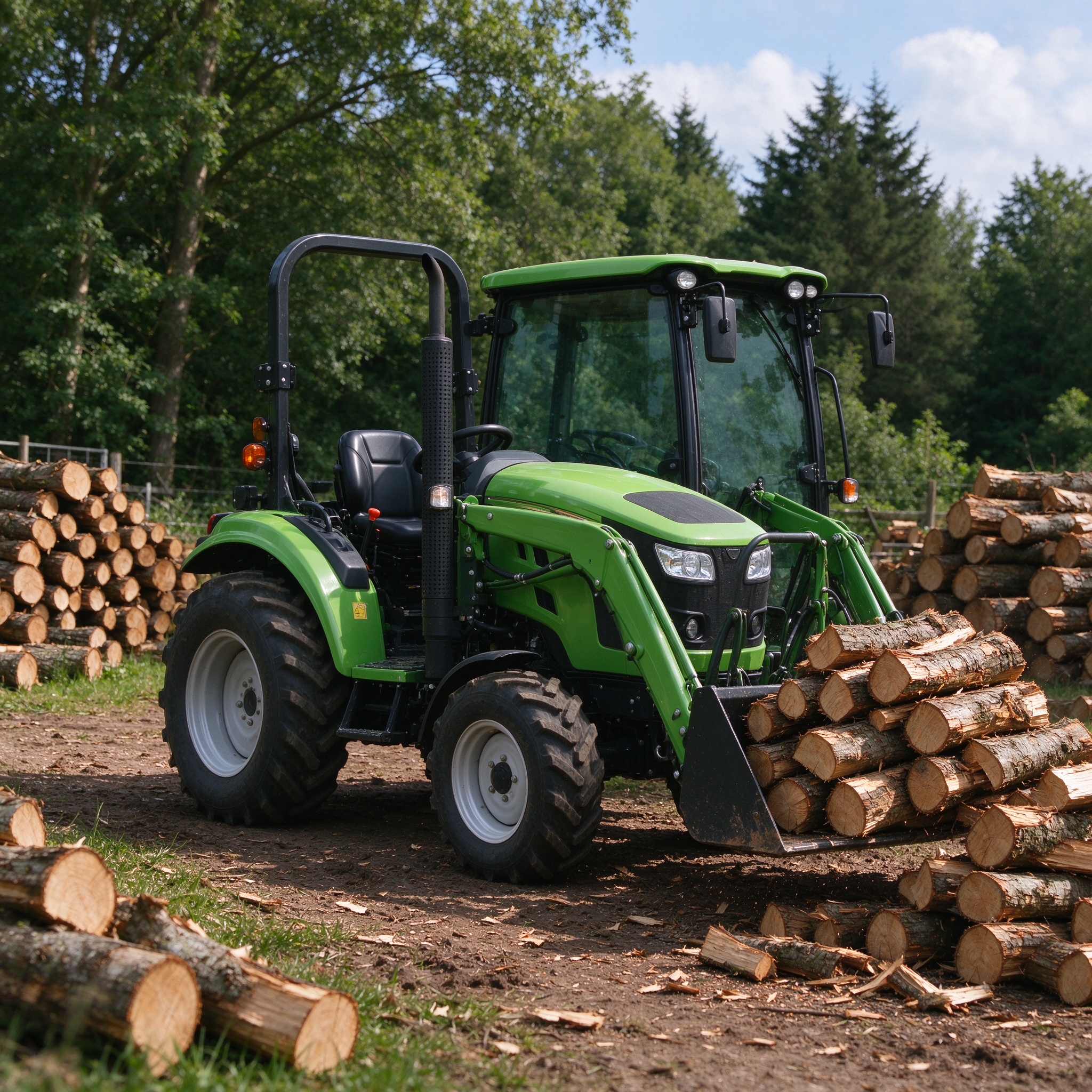
Investors and buyers in these industries should consider the specific attachments and implements that will enhance the tractor's utility for their operations. This could include front-end loaders, backhoes, or specialized mowing decks, depending on the tasks to be performed. Incorporating efficient Processing Machines can also optimize the overall workflow.

What to Look For

When selecting compact utility tractors, buyers should prioritize certain specifications to ensure they meet operational needs. Key factors include:

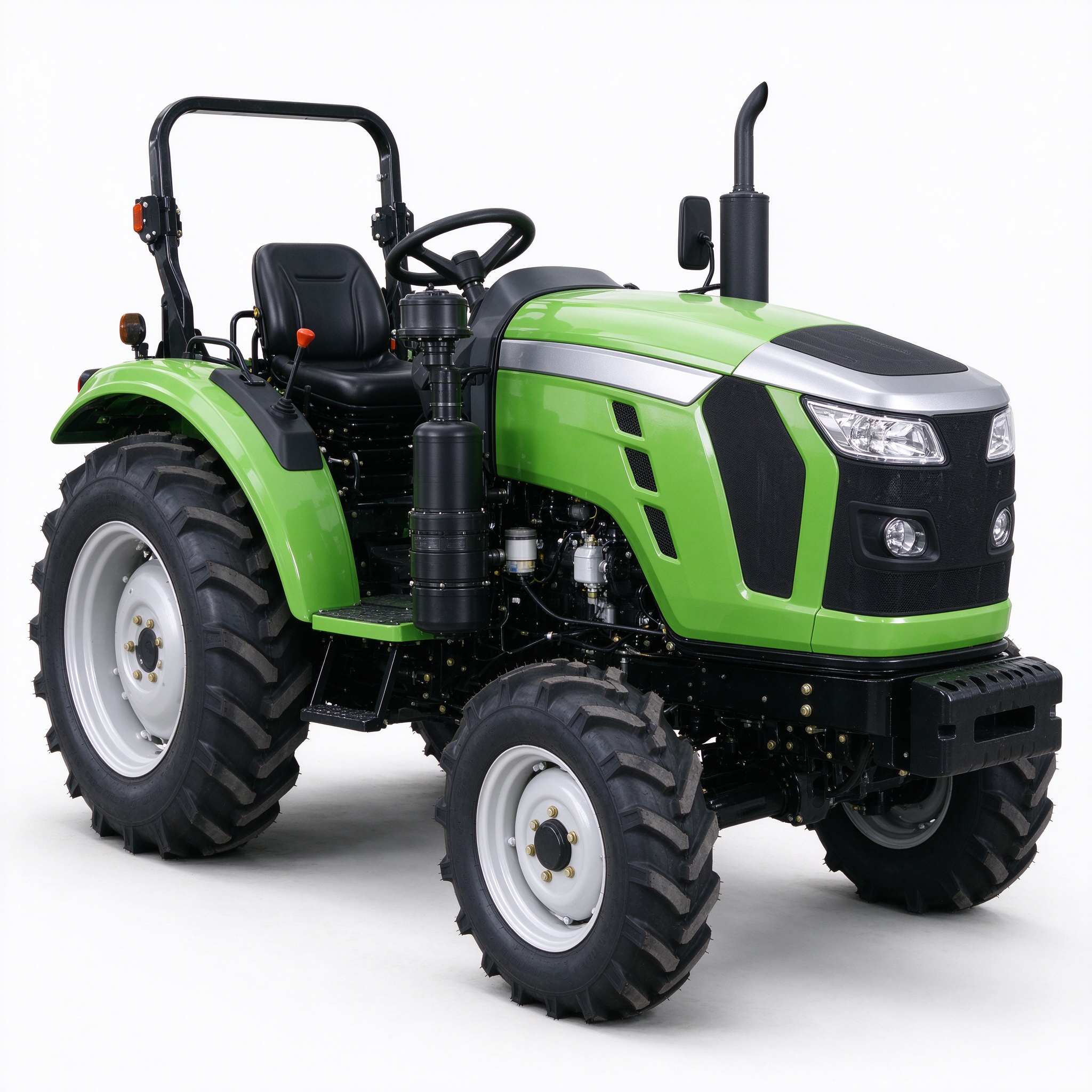
Engine Specifications: Understand the horsepower and torque requirements for the specific tasks you plan to undertake.Hydraulic Capacity: Check the hydraulic lift capacity to ensure it aligns with the implements you intend to use.Maneuverability: Consider the dimensions and turning radius of the tractor, especially if it will be used in confined spaces.Durability and Build Quality: Evaluate the materials used in construction and any available certifications, such as CE and ISO 9001, to ensure reliability and safety.Warranty and Support: Investigate the warranty offered by the manufacturer and the availability of service and parts support.

Additionally, buyers should communicate their specific requirements to suppliers to explore customization options. This could involve modifying features to better suit certain applications or environments.

In summary, understanding the intricacies of compact utility tractors and approaching the purchasing process with a clear set of criteria can significantly enhance the decision-making process for B2B buyers. By focusing on performance, cost factors, and practical applications, purchasing managers can ensure they select the right equipment for their operational needs.

Bulk Orders for Compact Utility Tractors Explained

When considering bulk orders for compact utility tractors, buyers should first evaluate their specific needs, including the number of units required and their intended applications. Bulk purchasing can often lead to more favorable pricing, but it’s essential to discuss minimum order quantities (MOQ) with suppliers.

At Agripros, we understand that purchasing in bulk can streamline equipment acquisition for farms and plantations. Buyers should also consider logistics and shipping arrangements, as these factors can significantly impact the overall cost. It’s advisable to establish a clear communication channel with the supplier to discuss lead times and coordinate delivery schedules effectively.

Additionally, potential buyers should ensure that the tractors ordered are compatible with existing equipment and can be customized to meet specific operational requirements. This can include variations in engine power, attachment compatibility, and other tailored specifications that might be needed for unique agricultural tasks, such as using Irrigation Systems or Cultivators & Tillers.

Frequently Asked Questions

What tasks are compact utility tractors best for?

They handle tillage, seeding, irrigation support, hauling, mowing and light harvest tasks on small to mid-size farms and plantations.
Our compact utility tractors come in a range of engine sizes to match small to medium operations; specific models and power ratings are provided on request.
Yes. Our equipment is CE certified and produced under ISO 9001 quality management, ensuring compliance with relevant safety and performance standards.
Yes. We offer compatible implements for tillage, seeding, irrigation and harvesting, plus tailored packages to fit lifecycle needs of your farm.
We provide lifecycle-based support across 40 countries, including technical assistance, spare parts and warranty terms; specifics depend on model and region.

Get a Free Quote

Our representative will contact you soon.
0/1000