Essential Guide to Compact Combine Harvesters

application/compact-combine-harvester, application/compact-combine-harvester, 
Inquiry
application/compact-combine-harvester, application/compact-combine-harvester, 
Inquiry

compact combine harvester

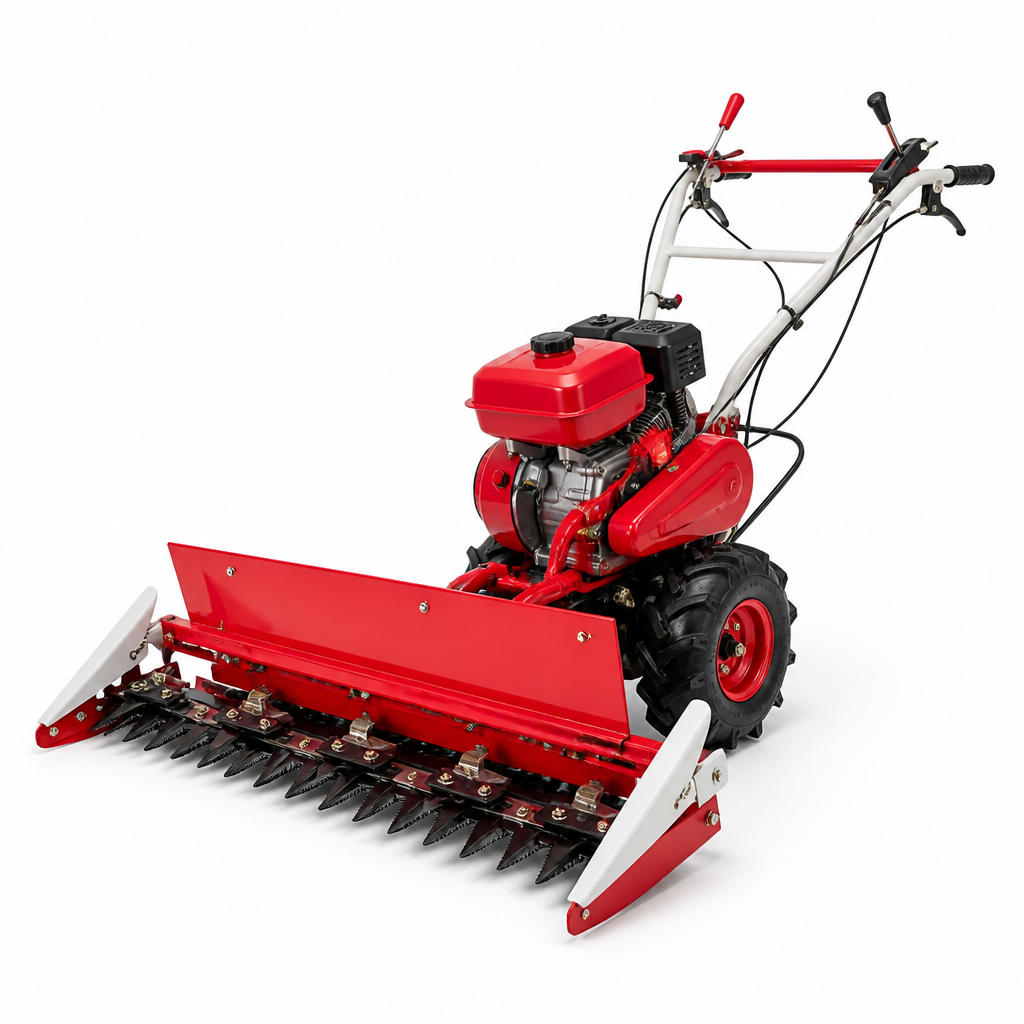
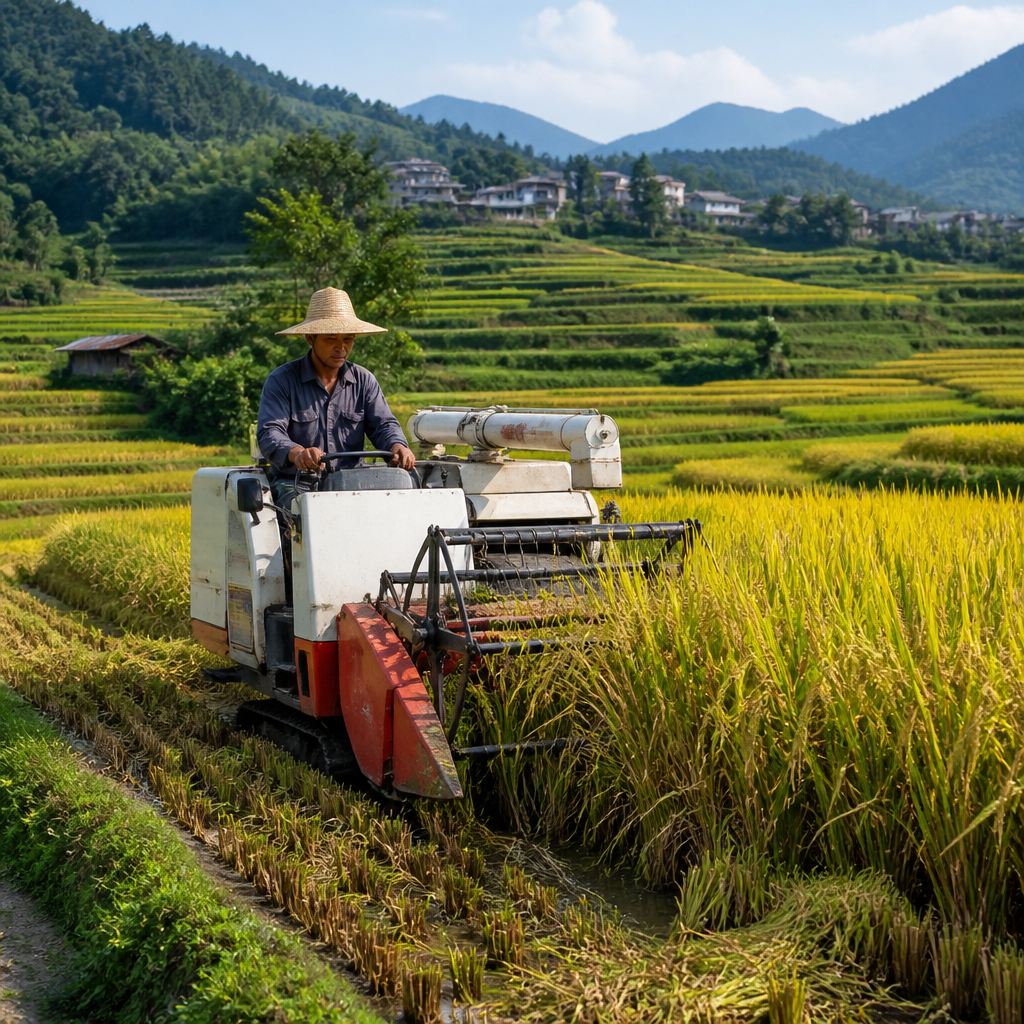
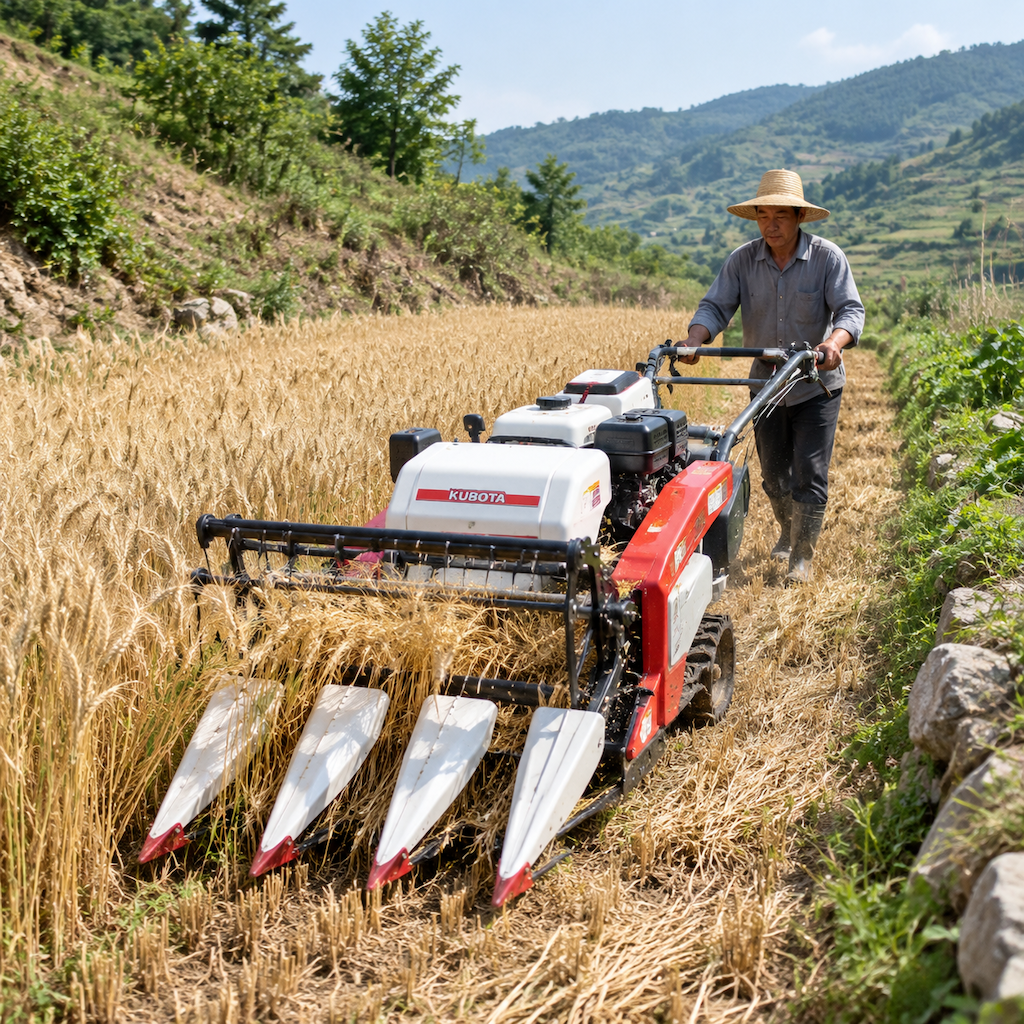
Compact combine harvesters are essential agricultural machines designed to efficiently harvest a variety of crops while minimizing field damage and maximizing productivity. For purchasing managers and agricultural distributors, understanding the key specifications, quality evaluations, and cost factors associated with these machines is crucial. This article will guide you through the important aspects of compact combine harvesters, helping you make informed purchasing decisions tailored to your specific agricultural needs.

How to Evaluate the Quality of Compact Combine Harvesters

How to Evaluate the Quality of Compact Combine Harvesters

Assessing the quality of a compact combine harvester involves several critical evaluation methods:

Material and Build Quality: Examine the materials used in the construction of the harvester. High-quality steel and durable components will enhance the machine's longevity and performance under rigorous conditions.

Manufacturing Standards: Verify that the manufacturer adheres to recognized manufacturing standards such as ISO 9001 and CE certifications. These certifications indicate that the manufacturer has implemented quality management systems to ensure product reliability.

Performance Testing: Request information about performance testing conducted by the manufacturer. This could include data on fuel efficiency, operational speed, and maintenance intervals, which can provide insights into the harvester's performance in real-world scenarios.

Warranty and After-Sales Support: A robust warranty and comprehensive after-sales support are indicators of quality. They provide assurance that the manufacturer stands behind their product and is committed to assisting with any post-purchase issues.

User Reviews and Case Studies: Seek out reviews from other users or case studies that highlight the performance of the harvester in similar applications. Real-world feedback can offer valuable insights into the machine's reliability and effectiveness.

By focusing on these evaluation criteria, buyers can ensure they select a high-quality compact combine harvester that meets their operational requirements.

Finding Reliable Suppliers for Harvesters

Finding Reliable Suppliers for Harvesters

Identifying trustworthy suppliers for compact combine harvesters is essential for ensuring product quality and reliable service. Here are some strategies to find reputable suppliers:

Industry Research: Conduct thorough research on suppliers that specialize in agricultural machinery. Look for companies with a proven track record in the market and a portfolio of satisfied customers.

Certifications and Affiliations: Verify that potential suppliers hold relevant certifications and are members of industry associations. This can indicate their commitment to quality and adherence to industry standards.

Supplier Reviews and References: Look for online reviews and ask for references from previous customers. Direct feedback can provide insights into the supplier's reliability, product quality, and customer service.

Product Demonstrations: Whenever possible, arrange for product demonstrations. This allows you to evaluate the harvester's performance firsthand and assess the supplier's expertise.

Support and Service Offerings: Inquire about the supplier's after-sales support, including maintenance services and availability of spare parts. Reliable support can significantly impact the long-term performance of your equipment. Additionally, consider suppliers that offer processing machines as part of their product range.

By following these strategies, buyers can find reputable suppliers that offer high-quality compact combine harvesters tailored to their needs.

Cost Factors to Consider When Purchasing Compact Harvesters

Cost Factors to Consider When Purchasing Compact Harvesters

The cost of compact combine harvesters can vary widely based on multiple factors. Understanding these costs can help buyers make informed financial decisions:

Initial Purchase Price: The upfront cost is often the most significant factor. It's essential to compare prices across different models and suppliers, considering the specifications and features each harvester offers.

Operating Costs: Consider the operating costs, including fuel consumption, maintenance, and potential repairs. A more fuel-efficient model may have a higher initial cost but can lead to lower operating expenses over time.

Financing Options: Explore financing options that may be available through suppliers or financial institutions. Understanding your financing options can impact your overall budget and cash flow.

Resale Value: Evaluate the resale value of the harvester as part of your investment. Some brands and models retain their value better than others, which can be an important consideration for future upgrades.

Customization Costs: If customization is required to meet specific operational needs, factor in these additional costs. Custom features can enhance performance but may also increase the overall price.

Understanding these cost factors will enable buyers to make a more comprehensive assessment of their investment in a compact combine harvester.

Applications of Compact Combine Harvesters in Modern Agriculture

Compact combine harvesters play a vital role in modern agriculture, particularly for small to medium-sized farms. Their versatile applications include:

Crop Harvesting: These machines are designed to efficiently harvest various crops, including grains, pulses, and even some specialty crops. Their adaptability makes them suitable for diverse agricultural practices.

Field Efficiency: Due to their compact size, these harvesters can navigate tight spaces and uneven terrain, allowing farmers to maximize their harvesting capabilities in challenging environments.

Reduced Crop Damage: Compact combines are engineered to minimize crop damage during harvesting. This is particularly beneficial for high-value crops where quality and yield are critical.

Integration with Precision Agriculture: Many modern compact combine harvesters are equipped with technology that supports precision agriculture practices. This includes data collection and analysis, enabling farmers to make informed decisions about crop management.

Sustainable Practices: With the increasing emphasis on sustainability in agriculture, compact combine harvesters can help reduce fuel consumption and soil compaction, contributing to more sustainable farming practices.

By leveraging the applications of compact combine harvesters, farmers can enhance productivity and efficiency, making them a crucial investment in modern agricultural operations.

Key Specifications to Consider in Compact Combine Harvesters

When evaluating compact combine harvesters, several key specifications should be prioritized to ensure the machine meets operational requirements.

Engine Power: The engine's horsepower is a critical factor that influences the harvester's performance. Sufficient power ensures that the machine can handle varying crop types and field conditions without compromising efficiency.

Cutting Width: The cutting width of the harvester determines how much crop can be harvested in a single pass. A wider cutting width can lead to increased productivity, but it's important to balance this with maneuverability, especially in smaller fields.

Grain Tank Capacity: The size of the grain tank affects how often the harvester needs to unload, impacting operational efficiency. A larger tank allows for longer harvesting without interruption, which is particularly valuable during peak harvest times.

Weight and Dimensions: The overall dimensions and weight of the harvester influence its mobility in the field. Compact models are designed for maneuverability, making them suitable for smaller farms or fields with tight spaces.

Crop Type Compatibility: Different harvesters may be optimized for specific crops. Ensure that the model you choose can effectively handle the types of crops you intend to harvest. For instance, seeders & transplanters can complement the efficiency of your harvesting process.

By carefully considering these specifications, buyers can select a compact combine harvester that aligns with their operational needs and enhances harvest efficiency.

Frequently Asked Questions

What crops can the compact combine harvester handle?

Our compact combine harvester is suitable for cereals like wheat, rice, barley, oats, and small grains, plus soybeans and similar legumes on small to medium farms and plantations.
Models vary; typical compact units offer 30–75 HP engines with grain tank and throughput sized for small to medium acreage. Contact us for exact spec sheets matching your needs.
Yes. Agripros equipment meets CE and ISO 9001 standards, ensuring compliance with common international safety and quality requirements.
Yes. We offer lifecycle-based support including maintenance guidance, spare parts supply, and remote assistance for farms across 40 countries.
Yes. We provide tailored configurations—header width, threshing settings, and transport options—to suit specific field sizes and plantation requirements.

Get a Free Quote

Our representative will contact you soon.
0/1000