Wholesale Options for Agricultural Combine Harvesters

application/agricultural-combine-harvester, application/agricultural-combine-harvester, 
Inquiry
application/agricultural-combine-harvester, application/agricultural-combine-harvester, 
Inquiry

agricultural combine harvester

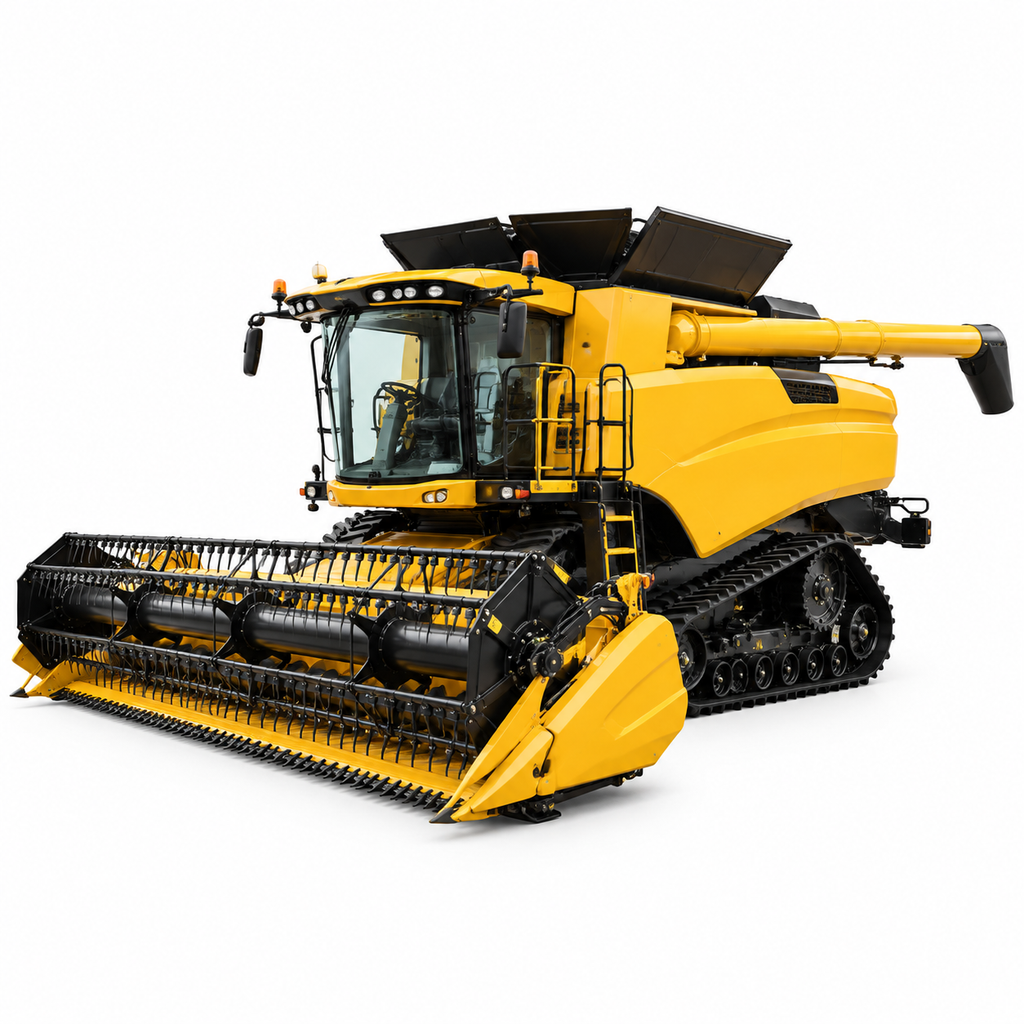
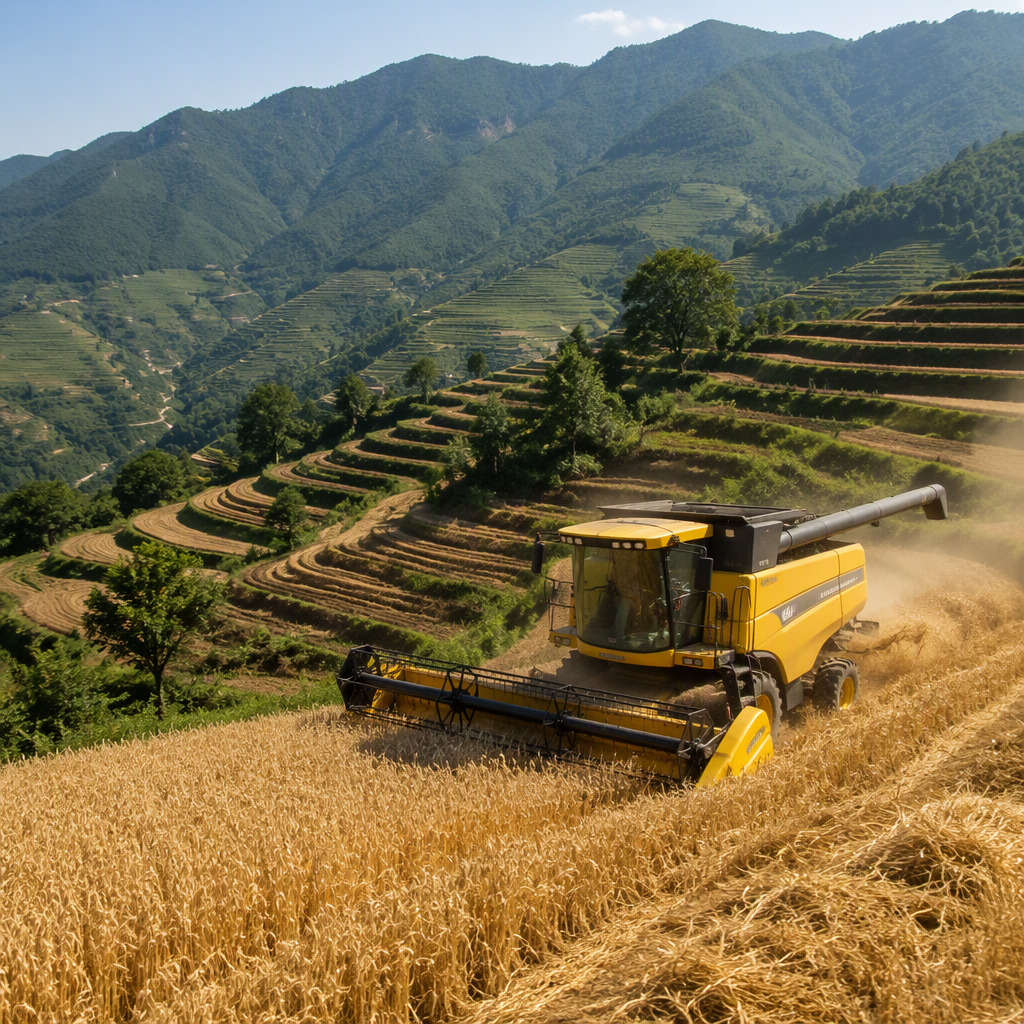
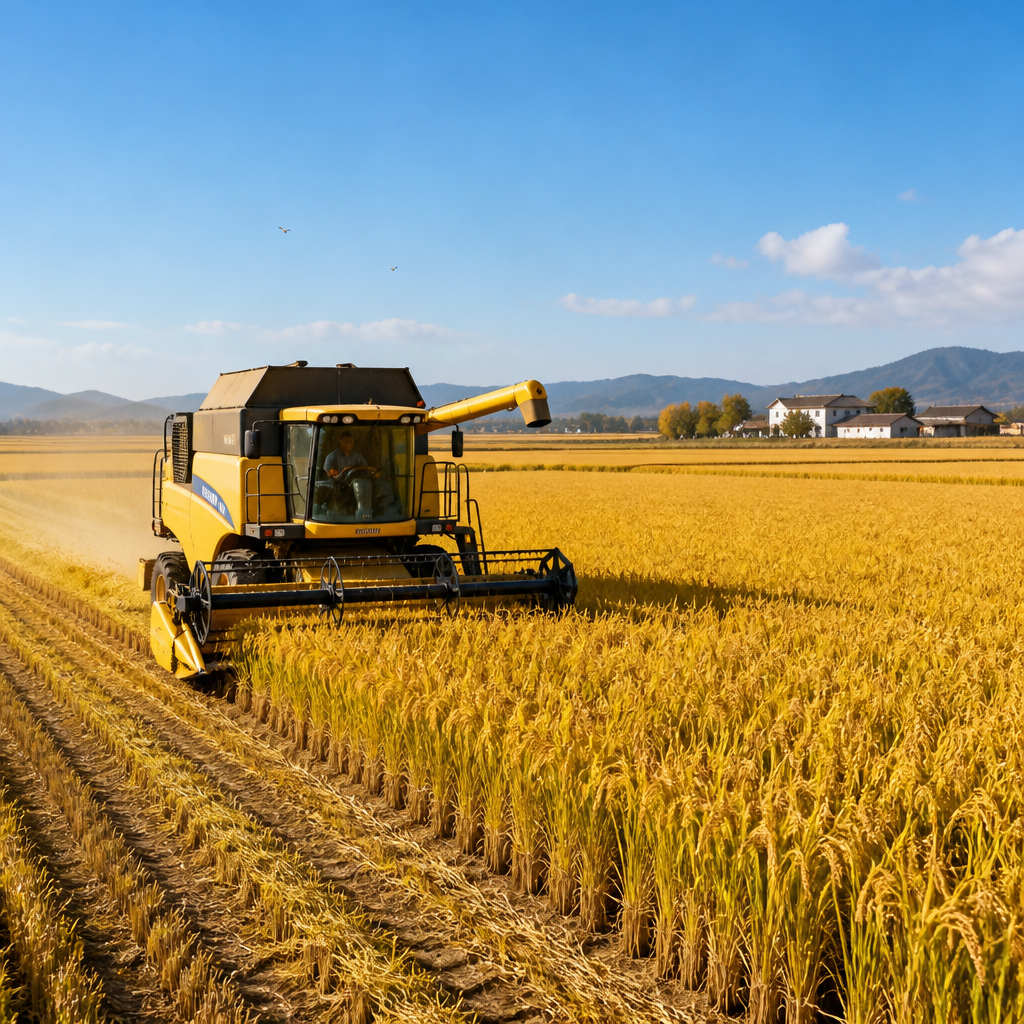
Agricultural combine harvesters are essential machines designed for efficient harvesting of crops in the agricultural sector. These powerful machines combine several harvesting processes—cutting, threshing, and cleaning—into a single operation, significantly enhancing productivity on farms. B2B buyers, including purchasing managers and distributors, often have concerns about specifications, cost, and reliability when sourcing these machines. This article will provide practical insights into purchasing agricultural combine harvesters, highlighting key specifications, supplier options, and cost factors to ensure informed decision-making.

Key Specifications to Consider in Agricultural Combine Harvesters

Key Specifications to Consider in Agricultural Combine Harvesters

Selecting the right agricultural combine harvester requires careful consideration of several key specifications:

Capacity: The harvester's capacity, often measured in terms of the size of the grain tank and the harvesting width, directly impacts efficiency. A larger capacity allows for longer uninterrupted harvesting periods, which is crucial during busy harvest times.

Engine Power: A powerful engine ensures that the harvester can operate effectively under various field conditions. Buyers should assess the horsepower relative to the intended application, as inadequate power can lead to inefficiencies and increased wear on the machine.

Cutting Width: The cutting width of the harvester determines how much crop can be harvested in one pass. Wider cutting widths can reduce the number of passes needed across a field, enhancing efficiency.

Threshing System: Different threshing systems, such as axial-flow or conventional, impact the quality of the harvest and the amount of crop loss. Buyers should evaluate which system aligns best with their crop types and harvesting conditions.

Technology Features: Modern combine harvesters may include advanced technologies such as GPS guidance systems, yield mapping, and automated control systems. These features can significantly improve precision and efficiency. For instance, integrating Irrigation Systems with these technologies can lead to better resource management.

Evaluating these specifications against the specific requirements of the buyer's agricultural operations will lead to a more informed purchase.

A Guide

A Guide

When preparing to purchase an agricultural combine harvester, buyers should follow a structured approach:

Define Requirements: Clearly outline the specific needs based on the types of crops harvested, the size of the fields, and operational capacity. This will guide the selection of suitable models.

Research Suppliers: Look for manufacturers and distributors with a solid reputation in the agricultural machinery market. Check for certifications such as CE and ISO 9001, which indicate quality standards.

Request Quotations: Prepare a detailed request for quotation (RFQ) that includes specifications, quantity, delivery timelines, and any customization requirements. Providing clear and comprehensive information helps suppliers offer accurate quotes.

Evaluate Samples: If possible, inspect a sample of the harvester or a similar model. Pay attention to build quality, ease of operation, and maintenance access points.

Check References: Inquire about the supplier's service history and customer feedback. Reliable support and parts availability are crucial for minimizing downtime.

By following this guide, buyers can ensure their procurement process is thorough and aligned with their operational needs.

Where to Find Reliable Suppliers for Agricultural Combine Harvesters

Where to Find Reliable Suppliers for Agricultural Combine Harvesters

Finding reliable suppliers for agricultural combine harvesters involves multiple avenues. Trade shows and agricultural expos are excellent venues for networking with manufacturers and distributors, allowing buyers to see equipment firsthand and discuss features directly with representatives.

Online platforms and industry-specific marketplaces also provide access to a wide range of suppliers. Websites that specialize in agricultural equipment often feature detailed product listings, customer reviews, and contact information for manufacturers.

Additionally, industry associations and agricultural cooperatives can offer referrals to trusted suppliers. Engaging with peers in the industry can also yield valuable insights into supplier performance and product reliability.

Cost Factors to Consider When Buying Agricultural Combine Harvesters

The cost of agricultural combine harvesters can vary widely based on several factors:

Model and Specifications: Higher capacity models with advanced technology features generally command a higher price. Buyers should balance their budget with the specifications that will deliver the best return on investment.

Customization Options: If customization is required to meet specific agricultural needs, this can increase costs. Buyers should discuss potential customization options with suppliers early in the negotiation process.

Additional Features: Consider the long-term costs associated with features like GPS systems or automated settings. While they may increase the initial purchase price, such features can lead to operational efficiencies and savings in the long run.

Maintenance and Service: Evaluate the total cost of ownership, including maintenance, parts, and service agreements. Budgeting for ongoing costs is essential for ensuring the harvester remains operational throughout its lifecycle.

Financing Options: Some suppliers offer financing solutions that can ease the upfront financial burden of purchasing a combine harvester. It's worth exploring these options, especially for larger purchases.

By understanding these cost factors, buyers can make more informed decisions that align with their operational budgets and long-term agricultural goals.

Wholesale Purchasing Options for Agricultural Combine Harvesters

When considering wholesale purchasing options for agricultural combine harvesters, buyers should evaluate both direct manufacturers and authorized distributors. Direct purchases from manufacturers like Agripros can offer cost savings and the opportunity for customization based on specific agricultural needs. Additionally, authorized distributors often provide local support and maintenance services, which can be crucial for ongoing operations. Exploring options for Cultivators & Tillers can also enhance the efficiency of agricultural operations.

Buyers should also consider bulk purchasing agreements, which may yield better pricing structures and favorable terms. When engaging with suppliers, it’s essential to discuss minimum order quantities (MOQs) and potential lead times, as these factors can impact operational readiness during peak harvest seasons.

Frequently Asked Questions

What crops can this agricultural combine harvester handle?

Our combine harvester is versatile for cereals like wheat, barley, oats, rice, and corn, and can be configured for specific crop headers and threshing settings to match field conditions.
The harvester is manufactured under ISO 9001 quality management and CE certification, ensuring compliance with safety, performance, and export requirements for global markets.
Yes. Agripros offers tailored installation, onsite commissioning, and operator training as part of lifecycle support to ensure optimal performance and uptime.
We provide a manufacturer warranty and global spare-parts support, with service plans and parts kits available to minimize downtime across your operation.
Yes. We offer scalable configurations and attachments to suit small farms to large plantations, with customized solutions based on field size, crop type, and workflow needs.

Get a Free Quote

Our representative will contact you soon.
0/1000