Choosing the Right Combine Harvester for Wholesale

application/combine-harvester, application/combine-harvester, 
Inquiry
Inquiry

combine harvester

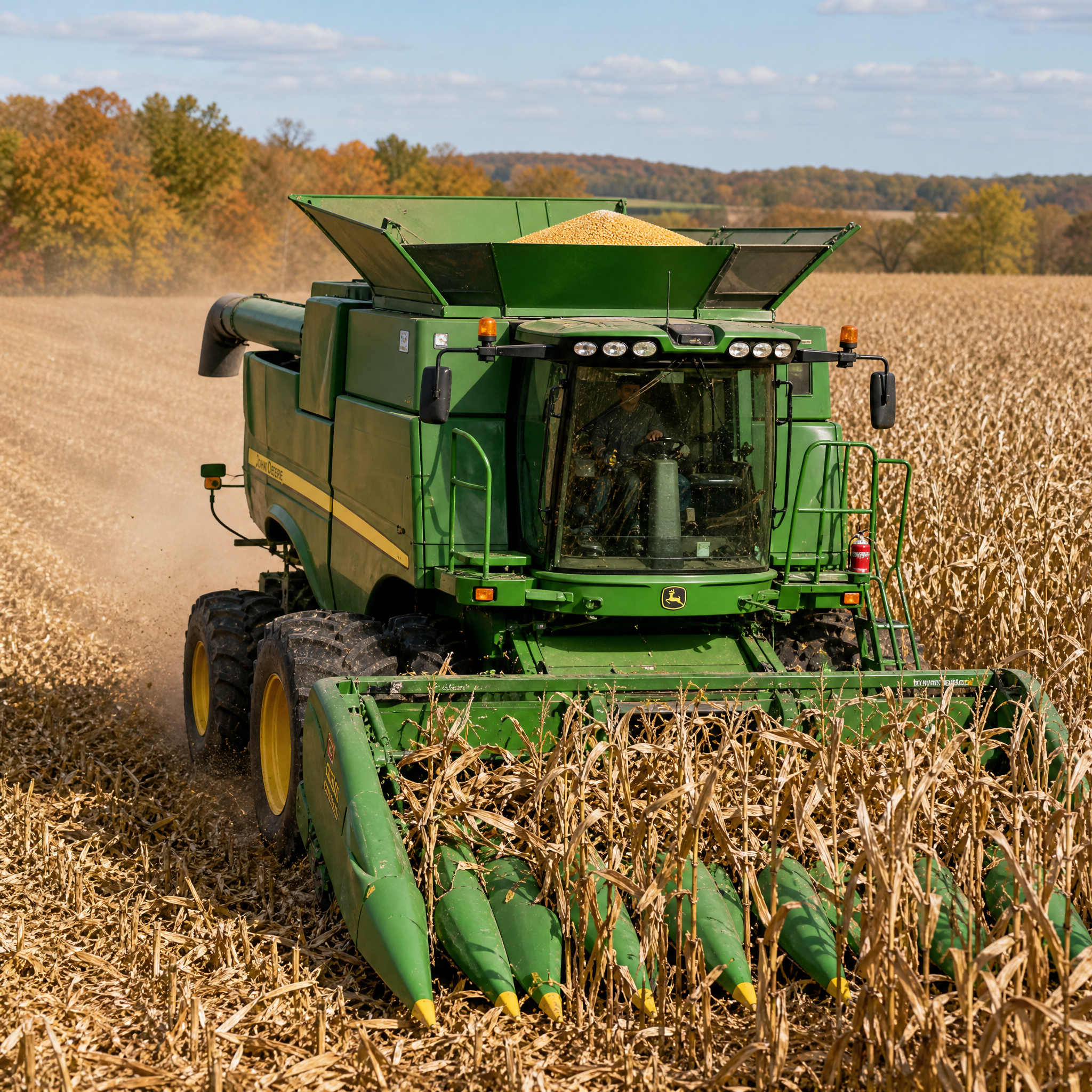
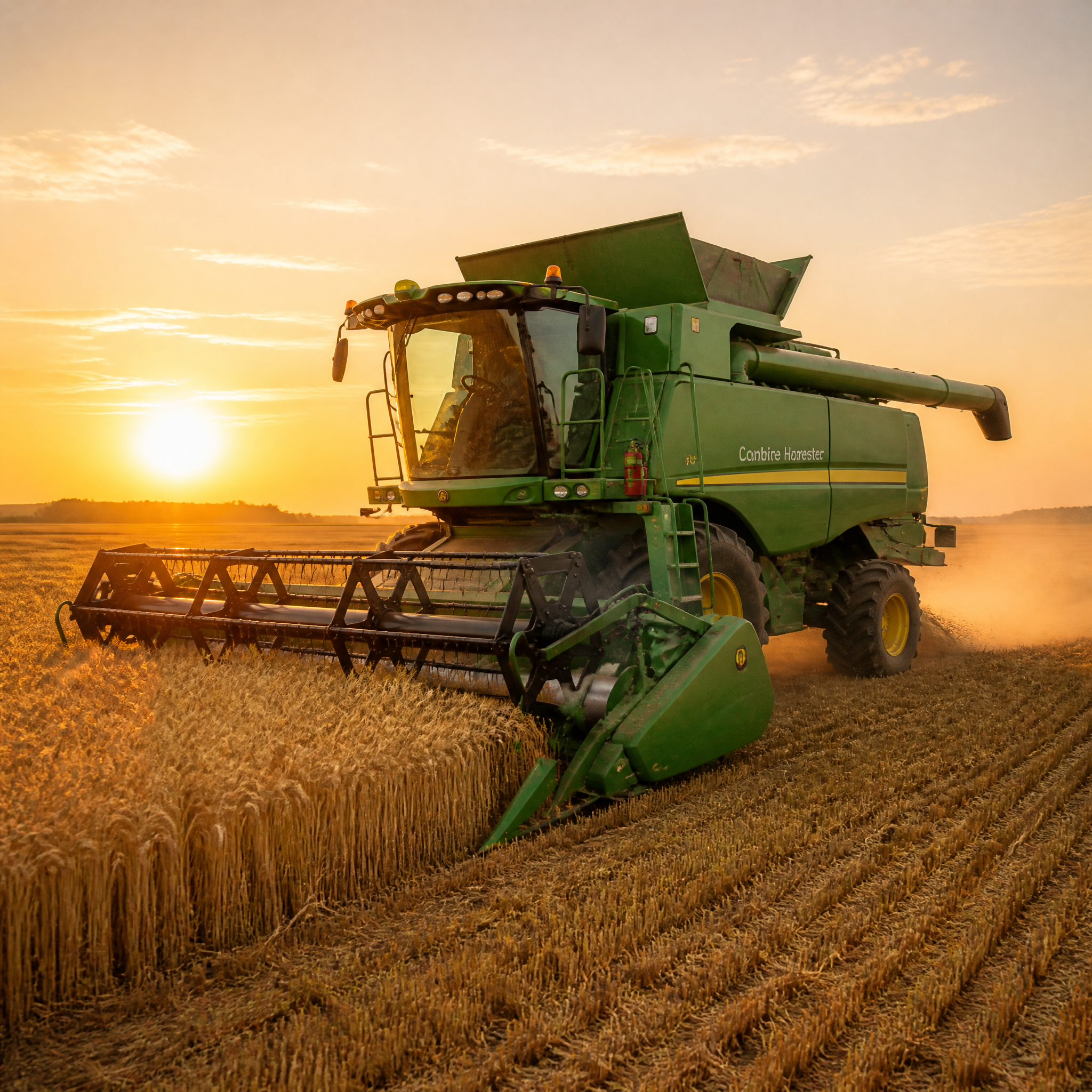
Combining efficiency and precision, a combine harvester is an essential piece of agricultural machinery designed for harvesting grain crops. For B2B buyers in the agricultural sector, selecting the right combine harvester is crucial, as it directly impacts productivity, operational costs, and overall farm efficiency. This article aims to guide purchasing managers, distributors, and agricultural engineers through the critical considerations for choosing a combine harvester, evaluating quality, sourcing reliable suppliers, understanding costs and benefits, and best practices for use.

How to Evaluate the Quality of Combine Harvesters for Your Needs

How to Evaluate the Quality of Combine Harvesters for Your Needs

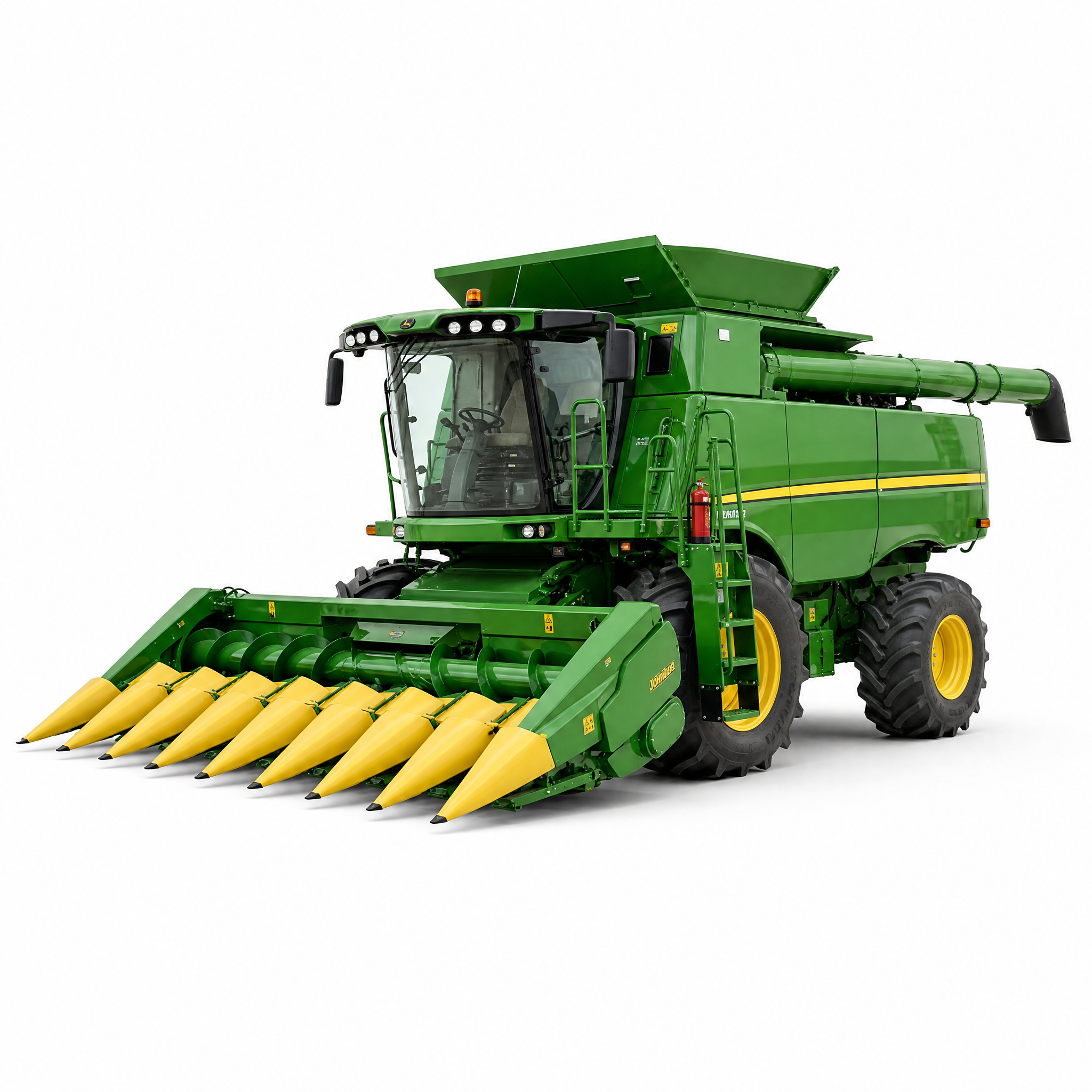
Quality evaluation begins with understanding the specifications of the combine harvester. Key specifications to consider include engine power, cutting systems, grain tank capacity, and threshing efficiency. Each of these factors plays a vital role in the machine's performance and longevity.

Inspecting the materials used in the construction of the combine is also critical. High-grade steel or composite materials can enhance durability, particularly in harsh operating conditions. Furthermore, ensure that the harvester complies with CE and ISO 9001 certifications, which indicate adherence to international quality management standards.

Buyers should also consider conducting field tests or obtaining trial models to observe performance firsthand. Pay attention to how well the machine handles different terrains and crop conditions. Evaluating customer reviews and feedback from existing users can provide insights into common issues and reliability.

Lastly, don't overlook the manufacturer's quality control processes. An established supplier like Agripros, known for its commitment to quality, can provide additional assurance regarding product reliability. Additionally, researching Processing Machines can help buyers understand the broader context of agricultural equipment performance.

Where to Find Reliable Suppliers of Combine Harvesters for Import

Where to Find Reliable Suppliers of Combine Harvesters for Import

Identifying reliable suppliers for combine harvesters requires thorough research and consideration. Start by attending agricultural trade shows and exhibitions, where manufacturers showcase their latest models. This provides an opportunity to engage directly with suppliers and assess their offerings.

Online platforms and industry directories can also be valuable resources. Look for suppliers with a strong reputation and positive customer feedback. A solid track record in exporting agricultural machinery to various countries can indicate reliability and experience.

When assessing potential suppliers, inquire about their certifications, production capacities, and customization options. A supplier that offers tailored solutions can help meet specific operational needs. Additionally, check their logistics capabilities to ensure timely delivery and support for import processes.

For a comprehensive evaluation, consider requesting references from other buyers who have sourced from the supplier. This can help you gauge the supplier's reliability, product quality, and after-sales support.

Cost and Benefits

Cost and Benefits

The cost of a combine harvester can vary significantly based on features, size, and brand. Buyers should account for both upfront costs and long-term operating expenses, including maintenance, fuel consumption, and parts replacement.

Investing in a high-quality combine harvester can lead to significant productivity gains. For instance, a machine with advanced technology may offer better fuel efficiency and reduced labor costs due to its automated features. Calculate the return on investment (ROI) by comparing the expected yield increases against the total cost of ownership over the machine's lifespan.

Additionally, consider financing options that may be available, such as leasing or installment plans, which can help manage cash flow while still acquiring necessary equipment.

Best Practices Explained

To maximize the performance of a combine harvester, implement best practices throughout its operation and maintenance. Regular maintenance is crucial to ensure the machine operates efficiently and lasts longer. Adhering to the manufacturer’s maintenance schedule, including routine checks on key components like the engine, belts, and cutting systems, can prevent unexpected breakdowns.

Training operators on the proper use of the combine is equally important. Ensuring they understand the machine's features and settings can optimize harvest efficiency and reduce wear and tear. It is advisable to conduct training sessions that cover both the mechanical aspects and effective harvesting techniques.

Finally, keep detailed records of maintenance and performance metrics. This data can be invaluable for identifying trends, planning future purchases, and making informed decisions about upgrades or replacements.

By considering these factors, B2B buyers can make informed decisions when selecting a combine harvester that meets their operational needs and supports their agricultural goals.

What to Consider When Choosing a Combine Harvester for Wholesale

When selecting a combine harvester for wholesale, buyers should focus on several key factors. First, understand the crop types and sizes you will be harvesting. Different models are designed for specific crops; for example, certain combines excel in wheat harvesting while others are better suited for corn or rice. Additionally, using the right Seeders & Transplanters can complement the harvesting process by ensuring proper planting and crop management.

Next, consider the machine's capacity and power. Higher horsepower typically allows for more efficient harvesting, especially in larger fields or tougher conditions. Check the cutting width, as this affects the amount of crop that can be harvested in a single pass, ultimately impacting productivity.

Another consideration is the machine's technology. Modern combines often come equipped with GPS technology and yield monitors, which can help optimize harvest operations and track crop performance over time. Buyers should evaluate the ease of operation and whether the machine can be integrated with existing farm management systems.

Lastly, assess the machine's maintenance requirements and serviceability. A harvester that is easy to maintain and has readily available parts can save time and reduce downtime during critical harvest periods.

Frequently Asked Questions

What crops can this combine harvester handle?

Our combine harvester is configurable for grain crops such as wheat, rice, barley, oats, and soybeans, with attachments available for different crop types and conditions.
The combine harvester is built under ISO 9001 quality management and CE safety standards to ensure reliability and regulatory compliance.
Yes. We offer tailored configurations and header widths, engine options, and support packages to match small to large-scale farms and plantations.
Agripros offers lifecycle-based service, spare parts supply, technical support, and warranty terms. Specific coverage depends on the chosen model and contract.
Contact our sales team with farm details and location. We coordinate quotations, customization, export documentation, and shipping to over 40 supported countries.

Get a Free Quote

Our representative will contact you soon.
0/1000