Choosing the Right Combine Harvester Machine

application/combine-harvester-machine, application/combine-harvester-machine, 
Inquiry
application/combine-harvester-machine, application/combine-harvester-machine, 
Inquiry

combine harvester machine

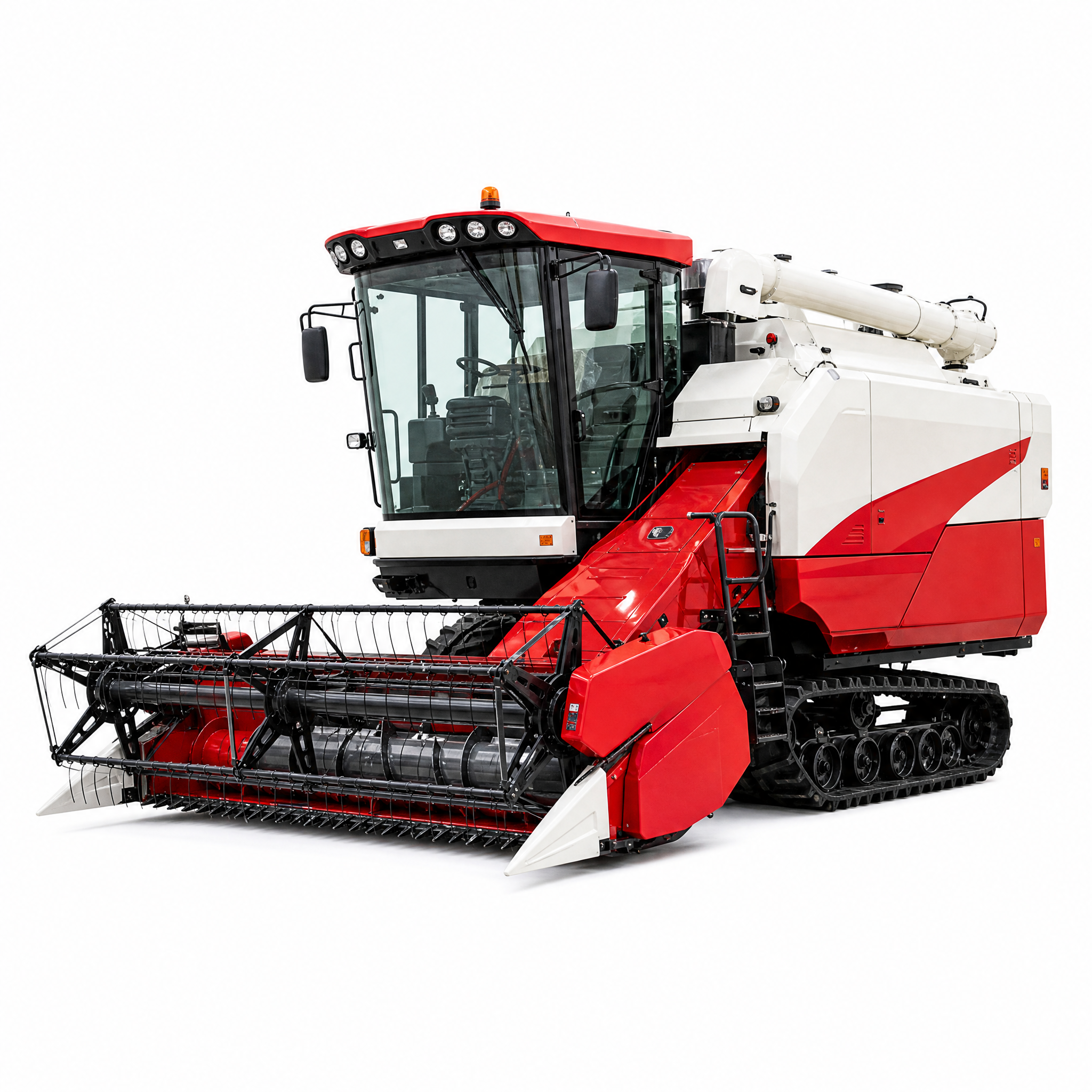
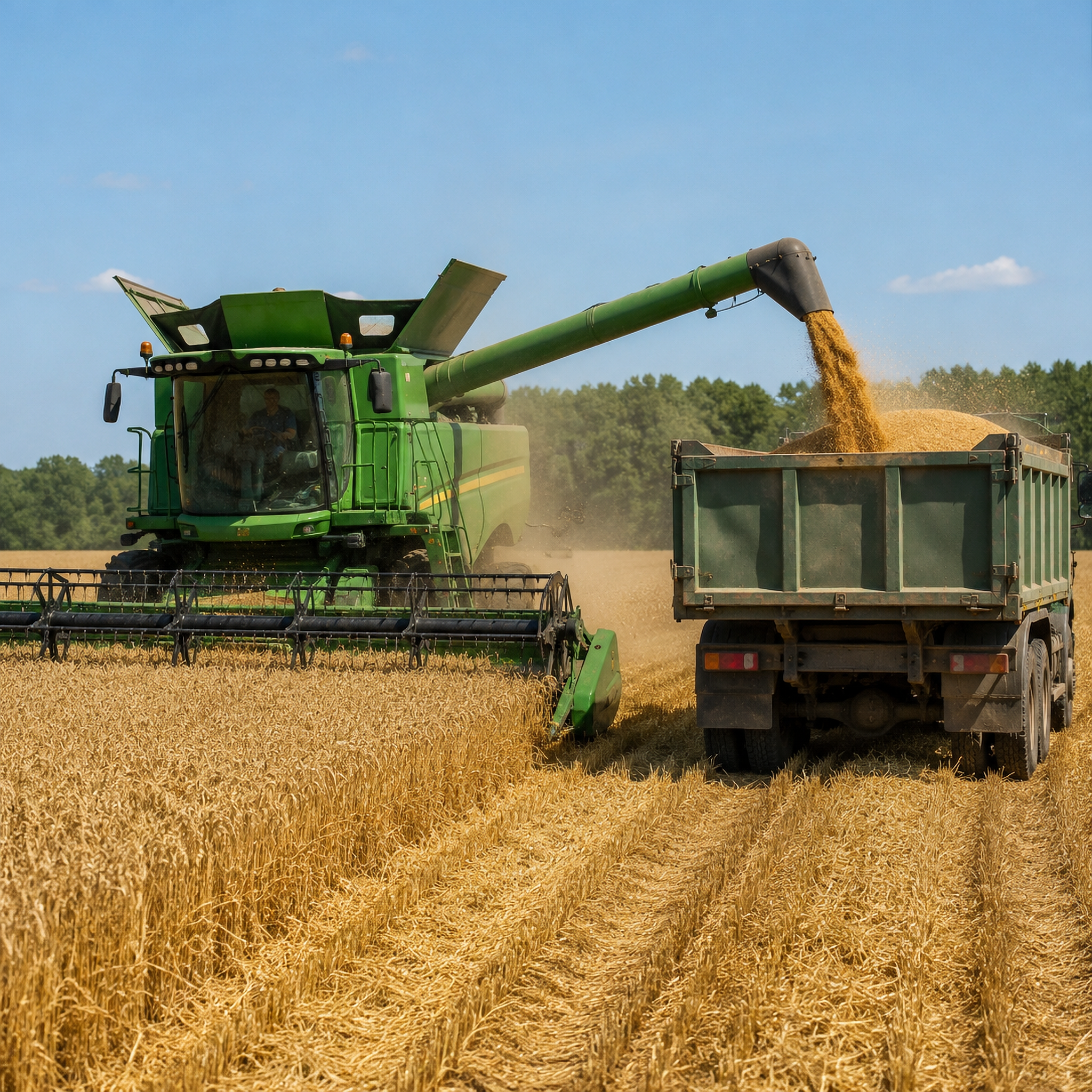
A combine harvester machine is an essential piece of agricultural equipment designed to efficiently harvest crops by performing three key operations: reaping, threshing, and winnowing. For B2B buyers, particularly purchasing managers and agricultural equipment distributors, understanding the specifications and features of these machines is crucial for making informed purchasing decisions. This article will provide insights on what to look for when selecting a combine harvester, key specifications to consider, how to find reliable suppliers, the factors affecting bulk order costs, and how to evaluate quality before making a purchase.

Key Specifications of Combine Harvesters You Should Know

Key Specifications of Combine Harvesters You Should Know

Understanding the key specifications of combine harvesters is vital for making an informed purchase. Here are some of the most important specifications to consider:

Engine Power: The power of the engine, typically measured in horsepower (HP), impacts the harvester's ability to operate effectively across various terrains. Higher horsepower allows for better performance in challenging conditions but may increase fuel consumption.

Cutting Width: The cutting width of the header is a critical specification that affects how much crop can be harvested in one pass. This should be matched to the field size and crop density to optimize efficiency.

Threshing System: The design of the threshing system influences the effectiveness of separating grains from the chaff. Options vary between conventional, rotary, or hybrid systems, each with distinct advantages depending on the crop type.

Grain Tank Capacity: A larger grain tank allows for longer harvesting runs without needing to unload, which can improve productivity. Buyers should consider the tank's capacity in relation to their harvesting speed and field size.

Weight and Dimensions: The weight and overall dimensions of the combine harvester affect maneuverability and transportability. Ensure that the machine fits within any logistical constraints you may have.

Finding Reliable Suppliers for Harvesters

Finding Reliable Suppliers for Harvesters

Finding a trustworthy supplier for combine harvesters is essential for ensuring quality and support. Start your search by considering the following factors:

Reputation and Experience: Look for suppliers with a proven track record and positive customer reviews. Experienced suppliers are more likely to provide reliable machines and knowledgeable support.

Certification and Compliance: Verify that suppliers have relevant certifications, such as CE or ISO 9001, which indicate adherence to international quality standards. This is a critical factor in ensuring the machinery meets safety and quality benchmarks.

After-Sales Support: Consider suppliers who offer comprehensive after-sales support, including maintenance services, access to spare parts, and operational training. This support can significantly reduce downtime and enhance productivity.

Customization Options: Many suppliers offer customization options tailored to specific agricultural needs. Discuss your operational requirements with potential suppliers to see what modifications can be made, including those related to Cultivators & Tillers that may improve efficiency.

Understanding the Cost Factors for Bulk Orders of Harvesters

Understanding the Cost Factors for Bulk Orders of Harvesters

When ordering combine harvesters in bulk, several cost factors come into play that can impact the overall pricing. These include:

Quantity Discounts: Most suppliers offer discounts for bulk purchases, which can significantly reduce the per-unit cost. Understand the pricing structure to maximize savings.

Shipping and Logistics: Consider the logistics of transporting the machines to your location, which can add to the overall cost. Evaluate whether the supplier includes shipping in the quoted price or if it is an additional expense.

Financing Options: Explore financing options that suppliers may offer for bulk orders. Some suppliers provide leasing or installment payment plans that can ease upfront financial burdens.

Customization Costs: Custom features or specifications can increase costs. Get clear quotes on any customizations to avoid surprises during the purchasing process.

Lead Times: The time it takes for manufacturing and delivery can affect pricing. Longer lead times may mean higher costs, particularly if you require expedited shipping.

Evaluating the Quality of Combine Harvesters Before Purchase

Before finalizing any purchase, it is crucial to conduct a thorough evaluation of the combine harvester's quality. Here are several steps buyers should take:

Request Product Samples: If possible, request a sample or demonstration model of the harvester to evaluate its performance in real-world conditions. This allows you to assess its suitability for your specific applications.

Inspect Manufacturing Standards: Inquire about the manufacturing processes used by the supplier. Ensure they follow rigorous quality control measures and utilize high-quality materials in production.

Check for Certifications: Verify that the machine meets relevant agricultural equipment standards and has any necessary certifications. This can provide reassurance regarding its safety and performance.

Customer References: Ask for references from previous customers who have purchased similar models. Their feedback can provide valuable insights into the reliability and performance of the harvester.

Maintenance and Warranty Policies: Understand the warranty policies and maintenance requirements associated with the combine harvester. A robust warranty can offer peace of mind and protect against unforeseen issues.

By considering these factors, B2B buyers can make informed decisions when selecting a combine harvester machine, ensuring they choose the best equipment for their agricultural operations.

What to Look for When Choosing a Combine Harvester Machine

When selecting a combine harvester machine, buyers should prioritize specific features tailored to their operational needs. Key considerations include the machine's capacity, type of crops it can handle, and its adaptability to various field conditions. Additionally, it's important to consider the Processing Machines that can complement the harvester's capabilities.

Capacity: Look for machines with appropriate harvesting capacity, which is typically measured in tons per hour. This should align with the size of your operations and expected yield. A higher capacity machine might be more efficient but can also come with higher maintenance costs.

Crop Compatibility: Ensure the harvester is capable of handling the specific types of crops you will be harvesting. Different crops may require different cutting mechanisms or threshing options, so it’s essential to verify compatibility.

Terrain Adaptability: Consider the terrain where the harvester will operate. Features like adjustable tracks, suspension systems, and weight distribution can significantly impact performance in challenging conditions.

Technology Features: Modern combine harvesters are increasingly equipped with advanced technology, including GPS for precision farming, automated controls for efficiency, and monitoring systems to track performance. Assess how these technologies align with your operational goals.

Frequently Asked Questions

What crops can the combine harvester handle?

Our combine harvester is designed for grains such as wheat, rice, barley, corn, and soybeans, with configurable headers to suit different crop types and field conditions.
The combine harvester is CE certified and manufactured under ISO 9001 quality management standards to meet international safety and performance requirements.
Yes. Agripros provides tailored configurations and lifecycle-based services including installation, parts supply, maintenance plans, and upgrades to fit farm needs.
We supply global after-sales support across 40 countries, offering genuine spare parts, technical manuals, remote assistance, and trained service partners for timely maintenance.
Contact our sales team with crop type, field size, and required features. We will provide a quotation, lead time, and options for shipping and on-site commissioning.

Get a Free Quote

Our representative will contact you soon.
0/1000