How to Evaluate Compact Farm Tractors for Bulk Orders

application/compact-farm-tractors, application/compact-farm-tractors, 
Inquiry
Inquiry

compact farm tractors

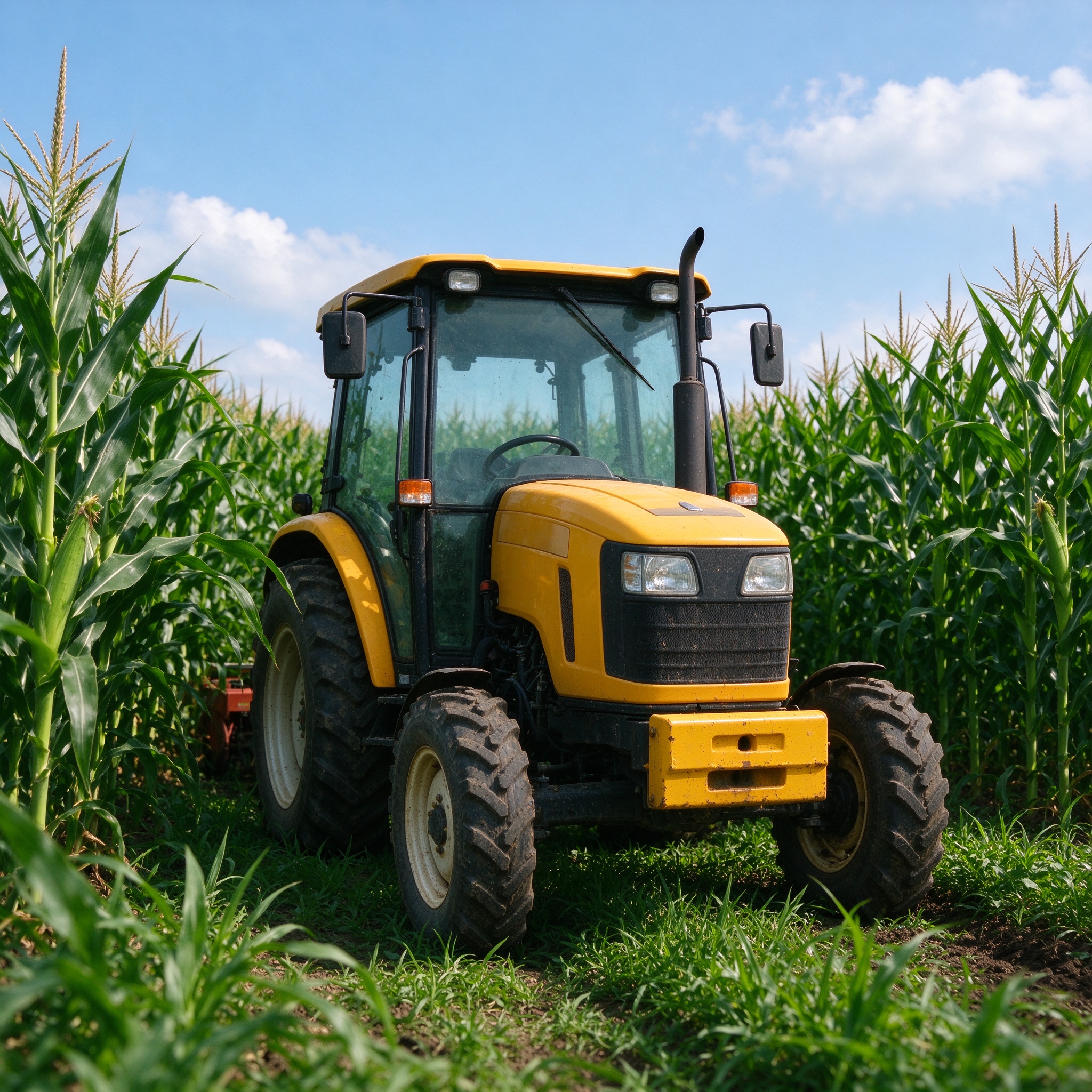
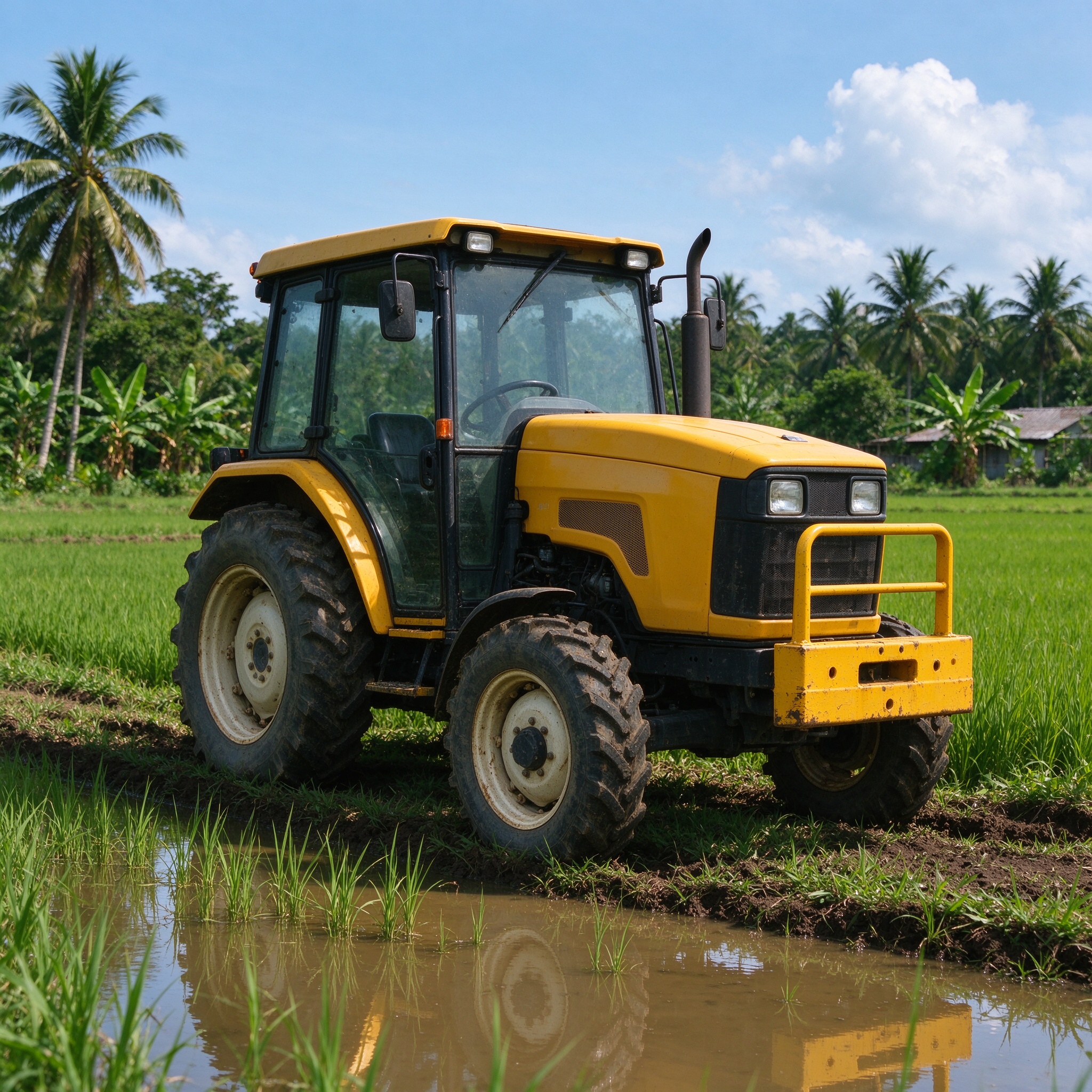
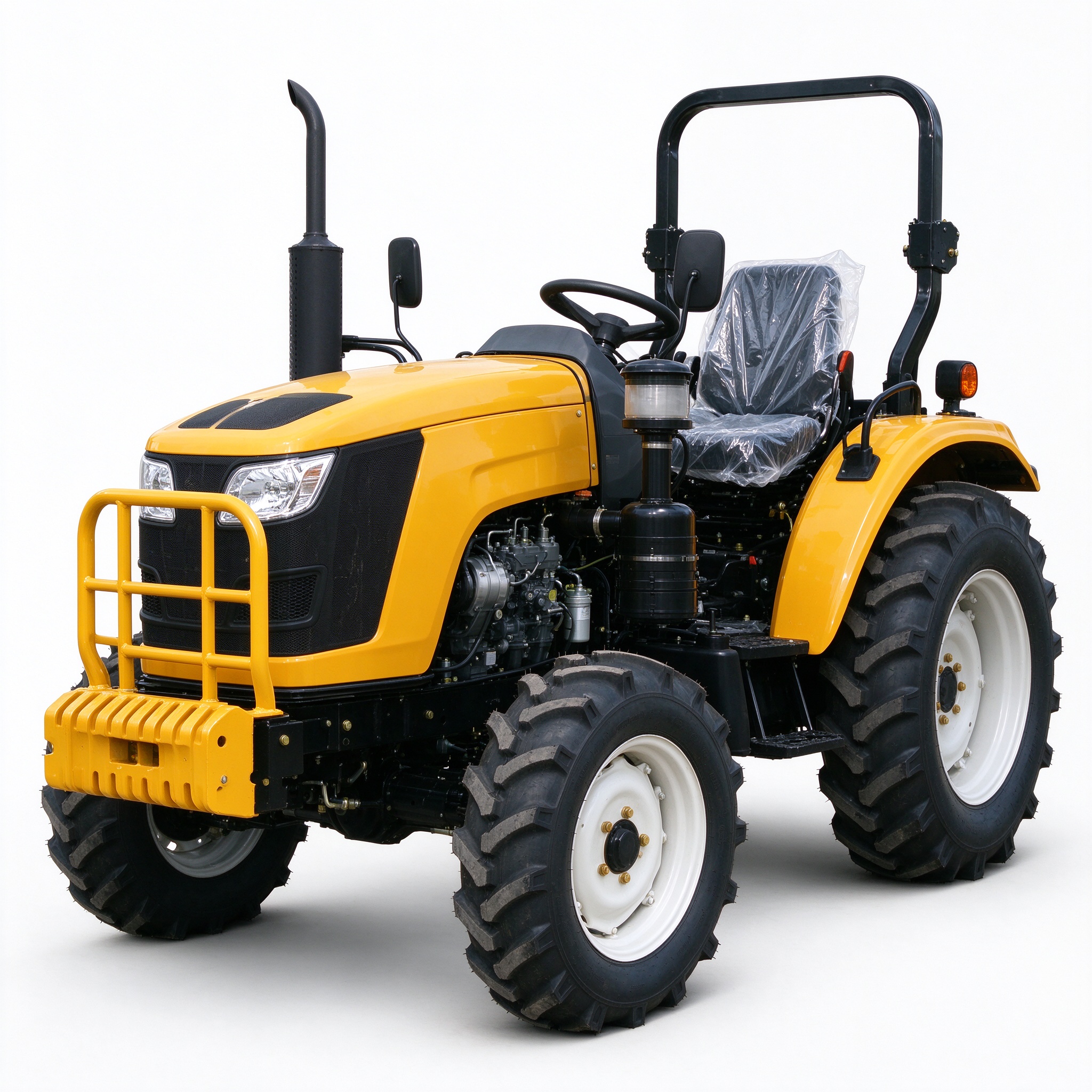
Compact farm tractors are essential tools for modern agriculture, designed to efficiently handle a variety of tasks on small to medium-sized farms. As a B2B buyer, you may be considering these versatile machines for bulk orders, raising concerns about quality, reliability, and suitability for your specific agricultural needs. This article will guide you through evaluating compact farm tractors, sourcing trusted suppliers, understanding key specifications, troubleshooting common issues, and exploring their diverse applications in the agricultural sector.

Finding Trusted Sources for Compact Farm Tractors

Finding Trusted Sources for Compact Farm Tractors

Locating trusted sources for compact farm tractors requires thorough research. Begin by seeking recommendations from industry colleagues or online agricultural forums, where experienced buyers share their insights. Attending agricultural trade shows can also provide opportunities to meet manufacturers and evaluate their products firsthand.

When considering suppliers, verify their reputation by checking customer reviews and ratings. A manufacturer with a strong track record in the agricultural machinery sector, such as Agripros, can often provide reliable products and services. You might also want to explore various Processing Machines to complement your tractor's capabilities.

It’s also prudent to assess the supplier’s manufacturing capabilities. Ensure they have modern production equipment and sufficient capacity to meet your order volume. Discussing customization options is crucial, as your specific needs may require tailored solutions that standard models cannot fulfill.

Key Specifications of Compact Farm Tractors for Wholesale Buyers

Key Specifications of Compact Farm Tractors for Wholesale Buyers

Understanding the key specifications of compact farm tractors is essential for making informed purchasing decisions. Key specifications include:

Engine Power: Measured in horsepower (HP), this determines the tractor's ability to handle various tasks. A higher HP rating typically allows for more demanding applications, such as plowing or hauling heavy loads.

Weight Capacity: This specification indicates the maximum load the tractor can handle, affecting its stability and performance during operation. Ensure that the weight capacity aligns with the typical loads you expect to manage.

Hydraulic System: A robust hydraulic system enhances the tractor's versatility, enabling it to operate attachments like loaders or tillers effectively. Check the flow rate and pressure ratings for optimal performance.

Transmission Type: Compact farm tractors may feature manual, automatic, or hydrostatic transmissions. Understanding the advantages of each type can help you choose a model that fits your operational style.

Tire Options: Tire selection affects traction and maneuverability. Consider the types of terrain you will navigate and choose tractors with tires suited for those conditions, whether they are turf, agricultural, or industrial.

Common Problems with Compact Farm Tractors and Their Solutions

Common Problems with Compact Farm Tractors and Their Solutions

Like any machinery, compact farm tractors can encounter issues that may disrupt operations. Common problems include:

Starting Difficulties: This can often stem from battery issues or fuel delivery problems. Regular maintenance checks on the battery and fuel system can prevent these issues.

Overheating: Tractors may overheat due to low coolant levels or clogged radiators. Implementing a routine inspection of the cooling system can help mitigate this risk.

Hydraulic Failures: Commonly caused by leaks or air in the hydraulic system, swift identification and repair of hydraulic issues are crucial. Regularly checking hydraulic fluid levels and inspecting hoses can help maintain system integrity.

Tire Wear: Uneven tire wear can lead to reduced performance and safety hazards. Maintaining proper tire pressure and rotating tires as recommended can prolong their lifespan and enhance traction.

For each problem, ensure that your supplier provides adequate support, including troubleshooting guidance and access to replacement parts.

Applications of Compact Farm Tractors in Diverse Agricultural Settings

Compact farm tractors are designed for a variety of applications across different agricultural environments. Their versatility makes them suitable for tasks such as:

Tillage: Preparing the soil for planting by using plows and harrows can be efficiently accomplished with compact tractors equipped with the right attachments.

Seeding: These tractors can easily handle seeders for efficient planting across small to medium fields, ensuring uniformity and optimal planting depth.

Irrigation: With appropriate attachments, compact tractors can assist in setting up and maintaining irrigation systems, crucial for crop health in varying climates.

Harvesting: They can be fitted with specialized harvesting equipment, making them valuable for small-scale harvesting operations.

Landscaping and Maintenance: Their agility allows them to be used in landscaping tasks, such as mowing and maintaining garden spaces, especially in nurseries or small farms.

Understanding these applications can guide you in selecting the right compact tractor that meets the specific needs of your agricultural operations.

By leveraging the insights provided, you can navigate the complexities of purchasing compact farm tractors with confidence, ensuring that you make informed choices suited to your operational demands.

How to Evaluate the Quality of Compact Farm Tractors for Bulk Orders

When evaluating the quality of compact farm tractors, it’s vital to consider several factors that directly impact their performance and lifespan. First, examine the build quality and materials used in the tractor’s construction. High-quality steel or durable composite materials can enhance the tractor's resistance to wear and tear, particularly in rugged agricultural environments.

Additionally, look for tractors that have undergone rigorous quality control processes, such as fatigue testing and operational performance evaluations. Certifications like CE and ISO 9001 can indicate adherence to international quality standards, giving you confidence in your bulk purchase.

Another critical aspect is the after-sales support and warranty terms offered by the manufacturer. A reliable supplier should provide comprehensive maintenance services and a clear warranty policy, which can safeguard your investment in case of defects or operational issues.

Frequently Asked Questions

What sizes are available for compact farm tractors?

Our compact tractors come in multiple horsepower ranges, typically from 15 to 50 HP, with various wheel and loader configurations to suit small farms, orchards, and vineyards.
Yes. Our compact farm tractors are manufactured under CE and ISO 9001 standards to ensure quality, safety, and regulatory compliance.
Yes. They are designed for tillage, seeding, and light cultivation with compatible implements such as rotavators, seeders, and ploughs.
We provide tailored lifecycle support including spare parts, maintenance guidance, operator training, and technical assistance to optimize uptime and longevity.
Yes. We supply tractors to over 40 countries and offer customization options to match local farm conditions, implement compatibility, and regulatory needs.

Get a Free Quote

Our representative will contact you soon.
0/1000