Key Considerations for Compact Front End Loaders

application/compact-front-end-loader, application/compact-front-end-loader, 
Inquiry
Inquiry

compact front end loader

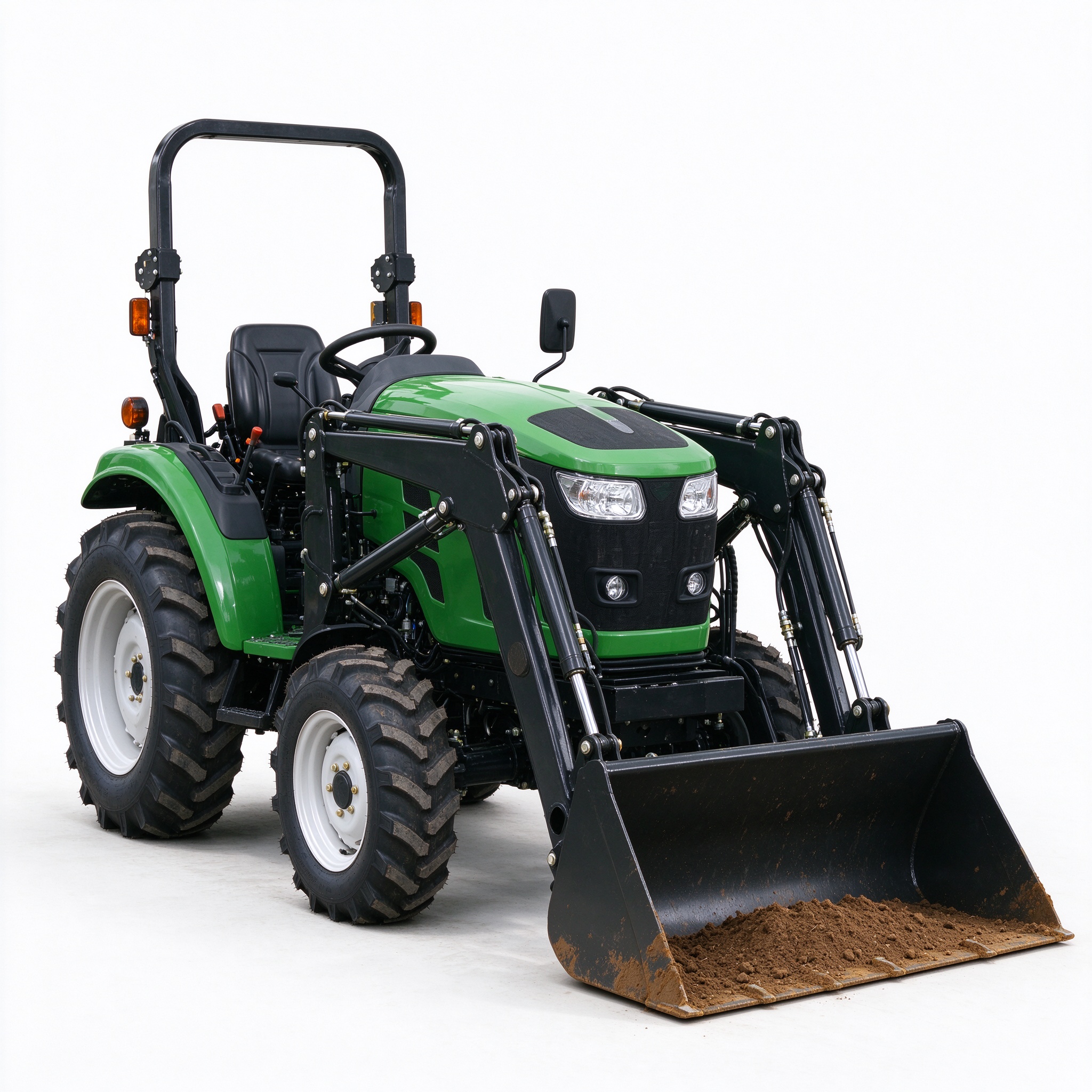
Compact front end loaders are essential pieces of machinery in agriculture and construction, designed for efficient material handling and versatile operations. Buyers often seek compact loaders that deliver high performance while being easy to maneuver in limited spaces. This article addresses key buyer concerns, including specifications, quality evaluation, common issues, and application suitability in various industries, ensuring that purchasing managers and decision-makers can make informed choices when considering compact front end loaders.

Wholesale Purchasing Tips for Compact Front End Loaders

Wholesale Purchasing Tips for Compact Front End Loaders

When purchasing compact front end loaders wholesale, consider the following tips to optimize your procurement process:

Understand Your Needs: Clearly define the specifications and features required for your operations. This includes load capacity, engine type, and any specific attachments needed.

Request Quotes from Multiple Suppliers: Gather quotes from several manufacturers to compare pricing and terms. Ensure that the quotes include all relevant costs, such as shipping, warranties, and service agreements.

Inquire About Bulk Discounts: Many manufacturers offer discounts for bulk orders. Be sure to ask about these options to reduce your overall costs.

Verify Supplier Credentials: Ensure that the suppliers have relevant certifications, such as CE and ISO 9001, which indicate compliance with international quality standards.

Assess Lead Times: Discuss production and delivery timelines upfront. Understanding lead times is critical for planning and ensuring that machinery arrives when needed.

Consider Financing Options: Explore financing options available through suppliers. Some manufacturers offer leasing or installment plans that can help manage cash flow for large purchases.

Evaluate After-Sales Support: Robust after-sales service, including maintenance and repair support, is vital for the long-term performance of your equipment. Confirm the level of support offered by the manufacturer.

By following these tips, buyers can streamline their purchasing process and secure the best deals on compact front end loaders. Additionally, consider integrating tools like the Grain Crusher 3 kW Electric Mill for Poultry Feed Milling to enhance operational efficiency.

How to Evaluate the Quality of Compact Front End Loaders

How to Evaluate the Quality of Compact Front End Loaders

Quality evaluation of compact front end loaders involves several critical steps:

Material and Build Quality: Inspect the materials used in the construction of the loader. High-quality steel and durable components enhance longevity and performance. Look for signs of corrosion resistance, particularly in key areas exposed to the elements.

Performance Testing: If possible, request a demonstration of the loader in action. Observe its lifting capabilities, stability under load, and ease of maneuverability. Testing under real working conditions can reveal potential issues.

Customer Reviews and Case Studies: Research customer feedback and case studies related to the loader model you’re considering. Real-world experiences can provide insights into the machine's reliability and performance over time.

Warranty and Service Terms: Review the warranty period provided by the manufacturer. A longer warranty often indicates confidence in the product's quality. Additionally, inquire about service agreements and the availability of spare parts.

Quality Control Processes: Ask about the manufacturer’s quality control measures during production. Established manufacturers typically have rigorous testing and inspection processes to ensure each unit meets specified standards.

By systematically evaluating these factors, buyers can make informed decisions and select high-quality compact front end loaders that will perform reliably in the field.

Common Problems with Compact Front End Loaders and Their Solutions

Common Problems with Compact Front End Loaders and Their Solutions

Compact front end loaders, while generally reliable, can experience common issues that buyers should be aware of:

Hydraulic Leaks: One of the most frequent problems is hydraulic fluid leaks, which can affect performance and safety. Regularly inspect hydraulic lines and fittings for any signs of wear or damage. Quick repairs can prevent larger issues.

Engine Performance Issues: Problems such as rough idling or loss of power can arise from fuel contamination or air filter blockages. Routine maintenance, including fuel system checks and filter replacements, can mitigate these issues.

Electrical Failures: Electrical systems in compact loaders can fail due to poor connections or corrosion. Regularly inspect wiring and connections, especially in areas exposed to moisture or dirt.

Tire Wear: Uneven tire wear can indicate alignment issues or improper inflation. Monitoring tire condition and ensuring proper maintenance will extend tire life and improve safety.

Attachment Compatibility Issues: Misalignment between the loader and attachments can lead to operational problems. Ensure correct fitting and check compatibility specifications beforehand.

By being aware of these common problems and their solutions, buyers can maintain their compact front end loaders more effectively and reduce downtime.

Exploring Applications for Compact Front End Loaders in Various Industries

Compact front end loaders are versatile machines applicable in numerous industries:

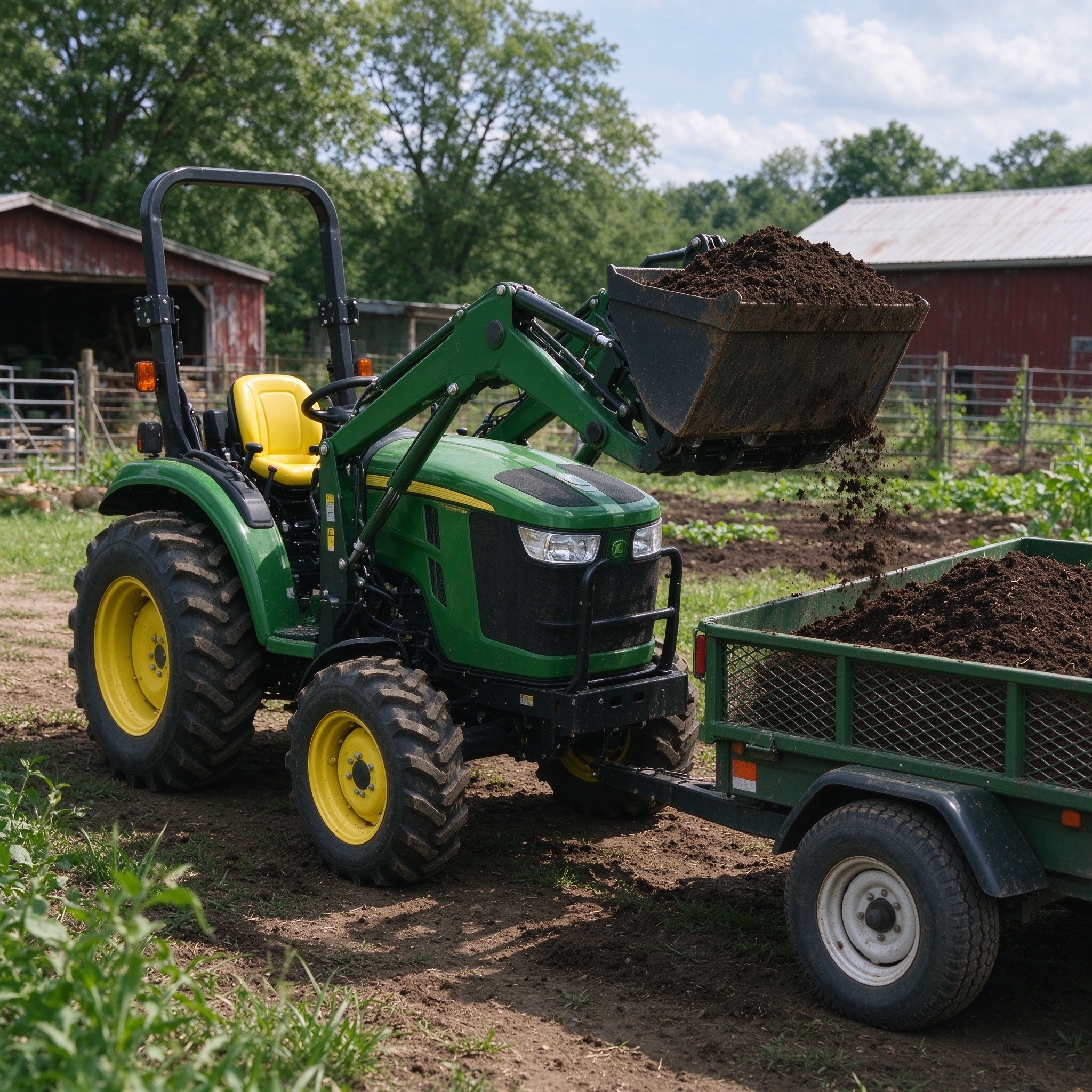
Agriculture: In agricultural settings, compact loaders are invaluable for tasks such as moving soil, loading feed, and transporting materials. Their maneuverability makes them ideal for tight farm spaces.

Construction: Construction sites benefit from the loaders' ability to handle various materials, including gravel, sand, and debris. They are often used for site preparation, landscaping, and material transportation.

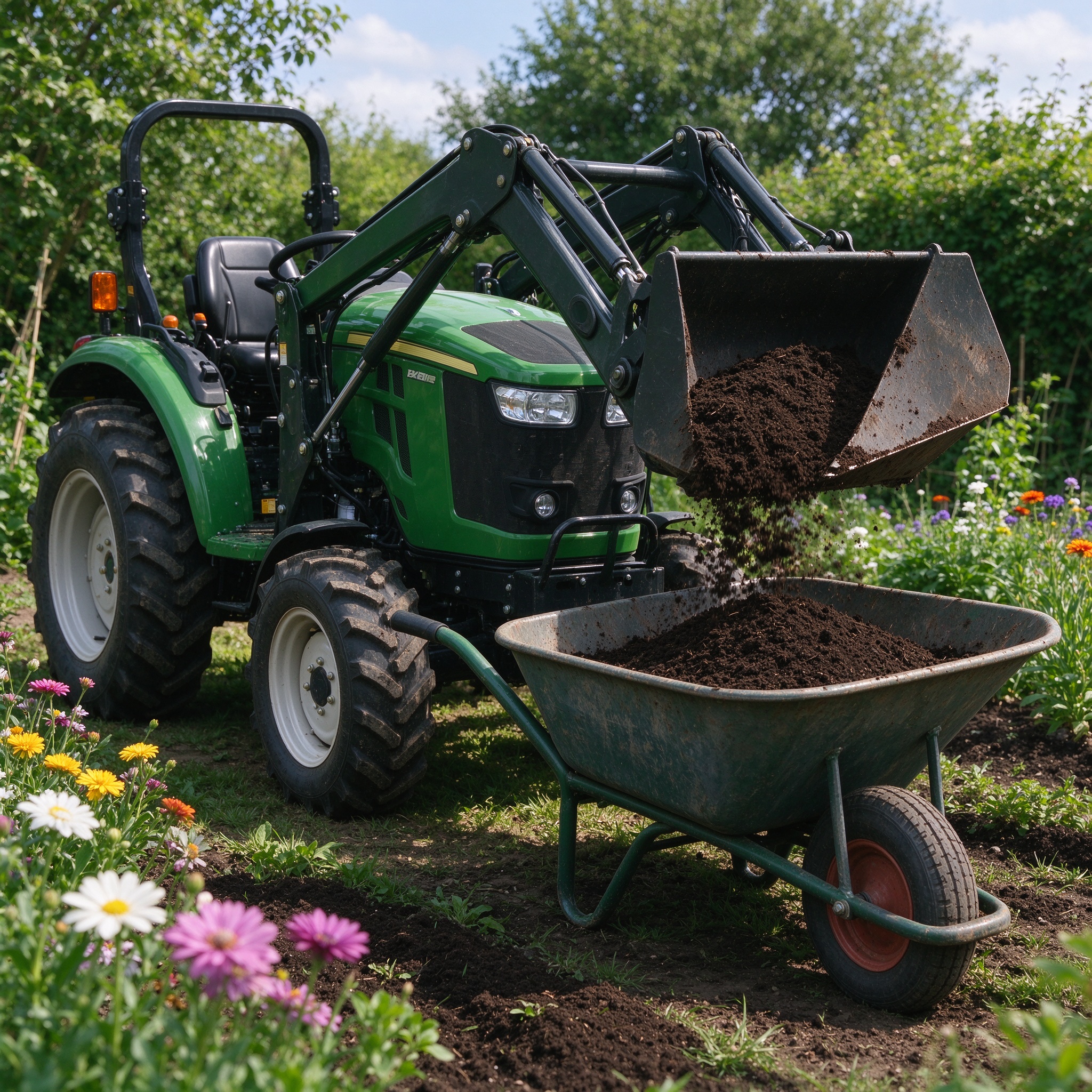
Landscaping: For landscaping projects, compact loaders can assist in moving soil, mulch, and plants. Their smaller size allows them to navigate residential areas without damaging surrounding property.

Waste Management: In waste management, these loaders are effective for collecting and transporting refuse materials. Their compact nature allows for efficient operation in confined spaces.

Municipal Services: Local governments utilize compact loaders for snow removal, street maintenance, and park upkeep. Their adaptability makes them essential for diverse municipal applications.

By understanding these applications, buyers can identify how compact front end loaders can meet their specific operational needs across various sectors. With practical considerations in mind, potential buyers can confidently engage with manufacturers and make informed decisions regarding their purchase of compact front end loaders, ensuring they select the right machines for their operational demands.

Key Specifications to Consider When Buying Compact Front End Loaders

When selecting a compact front end loader, several key specifications should be considered to ensure optimal performance for your specific needs:

Load Capacity: This refers to the maximum weight the loader can safely lift. It's crucial to match this with the typical loads you expect to handle. A capacity that is too low may lead to equipment failure, while one that is unnecessarily high can increase costs without providing added value.

Engine Power: Measured in horsepower, engine power affects the loader's ability to perform under load. Higher horsepower can enhance efficiency, especially when working with heavy materials or on inclined surfaces.

Hydraulic System: The hydraulic power (measured in PSI) dictates the loader's lifting and digging capabilities. A robust hydraulic system allows for better performance in tough conditions and can improve the speed of operations.

Dimensions: Compact loaders must fit within the spatial constraints of your worksite. Key dimensions include the loader's height, width, and turning radius. An overly wide or tall loader may not be capable of accessing tight spaces.

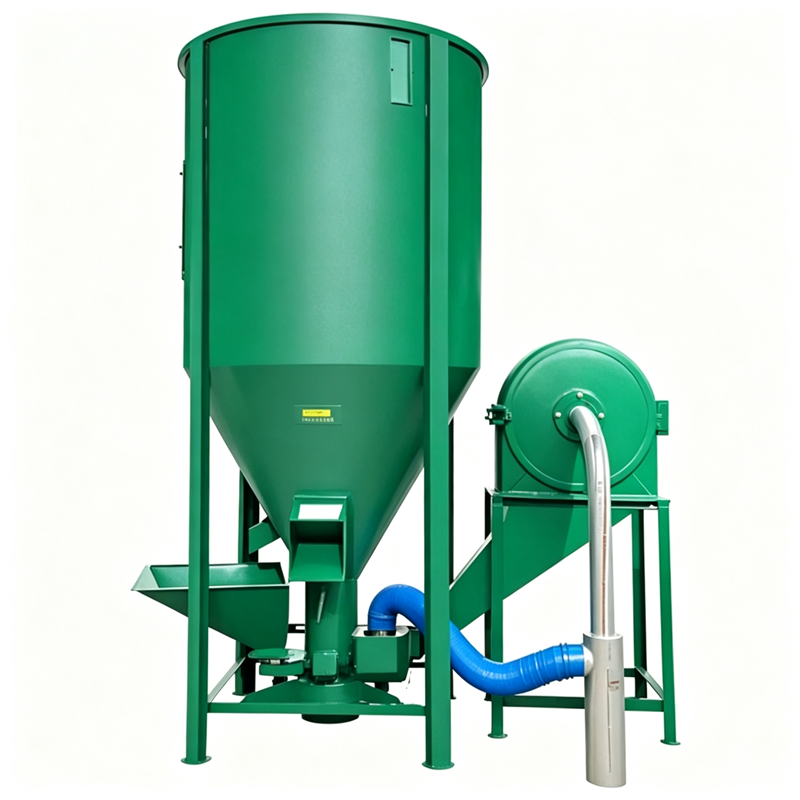
Attachment Compatibility: Different tasks may require various attachments, such as buckets, forks, or grapples. Ensure that the loader has the necessary hydraulic connections and mounting points for the attachments you plan to use. For example, Grain Feed Ingredient Mixer – 500-5000L Crusher & Blender can be a useful attachment for certain agricultural applications.

Weight and Stability: The overall weight of the loader affects its stability. Heavier loaders provide better traction and stability, which is particularly important in uneven terrain.

By carefully evaluating these specifications, buyers can choose compact front end loaders that meet their operational requirements and enhance productivity.

Frequently Asked Questions

What is the compact front end loader used for?

The compact front end loader handles loading, material transport, light excavation, pallet handling and farm chores, ideal for tight spaces on farms, plantations and nurseries.
Typical specs include lift capacity, lift height, bucket capacity, hydraulic flow, and attachment compatibility. Exact specs are provided per model and can be tailored to farm needs.
Yes. It supports common attachments (buckets, forks, grapples) and can be matched to tractors or carriers; Agripros offers lifecycle-based solutions to ensure compatibility.
Our equipment carries CE and ISO 9001 certifications, with quality control, testing and documentation to support reliable operation across 40 countries.
Contact Agripros with model details. We provide parts, maintenance guidance and customization options based on project scope, location and lifecycle requirements.

Get a Free Quote

Our representative will contact you soon.
0/1000