Cost Factors and Applications of Corn Planters

application/corn-planter, application/corn-planter, 
Inquiry
Inquiry

corn planter

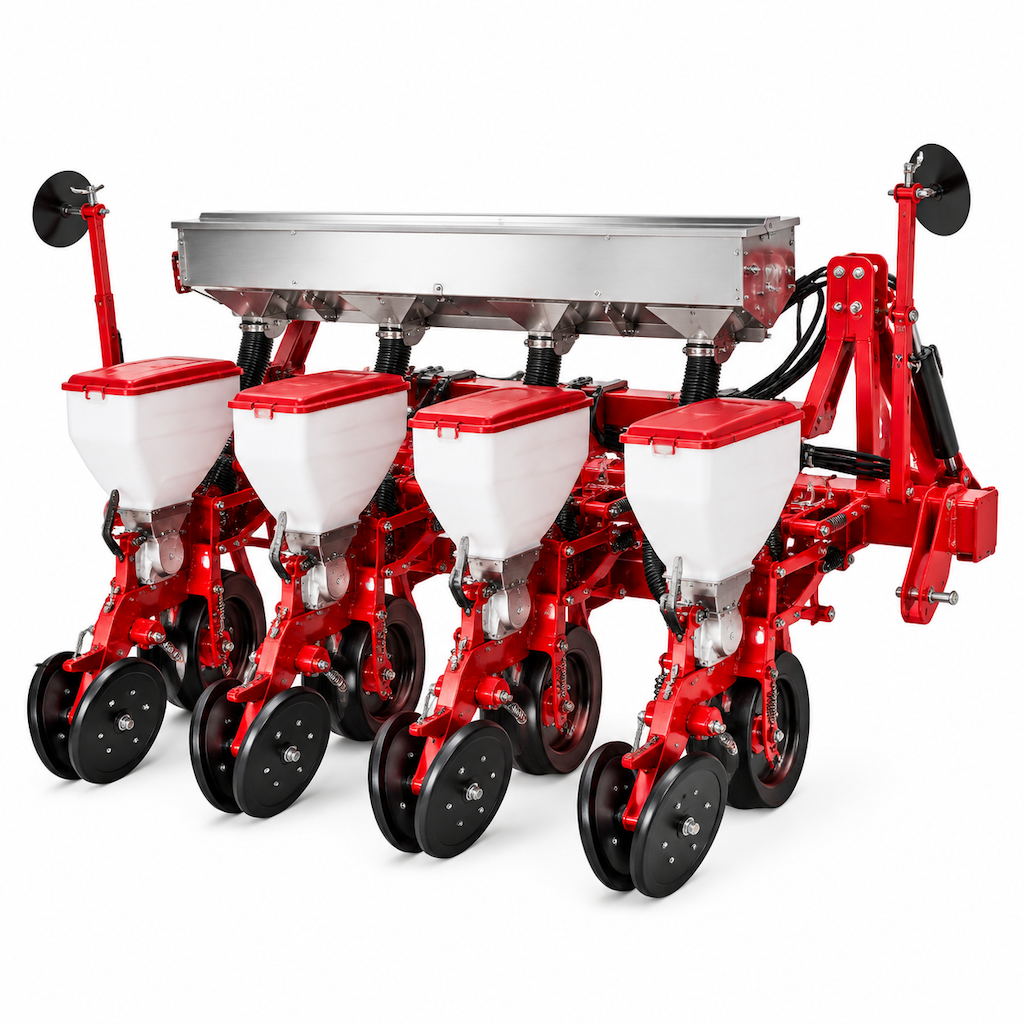
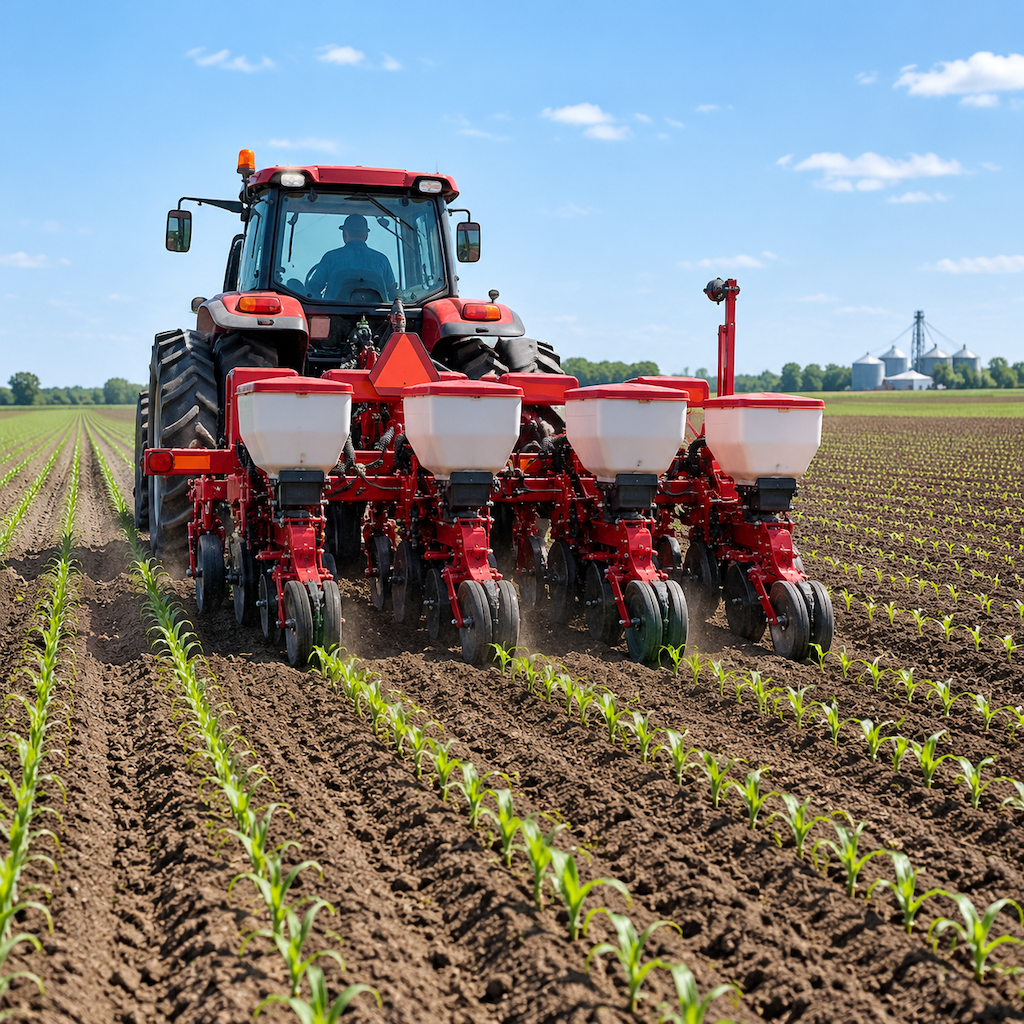
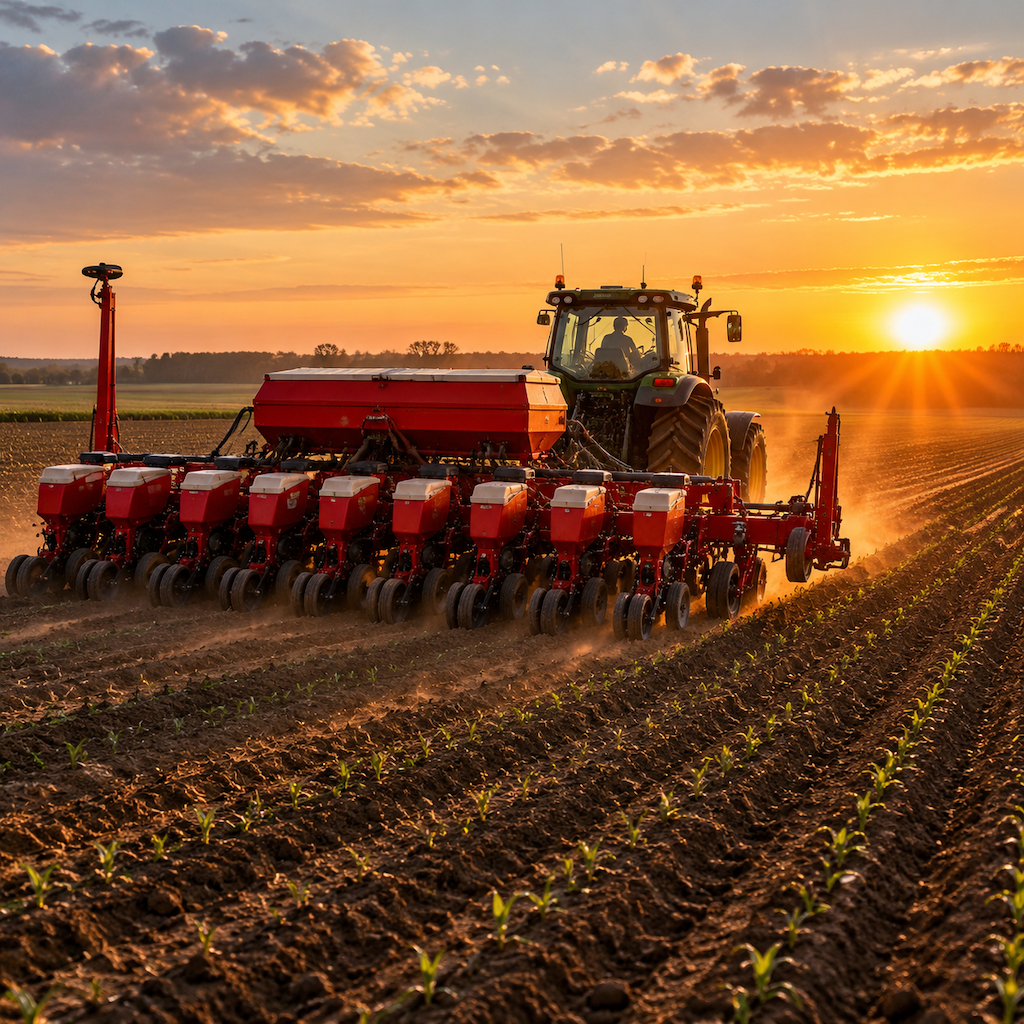
When it comes to efficient agricultural practices, selecting the right corn planter is critical for maximizing yields and ensuring operational efficiency. A corn planter is a specialized piece of machinery used to sow corn seeds at the appropriate depth and spacing, which significantly impacts germination and crop health. For B2B buyers, concerns often revolve around specifications, performance, and cost-effectiveness. This article aims to provide a comprehensive guide on sourcing corn planters, helping purchasing managers and agricultural professionals make informed decisions.

Understanding Corn Planter Applications in Diverse Agricultural Settings

Understanding Corn Planter Applications in Diverse Agricultural Settings

When comparing corn planters, it’s essential to evaluate both performance metrics and cost factors. Here are several approaches:

Performance Metrics: Look for performance reviews and testimonials from other users in the field. Consider the planter's planting speed, accuracy, and maintenance requirements. Higher initial costs may be justified by lower operational costs and greater efficiency over time.

Cost Analysis: Calculate the total cost of ownership, which includes the purchase price, maintenance, and operational expenses. Consider factors like fuel efficiency and the frequency of required repairs.

Warranty and Service Agreements: Review the warranty terms provided by manufacturers. A longer warranty period often indicates confidence in the product’s durability. Additionally, check if the supplier offers service agreements or support for repairs.

Customization Options: Some manufacturers provide customization options to tailor the planter to specific agricultural needs. This can include modifications for seeding depth, width, and even technology integrations such as GPS for precision farming.

Supplier Reputation: Assess the supplier’s reputation in the market. Look for certifications such as ISO 9001, which reflect a commitment to quality and continuous improvement.

By taking a comprehensive approach to comparison, buyers can ensure they select a corn planter that delivers both performance and value.

Installation Guidance for Efficient Use of Corn Planters

Installation Guidance for Efficient Use of Corn Planters

Even with the best planning, issues can arise with corn planters. Here are some common problems and their solutions:

Clogged Seed Hoppers: Clogging can occur due to debris or seed types that do not flow well. Regular maintenance and cleaning of the seed hopper can mitigate this issue. Utilizing seed treatments that enhance flowability can also be beneficial.

Inconsistent Seed Depth: Variations in seed depth can lead to uneven germination. Ensure that the planter’s depth adjustment mechanism is functioning correctly and calibrated before planting. Regular checks during operation can help maintain consistent depth.

Wear and Tear on Components: Components such as seed discs and furrowers can wear down over time. Regular inspections and timely replacements can prevent issues from escalating during critical planting periods.

Poor Soil Conditions: If the soil is too compacted or wet, it can affect planting effectiveness. Conduct soil tests to determine the best planting conditions and consider pre-tillage practices if necessary.

By addressing these common challenges proactively, agricultural professionals can minimize downtime and improve planting outcomes.

Common Problems with Corn Planters and Effective Solutions

Common Problems with Corn Planters and Effective Solutions

The materials used in the construction of corn planters play a significant role in their performance and longevity. Agripros employs high-strength steel and advanced composite materials that offer several advantages:

Durability: High-strength steel ensures that the planter can withstand the rigors of agricultural use, including exposure to harsh weather conditions, soil abrasion, and mechanical stress.

Corrosion Resistance: Our planters feature protective coatings that resist rust and corrosion, extending the lifespan of the equipment and reducing maintenance costs.

Weight Considerations: Utilizing lightweight materials can enhance the maneuverability of the planter while maintaining structural integrity. This is particularly important for smaller tractors that may struggle with heavier equipment.

Adaptability: The materials allow for flexibility in design, enabling custom modifications for specific agricultural applications, thus enhancing overall performance.

Choosing the right materials is crucial for ensuring that corn planters not only perform well in the field but also stand the test of time under demanding conditions.

What to Look For

For companies looking to order corn planters in bulk, several cost factors should be taken into account:

Volume Discounts: Many manufacturers offer discounts for bulk purchases. It’s important to inquire about pricing tiers based on order volume to maximize savings.

Shipping Costs: Consider the logistics of transporting bulk orders. Shipping costs can vary significantly based on distance and weight. Negotiate shipping terms with the supplier to find the most cost-effective solution.

Lead Times: Bulk orders may have longer lead times, especially if customization is required. Discuss timelines with the manufacturer to ensure that the planters will be available when needed.

Payment Terms: Understand the payment structure for bulk orders. Some suppliers may require upfront payments, while others offer financing options or installment plans.

After-Sales Support: Consider the costs associated with after-sales support, including installation, training, and maintenance. A comprehensive support package can add value to the bulk purchase.

By being aware of these cost factors, buyers can make informed decisions that align with their budgeting and operational needs, ensuring a successful procurement process for corn planters.

Cost Factors in Bulk Ordering Corn Planters for Your Business

When sourcing corn planters, several key specifications should be carefully evaluated to ensure optimal performance:

Planting Mechanism: Look for planters with precision metering systems that can accurately place seeds at the desired depth and spacing. This is crucial for ensuring uniform germination and maximizing yield.

Row Width Options: Assess the row width options available. Standard row widths are typically 30 inches, but some planters offer adjustable widths to accommodate different farming practices and crop types.

Seed Capacity: The capacity of the seed box can affect how often operators need to stop for refills. A larger capacity can enhance efficiency during planting seasons.

Furrow Depth Adjustment: The ability to adjust the furrow depth is important for varying soil types and moisture levels. This feature allows for better control over seed placement and can help avoid issues like seedling rot or poor germination.

Build Quality and Durability: Given the rigors of agricultural work, the materials used in the construction of the planter should include high-strength steel and corrosion-resistant coatings to withstand harsh environmental conditions. This is similar to the materials used in Processing Machines that are designed for durability.

Compatibility with Other Equipment: Ensure that the corn planter can be easily integrated with your existing farming machinery, such as tractors or other tillage equipment. This compatibility is essential for efficiency, much like how Tractors are integrated into modern farming practices.

Understanding these specifications will help buyers select a corn planter that meets their operational needs while optimizing productivity.

Frequently Asked Questions

What fields are compatible with this corn planter?

The corn planter suits medium to large arable fields and row-crop farms. It works on prepared seedbeds and can be adapted to varied soil types with correct settings.
It is CE and ISO 9001 certified, ensuring compliance with international safety and quality management standards.
Models offer multiple row configurations and adjustable spacing; seeding capacity varies by model. Contact us with field size for recommended specifications.
Routine checks include seed meter calibration, lubrication, and wear inspections. Agripros provides lifecycle-based support and spare parts for long-term maintenance.
Yes. Agripros offers tailored configurations—row number, spacing, and attachments—based on your farm size and crop management practices.

Get a Free Quote

Our representative will contact you soon.
0/1000