Two Row Corn Planter for Efficient Agriculture

application/two-row-corn-planter, application/two-row-corn-planter, 
Inquiry
Inquiry

two row corn planter

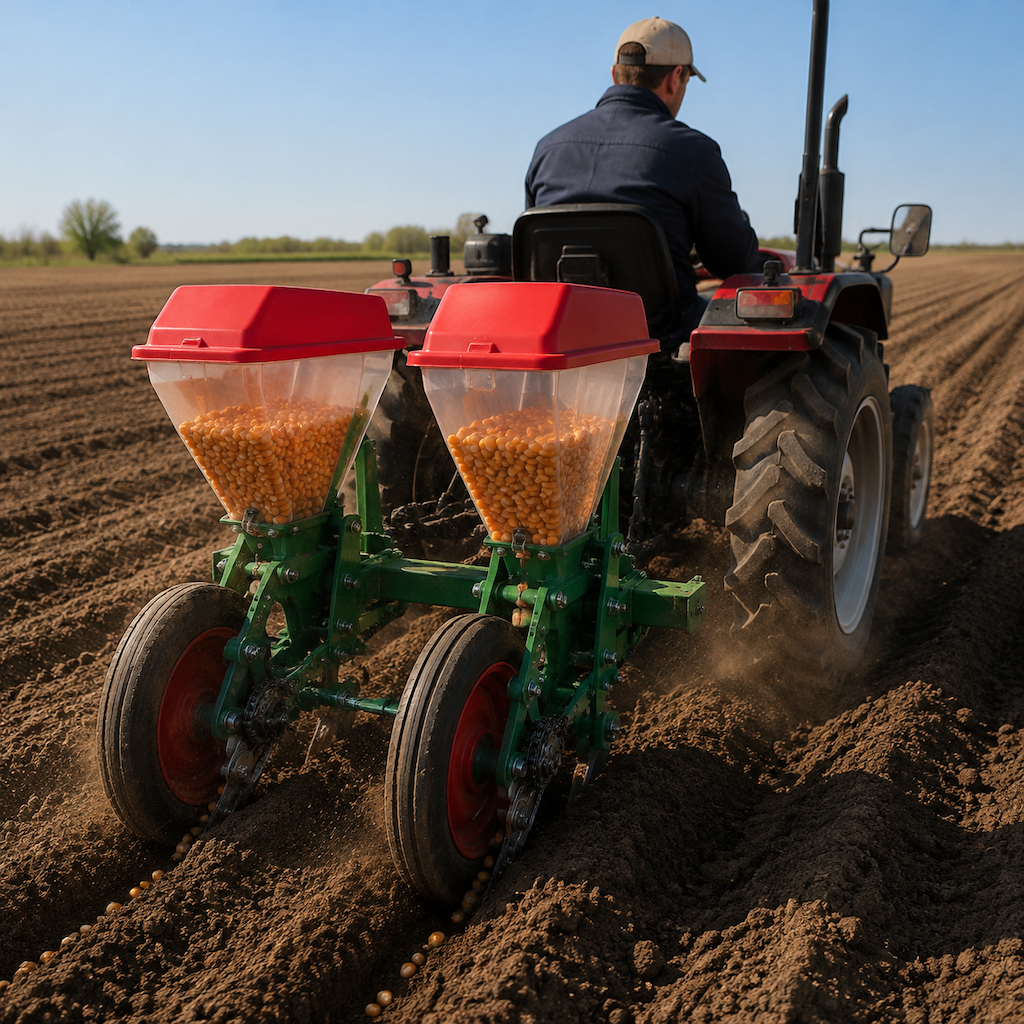
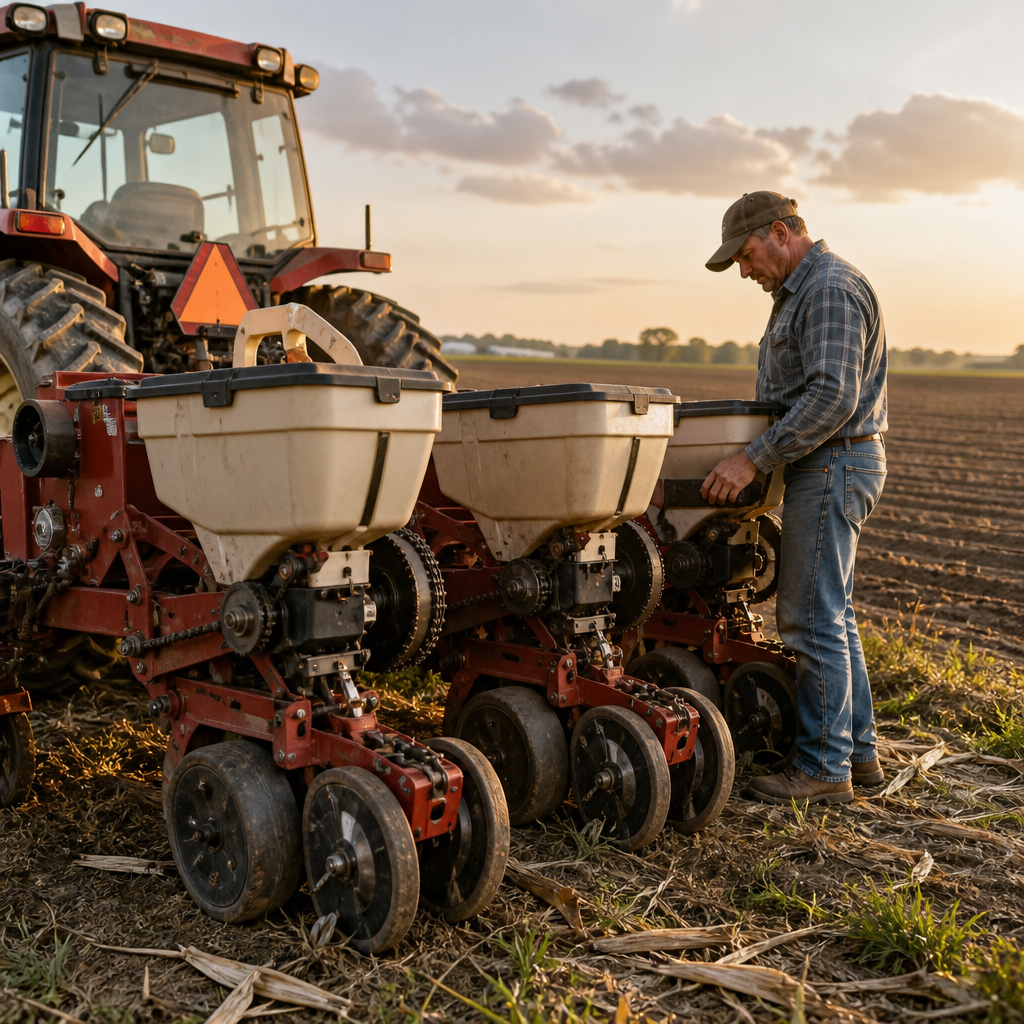
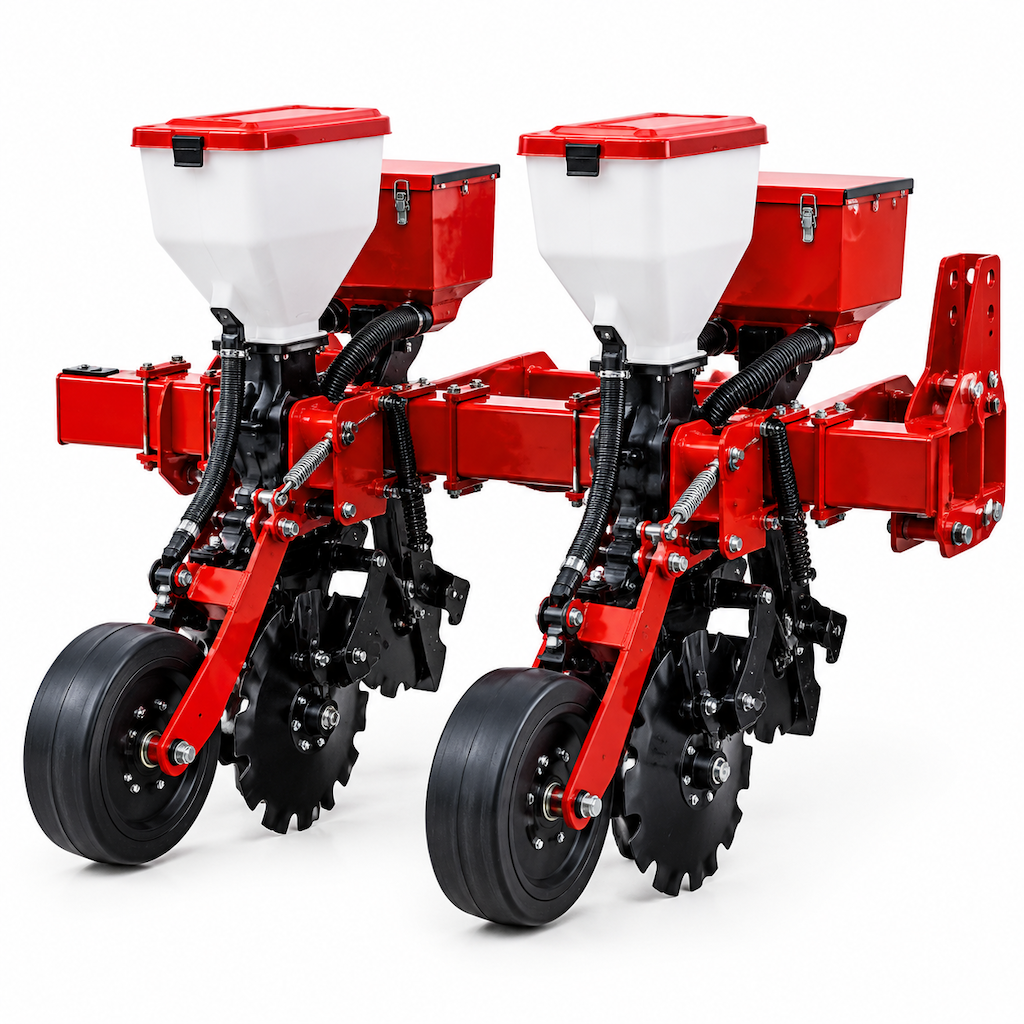
A two-row corn planter is an essential agricultural machine designed to optimize the planting process for corn crops. This specialized equipment ensures precise seed placement, which is critical for maximizing yield and efficiency on farms. Potential buyers, such as purchasing managers and agricultural engineers, often have concerns regarding the specifications, cost factors, and operational reliability of such machinery. We will explore the specifications of our two-row corn planter, the cost considerations when purchasing, common problems and their solutions, applications in modern agriculture, and highlight the features and benefits that set our equipment apart.

Cost Factors to Consider When Purchasing Two Row Corn Planters

Cost Factors to Consider When Purchasing Two Row Corn Planters

The cost of a two-row corn planter is influenced by several factors that buyers should carefully consider:

Initial Investment: The price of the planter varies based on its specifications and features. More advanced models with precision technology may come at a higher cost but can offer better efficiency and productivity over time.

Customization Options: Buyers often require specific modifications, such as different row widths or additional features. Customization can increase the cost but may be necessary to meet unique operational needs.

Maintenance and Operating Costs: Potential buyers should account for ongoing maintenance costs, including replacement parts and servicing. A well-maintained planter will have a lower total cost of ownership. For instance, integrating a Grain Crusher 3 kW Electric Mill for Poultry Feed Milling can enhance operational efficiency by streamlining feed preparation.

Financing Options: Many manufacturers offer financing solutions that can ease the upfront financial burden. Buyers should explore these options to determine the best fit for their budget.

By understanding these cost factors, buyers can make informed decisions that align with their financial capabilities while ensuring they invest in machinery that meets their operational demands.

Common Problems with Two Row Corn Planters and Their Solutions

Common Problems with Two Row Corn Planters and Their Solutions

Even the best two-row corn planters may face operational challenges. Recognizing common issues and their solutions can assist in maintaining efficiency:

Clogged Seed Distributors: Seed distributors can become clogged, leading to uneven planting. Regular cleaning and maintenance can prevent this issue. Using high-quality seeds that are uniform in size can also help.

Inaccurate Seed Placement: If the seed metering system is not calibrated correctly, it can lead to inconsistent seed placement. Buyers should ensure proper calibration before planting and regularly check settings during operation.

Tire Wear: Uneven tire wear can affect planting depth and seed placement. Regular inspection of tires and ensuring they are properly inflated can mitigate this issue.

Mechanical Failures: Regular maintenance checks can identify wear and tear before they lead to mechanical failures. Establishing a routine maintenance schedule can extend the lifespan of the planter.

Being aware of these common problems allows buyers to take proactive measures, ensuring their planting operations remain efficient and effective.

Applications of Two Row Corn Planters in Modern Agriculture

Applications of Two Row Corn Planters in Modern Agriculture

Two-row corn planters are versatile tools used in various agricultural settings, contributing to modern farming practices:

Small to Medium-Sized Farms: For farms with limited acreage, two-row planters provide an efficient means of planting corn without the need for larger, more complex machinery.

Precision Agriculture: These planters are often integrated with precision agriculture technologies, allowing for data-driven planting decisions that optimize yield.

Organic Farming: Two-row corn planters are suitable for organic farming practices, providing farmers the ability to plant with minimal soil disturbance, which is a key principle of organic agriculture.

Research and Development: Agricultural researchers often use two-row corn planters for trials and experiments, allowing for controlled planting conditions when testing new seed varieties or agricultural practices.

The adaptability of two-row corn planters ensures they remain a staple in various agricultural operations, supporting both traditional and innovative farming methods.

Features and Benefits

Our two-row corn planter is designed with several features that provide distinct advantages for buyers:

Durability: Constructed from high-strength materials, our planters can withstand harsh agricultural environments, ensuring longevity and reliability.

User-Friendly Design: The intuitive controls and easy-to-adjust settings facilitate operation, allowing users to quickly adapt to different planting conditions.

Cost Efficiency: The precision planting capabilities reduce seed waste and optimize spacing, leading to higher yields and a better return on investment.

Support and Maintenance: Agripros offers comprehensive support services, including training and maintenance guidelines, ensuring that buyers have the resources needed to operate their planters effectively.

Customization Capabilities: We understand that each farm is unique. Our planters can be customized to meet specific requirements, whether it's changing row spacing or integrating additional technology.

By choosing our two-row corn planter, buyers benefit from a reliable, efficient machine that enhances their planting operations while providing the support needed for successful agricultural outcomes.

Understanding the Specifications of Our Two Row Corn Planter

When selecting a two-row corn planter, it's vital to understand its specifications, as these directly impact its performance and suitability for specific agricultural practices. Key specifications to consider include:

Row Spacing: The typical row spacing for corn planters ranges from 30 to 40 inches. This distance affects the growth and nutrient competition of the corn plants. Buyers should match row spacing with their farming practices and land configurations.

Seed Metering System: The planter features a precision seed metering system that ensures uniform seed spacing. This is crucial for maximizing crop yield, as uneven spacing can lead to competition for resources among plants.

Hopper Capacity: A larger hopper reduces downtime for refilling during planting. Depending on the size of the operation, buyers should consider the hopper capacity that aligns with their planting requirements.

Frame Material: Our planters are built with high-strength steel, providing durability and longevity, which is essential for handling the rigors of agricultural work. Additionally, our 8-25HP Diesel Walk Behind Tractor Water-Cooled Hand Start Farm Tractor can complement this machinery, ensuring efficient operations in the field.

Understanding these specifications helps buyers evaluate how well the planter will function within their existing agricultural setup and ensures compatibility with other machinery.

Get a Free Quote

Our representative will contact you soon.
0/1000