Choosing the Right Corn Planter for Your Tractor

application/corn-planter-for-tractor, application/corn-planter-for-tractor, 
Inquiry
Inquiry

corn planter for tractor

Choosing the right corn planter for your tractor is essential for maximizing planting efficiency and crop yield. A corn planter is a vital piece of agricultural machinery that enables farmers to sow seeds efficiently and in optimal conditions. As a B2B buyer, you need to consider various factors such as compatibility with your tractor, specifications, and overall cost. This article will help you understand the key aspects of selecting a corn planter suitable for your needs, ensuring you make informed purchasing decisions.

Key Specifications to Evaluate in Corn Planters

Key Specifications to Evaluate in Corn Planters

Several critical specifications should be evaluated when choosing a corn planter:

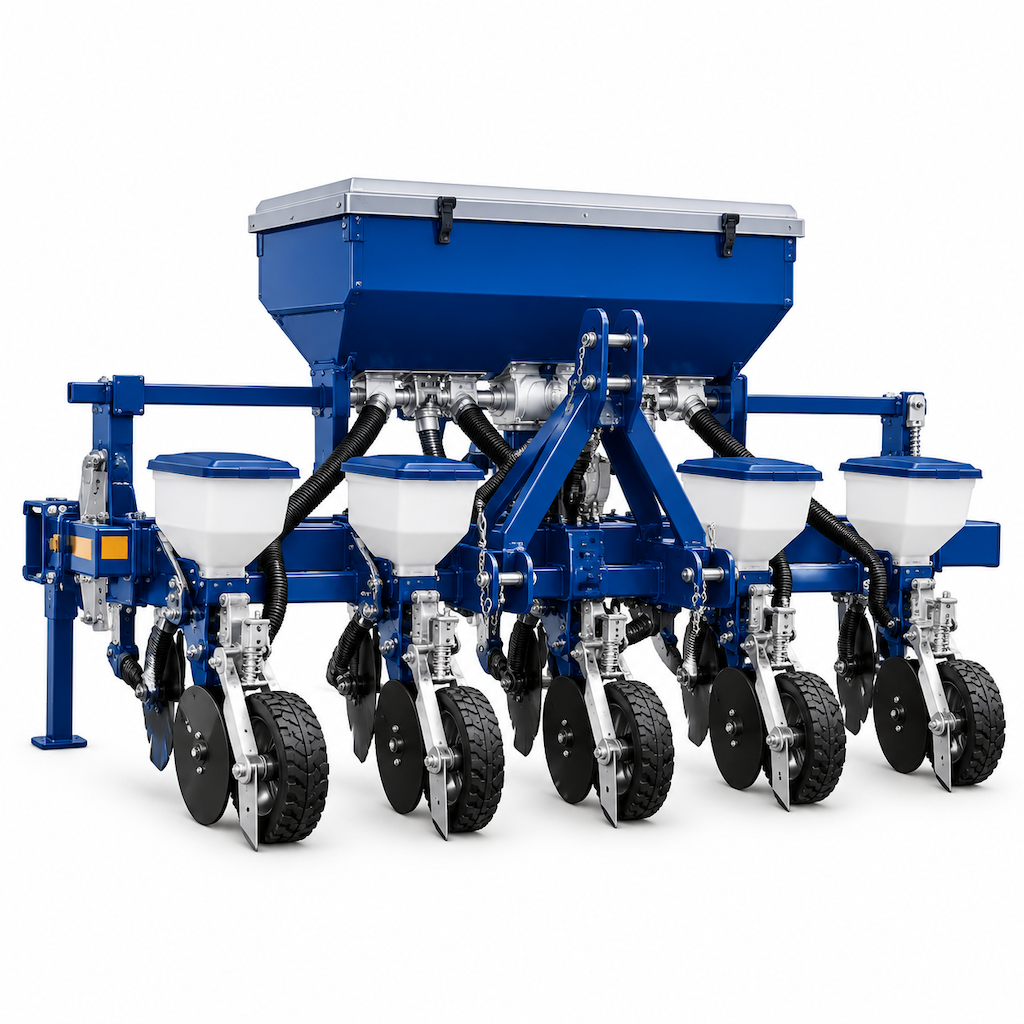
Row Unit Design: The row unit is responsible for seed placement. Look for planters with adjustable row units that can handle different soil conditions and seed types. The ability to adjust down pressure and seed depth is vital for optimizing germination.

Seed Metering System: Accurate seed metering is crucial for ensuring uniform crop stands. Evaluate the type of metering system, whether it is a finger pickup or a brush system, and its effectiveness in different planting conditions.

Frame Construction: The planter's frame should be robust enough to withstand field conditions. Consider materials used in construction, such as high-strength steel or aluminum, which can offer durability while minimizing weight.

Capacity: Check the hopper size and how many acres can be planted before refilling. Larger hoppers reduce downtime, which is especially beneficial during peak planting seasons.

Adjustability: Features that allow for easy adjustments in planting depth, row spacing, and seed population can greatly enhance the planter's versatility and help adapt to varying field conditions.

Understanding these specifications can help you assess which corn planter aligns best with your operational needs and farming practices.

Finding Trusted Corn Planter Manufacturers

Finding Trusted Corn Planter Manufacturers

Identifying reliable manufacturers is crucial for securing a quality corn planter. Look for companies with a strong reputation in the agricultural machinery industry, such as Agripros (Beijing Worldlink Commerce Co., Ltd.), known for its CE and ISO 9001 certifications. These certifications indicate adherence to international quality standards, which is essential for ensuring the reliability and efficiency of your planter.

Research the manufacturer's experience in the market, focusing on their production capabilities and customer feedback. A manufacturer with a proven track record in supplying agricultural machinery across diverse markets can provide insights into best practices and innovations in planter design.

Additionally, consider the availability of after-sales support, including maintenance services and spare parts. A trustworthy manufacturer will offer comprehensive support to ensure your planter operates efficiently throughout its lifecycle.

Understanding Cost Factors for Corn Planters in Bulk

Understanding Cost Factors for Corn Planters in Bulk

When purchasing corn planters in bulk, several cost factors come into play. First, consider the base price of the planter, which can vary significantly depending on its features and specifications. Be aware that more advanced models with enhanced technology will generally carry a higher price tag.

Bulk purchasing often provides cost savings, but you should also assess shipping and handling costs, which can impact the total expenditure. Additionally, inquire about potential discounts for bulk orders and any financing options available that can ease the upfront investment.

It is also essential to factor in the cost of ownership, including maintenance, repair, and potential upgrades. Understanding the total cost of ownership will help you make a more informed economic decision regarding your investment in corn planters. For instance, investing in a Grain Crusher 3 kW Electric Mill for Poultry Feed Milling can complement your planting operations by ensuring high-quality feed production.

Common Problems with Corn Planters and Effective Solutions

While corn planters are designed for efficiency, various common issues can arise during their operation. Here are some typical problems and their solutions:

Seed Misplacement: This can occur due to incorrect calibration of the seed metering system. Ensure the system is regularly calibrated according to the seed type and desired planting depth. Conducting field tests before planting can help fine-tune settings.

Clogged Seed Hoppers: Clogging can slow down the planting process. Regularly inspect and clean seed hoppers, especially when switching seed types. Using high-quality seeds with uniform sizes can also minimize clogging issues.

Poor Soil Penetration: If the planter struggles to penetrate the soil effectively, check the down pressure settings. Adjusting these settings can improve seed-to-soil contact, enhancing germination rates.

Wear and Tear: Over time, components such as blades and bearings can wear out, affecting performance. Regular maintenance checks are essential to identify worn parts early and replace them to avoid costly downtimes during planting season.

By understanding these common problems and their solutions, you can maintain the efficiency of your corn planter and ensure optimal planting performance throughout its operational life.

Selecting the right corn planter for your tractor involves evaluating compatibility, specifications, and manufacturer reliability, alongside understanding cost factors and potential operational issues. Armed with this knowledge, you can confidently make purchasing decisions that enhance your agricultural operations.

Choosing the Right Corn Planter for Your Tractor Needs

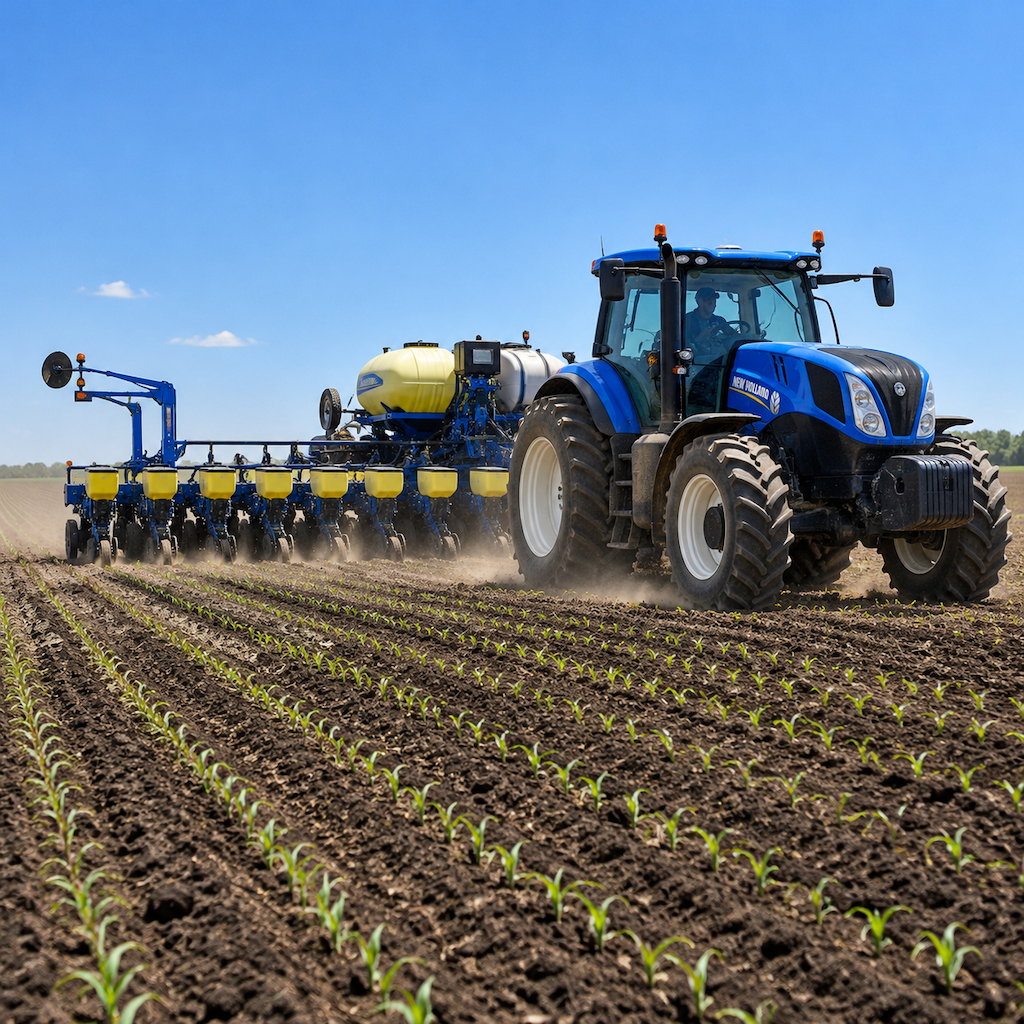
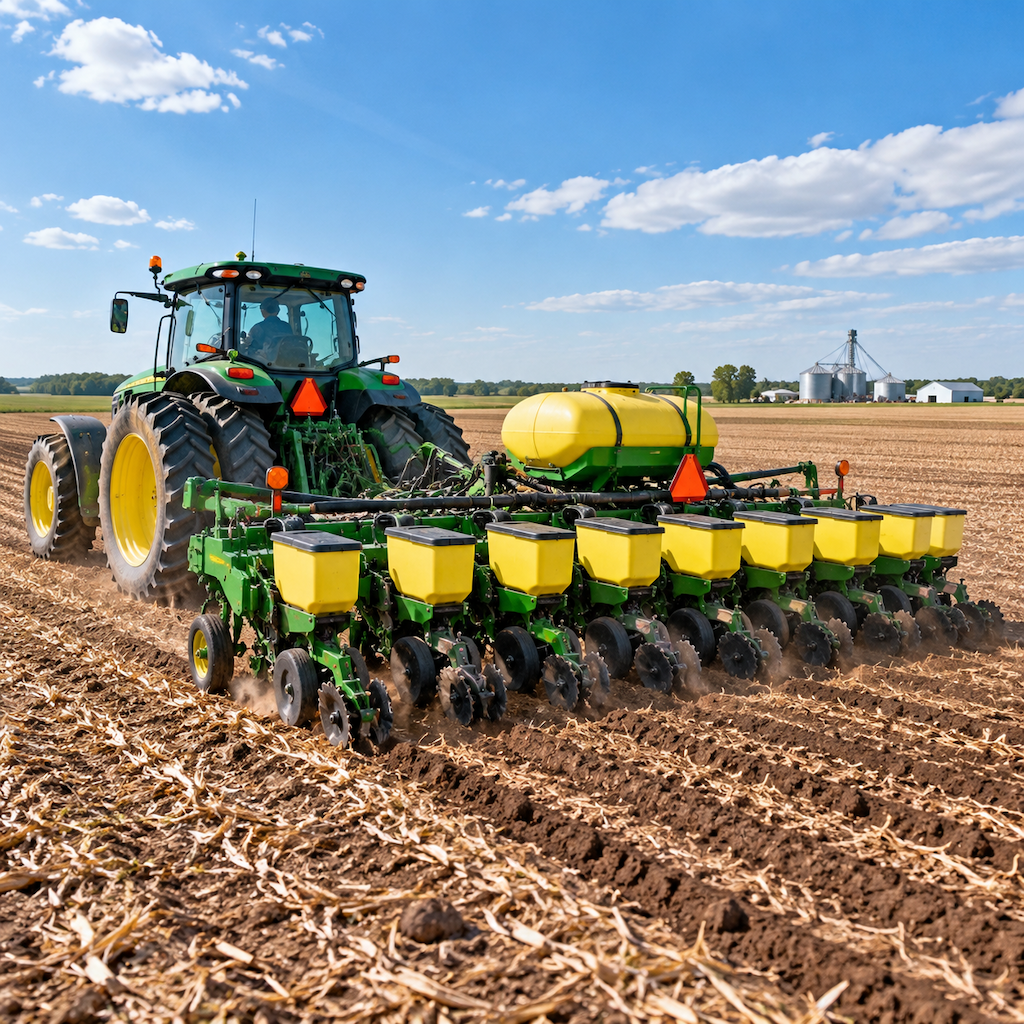
When selecting a corn planter for your tractor, compatibility is a primary concern. Ensure that the planter is designed to fit your tractor model, considering factors such as the power requirements, hitch compatibility, and weight distribution. Additionally, assess the planter's planting mechanism—whether it is mechanical, pneumatic, or vacuum-based—since this affects seed placement accuracy and soil disturbance.

Different planters come with varying row widths, typically ranging from 30 to 38 inches, which can influence planting density and crop management practices. Consider the specific requirements for your farm operations, such as the types of crops you will be planting and your field layout. A well-matched corn planter will enhance planting efficiency and reduce wear on your tractor over time. For example, tractors such as the 8-25HP Diesel Walk Behind Tractor Water-Cooled Hand Start Farm Tractor can be excellent choices for various planting needs.

Frequently Asked Questions

What tractors are compatible with this corn planter?

The corn planter fits tractors with matching three-point hitch and PTO power ranges. Provide your tractor model and PTO HP to our sales team for exact compatibility and recommended configurations.
Our corn planter supports multiple row counts and adjustable spacings typical for corn planting. Row spacing and seed rate are configurable to suit field requirements; contact us with your desired configuration for details.
Yes. We provide installation guidance, setup manuals, and remote or onsite support as part of lifecycle services to ensure correct mounting, calibration, and safe operation.
Agripros supplies equipment with CE and ISO 9001 certifications. We follow quality controls, factory inspections, and provide documentation to ensure reliable performance and compliance.
We supply spare parts and maintenance support across our service network. Provide your model and serial number to arrange genuine parts, warranty service, and preventative maintenance plans.

Get a Free Quote

Our representative will contact you soon.
0/1000