Essential Insights on Corn Seeders for Buyers

application/corn-seeder, application/corn-seeder, 
Inquiry
Inquiry

corn seeder

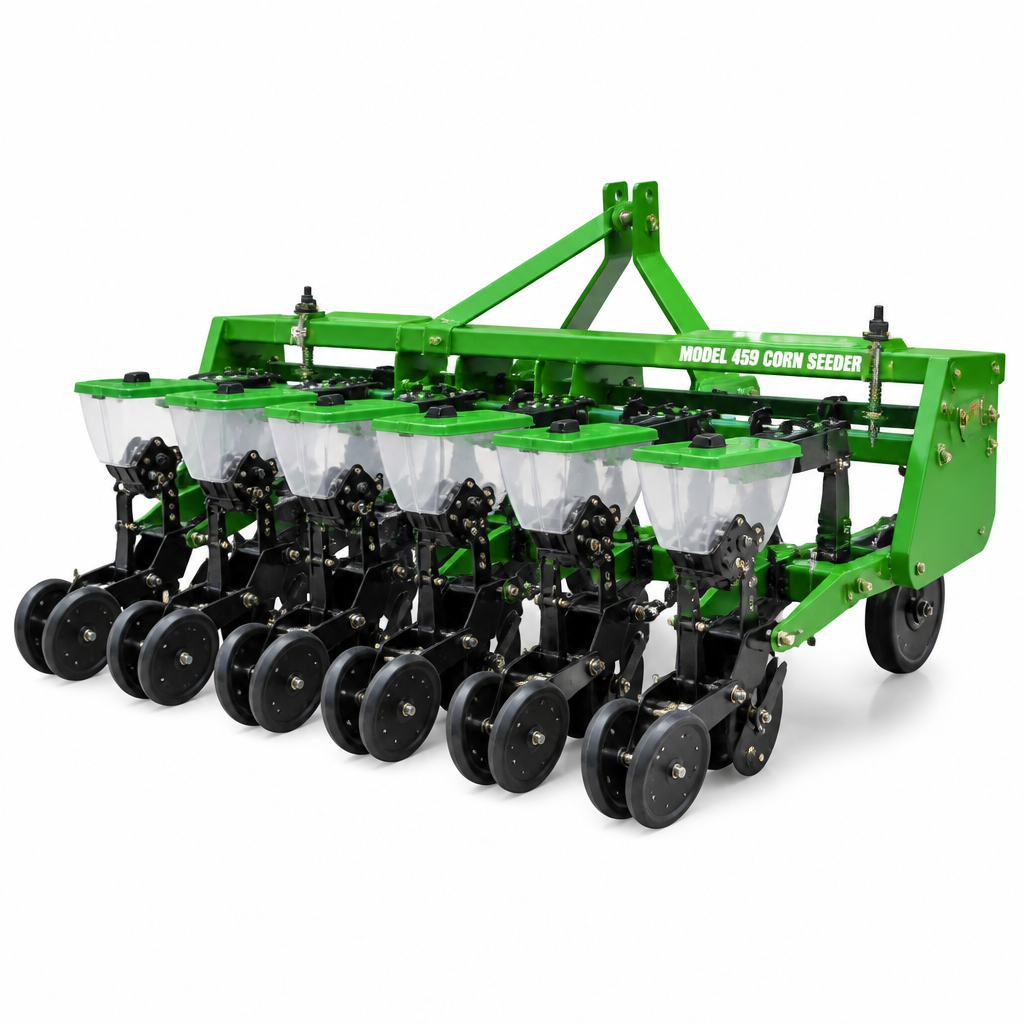
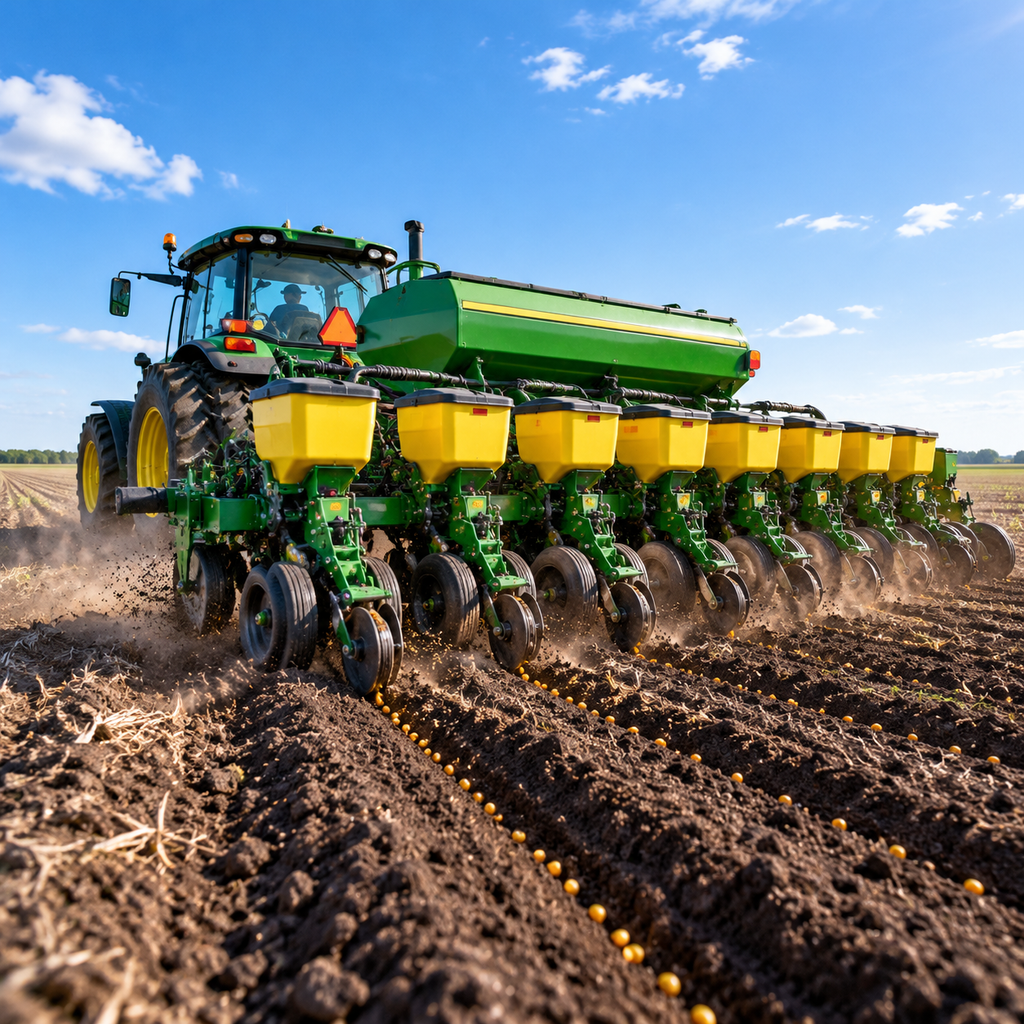
Understanding the intricacies of corn seeders is essential for B2B buyers in agriculture, especially those looking to streamline their farming operations. Corn seeders are specialized machinery designed for the efficient planting of corn seeds, ensuring optimal seed placement and soil coverage. As a buyer, you may be concerned about product specifications, sourcing quality equipment, and addressing common operational challenges. This article will provide insights into essential features, sourcing options, common issues, cost considerations, and strategies for maximizing agricultural efficiency.

Where to Source High-Quality Corn Seeders for Bulk Orders

Where to Source High-Quality Corn Seeders for Bulk Orders

Sourcing high-quality corn seeders involves identifying reliable suppliers that can meet bulk order demands. Here are some tips for finding the right source:

Direct Manufacturers: Contact manufacturers like Agripros, which specializes in agricultural machinery and has CE/ISO 9001 certifications. Directly sourcing from manufacturers can often yield better pricing and customization options.

Industry Trade Shows: Attend agricultural trade shows to meet potential suppliers, inspect equipment firsthand, and discuss specific requirements in person. This also provides an opportunity to compare multiple offerings.

Online B2B Marketplaces: Utilize platforms like Alibaba or Global Sources where manufacturers and suppliers list their products. Ensure to verify their credentials and read reviews before proceeding.

Local Distributors: Identify local distributors who may have partnerships with manufacturers. They can provide insights into the equipment's performance in your specific region.

Networking with Industry Peers: Connect with other agricultural professionals who have experience with corn seeders. They can recommend trusted suppliers based on their own sourcing experiences.

Establishing relationships with reputable suppliers is critical to ensuring quality and reliability in your equipment purchases. Additionally, incorporating Sprayer & Fertilizer solutions can complement your seeder operations.

Common Problems with Corn Seeders and Effective Solutions

Common Problems with Corn Seeders and Effective Solutions

Despite their advantages, corn seeders can encounter common issues that may affect performance. Here are some typical problems and suggested solutions:

Clogging: Seeders can become clogged with debris, affecting seed flow. Regular maintenance and cleaning, especially before planting season, can mitigate this issue. Investing in seeders with built-in cleaning mechanisms can also help.

Inconsistent Seed Depth: If the seeder is not calibrated correctly, it may plant seeds at inconsistent depths. Regularly check and adjust the depth settings based on soil conditions and seed type to ensure uniform planting.

Wear and Tear: Components of seeders, such as disks and openers, may wear out over time. Regular inspections and timely replacements of these parts can prevent costly downtime and ensure consistent performance.

Calibration Issues: Improper calibration can lead to incorrect seed spacing. Implement a routine calibration schedule before planting to guarantee accurate seed placement.

Electrical Failures: For seeders equipped with electronic components, electrical issues can arise. Ensuring that all electrical connections are secure and functioning correctly can prevent failures during operation.

By being aware of these common issues and their solutions, buyers can maintain their seeders effectively and ensure optimal performance throughout the planting season.

Cost Factors to Consider When Purchasing Corn Seeders in Bulk

Cost Factors to Consider When Purchasing Corn Seeders in Bulk

Understanding the cost factors involved in purchasing corn seeders in bulk is essential for budgeting and financial planning. Here are key elements to consider:

Initial Purchase Price: The base cost of the seeder is the starting point, but it’s crucial to compare features and specifications to ensure you’re getting value for money.

Customization Costs: Customizing seeders for specific farming needs may incur additional costs. Discuss customization options with suppliers upfront to avoid surprises later.

Shipping and Handling: Bulk orders often come with significant shipping fees. Factor in logistics costs based on the delivery location and the supplier’s shipping policies.

Maintenance and Parts: Consider the long-term costs associated with maintenance and replacement parts. Opting for seeders from manufacturers that offer support and readily available spare parts can reduce future expenses.

Financing Options: Some manufacturers offer financing plans for bulk purchases. Evaluate these options to determine if they align with your budget and cash flow management.

Volume Discounts: Many manufacturers or suppliers provide discounts for bulk orders. Inquire about potential savings to maximize your budget.

Taking these cost factors into account will help buyers make informed purchasing decisions and align their investments with their operational needs.

Maximizing Efficiency in Agriculture

Maximizing agricultural efficiency with corn seeders involves strategic planning and implementation. Here are several strategies to enhance performance:

Data-Driven Decision Making: Use agronomic data to inform planting decisions. Analyzing soil health, weather patterns, and crop rotation can optimize planting schedules and seed selection.

Regular Maintenance: Establishing a routine maintenance schedule for seeders can prevent breakdowns and extend equipment life. This includes checking for wear and tear, calibrating settings, and ensuring cleanliness.

Training Operating Staff: Invest in training for operators to ensure they are familiar with the equipment features and best practices. Well-trained staff can operate seeders more efficiently and troubleshoot common issues.

Implementing Precision Agriculture Technologies: Consider integrating precision agriculture technologies that allow for variable rate planting and real-time monitoring. These technologies can enhance efficiency and yield potential.

Evaluating Seed Variety: Selecting the right seed variety for your specific soil and climate conditions can significantly impact yield. Consult with agronomists to choose the best options for your operation.

Post-Planting Assessments: Conduct assessments after planting to evaluate performance. Gathering data on seed germination and growth can inform future planting strategies and equipment adjustments.

By adopting these practices, agricultural businesses can enhance their efficiency and productivity, ultimately leading to improved profitability and sustainability.

In summary, understanding corn seeders—from their features to sourcing and maintenance—empowers B2B buyers to make well-informed decisions that enhance agricultural operations.

Key Features for Wholesale Buyers

When considering corn seeders, buyers should prioritize several key features to ensure they select the right equipment for their operations.

Precision Planting: Look for models that offer adjustable seed depth and spacing settings. This capability allows for precise planting, which is critical for maximizing yield.

Durability and Materials: High-quality materials such as galvanized steel or robust polymers are essential for long-lasting performance, especially in varying soil conditions.

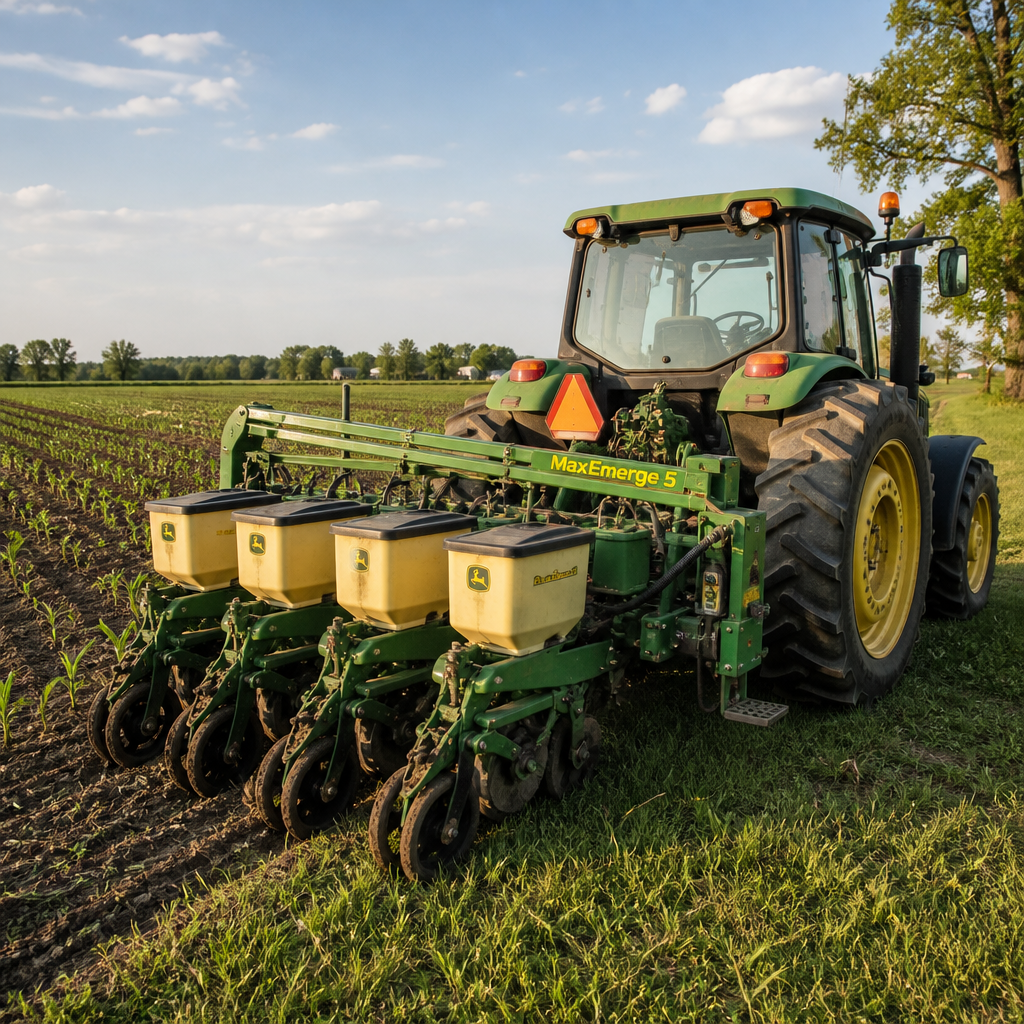
Compatibility with Tractors: Ensure the corn seeder is compatible with existing tractors or farming equipment. This can minimize additional investment and streamline operations. For more information on compatible models, check our Tractors page.

Ease of Maintenance: Opt for models designed with user-friendly maintenance features, such as easy access to parts and clear service guidelines.

Technology Integration: Some advanced seeders come equipped with GPS and precision agriculture technology, allowing for real-time monitoring and adjustments during planting.

Customization Options: Suppliers often provide customization options based on specific farming needs, such as row width and seeding rates.

Understanding these features will help buyers make informed decisions that align with their operational requirements.

Frequently Asked Questions

What types of corn seeders do you offer?

We supply tractor-mounted and tow-behind corn seeders with single or multi-row options, adjustable row spacing, and seed metering suitable for small to large farms.
Yes. Our corn seeders meet CE and ISO 9001 quality standards and are manufactured under strict quality controls.
Yes. We provide tailored configurations including row spacing, hopper capacity, metering systems, and optional fertilizer applicators based on farm needs.
We offer lifecycle support, spare parts supply, technical guidance, and a manufacturer warranty. Details are provided per model and regional distributor.
Select based on field size, tractor power, desired row count, and seeding rate. Contact our sales team with farm specs for a recommended model.

Get a Free Quote

Our representative will contact you soon.
0/1000