Choosing the Right Farm Equipment Tools

application/farm-equipment-tools, application/farm-equipment-tools, 
Inquiry
Inquiry

farm equipment tools

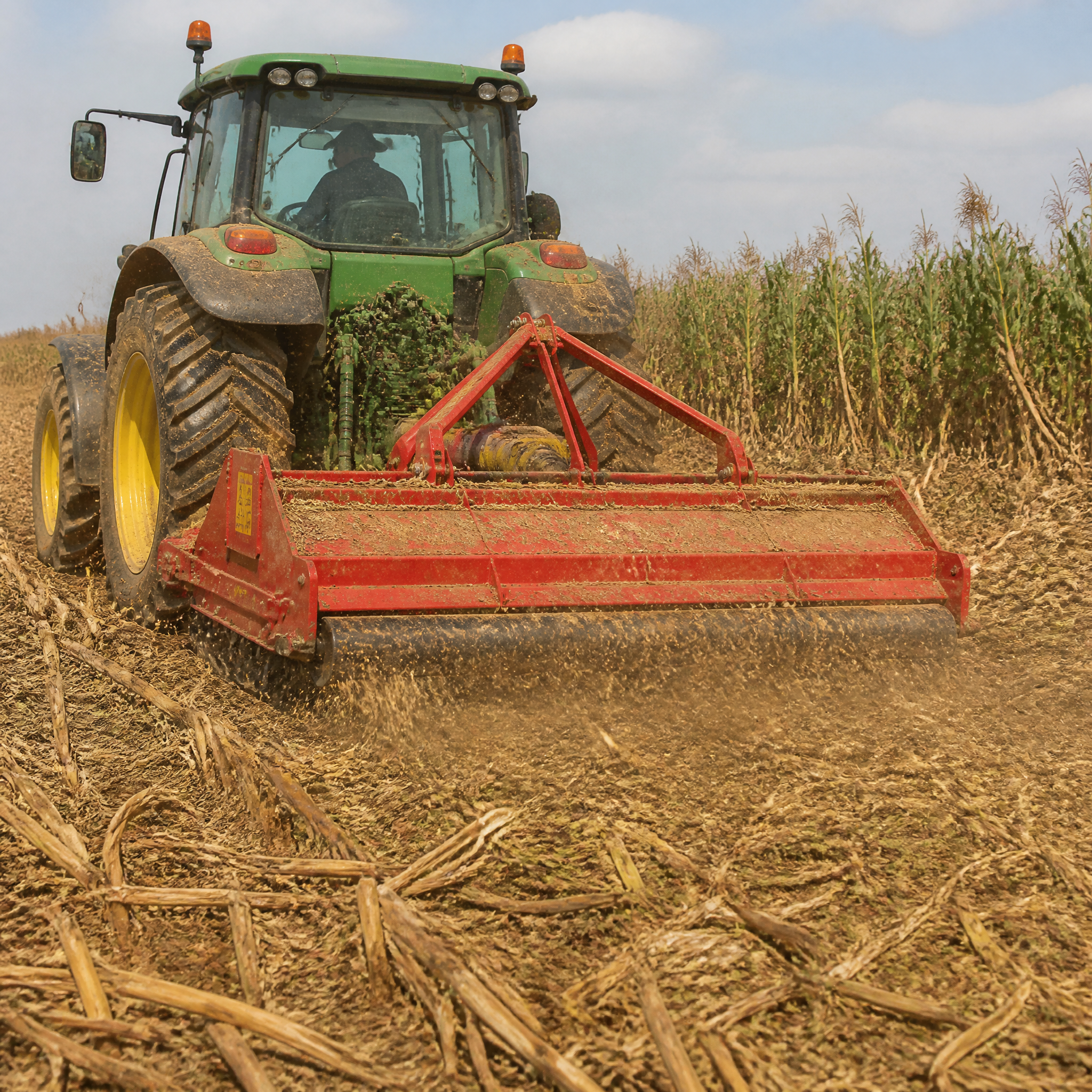
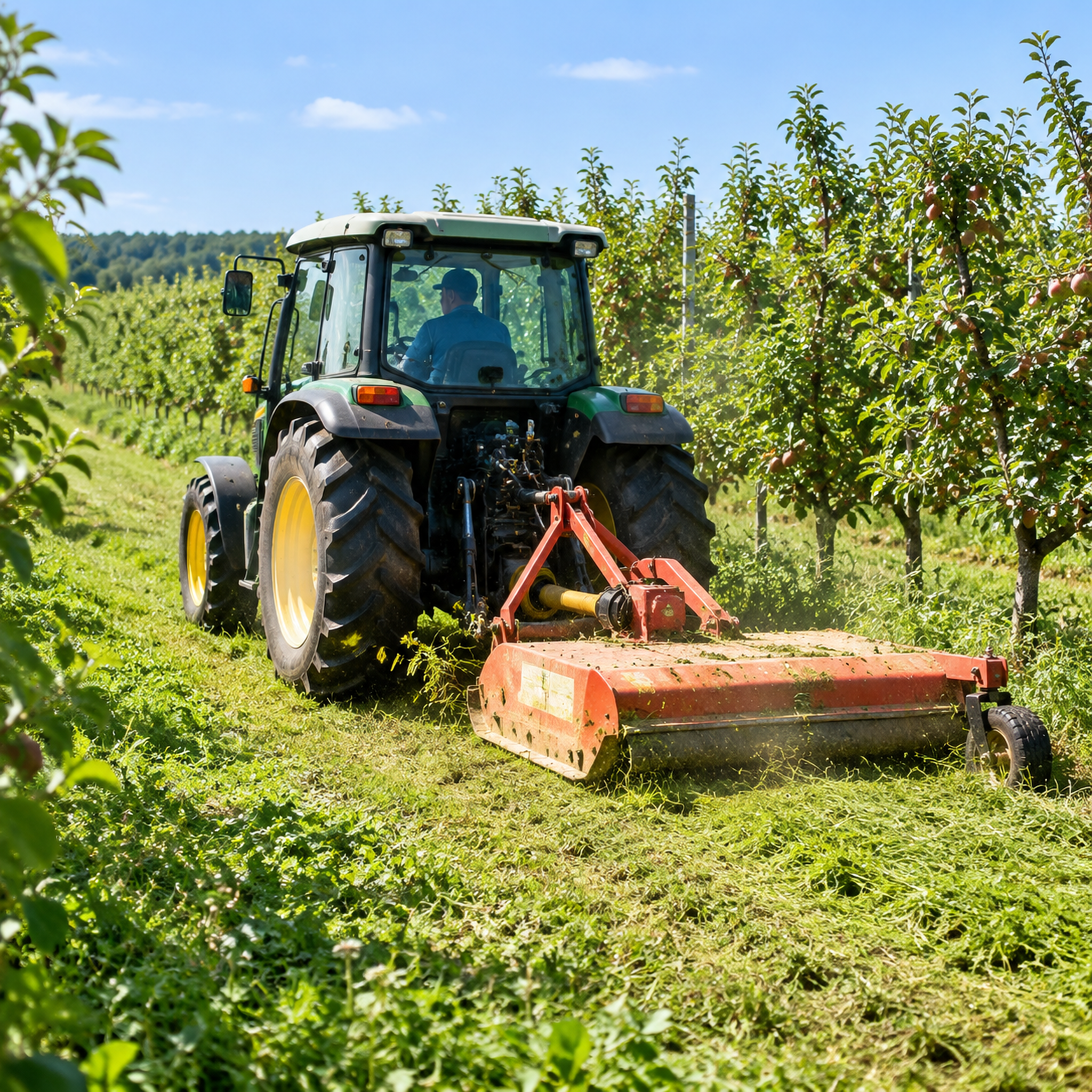
Choosing the right farm equipment tools is a critical decision for agricultural businesses, impacting efficiency, productivity, and overall operational success. Farm equipment tools encompass a variety of machinery designed for tillage, seeding, irrigation, and harvesting, each tailored to meet specific farming needs. As a B2B buyer, your main concerns may include the equipment's durability, compatibility with existing systems, and the total cost of ownership. This article provides insights into selecting, sourcing, and utilizing farm equipment tools, helping you make informed purchasing decisions.

Where to Find Reliable Suppliers for Agricultural Machinery

Where to Find Reliable Suppliers for Agricultural Machinery

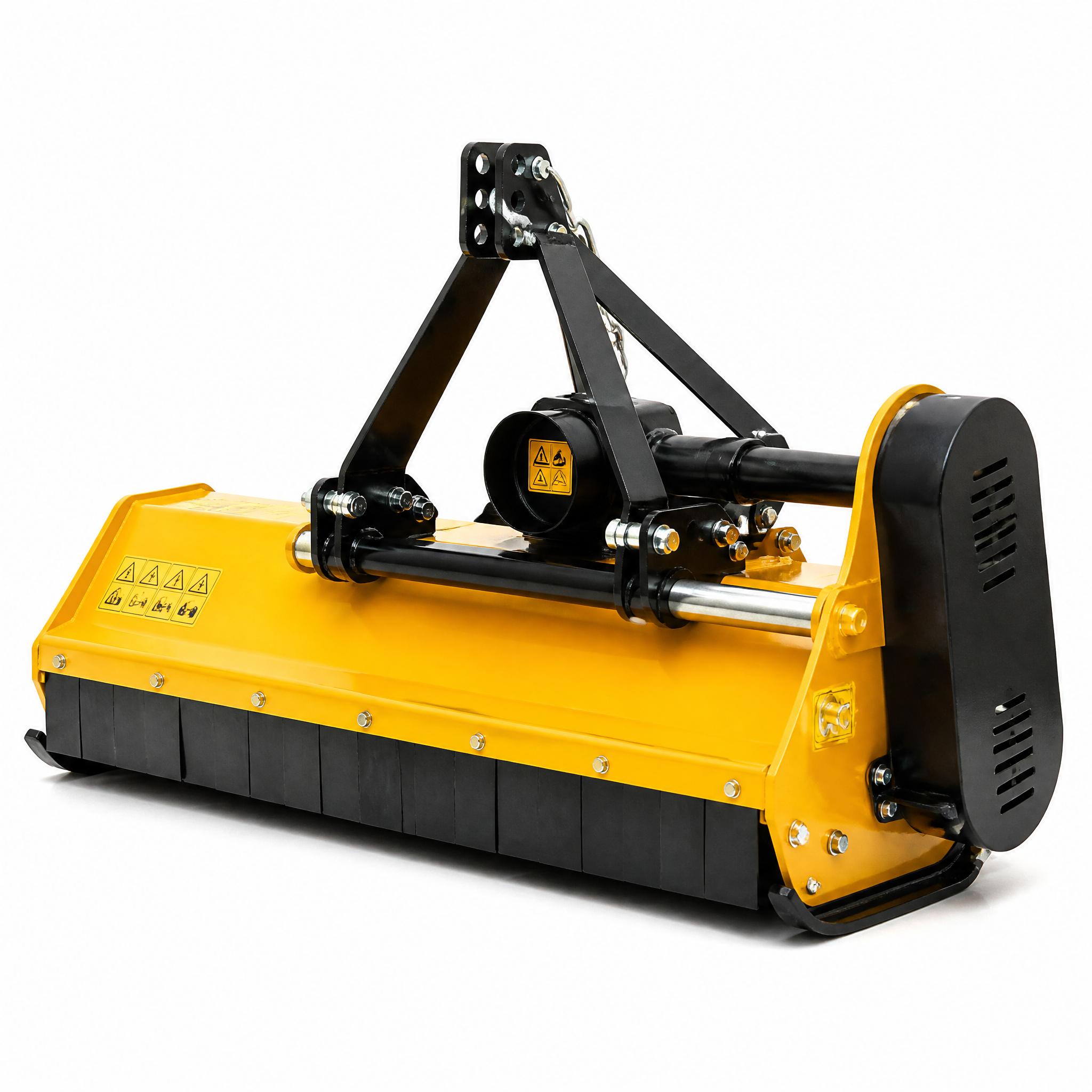
When sourcing farm equipment tools, several factors should be prioritized to ensure that you're making a sound investment. Start by evaluating the supplier’s experience and reputation in the industry. A seasoned manufacturer like Agripros, which supplies agricultural machinery to over 40 countries, is likely to provide valuable insights and reliable support.

Next, consider the materials used in the equipment's construction. High-quality materials enhance durability and performance, reducing the risk of breakdowns during critical periods. Additionally, inquire about the production techniques employed, as advanced manufacturing processes can contribute to the longevity and efficiency of the tools, such as the Grain Crusher 3 kW Electric Mill for Poultry Feed Milling.

It's also essential to assess customization options. Many agricultural operations require specific configurations or features tailored to their unique needs. Confirming a supplier's ability to customize equipment can significantly enhance operational efficiency.

Finally, evaluate the total cost of ownership, including purchase price, maintenance expenses, and potential downtime. Understanding these factors will lead to better budget management and informed purchasing decisions.

Common Problems with Farm Equipment and Effective Solutions

Common Problems with Farm Equipment and Effective Solutions

Cost factors for bulk orders of farm equipment tools can vary significantly based on several variables. First, the order quantity plays a crucial role; larger orders typically benefit from economies of scale, which can reduce the per-unit cost. However, be mindful of your storage capabilities and ensure that you can accommodate the quantities ordered.

Next, consider the specifications of the equipment. Customized tools may incur additional costs due to the complexity of manufacturing. For instance, specialized attachments or enhanced durability features can increase the initial investment but may lead to lower maintenance costs in the long run.

Transportation and logistics are also vital cost considerations. Discuss shipping options with suppliers to find the most cost-effective solutions, as delivery distances and methods can impact overall expenses. Lastly, always factor in potential tariffs or import duties if sourcing from international suppliers.

Installation Guidance for Optimal Use of Agricultural Machinery

Installation Guidance for Optimal Use of Agricultural Machinery

Proper installation is critical for the efficient use of farm equipment tools. Before installation, thoroughly review the manufacturer’s guidelines and ensure all components are included. Key factors to consider during installation include:

Site Preparation: Ensure the installation site is adequately prepared, with the necessary infrastructure in place, such as electrical connections and sufficient space for operation.

Calibration: Many farm tools require calibration to function correctly. This step ensures that the equipment operates within the specified parameters, improving performance and reducing wear.

Training: Provide training for operators to familiarize them with the equipment's features and functionalities. Well-trained personnel can maximize the efficiency of the tools, leading to better crop yields.

Regular Maintenance: Establish a maintenance schedule to inspect and service the equipment periodically. This proactive approach can help identify issues before they escalate, ensuring that your tools remain in optimal working condition.

Comparing Different Types of Farm Equipment Tools for Your Projects

Farm equipment tools can encounter various issues that may hinder their performance. Understanding these common problems and their solutions is essential for maintaining operational efficiency.

Mechanical Failures: Equipment breakdowns can result from inadequate maintenance or wear and tear. Regular inspections and adhering to the manufacturer’s maintenance schedule can mitigate this risk. Keep spare parts on hand for quick replacements when necessary.

Compatibility Issues: New tools must be compatible with existing machinery. Before purchasing, verify that your current systems can integrate seamlessly with any new equipment. If necessary, consult with the supplier for advice on compatibility.

Operator Error: Misuse or improper handling can lead to inefficiencies and damage. Providing thorough training for all operators can significantly reduce the likelihood of errors. Consider implementing a checklist for pre-operation inspections to ensure everything is functioning correctly.

Environmental Factors: Weather conditions can impact equipment performance. For example, excessive moisture can lead to rust and corrosion. Ensure that tools are stored in dry, sheltered areas when not in use and consider using protective coatings to enhance durability. Tools like the Diesel Multicrop Grain Thresher with Double Fan for Farms can help mitigate some of these challenges.

By addressing these common challenges proactively, you can extend the lifespan of your farm equipment tools and improve productivity on your farm or agricultural operation.

How to Evaluate the Quality of Agricultural Machinery Products

Selecting the appropriate farm equipment tools requires a comprehensive understanding of your operational needs. Begin by assessing the specific tasks your equipment must perform, whether it’s soil preparation, planting, watering, or harvesting. Consider the scale of your operations; larger farms may require more robust, high-capacity machinery, such as the 8-25HP Diesel Walk Behind Tractor Water-Cooled Hand Start Farm Tractor, to optimize output.

Next, focus on the type of crops you are cultivating, as different crops may necessitate specialized tools. For instance, row crop planters differ from those suited for grain crops. Understanding the soil conditions and climate of your operational area is also essential. Tools must be compatible with local terrain and weather conditions to achieve optimal results.

Lastly, evaluate the equipment's manufacturer. Choose suppliers with relevant certifications, such as CE and ISO 9001, which indicate adherence to quality and safety standards. This assurance is vital for the reliability of your tools and overall farm productivity.

Frequently Asked Questions

What types of farm equipment tools do you offer?

We supply machinery for tillage, seeding, irrigation and harvesting, including implements and attachments tailored to crop and soil needs.
Yes. Our equipment is CE certified and manufactured under ISO 9001 quality management standards.
Yes. We offer tailored, lifecycle-based solutions matched to farm size, crop type and local conditions.
We supply spare parts and offer technical support, maintenance guidance and replacement options to maximize equipment uptime.
We support farms and plantations in over 40 countries. Contact our sales team via the company website or provided regional contact channels for pricing and lead times.

Get a Free Quote

Our representative will contact you soon.
0/1000