Choosing the Right Farm Tractors for Your Needs

application/farm-tractors, application/farm-tractors, 
Inquiry
Inquiry

farm tractors

When selecting farm tractors for agricultural operations, understanding their specifications, applications, and potential issues is crucial. Farm tractors serve as the backbone of many farming activities, from tillage to harvesting. As a B2B buyer, your primary concerns may include performance, reliability, cost-effectiveness, and suitability for your specific agricultural needs. This article will guide you through essential factors to consider when choosing farm tractors, understanding cost implications, addressing common problems, exploring their various applications, and comparing different types to make an informed purchasing decision.

Understanding Cost Factors in Bulk Orders of Farm Tractors

Understanding Cost Factors in Bulk Orders of Farm Tractors

When ordering farm tractors in bulk, several cost factors come into play. The initial purchase price is just one aspect; buyers should also consider shipping costs, taxes, and potential tariffs, especially when importing from overseas suppliers. Bulk orders may offer discounts, but it's essential to evaluate the terms and conditions associated with these discounts.

Another cost consideration is maintenance. Tractors require regular upkeep, including oil changes, filter replacements, and tire maintenance. A tractor with higher reliability and lower maintenance needs may reduce long-term operational costs. Additionally, warranty options can impact overall costs; a more extended warranty may represent a higher upfront cost but can provide peace of mind and reduce unexpected expenses down the line.

Lastly, consider financing options. Many suppliers offer financing plans that can help spread the cost over time, making it easier to manage cash flow while acquiring the necessary equipment for your agricultural operations.

Common Problems with Farm Tractors and Effective Solutions

Common Problems with Farm Tractors and Effective Solutions

Farm tractors, like any machinery, can encounter issues that affect performance. Common problems include engine overheating, hydraulic system failures, and transmission issues. Overheating can often be traced back to coolant leaks, a malfunctioning radiator, or blocked air intakes. Regular maintenance, including checking coolant levels and cleaning radiators, can mitigate this issue.

Hydraulic system failures can manifest as slow or unresponsive hydraulic functions. This may stem from low hydraulic fluid levels or air trapped in the system. Ensuring that the correct hydraulic fluid is used and regularly checking fluid levels can help prevent these issues.

Transmission problems often arise from improper use or lack of maintenance. Regularly checking transmission fluid levels and ensuring the correct type of fluid is used can prolong the life of the transmission. Additionally, buyers should ensure operators are trained in proper usage to avoid common pitfalls.

Applications of Farm Tractors in Various Agricultural Projects

Applications of Farm Tractors in Various Agricultural Projects

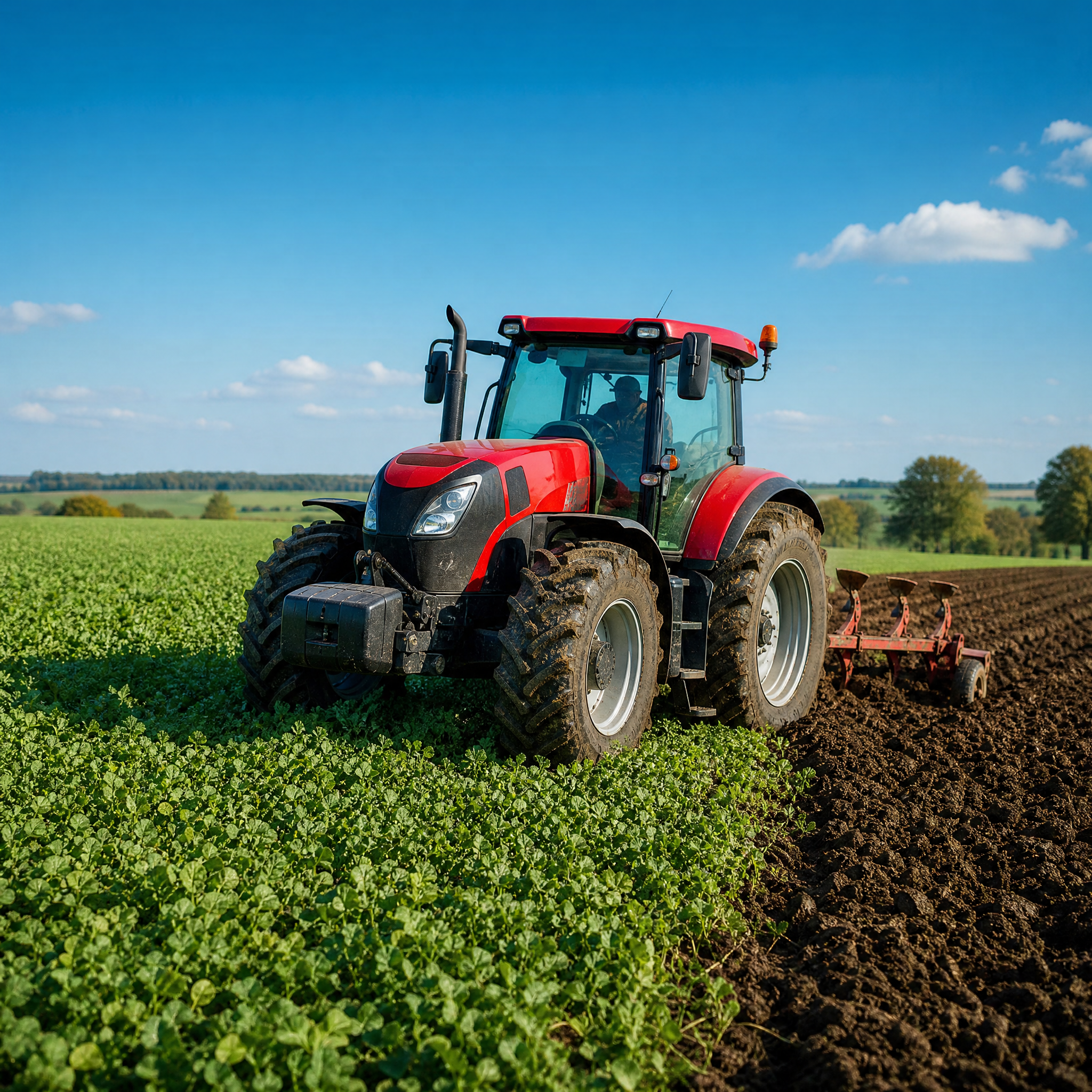
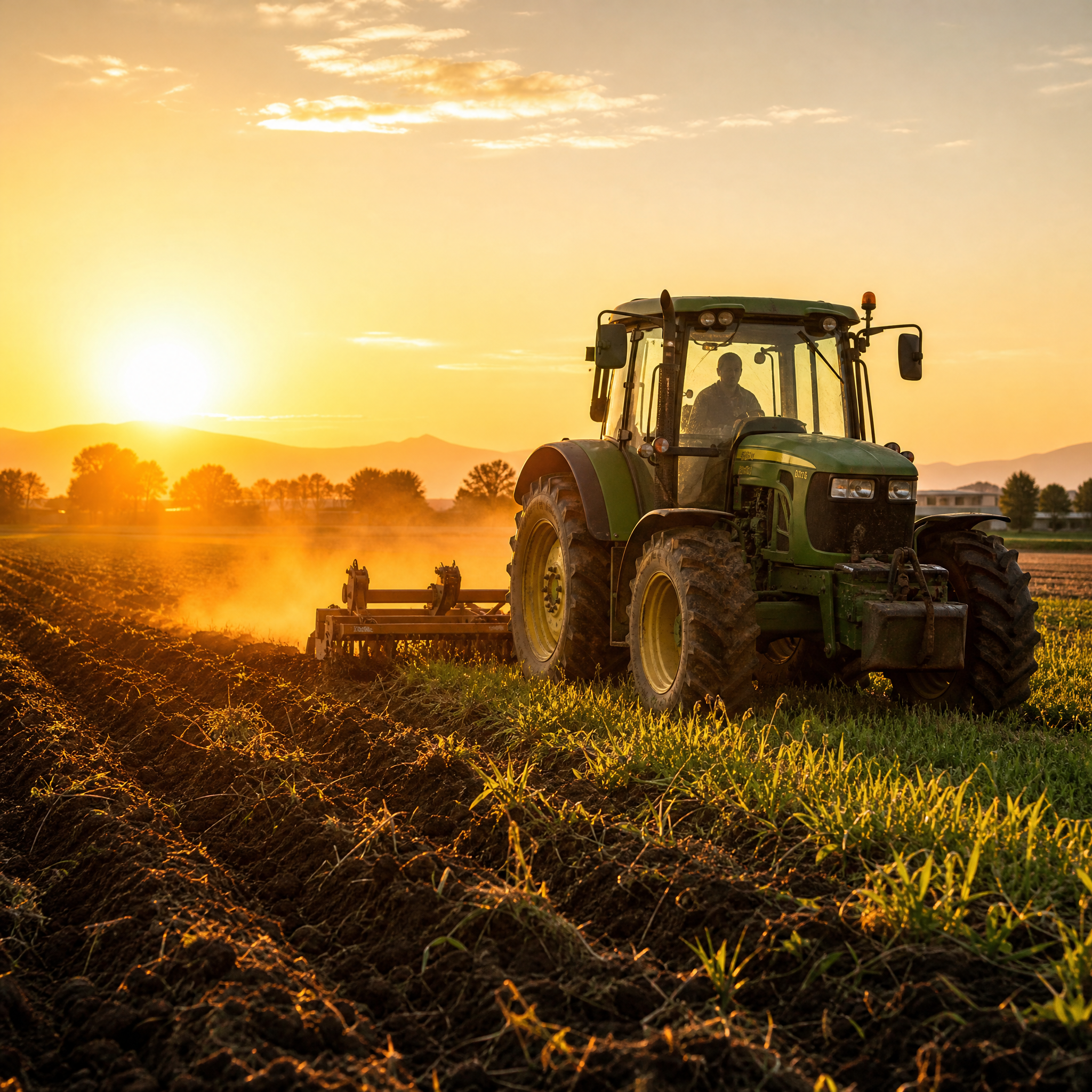
Farm tractors are versatile machines used in various agricultural applications. They are primarily known for their role in tillage, where they prepare the soil for planting by breaking up and aerating it. Tractors are also integral to seeding operations, enabling farmers to plant crops efficiently and at the right depth.

In addition to tillage and seeding, farm tractors are essential for irrigation and harvesting. They can be equipped with different attachments, such as seeders, plows, and harvesters, to facilitate these tasks. For instance, a tractor fitted with a water tank can assist in irrigation, ensuring crops receive adequate moisture. This can be achieved using the Gasoline Water Pump 2-4 Inch Self-Priming for Irrigation.

Moreover, tractors play a crucial role in transporting goods around the farm. Whether moving harvested crops or transporting materials to and from the field, tractors enhance operational efficiency, allowing farmers to maximize productivity.

Comparing Different Types of Farm Tractors for Your Projects

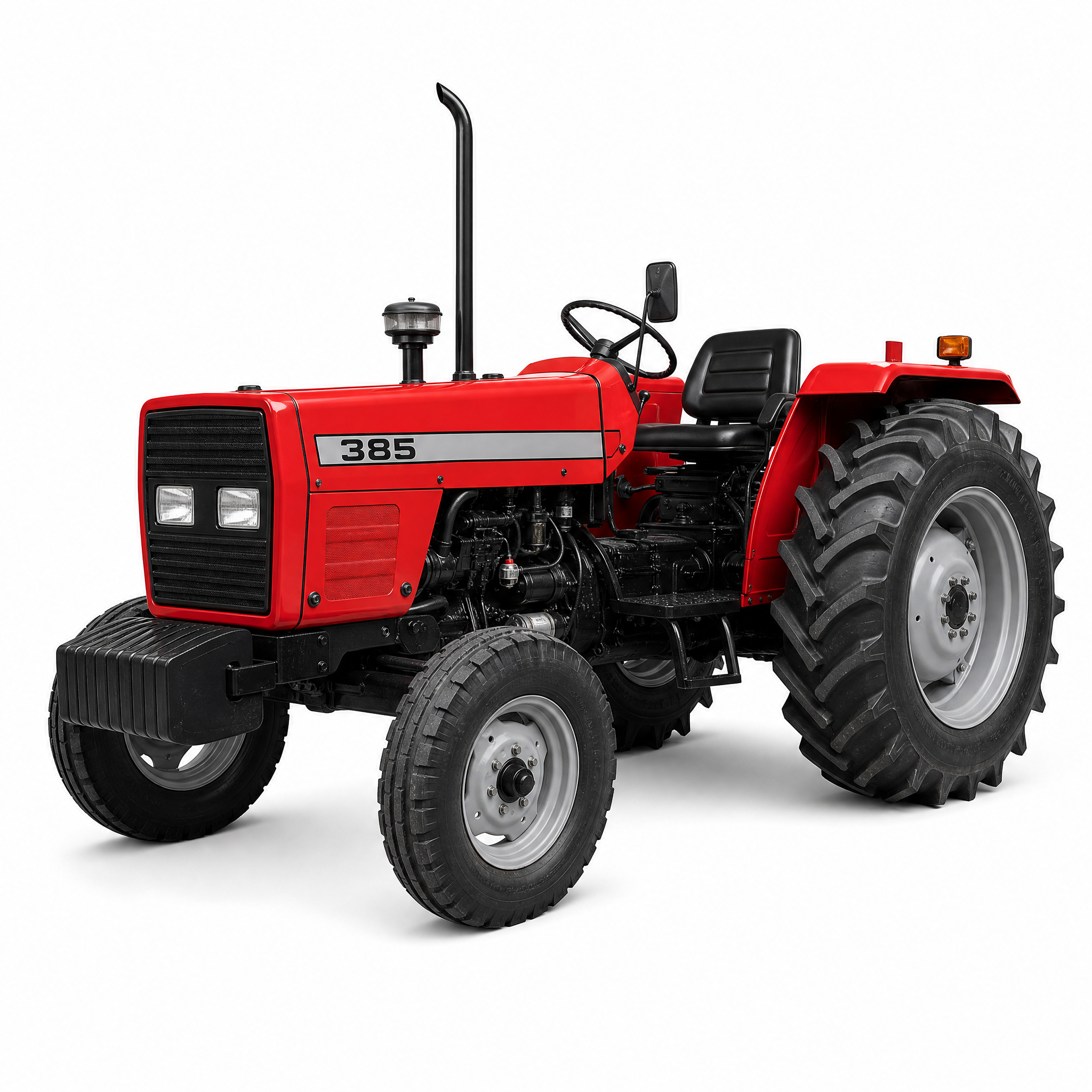
When comparing different types of farm tractors, consider the various models available and their suitability for specific tasks. Tractors can be categorized based on size and purpose: utility tractors, row crop tractors, and garden tractors, among others.

Utility tractors are versatile and suitable for a wide range of tasks, making them ideal for general farming operations. They typically have a moderate horsepower range and can be equipped with various attachments.

Row crop tractors are specifically designed for cultivating row crops. They often feature narrower widths to allow for closer spacing between rows and may have adjustable wheel widths for versatility. These tractors excel in tasks requiring precision, such as planting and cultivating.

Garden tractors, on the other hand, are smaller and typically used for residential or smaller-scale agricultural tasks. They are most suitable for landscaping, mowing, and light-duty tasks, lacking the power or durability needed for larger agricultural projects.

When selecting a tractor, evaluate your specific needs against the type of tractor available, considering factors such as horsepower, size, and compatibility with necessary attachments. This thorough comparison will help ensure you invest in the most suitable equipment for your agricultural projects.

Understanding the nuances of farm tractors is essential for making informed purchasing decisions. By evaluating the right specifications, considering cost factors, being aware of common problems, and comparing different types, you can select the ideal tractor for your agricultural operations.

Choosing the Right Farm Tractors for Your Wholesale Needs

Selecting the right farm tractor involves evaluating several factors that align with your agricultural requirements. Key specifications include engine power, weight, and transmission type. Engine power, typically measured in horsepower (HP), affects the tractor's ability to perform various tasks such as plowing, seeding, and hauling loads. A tractor with 40 to 100 HP is generally suitable for small to medium-sized farms, while larger operations may require tractors with over 100 HP. For instance, the 8-25HP Diesel Walk Behind Tractor Water-Cooled Hand Start Farm Tractor is a great option for those looking for reliable power.

Weight is another critical consideration; it affects traction and stability. Heavier tractors perform better in wet or uneven conditions, while lighter models may be more suitable for smaller fields or less demanding tasks. Additionally, the transmission type—be it manual, semi-automatic, or automatic—can impact ease of use and efficiency. Buyers should also consider features such as four-wheel drive for improved traction and maneuverability in challenging terrains.

Lastly, assess your operational needs, such as the type of crops grown, the scale of farming activities, and any specific attachments required, such as plows, seeders, or harvesters. This tailored approach ensures you choose a tractor that meets your operational demands effectively. For example, Grain Feed Ingredient Mixer – 500-5000L Crusher & Blender is an essential attachment for mixing feed with precision.

Get a Free Quote

Our representative will contact you soon.
0/1000