Choosing the Right Farm Tools for Agriculture

application/farm-tools, application/farm-tools, 
Inquiry
Inquiry

farm tools

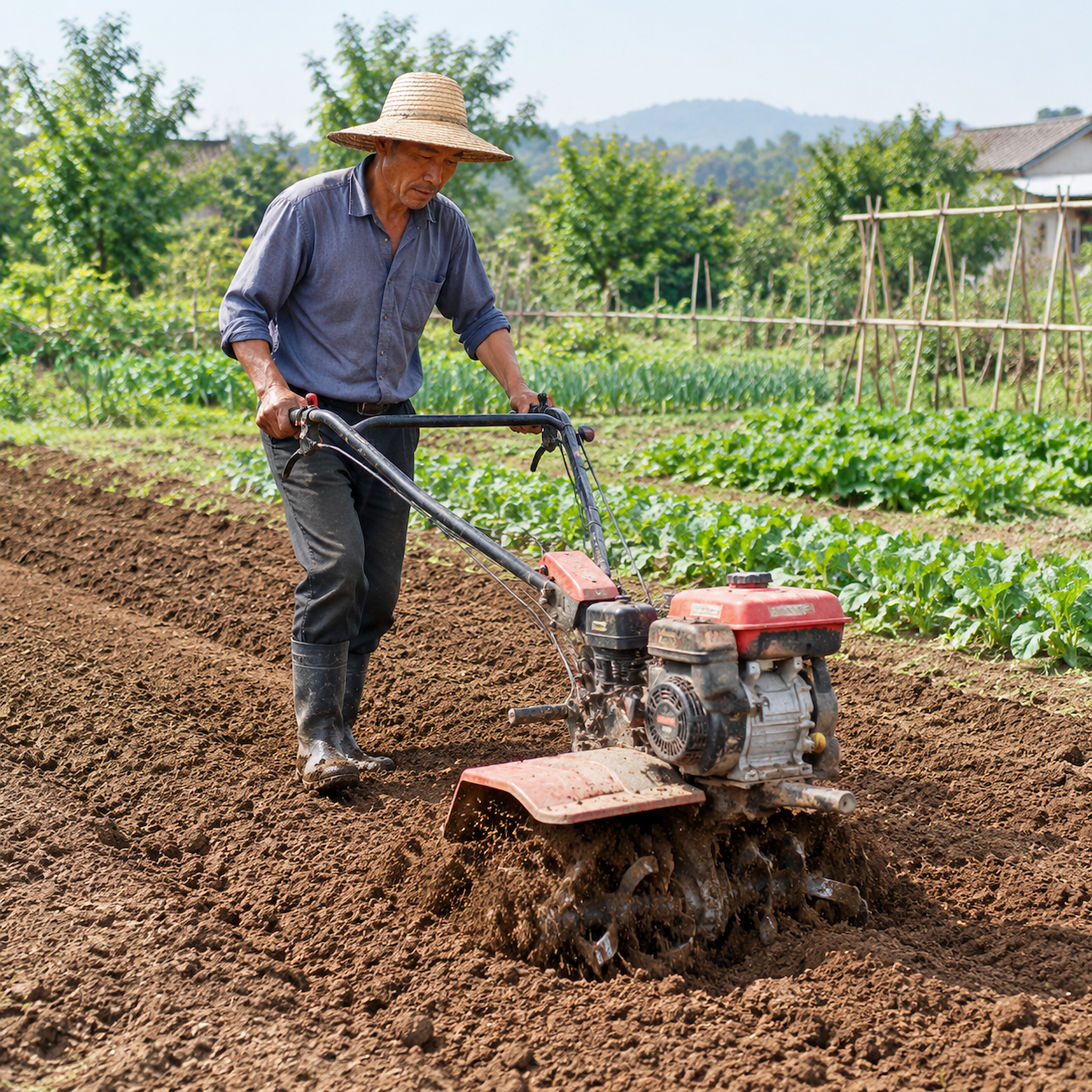
Farm tools are essential equipment in the agricultural sector, enabling farmers to perform various tasks such as tillage, seeding, irrigation, and harvesting with efficiency and precision. Selecting the right farm tools is crucial for optimizing productivity and ensuring the longevity of crops. As a B2B buyer—whether a purchasing manager, distributor, or engineer—you may have specific concerns regarding product selection, quality, cost, and supplier reliability. This article will help you navigate these considerations, providing insights into choosing the best farm tools for your agricultural needs.

Key Specifications to Look for in Quality Farm Tools

Key Specifications to Look for in Quality Farm Tools

When investing in farm tools, understanding key specifications is vital for ensuring quality and performance. Here are some critical specifications to consider:

Material: The material used in manufacturing farm tools directly affects their durability and effectiveness. High-quality steel is often preferred for its strength and resistance to wear. Look for tools that are rust-resistant or coated to withstand harsh weather conditions.

Dimensions: The size and dimensions of the tools should align with the intended applications. For instance, the width of a plow or harrow should match the rows of crops being cultivated to ensure efficient tillage.

Weight: Heavier tools may provide better stability during operations, while lighter tools can enhance maneuverability. Understanding the weight distribution can help you choose tools that are easy to handle without sacrificing performance.

Ergonomics: Tools should be designed for comfort and ease of use, especially for tasks that require prolonged periods of operation. Ergonomic handles and balanced designs can reduce operator fatigue.

Certifications: Look for tools that have CE and ISO 9001 certifications, as these indicate adherence to international quality standards. These certifications can provide assurance of the tool's reliability and safety.

Evaluating these specifications will help you select farm tools that meet your operational needs while ensuring quality and durability.

Understanding the Cost Factors of Farm Tools for Buyers

Understanding the Cost Factors of Farm Tools for Buyers

The cost of farm tools can vary significantly based on several factors. Understanding these factors can help you make informed purchasing decisions:

Material Quality: Higher-quality materials typically come with a higher price tag but offer better durability and performance. Investing in quality can reduce replacement costs over time.

Manufacturing Processes: Tools that undergo advanced manufacturing processes may cost more but can provide superior performance and longevity. For instance, tools made using precision engineering techniques often have tighter tolerances and better fit.

Customization: Customized farm tools tailored to specific farming needs may incur additional costs. However, these tools can enhance efficiency and effectiveness in the long run.

Brand Reputation: Established brands with a history of quality may charge premium prices. Consider the long-term value and support offered by reputable suppliers.

Bulk Purchases: Buying farm tools in bulk can often lead to cost savings. Be sure to discuss pricing options with suppliers for larger orders, as discounts may be available.

Understanding these cost factors will enable you to balance your budget with the quality and performance requirements of your farm tools.

Installation Guidance for Optimal Use of Your Farm Tools

Installation Guidance for Optimal Use of Your Farm Tools

Proper installation and setup of farm tools are crucial for achieving optimal performance. Here are some guidelines to consider:

Read Manufacturer Instructions: Always begin by reviewing the manufacturer's installation instructions. These guidelines are tailored to the specific tool and can provide valuable insights into proper setup.

Check Compatibility: Before installation, ensure that the farm tools are compatible with your existing equipment. Verify that connectors, mounts, or other attachment points align correctly.

Calibration: Some tools may require calibration to ensure they operate correctly. For example, seed drills may need to be adjusted for seed spacing and depth based on the specific crop being planted.

Safety Precautions: Follow safety protocols during installation, such as wearing appropriate protective gear and ensuring the equipment is powered down before making adjustments.

Testing: Once installed, conduct a test run to evaluate the performance of the tools. This helps identify any issues early on and allows for adjustments before full-scale operation.

By following these installation guidelines, you can maximize the efficiency and effectiveness of your farm tools.

Evaluating Supplier Reliability for Bulk Farm Tools Purchases

Choosing a reliable supplier for bulk farm tools purchases is critical to ensuring consistent quality and service. Here are some factors to consider when evaluating potential suppliers:

Reputation and Experience: Research the supplier's reputation in the industry. Look for reviews, testimonials, and case studies that demonstrate their experience and customer satisfaction.

Quality Assurance Practices: Inquire about the supplier's quality control processes. A reliable supplier should have well-defined quality assurance measures, including inspections and testing protocols.

Certifications: Verify that the supplier holds relevant certifications, such as CE and ISO 9001, which indicate compliance with international standards for quality and safety.

Customization Capabilities: If you require customized farm tools, assess the supplier's ability to meet specific requirements. A supplier with experience in customization can better address your unique needs.

Support and Service: Evaluate the level of customer support offered. Reliable suppliers should provide assistance during the purchasing process, installation, and after-sales service.

By carefully assessing these factors, you can select a supplier that not only offers quality farm tools but also supports your business's growth and operational efficiency. Additionally, consider incorporating tools like the Grain Crusher 3 kW Electric Mill for Poultry Feed Milling to enhance your farming operations.

Choosing the Right Farm Tools for Your Agricultural Needs

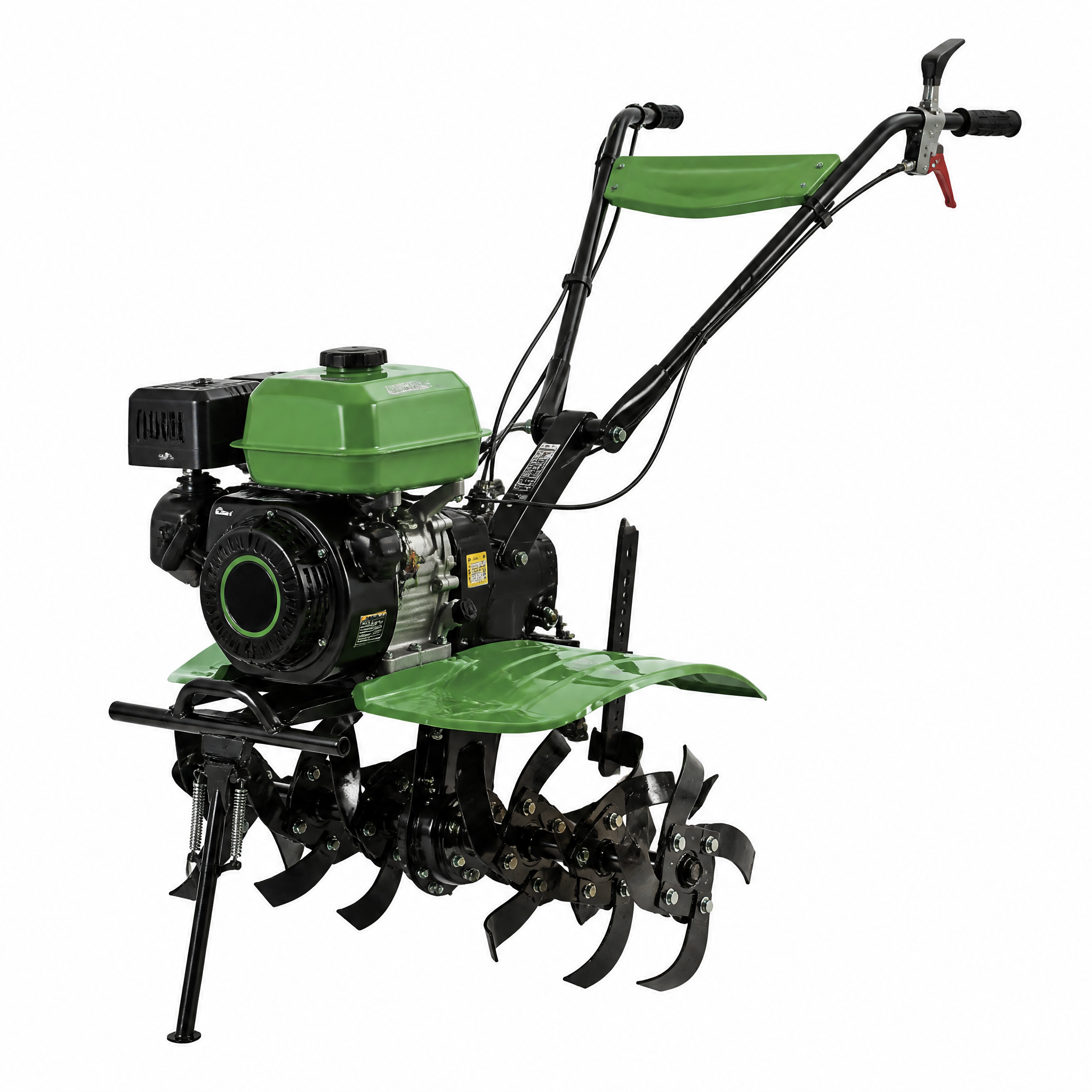
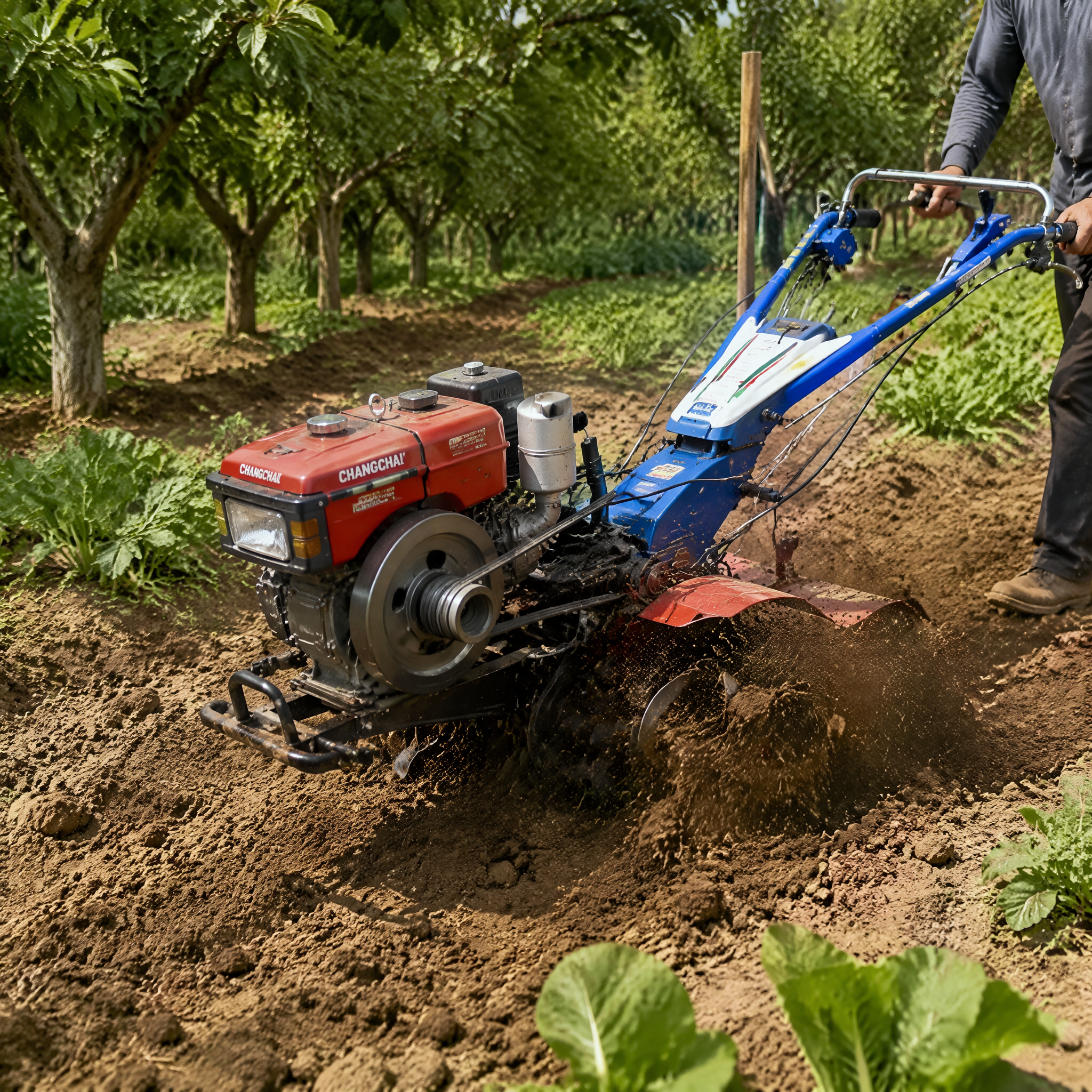
When selecting farm tools, it's essential to assess the specific requirements of your agricultural operations. Consider factors such as the type of crops being cultivated, the scale of your farming activities, and the specific tasks each tool will perform. For instance, tillage tools like plows and harrows are ideal for breaking up soil, while seeding tools like seed drills are designed for planting seeds at optimal depths and spacing. Additionally, tools like the 8-25HP Diesel Walk Behind Tractor Water-Cooled Hand Start Farm Tractor can enhance your farming efficiency.

Additionally, evaluate the compatibility of tools with existing equipment. For example, if your farm already uses tractors, ensure that the farm tools you choose can be easily attached or integrated. Furthermore, consider the local climate and soil conditions, as these factors can affect the performance and longevity of the tools.

Ultimately, the right farm tools should enhance efficiency, reduce operational costs, and support sustainable farming practices tailored to your unique agricultural environment.

Frequently Asked Questions

What types of farm tools do you supply?

We supply machinery for tillage, seeding, irrigation and harvesting, plus related implements and spare parts tailored to farm and plantation needs.
Yes. Our equipment is CE certified and manufactured under ISO 9001 quality management standards.
Yes. We offer tailored solutions based on farm size, crop type and lifecycle requirements to optimize performance and longevity.
Yes. We provide lifecycle-based support, spare parts and technical assistance to ensure reliable operation and maintenance.
We support farms and plantations across 40 countries, offering export, logistics coordination and local adaptation guidance.

Get a Free Quote

Our representative will contact you soon.
0/1000