Garden Plough: Applications and Common Issues

application/garden-plough, application/garden-plough, 
Inquiry
Inquiry

garden plough

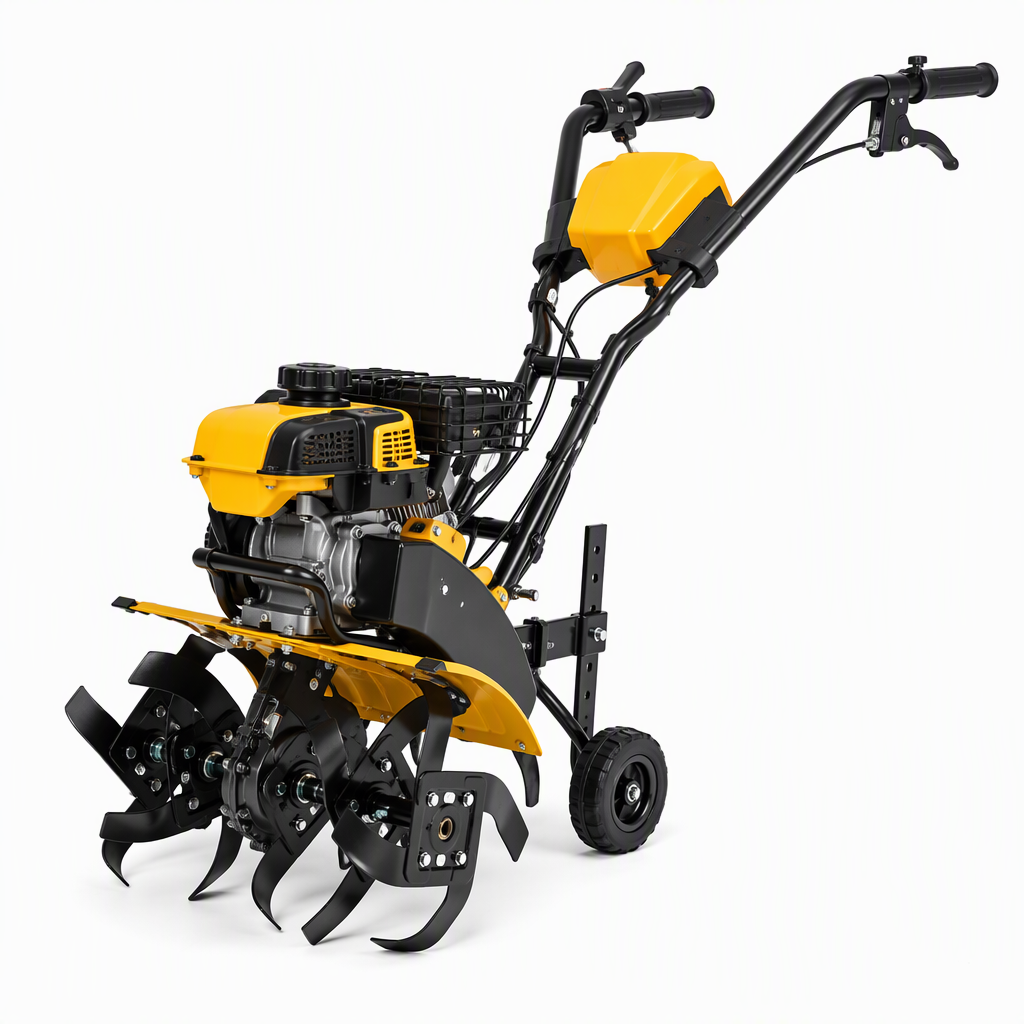
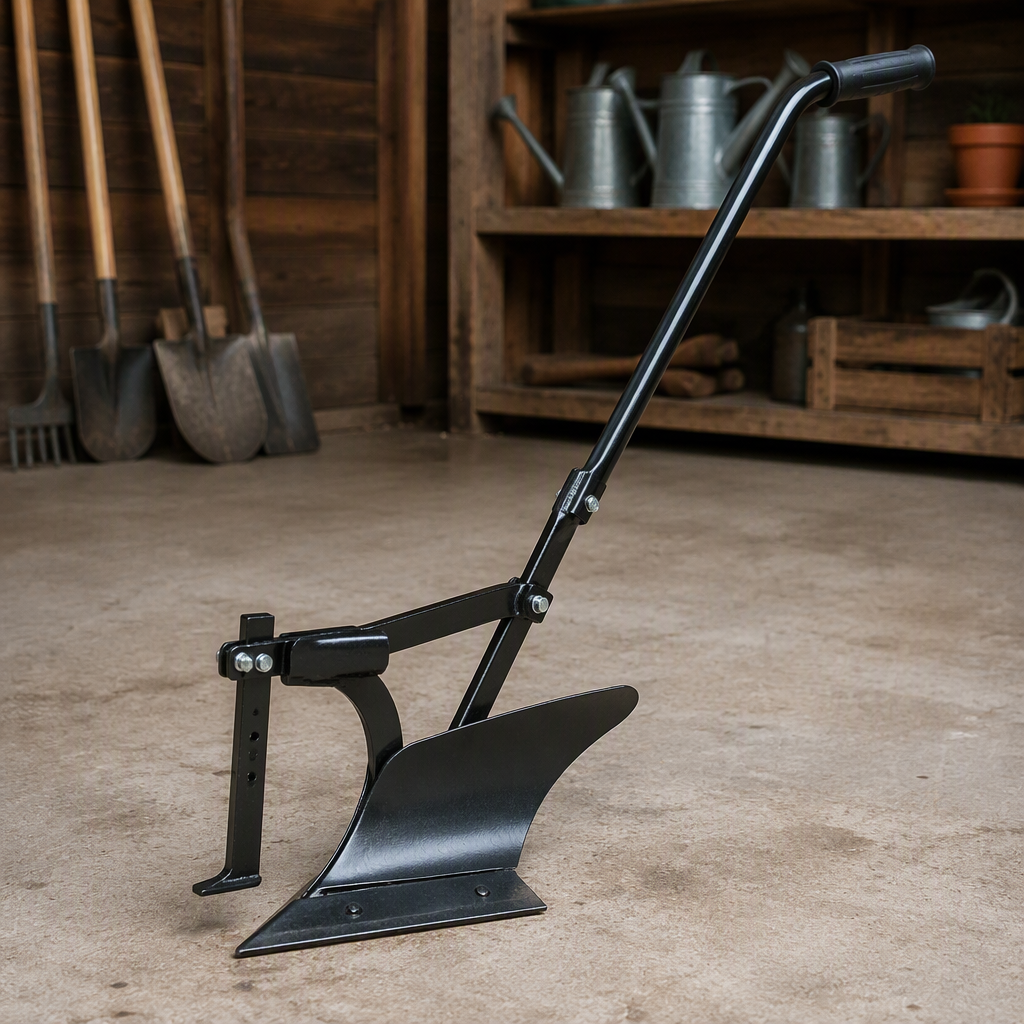
Garden ploughs are essential tools in modern agriculture, designed to prepare the soil for planting by loosening and turning it over. As agricultural machinery specialists, Agripros (Beijing Worldlink Commerce Co., Ltd.) understands the various concerns that purchasing managers and agricultural engineers face when selecting the right garden plough. This article will address common problems associated with garden ploughs, explore their applications in different agricultural settings, guide you to reliable suppliers, discuss cost factors for bulk purchasing, and review material advantages in construction.

Top Applications for Garden Ploughs in Various Agricultural Settings

Top Applications for Garden Ploughs in Various Agricultural Settings

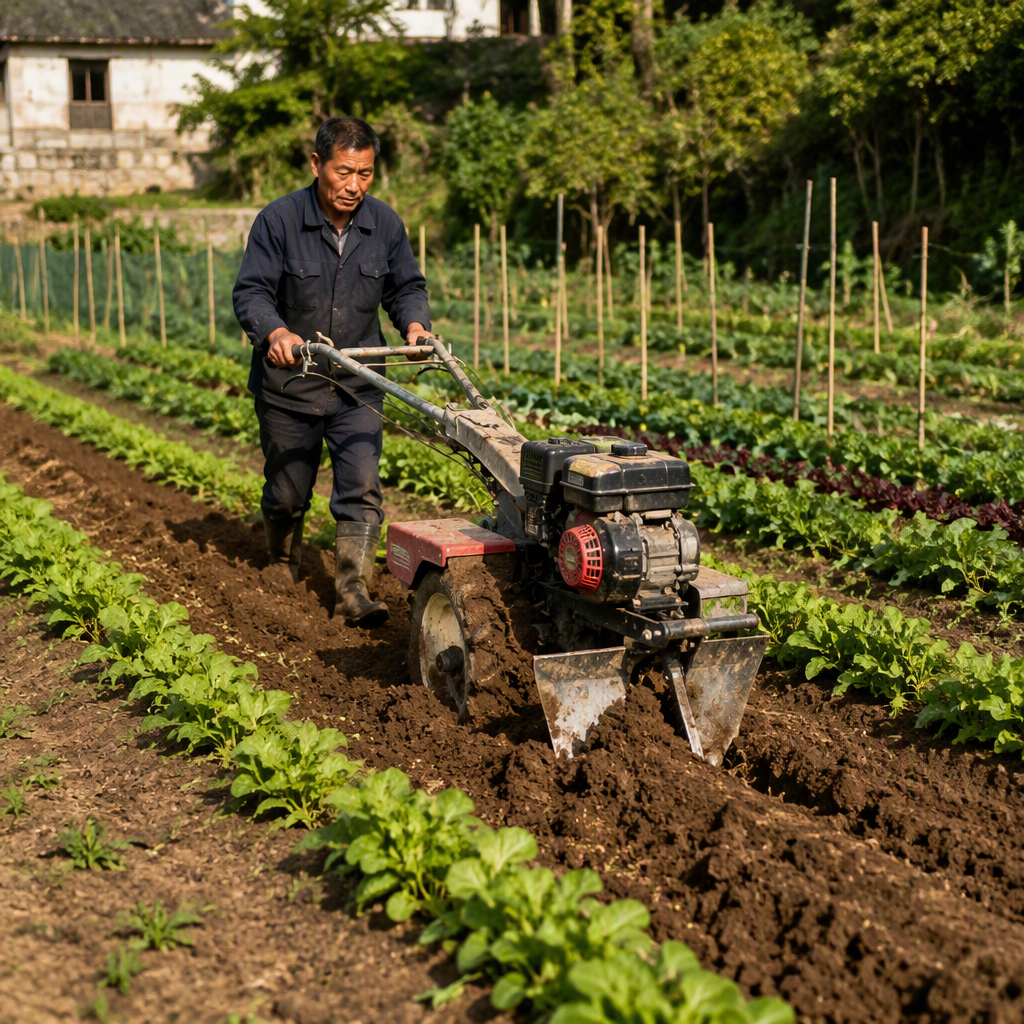
Garden ploughs find utility in several agricultural applications, ranging from small-scale gardens to extensive commercial farms. In home gardens and small farms, they are primarily used for preparing beds for planting vegetables, flowers, and herbs. Their compact design allows for easy maneuvering in tight spaces.

In larger agricultural settings, garden ploughs are vital for tilling soil before planting grains, legumes, and other crops. They help break up hardened soil, improve aeration, and incorporate organic materials, such as cover crops or compost, into the soil. This practice enhances soil fertility and promotes healthier plant growth. Irrigation Systems complement these practices by ensuring that crops receive adequate water supply, further boosting yield potential.

Additionally, garden ploughs are essential in sustainable farming practices, including conservation tillage. They help in minimizing soil disturbance while effectively managing crop residues. By choosing an appropriate plough for each specific application, farmers can optimize their soil management practices, ultimately leading to increased productivity and sustainability.

Where to Find Reliable Suppliers for Garden Ploughs

Where to Find Reliable Suppliers for Garden Ploughs

When searching for reliable suppliers of garden ploughs, it is advisable to consider manufacturers with a solid reputation in the agricultural machinery industry. Look for suppliers who have certifications such as ISO 9001, which indicates adherence to quality management standards. Agripros, for example, has a proven track record of supplying agricultural machinery to over 40 countries and is known for its tailored solutions.

Trade shows and agricultural expos can also be excellent venues for discovering reputable suppliers. These events provide opportunities to see products firsthand, meet representatives, and discuss potential customization options. Online platforms and industry directories can help narrow down suppliers based on product offerings and customer reviews.

Lastly, networking within industry-specific forums and groups can yield valuable recommendations for suppliers who specialize in garden ploughs. Engaging with other professionals in agriculture can provide insights into their experiences and preferences, guiding you toward reliable purchasing decisions.

Cost Factors to Consider When Purchasing Garden Ploughs in Bulk

Cost Factors to Consider When Purchasing Garden Ploughs in Bulk

When considering bulk purchases of garden ploughs, several cost factors come into play. Firstly, the type of plough, whether it’s a traditional moldboard plough or a more advanced rotary plough, will significantly influence the price. Advanced models may come with higher upfront costs but can provide better efficiency and durability, potentially leading to cost savings over time.

Another factor is the material used in construction. Ploughs made from high-grade steel may cost more initially but tend to have longer lifespans and lower maintenance needs. It's important to evaluate the total cost of ownership rather than just the initial purchase price.

Shipping and logistics should also be factored into the overall cost. Bulk orders often benefit from reduced shipping rates, but it's essential to confirm delivery timelines and potential tariffs for international shipments. Agripros can provide insights into shipping options to help manage these costs effectively.

Lastly, inquire about quantity discounts. Many suppliers offer reduced pricing for larger orders, making it beneficial to plan purchases strategically to maximize savings.

Understanding Material Advantages in Garden Plough Construction

The materials used in garden plough construction play a critical role in their performance and longevity. Steel is the most common material due to its strength and durability, but variations exist. High-carbon steel offers better resistance to wear and is often used for blades and share points, while low-carbon steel is more malleable but may wear out faster.

Additionally, some manufacturers apply coatings, such as powder coating or galvanization, to protect against rust and corrosion. This is particularly beneficial in regions with high moisture levels. When selecting a garden plough, consider the environmental conditions it will face and choose materials that are suited to those conditions.

Customizations, such as varying blade widths or shapes, can also be discussed with the manufacturer to meet specific agricultural needs. Agripros specializes in tailored solutions, allowing buyers to optimize their ploughs for different soil types and crop requirements.

Understanding these material advantages will empower buyers to make informed decisions that enhance the efficiency and lifespan of their garden ploughs, ultimately contributing to better agricultural outcomes.

Common Problems with Garden Ploughs and Effective Solutions

One of the primary challenges with garden ploughs is soil compaction. When not properly operated, ploughs can compact the soil rather than aerate it, leading to poor drainage and root growth. To mitigate this, it is crucial to select a plough with the right weight and design for the soil type. For instance, a heavier plough may be necessary for compacted clay soils, while lighter models work better in sandy soils.

Another common issue is wear and tear on plough components, particularly the blades and share points. Regular maintenance and timely replacement of these parts are essential to ensure efficiency and effectiveness. Buyers should consider ploughs with high-quality, durable materials that can withstand harsh conditions and extended use. Agripros emphasizes the importance of selecting components that are compatible with local soil conditions to reduce maintenance needs and prolong the plough's lifespan. Additionally, choosing the right Processing Machines can significantly enhance overall performance.

Lastly, improper depth adjustment can lead to uneven tilling. Users should familiarize themselves with the plough's depth settings and adjust them according to the specific requirements of the crop being planted. This ensures optimal soil preparation and can significantly improve crop yields.

Get a Free Quote

Our representative will contact you soon.
0/1000