Cost Factors in Sourcing Agricultural Ploughs

application/agricultural-plough, application/agricultural-plough, 
Inquiry
Inquiry

agricultural plough

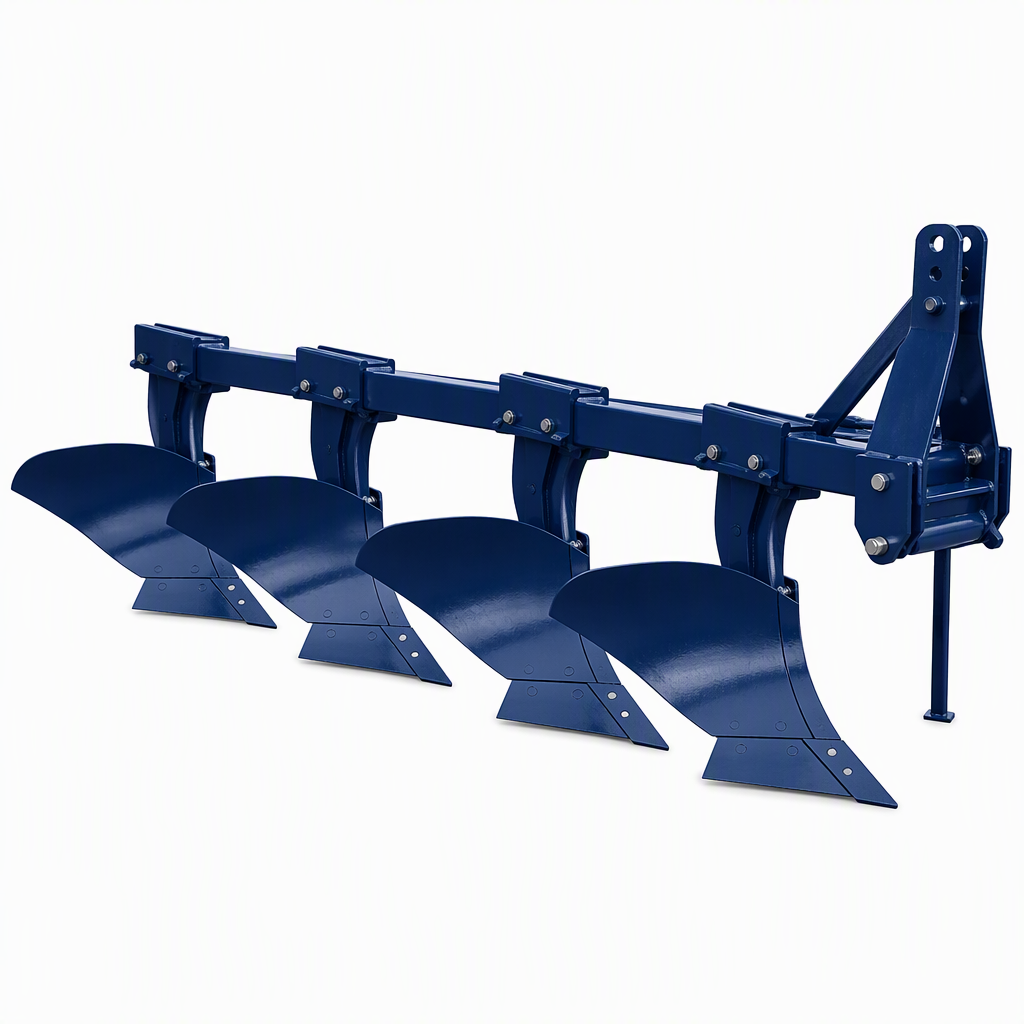
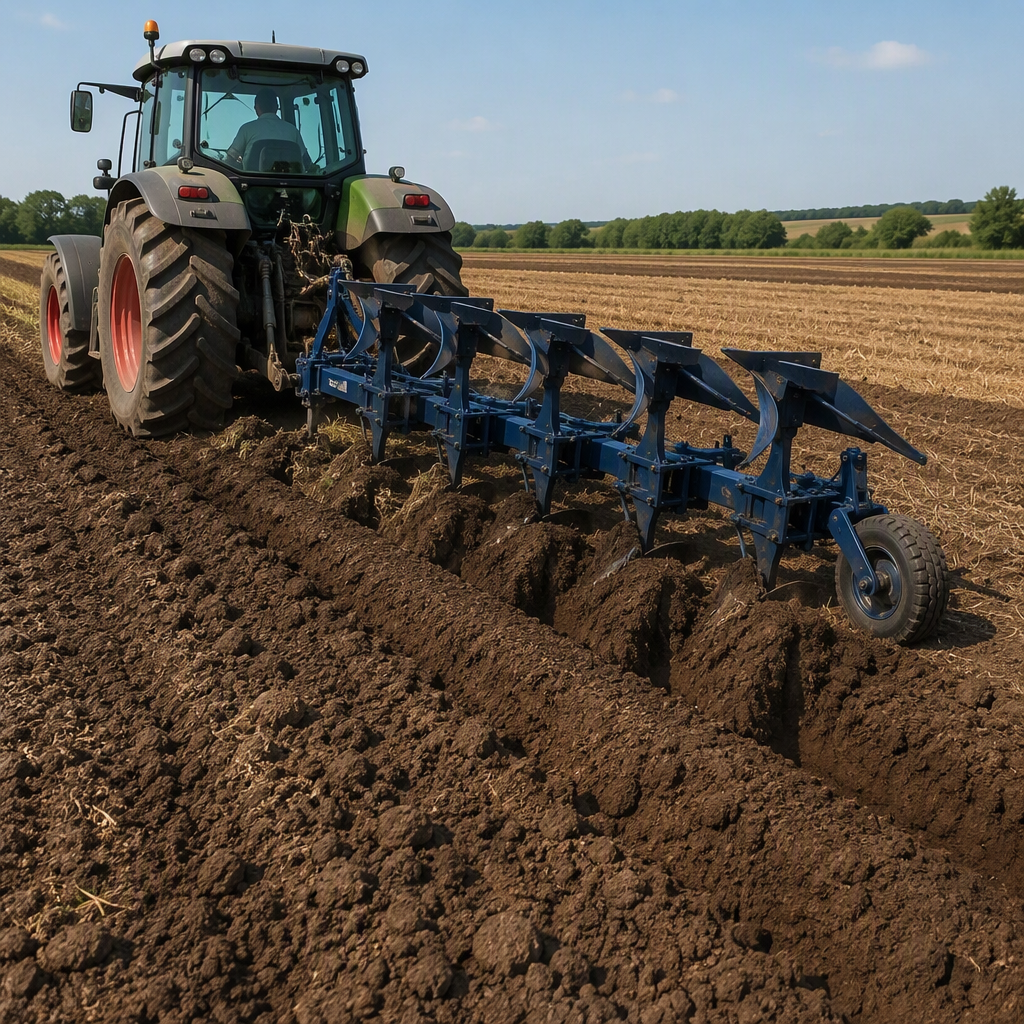
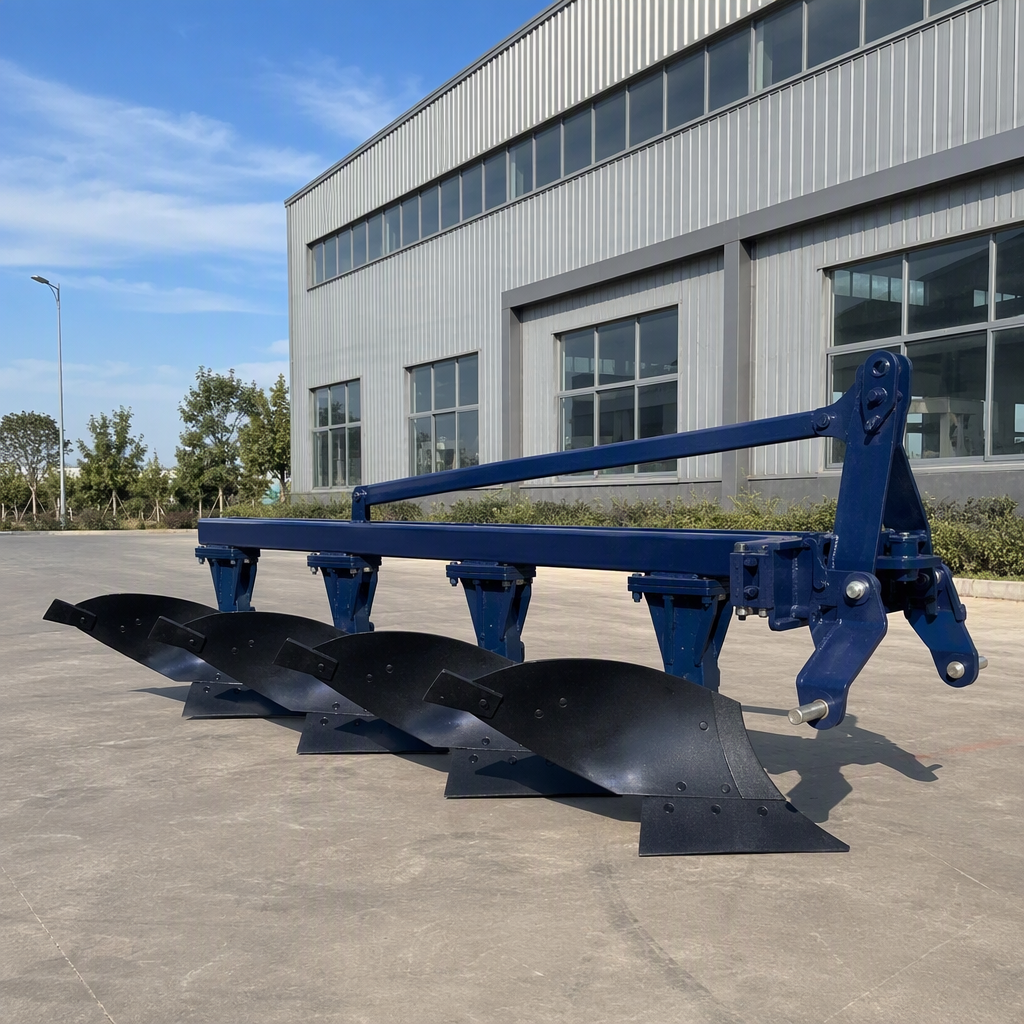
Agricultural ploughs are essential equipment for effective tillage in modern farming. They help prepare the soil for planting by turning it over and aerating it, which is crucial for healthy crop growth. For purchasing managers and agricultural distributors, understanding the nuances of agricultural ploughs is vital to ensure they meet specific operational requirements. This article will discuss key cost factors, supplier reliability, installation guidance, common issues, and the applications of agricultural ploughs in contemporary farming practices.

Where to Find Reliable Suppliers of Agricultural Ploughs

Where to Find Reliable Suppliers of Agricultural Ploughs

Finding trustworthy suppliers of agricultural ploughs is crucial for ensuring quality and support. Here are some strategies to identify reliable options:

Industry Trade Shows: Attending agricultural machinery trade shows allows buyers to interact with multiple suppliers, compare products, and assess their manufacturing capabilities firsthand.

Supplier Directories: Online directories and platforms specifically for agricultural equipment can provide lists of certified manufacturers. Look for those with positive reviews and industry certifications, such as CE and ISO 9001, which reflect a commitment to quality standards.

Recommendations from Colleagues: Networking with other industry professionals can yield valuable insights about suppliers they’ve successfully worked with, including their experiences regarding product quality and customer service.

Manufacturer Websites: Review potential suppliers’ websites for detailed product information, certifications, and case studies demonstrating their expertise in agricultural machinery, such as Processing Machines. A strong online presence often indicates a reputable business.

Request Samples or References: Before finalizing a purchase, ask suppliers for samples or references from previous clients. This can provide insights into the product's performance and the supplier’s reliability.

By employing these strategies, buyers can establish relationships with suppliers that align with their operational needs and quality standards.

Installation Guidance for Efficient Use of Agricultural Ploughs

Installation Guidance for Efficient Use of Agricultural Ploughs

Proper installation is critical to maximizing the efficiency and effectiveness of agricultural ploughs. Here are key considerations for installation:

Site Preparation: Ensure the work area is clear and flat to facilitate the plough's operation. Any obstructions or uneven ground can affect performance and lead to increased wear on the equipment.

Compatibility Check: Verify that the plough is compatible with existing tractors or towing equipment. This includes checking connection types and hydraulic systems, as mismatches can hinder functionality.

Setup Instructions: Follow the manufacturer’s installation manual for specific setup instructions, including adjusting the plough’s depth and angle. Proper adjustments can improve soil turnover and reduce fuel consumption during operation.

Trial Runs: Conduct trial runs under varying conditions to assess the plough's performance and make any necessary adjustments. This step can help identify potential issues early and ensure optimal operation during the main tillage season.

Regular Maintenance Checks: After installation, schedule regular maintenance checks to ensure all parts are functioning correctly and to prolong the life of the plough.

By adhering to these installation guidelines, operators can enhance the efficiency and lifespan of their agricultural ploughs.

Common Problems with Agricultural Ploughs and Effective Solutions

Common Problems with Agricultural Ploughs and Effective Solutions

Despite their robust design, agricultural ploughs can encounter several common issues. Understanding these problems and their solutions is vital for maintaining productivity:

Soil Compaction: Over time, ploughs may cause soil compaction, leading to poor aeration. To mitigate this, implement rotational tillage practices or use lighter equipment for specific soil conditions.

Worn Components: Frequent use can lead to wear on blades and other components. Regularly inspect and replace worn parts to maintain performance standards. Keeping spare parts on hand can expedite repairs.

Improper Depth Adjustment: If the plough is set too deep or shallow, it can affect soil preparation. Operators should regularly check and adjust the depth settings based on soil conditions and crop requirements.

Sticking or Jamming: Debris buildup can cause the plough to stick or jam during operation. Regular cleaning and maintenance can help prevent this issue, ensuring smoother operation.

Hydraulic Failures: Hydraulic systems are essential for the operation of many ploughs. Monitor hydraulic fluid levels and check for leaks regularly to avoid operational downtime.

By being aware of these common issues and implementing proactive solutions, buyers can enhance the reliability and effectiveness of their agricultural ploughs.

Applications of Agricultural Ploughs in Modern Farming Techniques

Agricultural ploughs play a vital role in various modern farming techniques, contributing to sustainable practices and enhanced productivity:

Conventional Tillage: Ploughs are instrumental in traditional tillage methods, effectively turning the soil to prepare for planting. This practice helps incorporate organic matter and control weeds.

Reduced Tillage: In reduced tillage systems, ploughs can be adjusted to minimize soil disturbance while still preparing the seedbed. This approach conserves moisture and improves soil health.

Precision Agriculture: Advanced technologies, including GPS and variable rate technology, can be integrated with ploughs to optimize tillage depth and pattern based on field variability. This enhances crop yields while reducing input costs.

Cover Cropping: Ploughs are used to incorporate cover crops into the soil, promoting soil health and preventing erosion. This practice aligns with conservation agriculture principles.

Organic Farming: In organic farming, ploughs help manage soil fertility and structure without the use of synthetic chemicals. They are essential for maintaining soil health and supporting sustainable practices.

By recognizing these applications, buyers can better understand how agricultural ploughs fit within their broader farming strategies, enhancing productivity and sustainability.

Cost Factors to Assess When Sourcing Agricultural Ploughs

When evaluating the cost of agricultural ploughs, several factors should be considered. The initial purchase price is just one aspect; buyers need to assess total cost implications, including maintenance, operational efficiency, and lifespan.

Material Quality: The materials used in manufacturing ploughs, such as high-strength steel or alloy components, impact both durability and price. Ploughs made from higher-quality materials may cost more initially but can lead to lower maintenance and replacement costs over time.

Type of Plough: Different types of ploughs, such as moldboard, disc, or chisel ploughs, serve various functions and have distinct pricing. Buyers should evaluate the specific needs of their agricultural practices to select the most cost-effective option, including considering options like Cultivators & Tillers.

Customization Options: Custom features such as adjustable widths or specialized attachments may increase upfront costs but can enhance productivity and adaptability to specific soil types or crop requirements.

Transport and Logistics: Shipping costs can vary based on the supplier's location and the delivery destination. Understanding these costs upfront can affect overall budgeting.

Warranty and Support: Consider suppliers that offer comprehensive warranties and customer support as these can save costs on future repairs and replacements.

By carefully assessing these factors, buyers can make informed decisions that align with their operational goals and budget constraints.

Frequently Asked Questions

What types of soil is the agricultural plough suited for?

Our agricultural plough is designed for diverse soils—loam, clay, sandy and mixed types—adjustable for depth and angle to optimize tillage across farms and plantations.
Required tractor horsepower varies by model; standard lightweight ploughs need 20–50 HP, medium 50–120 HP, and large models above 120 HP. Contact us for model-specific recommendations.
Yes. Agripros offers tailored configurations and lifecycle-based services including setup guidance, spare parts, maintenance plans and long-term support across the equipment lifecycle.
Our ploughs are manufactured under ISO 9001 quality systems and carry CE certification, ensuring compliance with international safety and quality standards.
Contact Agripros sales or service through our official channels with model and serial number. We supply spare parts, technical support and service solutions for farms in 40 countries.

Get a Free Quote

Our representative will contact you soon.
0/1000