Harrow Plough: Evaluating Quality and Specifications

application/harrow-plough, application/harrow-plough, 
Inquiry
Inquiry

harrow plough

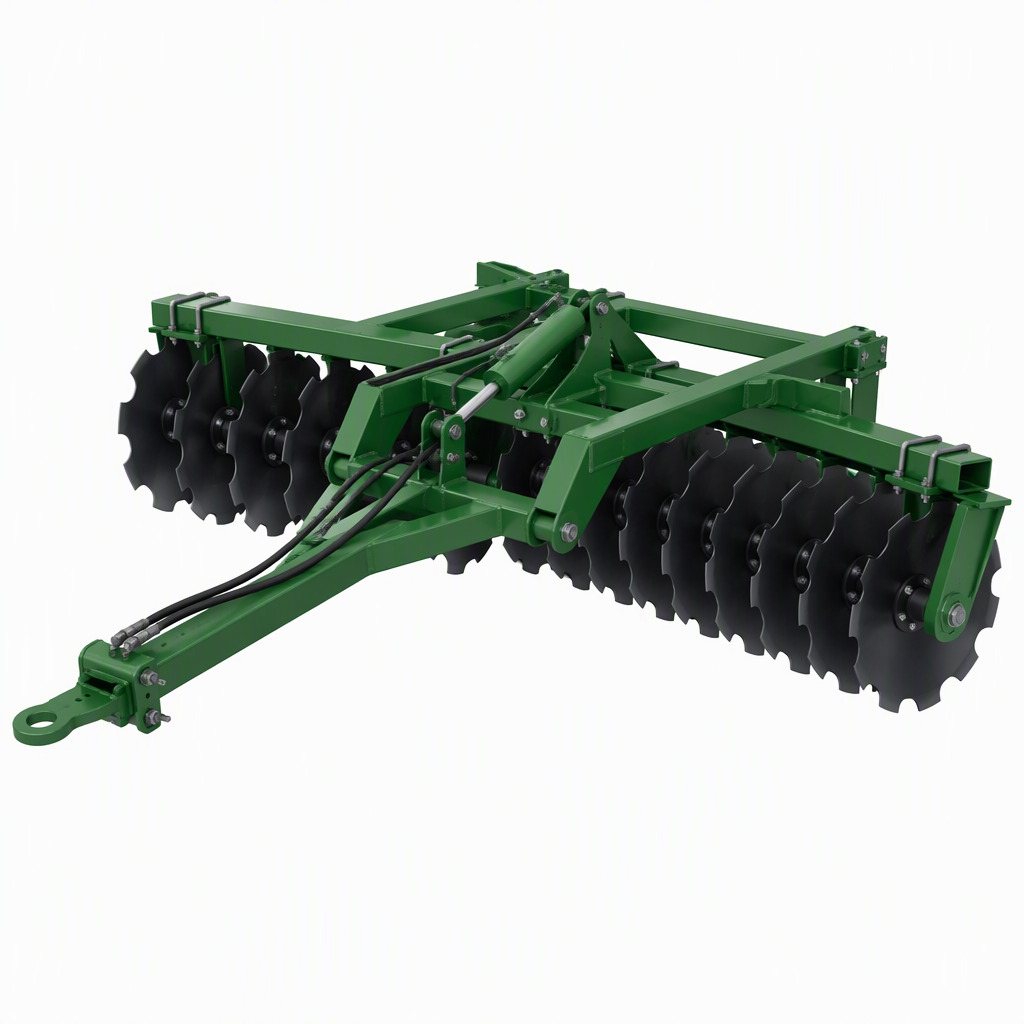
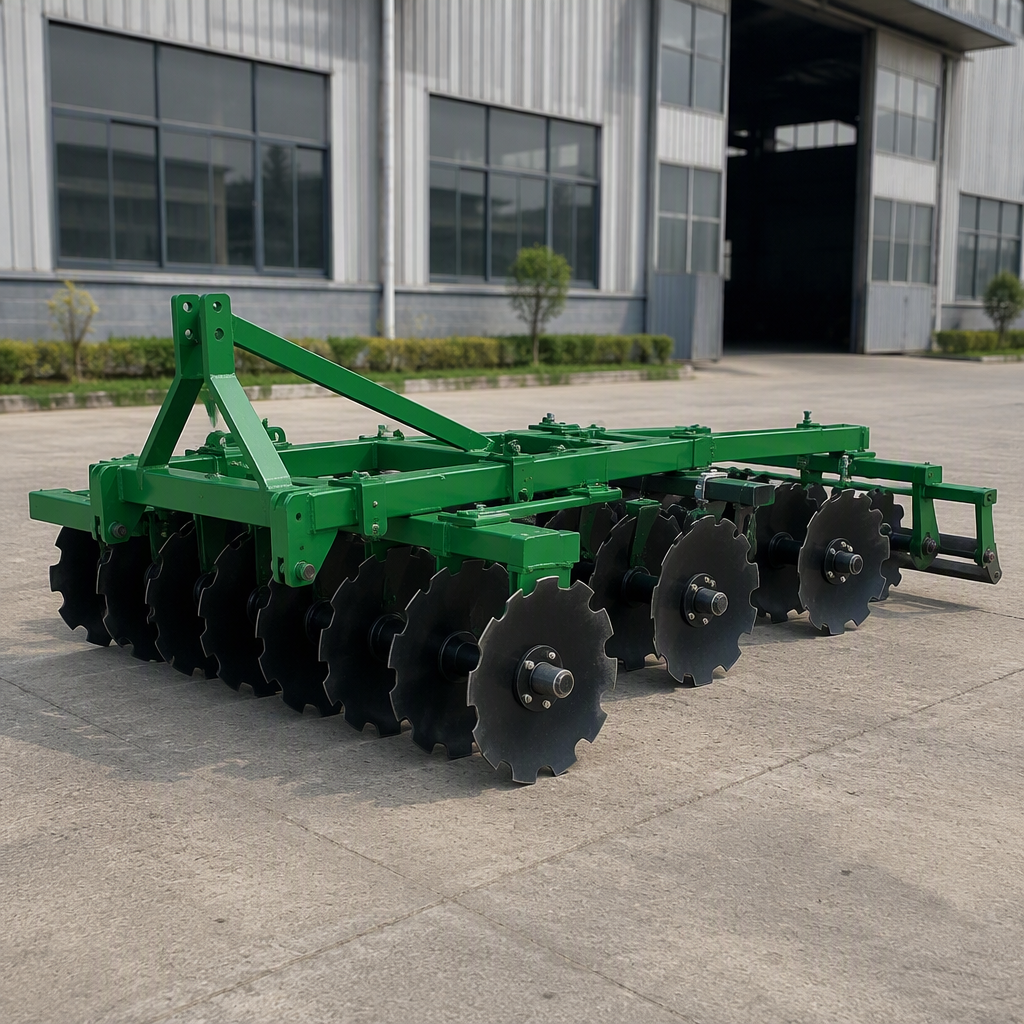
Harrow ploughs are essential agricultural tools designed to prepare land for planting by breaking up soil and mixing in crop residues. As a B2B buyer, understanding the quality and specifications of harrow ploughs is crucial for making informed purchasing decisions, especially when considering bulk orders. This article will guide you through the evaluation of harrow ploughs, including key specifications, cost factors, installation guidance, and their applications in modern agriculture.

Specifications to Look for in High-Performance Harrow Ploughs

Specifications to Look for in High-Performance Harrow Ploughs

Several specifications are critical when selecting high-performance harrow ploughs.

Size and Weight: The size should match the type of tractor and the scale of operations. Larger ploughs can cover more ground but may not be suitable for smaller tractors.

Working Width and Depth: These parameters will affect how effectively the plough can work the soil. A plough that can adjust its working depth allows for better soil management based on the type of crop being planted.

Tine Configuration: The number and arrangement of tines influence the plough's ability to break up soil. More tines generally lead to finer soil preparation, but the optimal configuration varies based on the soil type and crop.

Durability Features: Look for features like heat-treated tines or reinforced frames that can extend the lifespan of the equipment. Cultivators & Tillers can also complement the use of harrow ploughs in enhancing soil preparation.

Maintenance Requirements: Specifications regarding maintenance intervals and ease of repairs can save time and costs in the long run.

Understanding these specifications helps ensure that the harrow plough will meet your operational needs and enhance productivity.

Cost Factors to Keep in Mind When Purchasing Harrow Ploughs Wholesale

Cost Factors to Keep in Mind When Purchasing Harrow Ploughs Wholesale

When negotiating prices for harrow ploughs, various cost factors come into play. The initial price is affected by material quality, manufacturing processes, and design complexity. Higher-quality materials and advanced manufacturing techniques typically result in a higher upfront cost but may provide significant savings over time through increased durability and less frequent replacements.

Additionally, consider shipping and handling costs, especially if ordering from overseas. Import duties and tariffs can also impact the final price.

Another important factor is the minimum order quantity (MOQ). Suppliers often have set MOQs that can influence your purchasing strategy. Inquire about bulk discounts and payment terms, as these can vary significantly between manufacturers.

Lastly, be aware of any after-sales support costs, including warranties and service agreements, which can provide additional value and peace of mind.

Installation Guidance for Optimal Performance of Harrow Ploughs

Installation Guidance for Optimal Performance of Harrow Ploughs

Proper installation of harrow ploughs is crucial for achieving optimal performance. Start by ensuring that the plough is compatible with your tractor in terms of size and power requirements. The attachment process should be straightforward; however, always refer to the manufacturer's manual for specific instructions.

Before the first use, it is advisable to calibrate the plough to the desired working depth and width based on the soil type and crop requirements. Check the alignment of the tines to prevent uneven wear and ensure efficient soil preparation.

Regular maintenance is also essential for performance. Inspect the tines and frame for wear and tear, especially after heavy use. Ensuring that all moving parts are lubricated and free of debris will enhance the longevity and efficiency of the harrow plough.

Applications of Harrow Ploughs in Modern Agriculture and Beyond

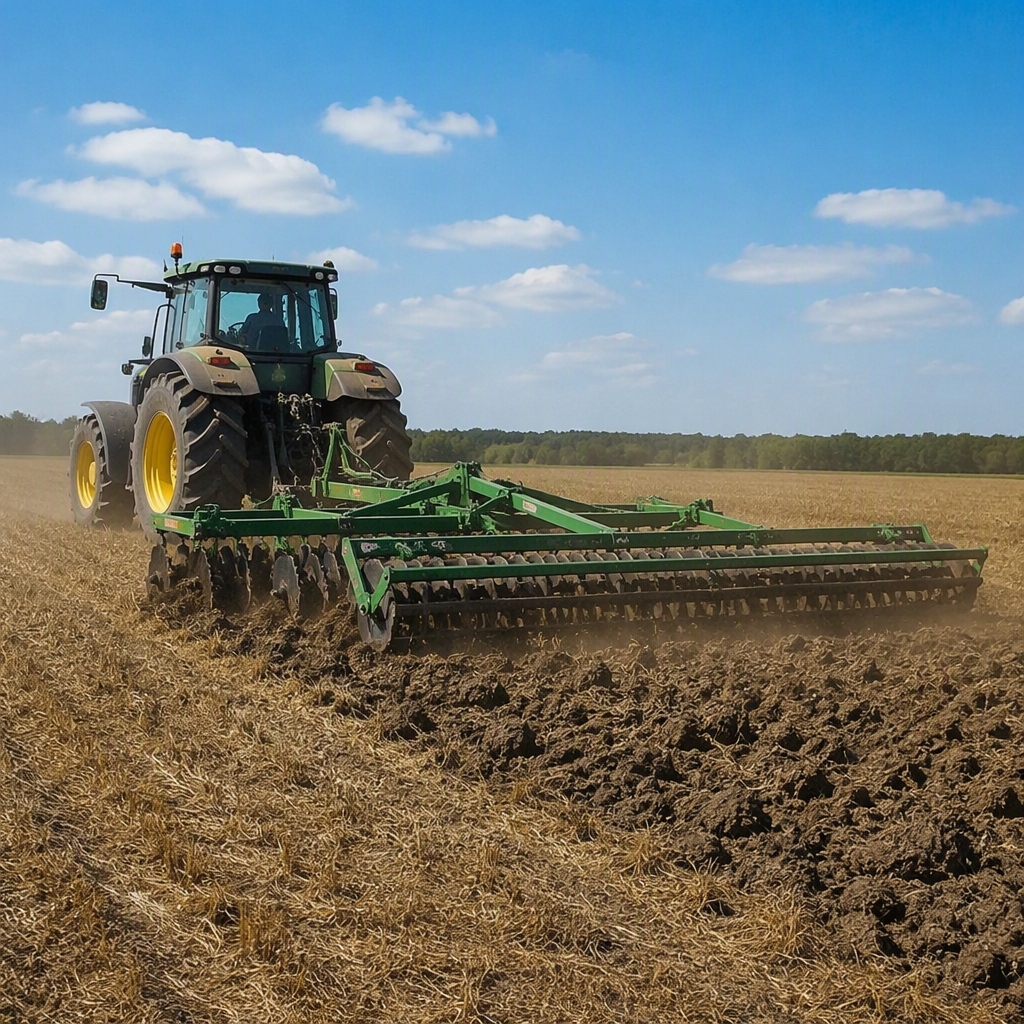
Harrow ploughs serve a variety of applications within modern agriculture. Primarily, they are used for soil preparation before planting, helping to improve seedbed conditions by breaking up compacted soil and incorporating organic matter. This is vital for promoting healthy crop growth and maximizing yields.

Moreover, harrow ploughs are effective in managing soil erosion by creating a more stable soil structure, which can be crucial in areas prone to heavy rainfall. They also play a role in post-harvest operations, assisting in the incorporation of crop residues back into the soil, thus enhancing soil fertility.

Beyond traditional agricultural uses, harrow ploughs are increasingly being adapted for use in landscaping, construction, and forestry applications, demonstrating their versatility. As agricultural practices evolve towards more sustainable methods, the role of harrow ploughs in soil management and crop production is likely to expand further.

By understanding the specifications, quality factors, cost considerations, installation practices, and applications of harrow ploughs, B2B buyers can make well-informed purchasing decisions that align with their operational needs and agricultural goals.

How to Evaluate the Quality of Harrow Ploughs for Bulk Orders

When assessing the quality of harrow ploughs, buyers should consider several key factors that impact performance and durability. First, examine the material used in the construction of the plough. High-quality steel or alloy materials offer strength and resistance to wear, which is essential for withstanding harsh operating conditions.

Next, evaluate the manufacturing process. Look for suppliers with CE and ISO 9001 certifications, as these indicate adherence to quality management standards. A reputable manufacturer should also have a robust quality control process, including inspections at various production stages to ensure each unit meets specified standards.

Additionally, consider the design features of the harrow plough. Adjustable depth settings, robust frame construction, and the ability to attach additional tools can enhance functionality and efficiency. Request samples for testing if possible, as this allows you to assess performance under actual operating conditions. Furthermore, integrating Processing Machines can provide additional insights into the compatibility and efficiency of your equipment.

Frequently Asked Questions

What is the harrow plough used for?

The harrow plough is used for soil preparation: breaking clods, leveling, weed control, and improving seedbed conditions before planting.
Tractor size depends on model; light models suit 20–50 HP tractors, while heavy-duty versions need 80 HP or more. Check specific model specs.
Yes, it can integrate into various tillage systems. We offer configurations for primary and secondary tillage and can advise based on your field conditions.
Our harrow ploughs are manufactured under ISO 9001 quality management and CE standards, ensuring reliable performance and compliance.
Yes. We supply spare parts, maintenance guidance, and lifecycle-based service support for installations across our supported regions.

Get a Free Quote

Our representative will contact you soon.
0/1000