Choosing the Right Field Plough for Your Needs

application/field-plough, application/field-plough, 
Inquiry
Inquiry

field plough

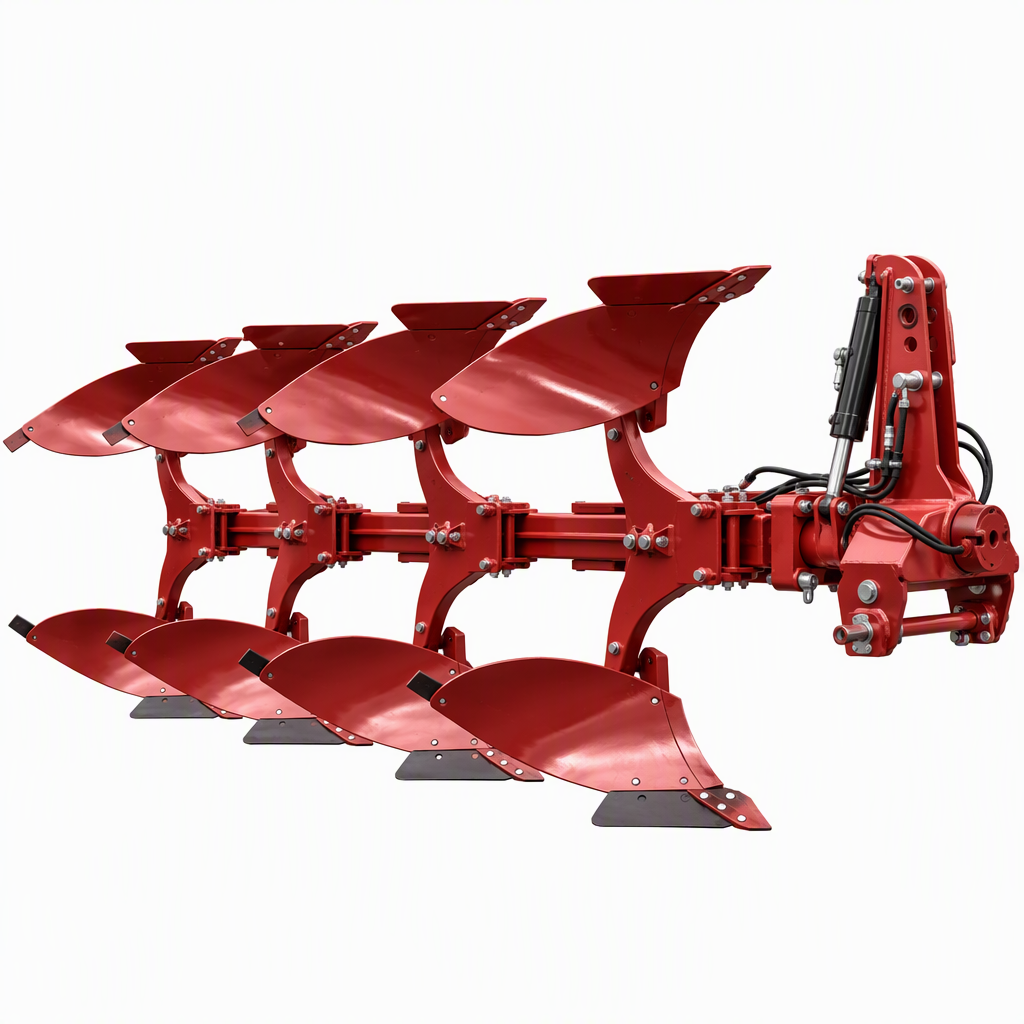
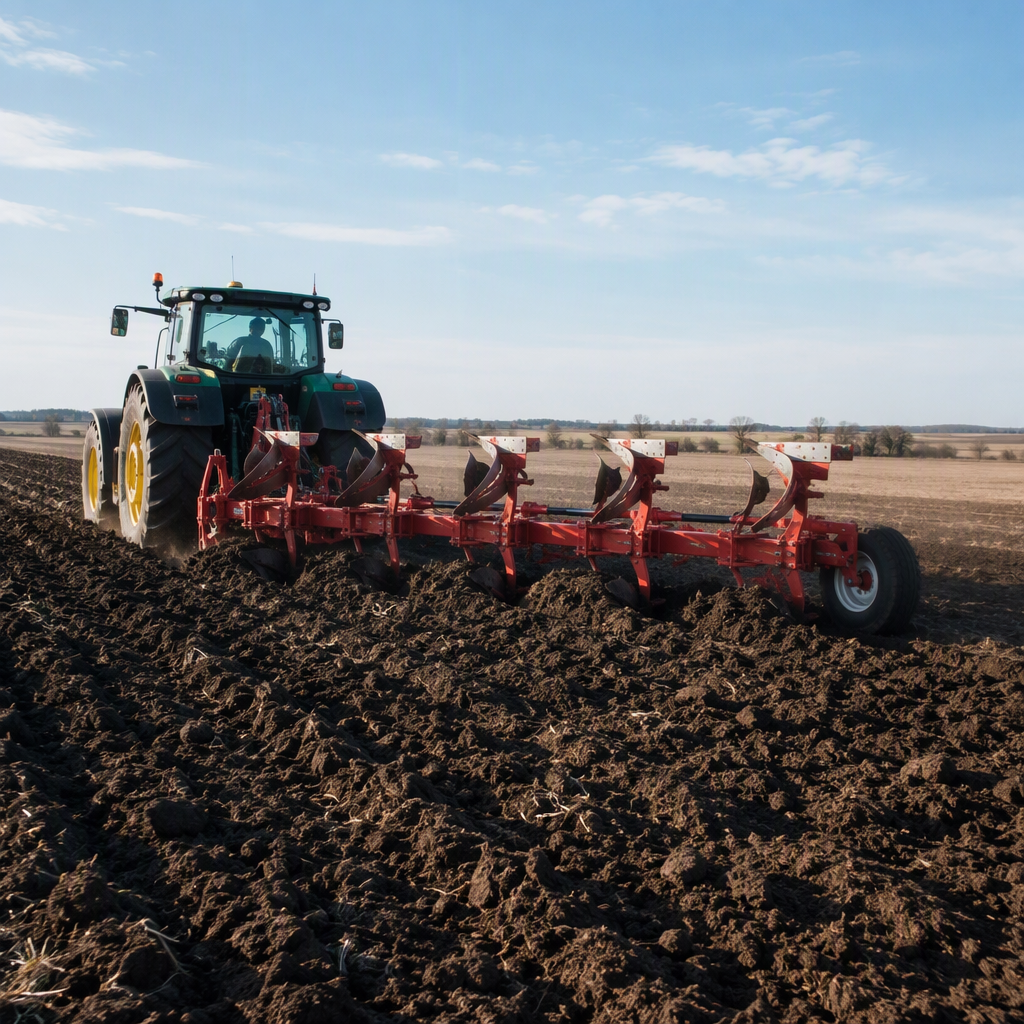
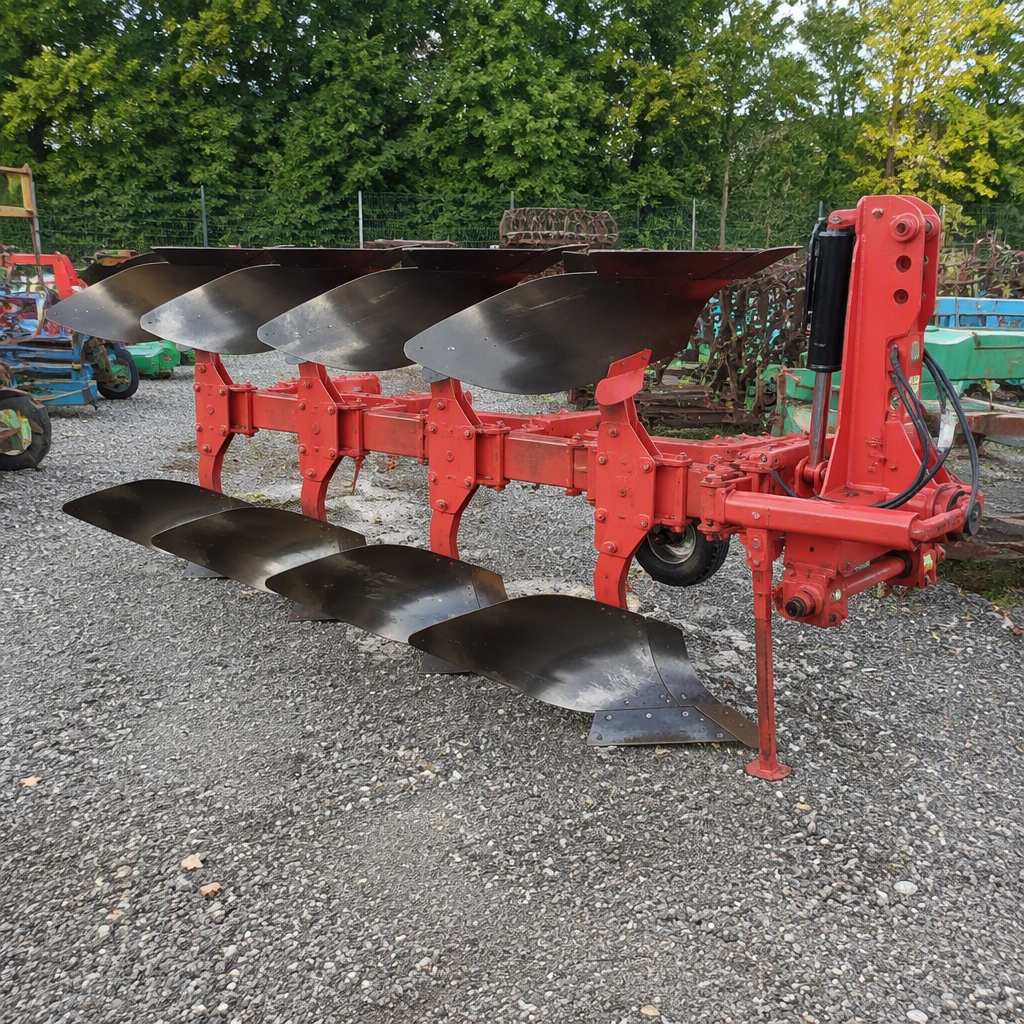
Field ploughs are essential agricultural implements designed for soil cultivation, preparing the land for planting crops. As a key piece of equipment in farming operations, they help optimize soil structure, control weeds, and improve moisture retention. For B2B buyers, such as purchasing managers and distributors, understanding the specifications, quality standards, and applications of field ploughs is crucial for making informed purchasing decisions. This article will provide a detailed overview of field ploughs, addressing key specifications, comparison methods, quality standards, installation challenges, and their applications in modern agriculture.

How to Evaluate the Quality of Field Plough Equipmen

How to Evaluate the Quality of Field Plough Equipmen

Comparing different field plough models is essential for making an informed purchasing decision. Here are practical steps to facilitate this process:

Identify Operational Requirements: Before comparing models, define the specific requirements of the agricultural operation, such as soil type, crop rotation, and field size.

Review Product Specifications: Collect detailed specifications for each model, focusing on the key features discussed earlier. Pay attention to the manufacturer's recommendations regarding the optimal tractor compatibility for each plough.

Analyze Performance Reviews: Seek feedback from existing users of the plough models. Reviews can provide insights into performance, durability, and ease of use, helping to identify potential issues or advantages.

Examine Warranty and Support: Consider the warranty terms and the availability of after-sales support. A robust warranty can indicate the manufacturer's confidence in their product's quality.

Cost Analysis: Compare the total cost of ownership, including initial purchase price, maintenance costs, and expected lifespan. This holistic view can help ascertain the long-term value of each model.

Request Demonstrations: Whenever possible, arrange for demonstrations of the plough models in real working conditions. This firsthand experience can be invaluable in assessing performance.

By following these steps, buyers can effectively compare different field plough models, ensuring they select the best option for their specific agricultural projects.

Where to Source Reliable Field Plough Suppliers for Your Needs

Where to Source Reliable Field Plough Suppliers for Your Needs

Quality standards play a crucial role in the sourcing of field ploughs, ensuring that the equipment is safe, reliable, and effective. Buyers should be aware of the following key quality standards:

ISO 9001 Certification: This international standard outlines the criteria for a quality management system. Manufacturers with ISO 9001 certification demonstrate their commitment to quality control processes and continuous improvement in their manufacturing practices.

CE Marking: In the European market, CE marking indicates compliance with health, safety, and environmental protection standards. This certification is essential for buyers looking to import ploughs into Europe, as it ensures that the equipment meets stringent EU regulations.

Material Standards: Verify that the materials used in manufacturing the plough meet recognized industry standards. For instance, steel components should comply with relevant specifications for hardness and tensile strength.

Quality Control Processes: Review the manufacturer's quality control processes, including testing protocols for durability, performance, and safety. Understanding how the manufacturer ensures consistent quality can help reduce the risk of defects.

Third-party Testing: Look for evidence of third-party testing or certification, which can provide an unbiased assessment of the product's performance and quality.

By ensuring that suppliers meet these quality standards, buyers can significantly reduce the risk associated with sourcing field ploughs, leading to improved operational efficiency and performance.

Applications of Field Ploughs in Modern Agricultural Practices

Applications of Field Ploughs in Modern Agricultural Practices

Installing field ploughs can pose challenges that may affect their operational performance. Here are some common installation issues and their solutions:

Incorrect Alignment with the Tractor: A common issue is misalignment between the plough and the tractor hitch, which can lead to uneven ploughing. To address this, ensure that the hitch is compatible and properly adjusted before installation.

Depth Settings: Setting the correct ploughing depth is crucial for effective soil cultivation. If the depth is too shallow or deep, it can lead to poor soil turnover. Use the manufacturer's guidelines to adjust depth settings accurately based on soil conditions.

Weight Distribution: Uneven weight distribution can affect the plough's performance and may lead to damage. Ensure that the plough is balanced and that weight is evenly distributed to optimize performance.

Hydraulic Connections: Properly connecting hydraulic systems is essential for adjustable ploughs. Make sure all hydraulic lines are correctly installed and tested for leaks before operation.

Training Operators: Inadequate training can lead to operational errors during installation and use. Providing comprehensive training for operators can help mitigate these issues and improve overall efficiency.

Addressing these installation challenges proactively can enhance the performance of field ploughs and ensure successful agricultural operations.

Understanding Material Advantages in Our Field Plough Designs

Field ploughs have diverse applications in modern agriculture and other industries. Here are some key areas where they are utilized:

Soil Preparation: The primary function of a field plough is to prepare soil for planting by turning it over, breaking up clods, and aerating the soil. This enhances seed-to-soil contact and promotes healthy crop growth.

Weed Control: Ploughing can disrupt weed growth, reducing competition for crops. By burying weed seeds and roots, field ploughs help maintain a healthier growing environment for crops.

Erosion Control: In certain configurations, ploughing can help manage soil erosion by creating furrows that slow water runoff and promote moisture retention.

Land Reclamation: In areas where land has been degraded, ploughs can be used to break up compacted soil, allowing for the introduction of new crops and improving soil health.

Vegetable and Flower Cultivation: Beyond traditional crop farming, field ploughs are also used in cultivating vegetable and flower gardens, where soil preparation is crucial for successful yields. For example, the Grain Feed Ingredient Mixer – 500-5000L Crusher & Blender can support the cultivation of various plants by ensuring proper soil mixing.

Research and Development: Field ploughs are also employed in agricultural research settings to understand soil behavior, crop responses, and the effectiveness of different farming techniques.

By understanding these applications, buyers can appreciate the versatility and importance of field ploughs in enhancing agricultural productivity and sustainability.

What to Consider When Choosing a Field Plough for Your Operations

When evaluating field ploughs for bulk orders, several specifications should be considered to ensure the equipment meets operational needs and agricultural standards. Key specifications include:

Material Composition: Field ploughs are typically made from durable steel or high-strength alloys, which influence their resistance to wear and tear. Buyers should ensure the materials used can withstand the specific soil conditions they will encounter.

Working Width and Depth: The width and depth of the plough's working area affect its efficiency in soil cultivation. A wider plough may cover more ground in less time, but it's essential to match these dimensions to the tractor's capabilities and the type of crops being planted.

Number of Furrows: Field ploughs can come with different numbers of furrows, impacting the amount of soil tilled in a single pass. This affects not only efficiency but also the type of crops that can be accommodated.

Weight and Balance: The weight of the plough affects its stability and penetration into the soil. A well-balanced plough reduces the risk of tipping and can improve performance in various terrain types.

Adjustability Features: Look for ploughs with adjustable shares or depth settings, allowing farmers to modify the working depth based on soil type and moisture conditions. For instance, the Mini Diesel Tractor 2WD 10HP with Rotary Tiller for Farms can enhance the versatility of field ploughs.

By considering these specifications, buyers can select field ploughs that align with their agricultural needs and improve overall farm productivity.

Get a Free Quote

Our representative will contact you soon.
0/1000