Key Considerations for Heavy Duty Rototillers

application/heavy-duty-rototiller, application/heavy-duty-rototiller, 
Inquiry
Inquiry

heavy duty rototiller

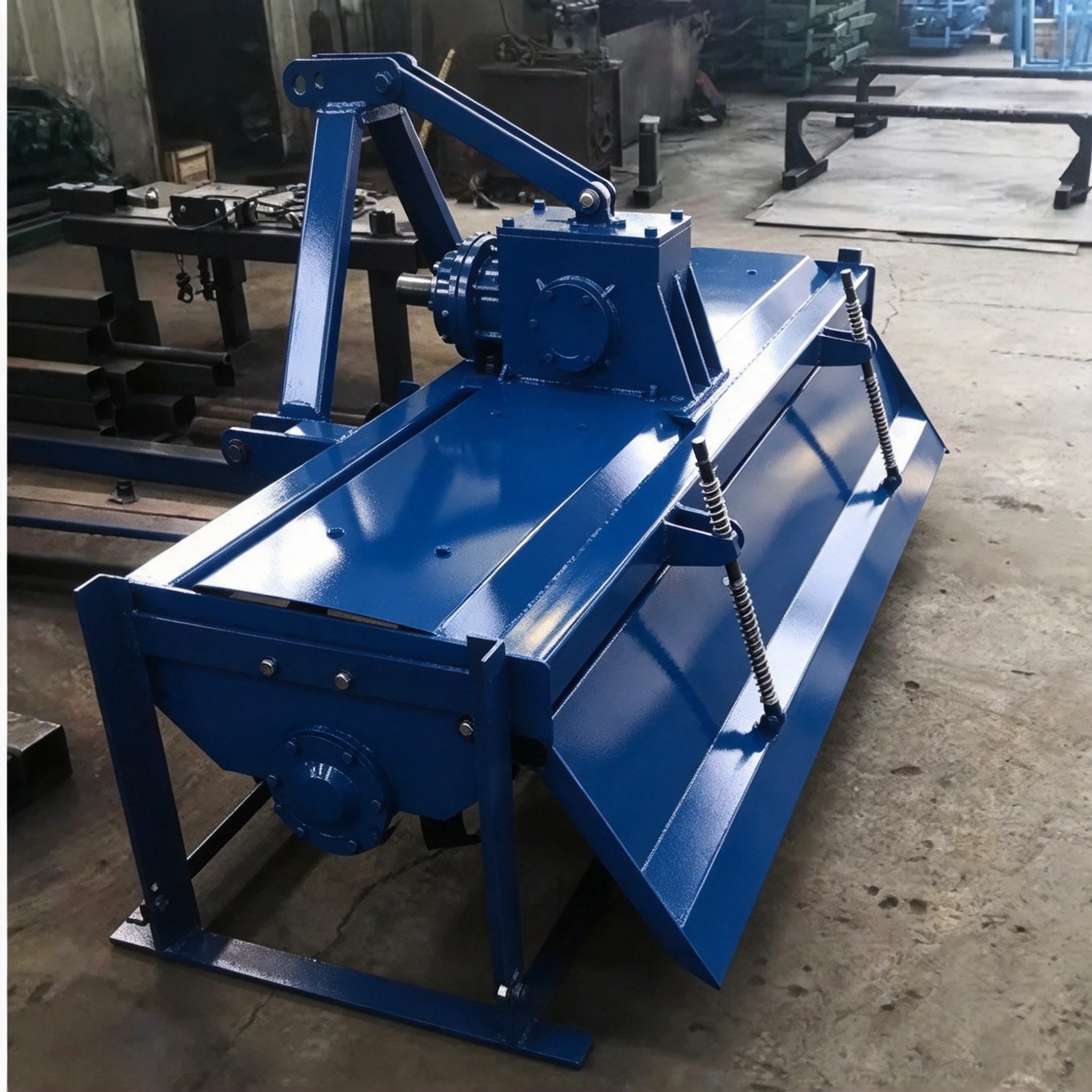
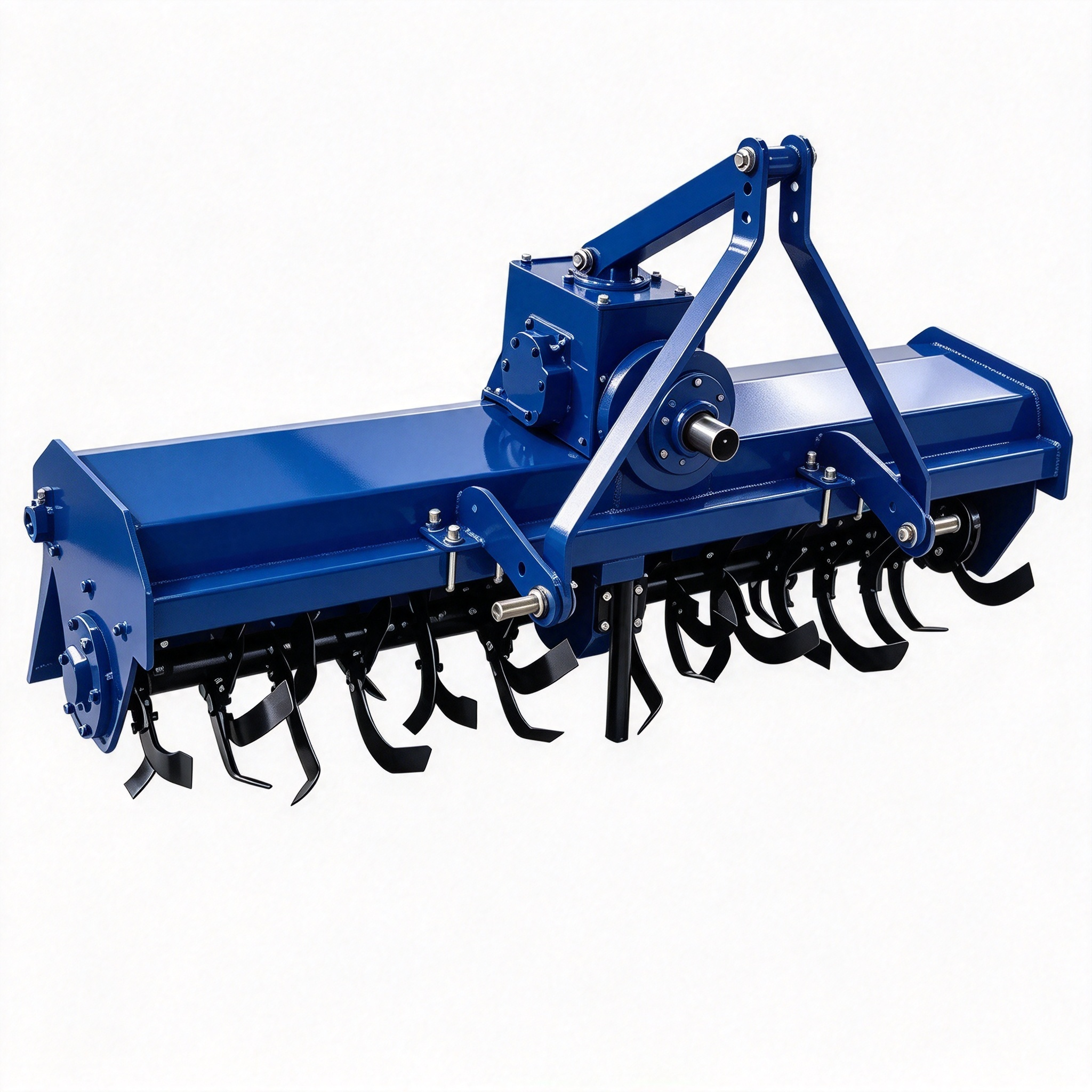
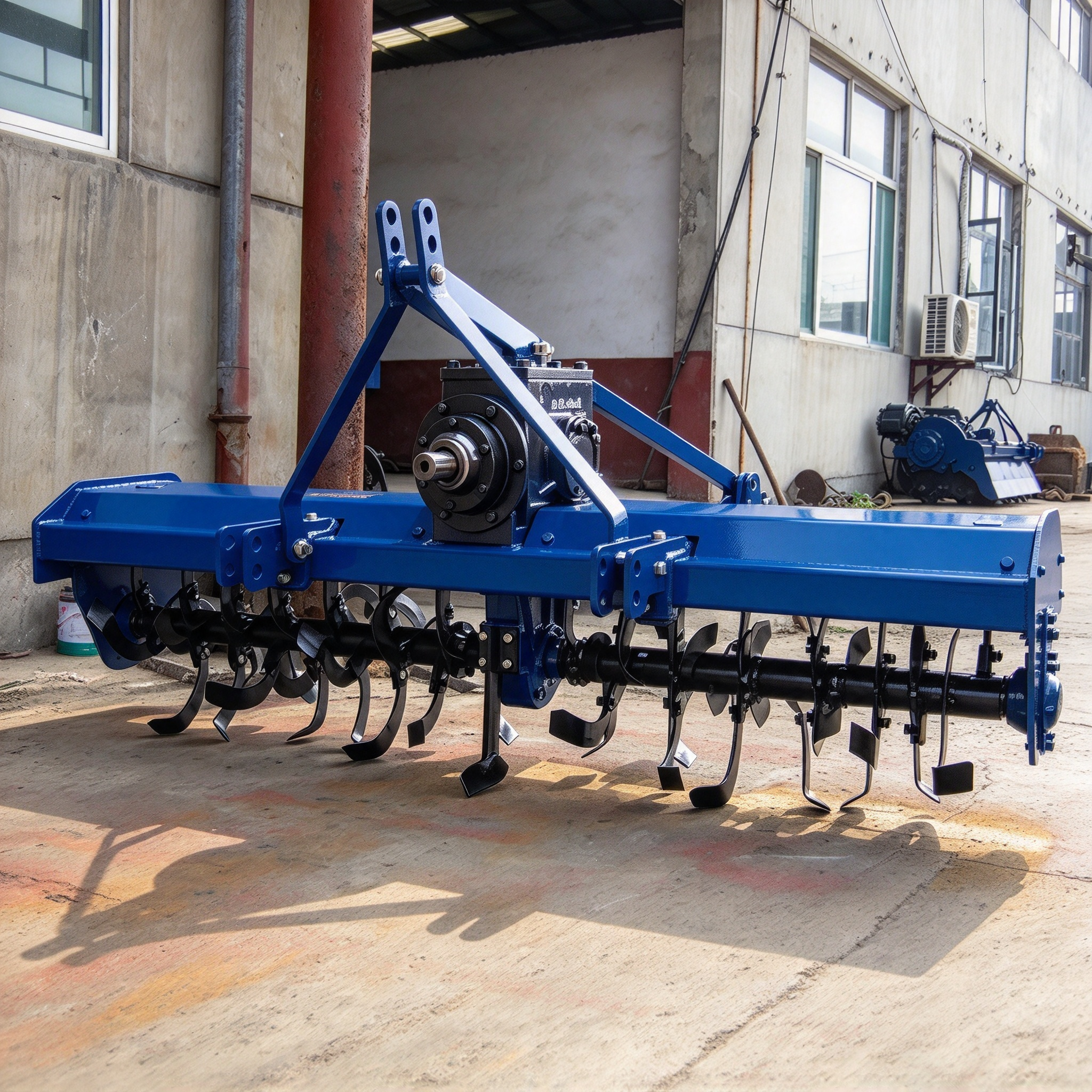
Heavy duty rototillers are essential agricultural tools designed for efficient soil preparation in various farming and industrial applications. As a B2B buyer, understanding the specifications, pricing, and applications of these machines will help you make informed purchasing decisions. This article will guide you through the key considerations when sourcing heavy duty rototillers, including specifications, pricing insights, and their diverse applications across industries.

Wholesale Pricing Insights for Bulk Orders of Heavy Duty Rototillers

Wholesale Pricing Insights for Bulk Orders of Heavy Duty Rototillers

Pricing for heavy duty rototillers can vary significantly based on factors such as specifications, materials, and order volume. When considering bulk orders, keep the following points in mind:

Volume Discounts: Many suppliers, including Agripros, offer tiered pricing structures that provide discounts based on the quantity ordered. Request detailed pricing for different order volumes to assess potential savings.

Shipping Costs: Factor in shipping and logistics expenses, as these can impact the overall cost of acquisition. Bulk orders may qualify for reduced shipping rates, so inquire about different shipping options.

Payment Terms: Understand the payment terms offered by suppliers. Some may require upfront payments, while others might offer credit terms that could be beneficial for cash flow management.

Lead Times: The production lead time can affect pricing. If a supplier has a long lead time due to high demand or limited production capacity, consider how this impacts your purchasing schedule and overall costs.

Quality Assurance: Ensure that the quoted prices reflect the quality of the equipment. It’s worth investing in machines with proven durability and performance, as lower-priced options may lead to higher long-term costs due to maintenance and replacement.

By understanding these pricing factors, you can negotiate effectively and secure favorable terms for your heavy duty rototiller purchases.

What to Look for in Heavy Duty Rototillers

What to Look for in Heavy Duty Rototillers

Selecting the right heavy duty rototiller involves considering not just the specifications but also additional factors that impact performance and suitability:

Manufacturer Reputation: Research the manufacturer’s track record in producing reliable agricultural machinery. A reputable company, like Agripros, with CE/ISO 9001 certifications, typically guarantees adherence to quality standards.

Customer Reviews and Testimonials: Look for feedback from other users in similar industries. This can provide insights into real-world performance, ease of use, and maintenance requirements.

Maintenance and Support: Evaluate the availability of spare parts and after-sales support. A manufacturer that offers comprehensive support can significantly reduce downtime in the event of equipment failure.

Warranty and Service Agreements: Understand the warranty terms and any service agreements offered. A robust warranty can provide peace of mind and protect your investment.

Ease of Operation: Consider the usability of the rototiller, especially if it will be operated by various personnel. Features such as ergonomic controls and intuitive design can enhance operational efficiency.

By taking these considerations into account, you can ensure that the heavy duty rototiller you choose will perform reliably and meet your specific agricultural needs.

Exploring Applications of Heavy Duty Rototillers in Various Industries

Exploring Applications of Heavy Duty Rototillers in Various Industries

Heavy duty rototillers are versatile tools used across various industries, each with unique applications:

Agriculture: In traditional farming, rototillers are used for soil preparation, promoting better seedbed conditions and optimizing crop yields. They are particularly valuable in organic farming, where minimal soil disturbance is preferred.

Landscaping: Landscape professionals utilize heavy duty rototillers to prepare new garden beds, break up compacted soil, and incorporate organic matter into the soil, which enhances growth conditions for plants.

Construction: In construction and site preparation, rototillers can be used to loosen soil for foundations, drainage systems, or landscaping projects. They facilitate the mixing of soil with other materials, ensuring a solid base for structures.

Environmental Restoration: Heavy duty rototillers are employed in environmental projects to restore natural habitats by preparing soil for native plant re-establishment. They help in managing invasive species by disturbing the soil where these plants grow.

Horticulture and Nurseries: In nurseries, rototillers are used for soil preparation and mixing fertilizers or amendments to enhance soil health, promoting optimal growth conditions for various plant species. For instance, integrating Sprayer & Fertilizer into your process can further enhance plant health.

Understanding these applications can help buyers select the right rototiller for their specific industry needs, ensuring that the equipment aligns with intended uses.

Understanding Cost Factors in Heavy Duty Rototiller Purchases

Several cost factors influence the overall expense when purchasing heavy duty rototillers:

Initial Purchase Price: This includes the base cost of the equipment, which can vary based on specifications and features. Buyers should compare models with similar capabilities to find the best value.

Operating Costs: Consider fuel consumption, maintenance, and repair costs when calculating the total cost of ownership. A rototiller with higher fuel efficiency and lower maintenance requirements may have a higher upfront cost but can result in savings over time.

Resale Value: Some models retain their value better than others. Research the resale market for heavy duty rototillers to gauge potential depreciation, which can impact long-term financial planning.

Financing Options: Explore financing arrangements that may be available through manufacturers or third-party lenders. Understanding your financing options can help manage cash flow and budget for future purchases.

Long-term Performance: Investing in high-quality equipment often leads to lower long-term costs due to reliability and performance. Assessing the durability and warranty of a rototiller can provide insights into expected longevity and maintenance needs.

By analyzing these cost factors, buyers can make informed decisions that align with their budgets and operational requirements, ensuring a wise investment in heavy duty rototillers.

Key Specifications to Consider When Sourcing Heavy Duty Rototillers

When sourcing heavy duty rototillers, several key specifications should be evaluated to ensure they meet your operational needs:

Tilling Width: This measurement indicates how wide an area the rototiller can cover in one pass. A wider tilling width can increase efficiency, particularly for large fields, but may require more power and larger equipment.

Tilling Depth: The ability to adjust the tilling depth is crucial as different crops and soil types require varying levels of soil disturbance. Standard tilling depths range from 6 to 12 inches, but buyers should confirm the appropriate depth based on their specific applications.

Power Requirements: Heavy duty rototillers typically operate using tractors or standalone engines. Ensure that the horsepower and torque ratings align with your existing equipment to avoid compatibility issues.

Blade Type and Material: The design and material of the blades affect durability and performance. Steel blades are common for their strength, while carbide-tipped blades offer enhanced wear resistance. Evaluate the expected soil conditions to select the appropriate blade configuration.

Frame Construction: The quality and design of the frame influence the rototiller's stability and longevity. Look for units with reinforced frames to withstand heavy use and harsh conditions.

Customization Options: Many manufacturers offer customization features such as adjustable tilling widths or interchangeable blades. Discuss potential modifications with suppliers to ensure optimal performance for your specific agricultural needs. For example, options like Cultivators & Tillers can complement your heavy duty rototiller setup.

By focusing on these specifications, you can select a heavy duty rototiller that not only meets your operational requirements but also enhances productivity.

Frequently Asked Questions

What fields is the heavy duty rototiller suitable for?

Designed for farms and plantations, it handles heavy-duty tillage in large fields, orchards, and nurseries with varied soil types.
Our heavy duty rototiller is CE certified and produced under ISO 9001 quality management standards.
Models suit a range of tractor horsepower; please provide your tractor PTO power and shaft type so we can recommend the correct model.
Regular blade checks, gearbox oil changes, PTO shaft inspection, and routine lubrication extend lifecycle; follow the supplied maintenance schedule.
Yes. We supply spare parts and lifecycle-based support tailored to your operation across our service network in supported countries.

Get a Free Quote

Our representative will contact you soon.
0/1000